Veneer or Solid Wood? A 5-Year Cost Comparison for Singapore Homes
Furniture looks expensive on handover day, but the more useful comparison begins after the boxes are removed. In a compact Singapore home, a buyer should ask how much a piece will cost over 5 years, how it will tolerate humidity and daily movement, and whether it will fit through the lift and corridor. Veneer and solid wood can both suit HDB flats and condos, yet they create very different ownership profiles.
This comparison follows one common household scenario: a Tampines HDB living room, a Bedok condo dining area, and a Punggol bedroom. Prices are stated in SGD, while measurements use cm. They are planning figures rather than quotations, because timber grade, finish, dimensions and delivery location can change the final amount. A 9% GST is included where GST applies, and household spending should be checked against the buyer’s actual invoice.
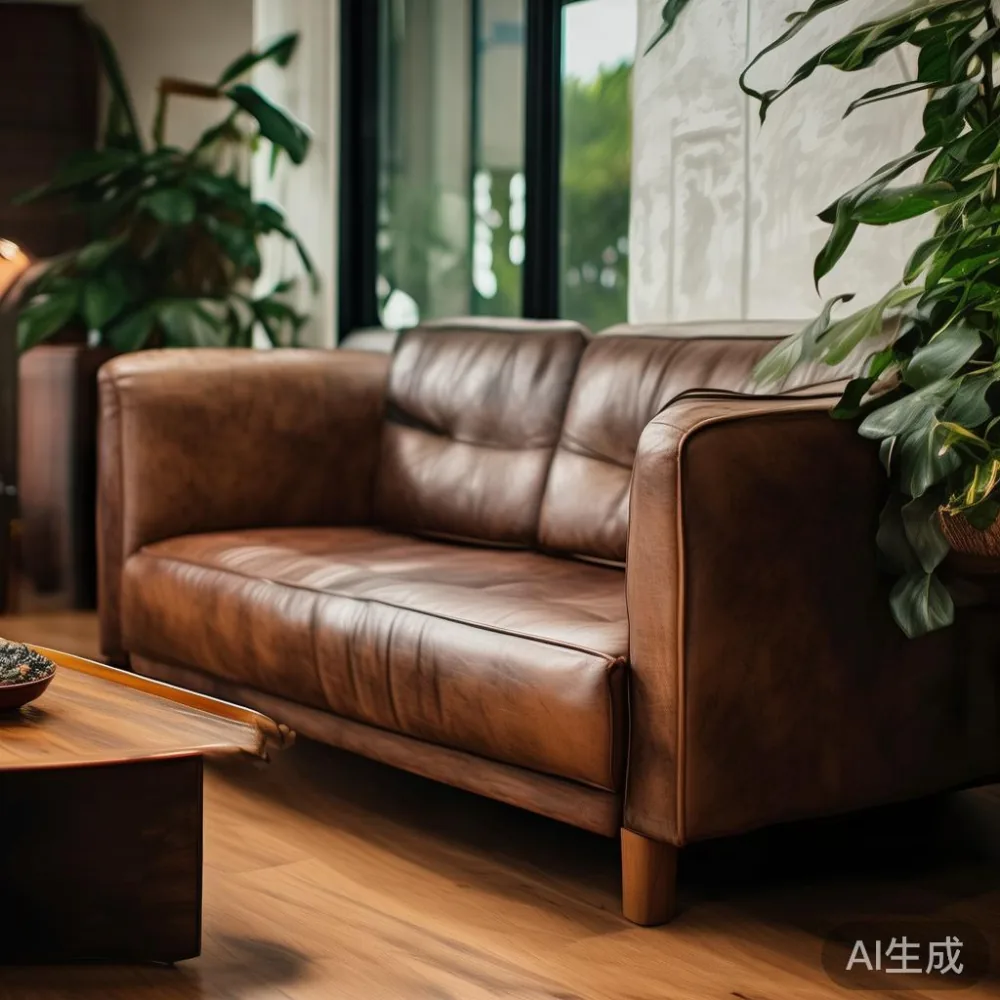
The same financial discipline can be applied to a solid wood sofa, bed frame, dining table, wardrobe, nightstand or marble table. MIDHILL, a Foshan solid wood furniture maker established in 2008, uses solid timber and offers a 10-year structural warranty with lifetime refinishing. Its export history covers more than 15 countries, which is useful context, but the figures below focus on practical ownership in Singapore rather than brand reputation.
What is the real difference between veneer and solid wood?
Veneer furniture uses a thin slice of timber, commonly 0.6 mm to 2 mm thick, bonded to a panel or engineered core. A high-grade face veneer can display convincing grain, and modern manufacturing can produce stable, attractive surfaces. The buyer is paying for the appearance of a relatively small amount of timber, plus the quality of the glue, core and protective finish.
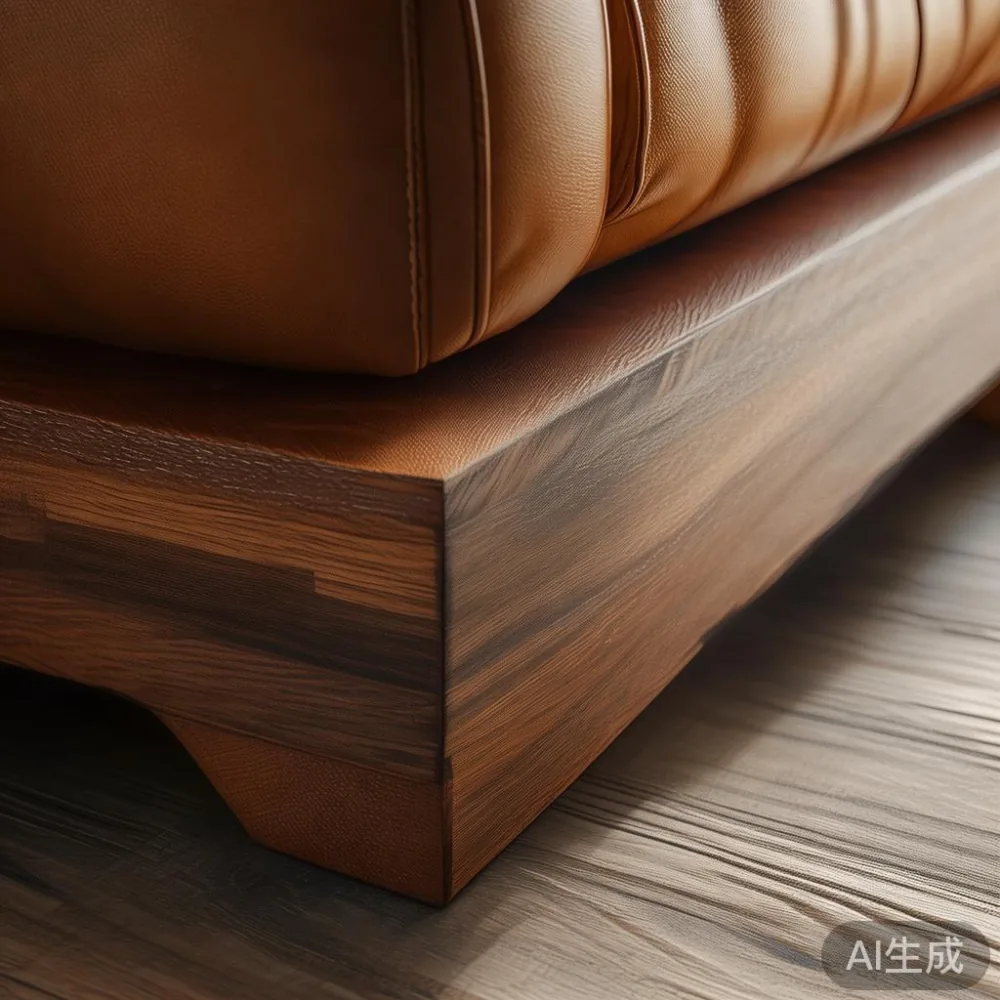
Solid wood furniture uses timber through the visible and structural parts of the piece. A drawer may contain solid hardwood sides and a solid front, while rails and legs are shaped from timber rather than thin veneer over particleboard. Wood movement is not a defect: a solid timber panel can expand or contract as humidity changes, so the design should allow some tolerance. Veneer has less visible thickness at exposed edges and may chip if knocked hard.
Neither label guarantees workmanship. A poorly made solid wood piece can loosen at its joints, while a well-made veneer piece can serve a child’s room or study for many years. The comparison becomes clearer when purchase price, maintenance, damage risk and resale are recorded separately over 60 months.
How much do veneer and solid wood furniture cost at purchase?
For a Singapore example, consider a 180 cm two-seat solid wood sofa. A comparable veneered sofa model might be SGD 1,250 before GST, while a solid timber version might be SGD 1,980 before GST. Including 9% GST gives approximately SGD 1,363 and SGD 2,158 respectively. The difference is SGD 795 at the start.
A 140 cm bed frame follows a similar pattern. A veneer bed frame may retail for SGD 720 before GST, or SGD 785 after GST. A solid wood bed frame may cost SGD 1,280 before GST, or SGD 1,395 after GST. The initial gap is SGD 610, but the solid option may be less likely to need board replacement after a damp season or repeated moving.
For a 160 cm dining table, veneer may be SGD 980 before GST, compared with SGD 1,760 for solid wood. The GST-inclusive figures are SGD 1,068 and SGD 1,918, a difference of SGD 850. A 120 cm solid wood wardrobe could be SGD 1,880 before GST, or SGD 2,049 after GST, while a similar veneer wardrobe might be SGD 1,080 before GST, or SGD 1,177 after GST.
These prices deliberately stay below the level at which buyers often begin comparing Italian light luxury bed designs or a French sofa vs Italian light luxury sofa. The underlying point is simple: importing a style label does not remove material differences. Grain pattern, joinery, finish thickness and dimensions still affect price.
What maintenance costs should I budget over 60 months?
Veneer usually requires careful cleaning, but major repairs are harder to disguise. Water can swell the core, and lifting a veneer edge can expose the substrate. Budget around SGD 80 per year for polishing cloths, mild cleaner and small touch-up materials, or SGD 400 over 5 years. A localized repair might cost SGD 120 to SGD 260, depending on whether the piece is a nightstand, drawer panel or larger cabinet.
Solid wood does not need frequent polishing to remain usable. A dry cloth, gentle cleaning and occasional wax or oil are usually enough. Budget SGD 50 per year for care materials, or SGD 250 over 5 years. If a surface becomes dull, refinishing may cost SGD 180 for a nightstand, SGD 350 for a bed frame side panel and SGD 500 or more for a dining table. MIDHILL’s lifetime refinishing service for eligible solid wood pieces reduces the risk that a cosmetic issue turns into a full replacement.
Leather sofas need a separate care allowance because leather, timber and cushions age differently. For a 3-seat leather sofa, budget SGD 90 per year for conditioner and cloth care, or SGD 450 over 5 years. Keep the sofa away from direct afternoon sun, clean spills promptly and avoid placing a damp cleaning cloth over the timber frame. This cost is included in the example below so the comparison does not hide upholstery maintenance.
Which material handles Singapore humidity, lifts and corridors better?
Singapore’s humidity often ranges from roughly 65% to 85% during wet periods. Engineered panels are dimensionally stable when sealed correctly, but damaged edges are difficult to repair. Solid wood can move slightly with the seasons; the right joinery and finish matter more than an absolute claim that timber never changes.
Access should be measured before delivery. A standard HDB lift opening may be only 70 cm to 90 cm wide, while a condo lift or private corridor can be narrower at a turn. A 180 cm sofa cannot always be carried in one piece, so check the lift car dimensions, door width, turning radius and stair landing. Allow 5 to 10 delivery days after the piece is ready, with another 1 to 3 days for access coordination in dense estates.
I visited a friend in Bedok last month to check a dining table delivery for a condo renovation. The carton was 168 cm long, the lift door was 86 cm wide, and the corridor had a 90 cm turn. The legs were removable, reducing the largest section to 126 cm. Checking those measurements prevented a return trip and saved an estimated SGD 150 delivery charge. It is a simple step that protects both veneer and solid wood, although a heavier solid timber table usually needs more people or a rated trolley.
What are the realistic 5-year costs?
The table below compares a practical package rather than pretending every HDB or condo receives the same model. It uses a 180 cm sofa, 140 cm bed frame, 160 cm dining table, 120 cm wardrobe and 60 cm nightstand. The veneer figures include routine care, while the solid figures include care and a modest refinishing reserve. The leather sofa line is shown separately so upholstery treatment is visible.
| Item | Veneer purchase incl. 9% GST | Veneer 5-year care | Solid purchase incl. 9% GST | Solid 5-year care |
|---|---|---|---|---|
| 180 cm sofa structure | SGD 1,363 | SGD 240 | SGD 2,158 | SGD 150 |
| 140 cm bed frame | SGD 785 | SGD 150 | SGD 1,395 | SGD 180 |
| 160 cm dining table | SGD 1,068 | SGD 180 | SGD 1,918 | SGD 250 |
| 120 cm wardrobe | SGD 1,177 | SGD 220 | SGD 2,049 | SGD 300 |
| 60 cm nightstand | SGD 327 | SGD 100 | SGD 590 | SGD 120 |
| Leather sofa care allowance | SGD 0 | SGD 450 | SGD 0 | SGD 450 |
| Delivery and access reserve | SGD 120 | SGD 0 | SGD 180 | SGD 0 |
| Total | SGD 4,840 | SGD 1,340 | SGD 8,290 | SGD 1,450 |
On a gross-cost basis, the veneer package reaches SGD 6,180 over 5 years, while the solid timber package reaches SGD 9,740. The solid package starts SGD 3,450 higher. That is the honest figure: solid wood is not automatically cheaper when the buyer counts every purchase invoice.
The result changes when probable replacement is included. If a veneer bed frame needs a core repair after 36 months at SGD 420, and a veneer wardrobe needs edge work at SGD 520 in month 48, veneer rises to SGD 7,120. A solid dining table that survives with one refinishing reserve remains near SGD 9,740. The comparison depends on use, not optimism.
Resale should be treated as a possible offset, not a guaranteed payment. After 5 years, a maintained veneer package might be valued at SGD 1,500 to SGD 2,200, and a maintained solid wood package at SGD 4,000 to SGD 6,000. Applying a conservative midpoint gives net costs of approximately SGD 4,620 for veneer and SGD 5,840 for solid in the repair-adjusted scenario. Solid remains more expensive here, but it retains more usable value and offers a clearer repair path.
What changes the answer for a Tampines, Bedok or Punggol home?
A family using a sofa daily, storing dinnerware in a wardrobe and moving every 2 to 3 years may value solid timber’s tolerance for repair. A renter who expects to leave within 18 months may prefer the lower initial outlay of veneer. A child’s study can work well with a durable veneer desk if the edges are sealed and the top is protected from spills.
For a 90 cm corridor, buy furniture that can be disassembled into sections no longer than 85 cm. For a 1,000 cm HDB living-room wall, a 200 cm sofa may dominate the space; a 180 cm sofa can leave 10 cm of visual breathing room on each side. Measure the sofa’s packed width, not only its displayed width, and compare it with the lift door before paying a non-refundable deposit.
Style should sit beside the numbers. French light luxury often uses pale timber, restrained profiles and textured upholstery. American light luxury tends to be comfortable and substantial, while post-modern light luxury can combine clean lines with warmer oak tones. A search for best Modern light luxury furniture should still include timber thickness, drawer construction, warranty terms and delivery access, not only photographs.
For a smaller room, under 2000 Mid-century modern furniture can include a 150 cm bench, 90 cm side table and compact storage. For a master bedroom, an Italian light luxury bed description should be checked against the actual frame: slat spacing, centre support, finish and mattress clearance. For dining, a marble table may have a stone top measuring 2 cm to 3 cm, with a timber or metal base; its weight can add SGD 150 to SGD 300 to delivery.
How can I compare finishes, warranties and resale value fairly?
Ask for the material schedule in writing. Confirm whether visible panels are solid timber, whether the back is solid or veneered, and what the warranty covers. A 10-year structural warranty should have clear conditions for joints, frames and load expectations. It does not automatically cover accidental water damage, deliberate alteration or normal colour change.
Request 3 samples before ordering: one pale oak finish, one walnut-toned finish and one stain sample for the room’s lighting. Test each on a spare piece for 24 hours. Natural timber can vary by 10% or more in tone and grain, so a printed swatch is only a guide. Check that a finish can be renewed rather than only replaced.
Keep the receipt, care instructions and measurements together. Photograph the furniture on delivery day, including corners, drawer runners and undersides. Allow 7 days for a careful review where appropriate, while observing the supplier’s stated 14-day returns policy. MIDHILL provides free shipping over US$350, although the currency threshold does not automatically equal the Singapore delivery charge; confirm the local amount before checkout.
Buyers browsing top 10 French provincial furniture lists should compare construction rather than rely on a ranking. Ornate furniture can use more timber, more labour and more packing volume. A 210 cm cabinet may weigh 85 kg, while a 120 cm nightstand may weigh 18 kg. Ask for packed weight and lift requirements, especially for a Punggol walk-up unit.
Which option gives the more sensible 5-year result?
Veneer wins when the priority is a lower purchase price, a light visual footprint and a short expected stay. With the example package, the gross 5-year outlay is SGD 6,180 before a repair, and the conservative resale-adjusted figure is about SGD 4,620. That is reasonable if the furniture is protected from moisture and moved carefully.
Solid wood wins when repairability, tactile character and longer retention matter. In the example, its gross cost is SGD 9,740, or about SGD 5,840 after a conservative resale estimate. The buyer pays more upfront, but keeps a product that can be maintained rather than discarded. Its structural warranty and refinishing option also make the long-term commitment easier to understand.
For a solid wood sofa, inspect the frame, seat support and finish under daylight. For a bed frame, test every joint and slat. For a dining table, check the underside for fixing points. For a wardrobe, open the doors when the room is humid, and for a nightstand, check the drawer travel. A marble table deserves a separate weight and handling review.
The practical answer is not a universal rule. Compare the product’s expected service years, access conditions and local repair charges. If the numbers show that solid timber can remain for 10 years or more, its higher 5-year cost may still be compatible with a considered home in Singapore. If the budget allows only a low-cost setup, a sound veneer choice can be perfectly sensible as long as its limits are understood.