How Should You Care for a Lacquered Leather Sofa in Singapore?
Singapore’s warmth and humidity can be demanding on furniture finishes. A lacquered leather sofa may look polished and architectural in an HDB flat in Tampines or a condominium near Bedok, yet the finish still needs disciplined care. Sweat, ultraviolet light, damp air, sticky fingers, and daily dust can dull the shine or cause lacquer to cloud. The good news is that regular, low-effort maintenance can protect a leather sofa for years without stripping it back to a raw, matte hide.
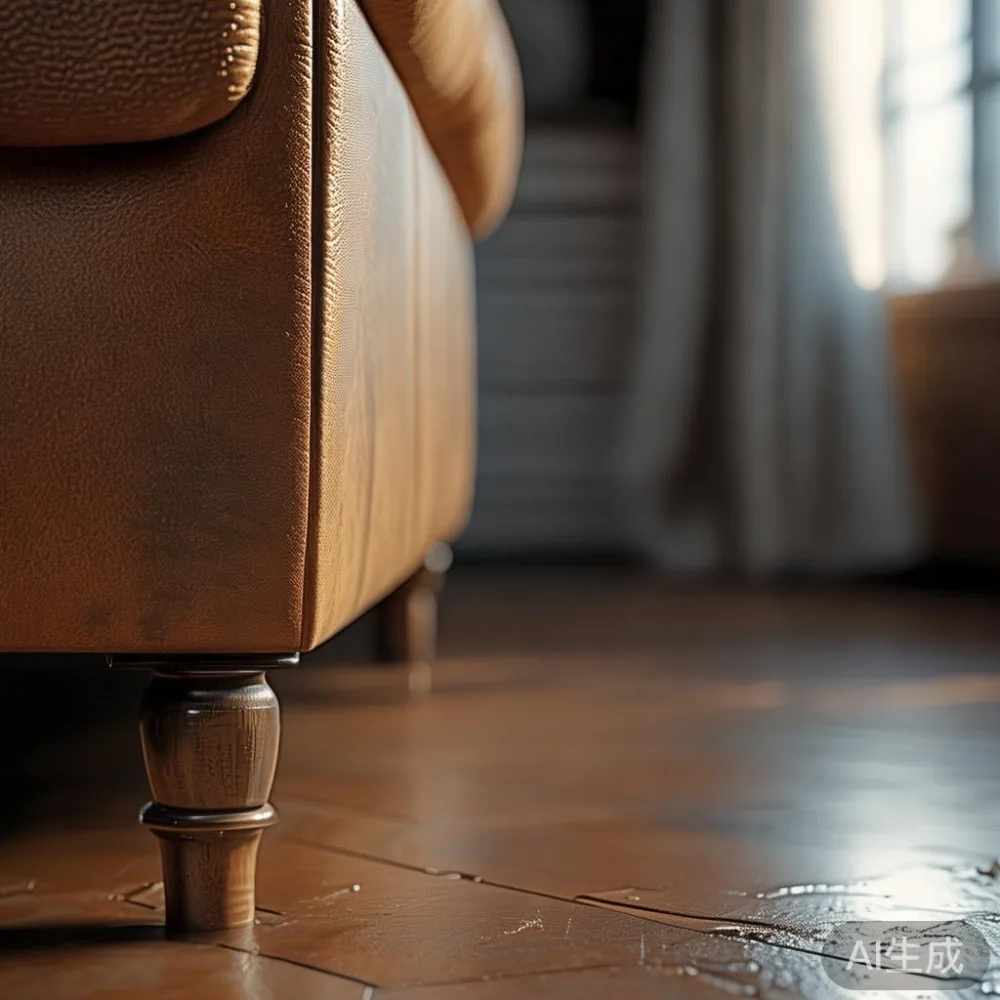
This guide focuses on lacquered leather seating: how to identify the finish, clean it safely, control the room around it, and respond to scratches or dull patches. It also explains why delivery and fit matter in Singapore, where corridor widths, lift doors, and compact access routes can shape the sofa before it reaches your living room.
What Is Lacquered Leather, and Why Does It Need Special Care?
Lacquered leather is not the same as unfinished aniline leather. A thin surface coating is applied to the hide, then polished or glossed. The result often has deeper colour, a smoother reflection, and more uniform grain than a natural finish. That reflective skin can make a leather sofa feel distinctly French light luxury or American light luxury, especially when paired with a solid wood sofa frame and restrained metal details.
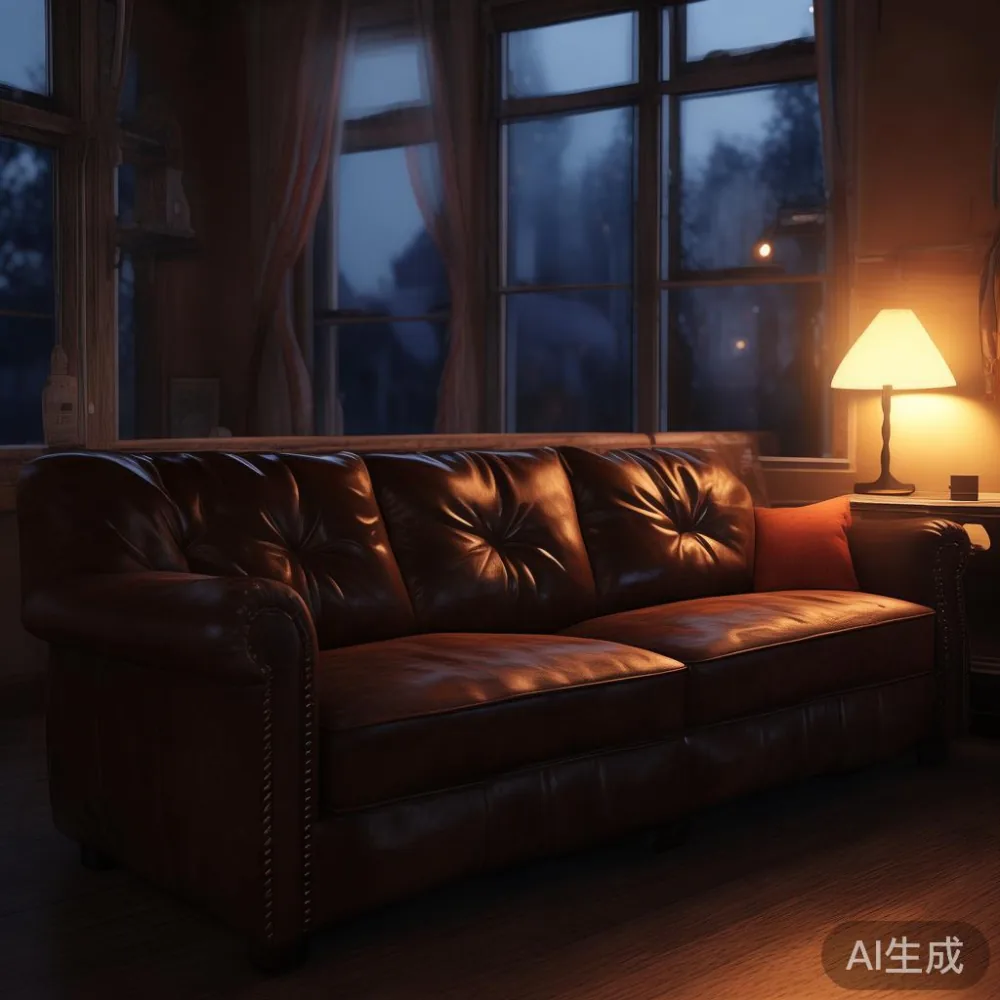
The coating also changes how you clean it. Water-based household cleaners can lift the lacquer, while oily products can leave a dark halo around a treated area. Abrasive cloths can create fine swirl marks that become obvious under a ceiling light. Instead, use a soft white microfibre cloth, a neutral pH leather cleaner approved for coated leather, and a separate dry cloth for buffing.
Before treating the entire leather sofa, test the product on a concealed area under the seat cushion. Check it after 24 hours. If the finish becomes dull, sticky, or uneven, stop using that product. Never mix bleach, ammonia, alcohol, vinegar, and detergent in one bottle. Chemical reactions can permanently damage both the coating and the hide beneath it.
How Often Should You Clean a Lacquered Leather Sofa?
A practical rhythm is easier than occasional aggressive cleaning. Dust the leather sofa every 7 days, vacuum its cushions every 14 days, and wipe the lacquer lightly every 30 days. Add a conditioner only if the manufacturer permits it and only when the surface feels dry. A clean bottle of approved cleaner, 2 microfibre cloths, and 1 soft brush are enough for most homes.
Vacuum with the upholstery attachment at the lowest suction setting. Hold it about 2 cm above the leather so the brush does not abrade the lacquer. Pay attention to seams, gaps, and the front edge of seat cushions, where grit can collect. Keep small children’s toys, sticky snack residue, and damp bath towels away from the surface.
For a routine wipe, dampen the white cloth with clean water and wring it until only a light moisture remains. Wipe in sections no larger than 30 cm × 30 cm. Follow with the second dry cloth within 1 minute. The aim is to remove residue, not soak the leather. If a mark remains, use a small amount of neutral cleaner on the cloth rather than spraying directly onto the sofa.
My colleague in our Foshan workshop tested black lacquer on 3 sample hides: one finished with a high-gloss coating, one with a satin coating, and one with a soft-touch coating. After 90 days in a humid room averaging 82% relative humidity, the high-gloss sample developed visible water spots, while the satin finish concealed marks more effectively. The test reinforced a simple rule: gloss shows every fingerprint, while satin shows fewer but demands gentler buffing.
What Should You Do About Humidity, Heat, and Sunlight?
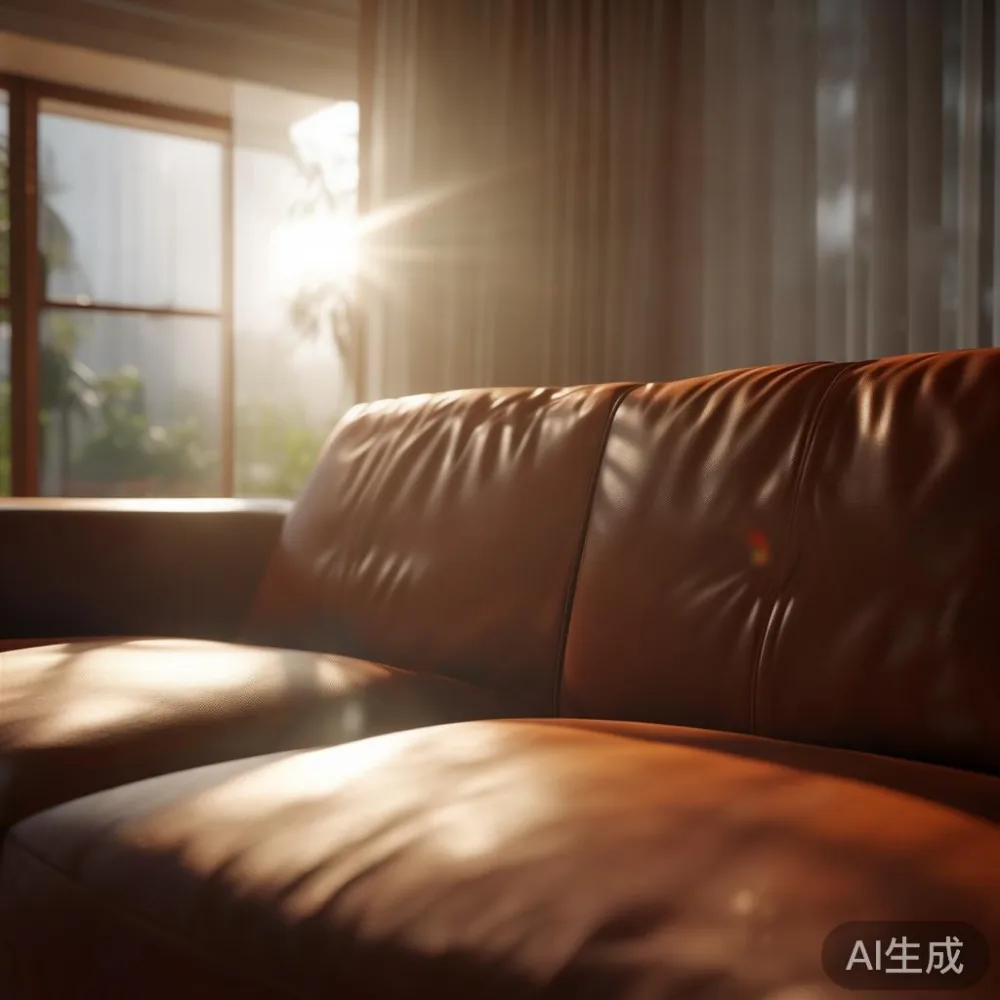
Singapore rarely experiences a dry season, so moisture management is central to caring for a lacquered surface. Keep the leather sofa at least 60 cm from a window with direct sun. Use sheer curtains or UV film where east-facing windows admit morning light. If a balcony faces west, close blinds before the afternoon sun reaches the sofa.
Position the sofa away from air-conditioning vents that blow directly onto it. Repeated airflow can dry lacquer unevenly and encourage cracking along folds. At the same time, do not push the sofa tightly against an exterior wall. Leave 5–10 cm of ventilation space where the layout allows. In a typical 3-room HDB living room, moving the sofa 20 cm away from the wall may improve airflow and make daily cleaning easier.
A hygrometer is inexpensive and useful. Aim for roughly 50–65% relative humidity where practical, and never use a dehumidifier so aggressively that the air falls below 45%. Sudden changes matter more than a perfect reading on 1 day. Place a bowl of dry silica gel near the room if condensation appears, but keep packets and loose crystals away from children and pets.
Post-modern light luxury often mixes pale upholstery with warm woods and reflective surfaces. In that setting, a lacquered leather sofa can provide depth, but pale leather will show dust faster than black or chocolate tones. Wiping every 2 weeks is more suitable than waiting until the surface looks neglected.
How Do You Remove Spills Without Damaging the Lacquer?
Act within 5 minutes. Blot liquid from the surface with a dry white cloth; do not rub. For ordinary water, continue blotting until the mark has disappeared. For a sugary drink, use a cloth barely dampened with water and a small drop of mild, pH-neutral detergent, then remove residue with a clean damp cloth.
Do not use a wet vacuum, household bleach, nail-polish remover, acetone, or conventional saddle soap unless a specialist confirms compatibility. Oil-based stains need particular care. Dab rather than spread them, and avoid heat. Hairdryers can soften or bubble lacquer while the underlying leather releases oils.
If a drink has reached the seams, call a professional leather cleaner and describe the finish as lacquered. A technician can test a discreet panel in under 15 minutes and recommend a coating-safe treatment. Deep restoration may take 3–7 days, depending on drying conditions and access.
What About Scratches, Peeling, and Loss of Shine?
Light scratches can sometimes be reduced with a clean microfibre cloth buffed in small circles for 30–60 seconds. Stop if the area becomes warm or changes colour. A scratch-repair cream designed for coated leather may help, but test it first; filling products can make a repair look darker than the surrounding lacquer.
Peeling is a different matter. If the coating lifts in flakes, do not apply wax, glue, or shoe polish. Photograph the affected area, check the warranty, and contact the supplier or a qualified repair specialist. Keep pets and luggage away from the section while awaiting advice. A 10-year structural warranty may cover frame or construction issues, but surface wear often follows separate care conditions.
Loss of shine may result from residue rather than worn-through lacquer. Clean the area first, then let it dry for 2 hours under indirect light. Avoid commercial polish unless the sofa manufacturer specifies it. Some lacquers are already high gloss, while others are intentionally satin, so matching the wrong polish can create a visible patch.
Can a Lacquered Leather Sofa Fit into a Singapore HDB Flat or Condo?
Measure before ordering. Record the sofa’s maximum depth, width, and height, then measure the lift doorway, corridor turns, and actual entrance. A sofa may fit through a 90 cm doorway if it can be angled, yet block a 75 cm corridor turn. Add 5 cm of handling clearance where possible. Stairwells in older HDB blocks can be narrow, and some corners require the sofa to be separated into modules.
Lift dimensions should be checked with the building management, including door width and cabin depth. A 220 cm three-seat sofa may need to travel upright, on its side, or with legs removed. Deliveries to Tampines, Bedok, and Punggol commonly take 7–14 working days after production and stock confirmation. Traffic or access arrangements can add 2–3 days.
For larger projects, coordinate furniture delivery as one shipment. A solid wood sofa, bed frame, dining table, wardrobe, nightstand, or marble table may share the same delivery route, reducing corridor use and handling time. Coordinate delivery as one shipment where possible, and confirm that the courier can unload within 10–20 metres of the lift. If a narrow route rules out one configuration, ask whether the manufacturer offers split modules.
Compare the design brief as well as the dimensions. Research on Italian light luxury for bedroom can be useful for finish palettes, but room size should determine the final scale. A Modern light luxury dressing table may need 60 cm of clear width, while a marble table benefits from 90 cm around its edges. Similar planning applies when comparing a light luxury bed vs Mid-century modern bed or a Japanese bed vs Nordic bed, especially where doorways and lift access limit the frame size.
How Do You Choose a Lacquered Leather Sofa That Will Age Well?
Ask the supplier for the leather type, coating composition, cleaning code, and approved maintenance products. Good documentation should state whether the finish can accept neutral leather cleaner and whether conditioner or polish is suitable. Keep receipts and care instructions for at least 10 years, matching MIDHILL’s structural warranty period.
Check colour under different light. View swatches in the morning, at night, and beside a warm 2700K lamp. Black lacquer can look blue-grey under cool daylight, while ivory can appear yellow beside wood. Inspect the grain at arm height and beneath cushions, since the least visible side can reveal inconsistencies.
Buyers comparing silhouettes can also research how to choose Japanese sofa. Low profiles may suit compact HDB rooms, but a deep lounge seat can reduce usable circulation space. Ensure at least 75–90 cm remains between the sofa and a dining table in a compact open-plan area. The French light luxury look often favours clean lines and curved arms; American light luxury may use broader proportions and deeper seating. Choose based on body comfort, room access, and finish performance rather than style alone.
Modern Italian light luxury furniture frequently uses lacquer as a controlled highlight against wood or stone. For a coordinated home, ask about coordinated timbers for a bed frame or dining table, but avoid applying one cleaner to every surface. Marble needs a stone-safe product, wood needs its own approved care, and coated leather requires the gentler process described here.
What Routine Should You Keep for the First Year?
Make a simple care station with 1 microfibre cloth for wet cleaning, 1 for dry buffing, a soft-bristle brush, and an approved cleaner. Keep cloths in a sealed bag so they do not attract grit. Clean hands and remove rings before sitting down, particularly with pale lacquer.
During the first 12 months, record the condition monthly. A phone photograph taken from the same angle each month can reveal changes that daylight hides. Note humidity, direct sun exposure, spills, and repairs in a short log. If a defect appears, document it within 48 hours rather than after several additional months of use.
For long-term protection, consider furniture that suits the climate from the outset. MIDHILL is a Foshan solid wood furniture maker established in 2008, with exports to more than 15 countries, a 10-year structural warranty, lifetime refinishing, and a 14-day return policy. These details support ownership, though the lacquered leather sofa still needs the right daily habits. Solid wood construction provides stability, but humidity control and surface care remain the homeowner’s responsibility.
Shipping over US$350 is complimentary under the stated policy, although international freight terms may differ from a local Singapore order. Confirm the final SGD amount, GST treatment, delivery days, and access requirements before payment. For a leather sofa, delivery day matters: leave the package in a dry, ventilated room for at least 4 hours before opening it if it has travelled in humid conditions.
Good lacquer care is measured in small actions rather than dramatic restoration. Dust every 7 days, clean every 30 days, blot spills within 5 minutes, and control direct sun and excess humidity. Used consistently, those intervals can preserve the finish for years while keeping the leather sofa comfortable, reflective, and appropriate to a carefully proportioned Singapore home.