Lacquer, Humidity, and HDB Living: A Practical Guide for Singapore Homes
Last month I visited a client on the 14th floor of a Punggol Waterway Heights executive HDB, and the first thing she showed me was not her new leather sofa but the wardrobe door — a strip of lacquer the size of my palm had turned cloudy white along the bottom edge, about 18 cm from the floor. Her air-con ran at 23 °C, she owned a dehumidifier set to 60 percent, and she still had the problem. The culprit turned out to be a sliding door track that held a thin film of condensation every morning, the kind you only notice if you crouch down. That single 18 cm patch taught me more about lacquered furniture in Singapore than any showroom walkthrough ever has.
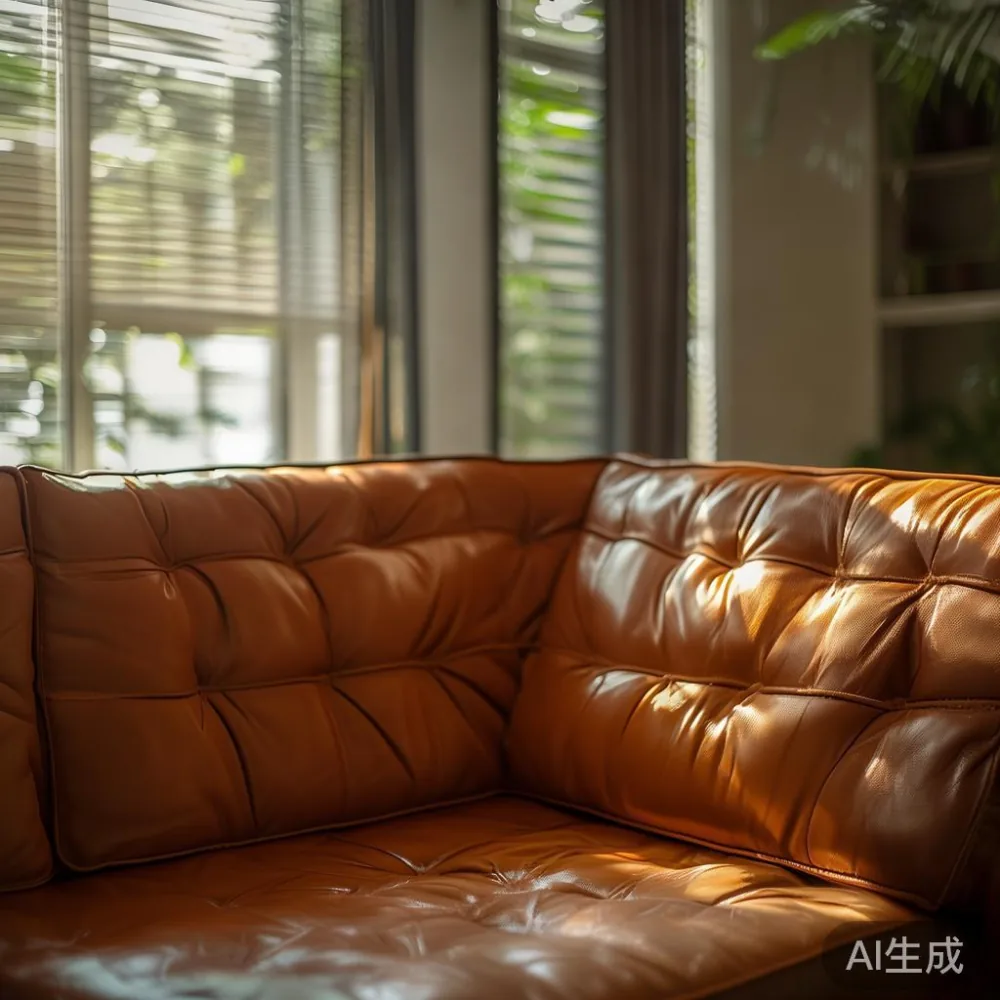
At MIDHILL, where we have shipped solid wood sofa frames, bed frames, dining tables, and wardrobes from Foshan to Tampines, Bedok, and Punggol since 2008, we have learned that a lacquered surface in a tropical climate behaves like a slow-moving barometer. It is not a defect; it is a reaction. With a little vocabulary, a hygrometer that costs around S$12 at any Tampines Mall hardware shop, and a few habits that take under three minutes a day, you can keep a lacquered piece looking new for the 10-year structural life we build into every frame.
Why Does Lacquer React So Strongly in Singapore?
Two numbers explain almost every problem I see in local homes. First, outdoor relative humidity in Singapore averages 78 to 85 percent year-round, and even with the air-con on, interior humidity in a corner HDB unit often sits between 65 and 75 percent between 6 a.m. and 9 a.m. Second, lacquer is a film finish. Whether it is the seven-coat piano gloss on a dining table or the matte open-pore coat on a walnut bed frame, the film is hygroscopic — it absorbs and releases water vapor with the air around it. When the film swells faster than the wood beneath it, you see haze. When it shrinks faster than the wood, you see hairline cracks along the grain.
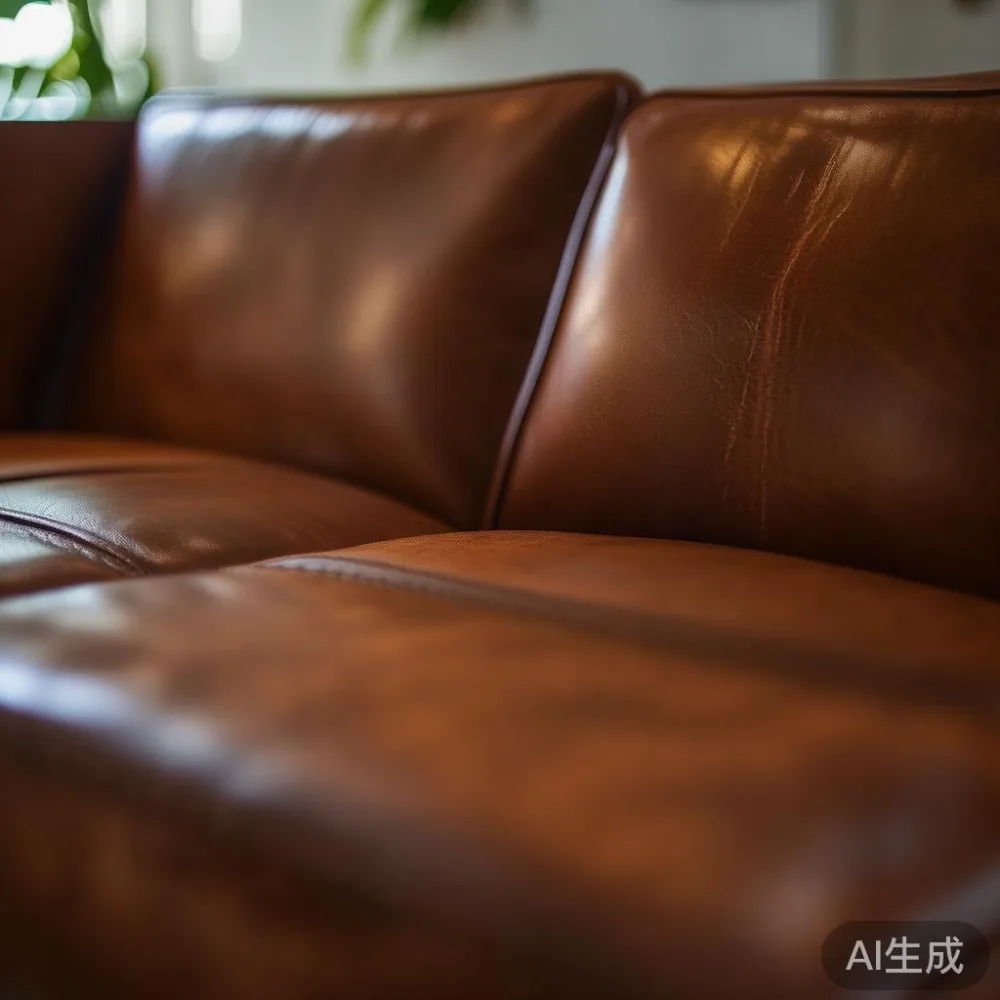
The good news is that lacquered surfaces in our climate rarely fail catastrophically. They usually warn you first. A faint white ring under a flower vase, a tacky feeling on a nightstand top in the early morning, a tiny bubble at the corner of a marble table edge — these are all early signs, and they are all reversible if you act within a week.
How do I choose a minimalist furniture for a study?
Choose a minimalist piece by matching three measurable things before you fall in love with a photo: the room's humidity band, the lift and corridor dimensions on your floor, and the daily use pattern of the surface — and in a Singapore study, prioritize a solid wood bed frame or sofa frame with a matte open-pore lacquer over a high-gloss piano finish, because matte films hide the micro-swelling that 75 percent morning humidity will cause in any sealed wood product.
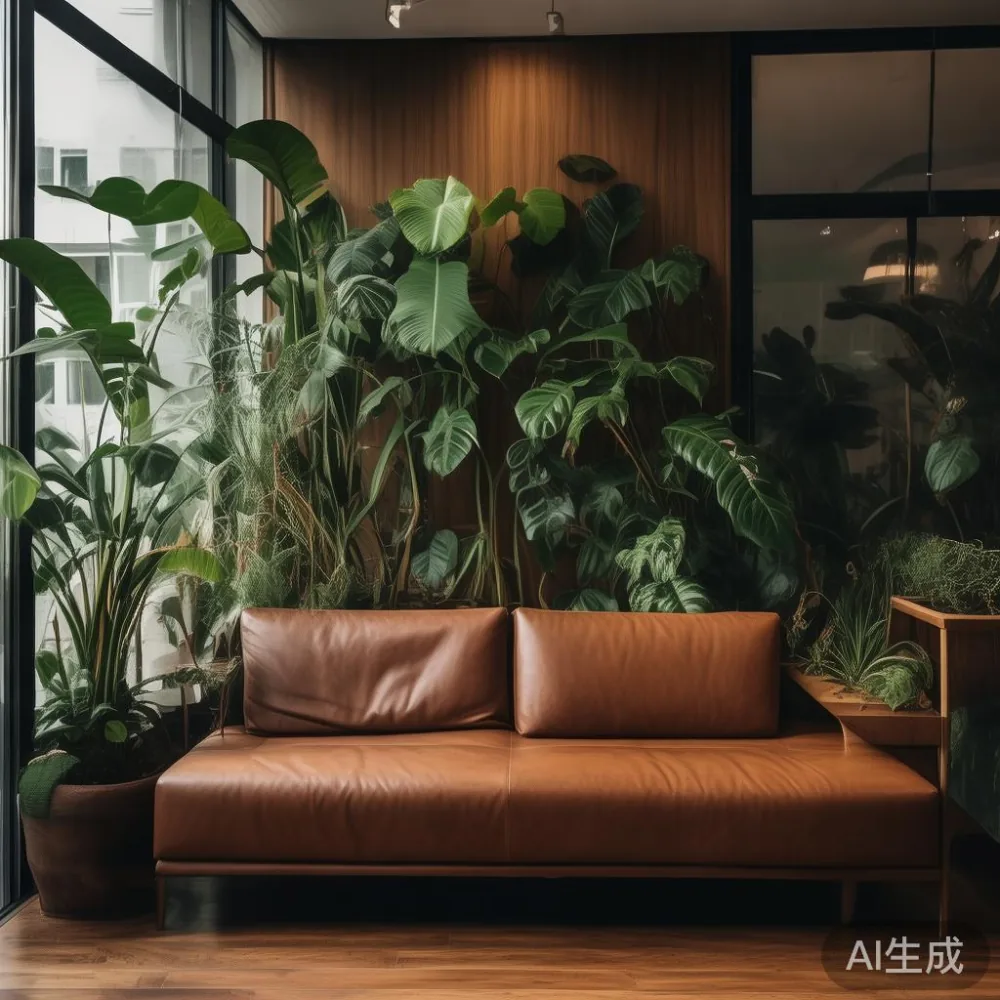
Let me unpack that sentence, because it is the one rule I wish every HDB buyer had in their pocket before stepping into a showroom. The first measurement is humidity. Borrow a hygrometer for 24 hours, place it on your study desk, and read the morning peak. If it climbs above 72 percent, a high-gloss lacquered dining table will show a faint orange-peel texture within four months. A matte lacquered oak desk will not. The second measurement is access. A standard HDB passenger lift internal width is about 1.1 m and depth 1.4 m, with a door opening of roughly 0.9 m. A queen-size leather sofa frame in a box can easily measure 1.45 m on its longest side, which means you should confirm the corridor turning radius (usually 1.2 m at the lift lobby) before you commit. MIDHILL's delivery team in Singapore, for example, will measure your lift, your 7th-floor corridor, and your front door before dispatch — a free service we include on every order above S$480.
The third measurement is use. A study desk that holds a laptop, two coffee cups, and a stack of A4 paper is a wet zone, even if no one spills anything. Cold ceramic cups condensate. Paper off-gases moisture. The safer minimalist choice is therefore a smaller surface — a 120 cm x 60 cm solid wood writing desk in white oak or ash with a satin lacquer, paired with a slim two-drawer nightstand or filing cabinet in the same species, so the wood moves together as the humidity shifts.
Daily Habits That Take Less Than Three Minutes
Most lacquer damage I am called to look at in Bedok and Tampines flats did not happen in one big event. It happened across 200 small mornings. Here is the routine I now recommend to every client, and the same routine our Foshan finishing team uses on the pieces before they leave the factory floor.
Step one: a 30-second dry dust with a microfiber cloth, always with the grain, never across it. Microfiber lifts the fine salt particles that Singapore's air carries in from the Strait of Johor; a cotton cloth just smears them. Step two: once a week, a barely damp cloth — I mean wrung-out twice — followed immediately by a dry pass. Never let water sit on lacquer, even for 30 seconds. Step three: every Sunday, check the hygrometer reading at 8 a.m. If it is above 70 percent, run the dehumidifier for two hours in that room only. The electricity cost is roughly S$0.18 per cycle on a standard 12 L unit, far cheaper than a refinishing visit.
Two more habits save real money over ten years. First, never place a lacquered surface within 60 cm of an east-facing window in a Punggol or Pasir Ris unit. UV is lacquer's quiet killer; it yellows open-pore finishes and micro-cracks high-gloss ones. A simple S$28 sheer curtain from a Bedok Point shop blocks about 70 percent of the damaging band. Second, lift — do not drag — any object across a lacquered dining table or marble table top. The bottom of a ceramic bowl is harder than the film. A felt pad costs about S$0.40 and lasts five years.
Spot Repairs You Can Actually Do at Home
Three problems make up roughly 80 percent of what Singapore customers ask about. Here is the honest fix for each, including what a service call should cost if you decide not to do it yourself.
White heat rings from a cup. Place a cotton cloth over the mark, press a warm iron (medium setting, no steam) onto the cloth for eight seconds, lift, check. Repeat twice if needed. The heat pulls the moisture back out of the lacquer film. If the ring is older than a week, drop a pea-sized amount of toothpaste (plain white, not gel) onto a soft cloth, rub with the grain for 15 seconds, wipe clean, buff dry. Cost: under S$1. A professional refinisher in Singapore typically charges S$80 to S$120 per spot for this same fix.
Tackiness or haze on a wardrobe door. Wipe with a cloth barely dampened with a 1:4 mix of white vinegar and distilled water, then dry immediately. The acidity breaks the surface moisture film without attacking the lacquer underneath. Do this once, never weekly — vinegar is a treatment, not a cleaner.
Fine hairline cracks along the grain of a dining table. These are wood movement, not lacquer failure. Wipe with a cloth lightly misted with a quality paste wax (S$22 to S$35 a tin), let cure for 20 minutes, buff. The wax fills the micro-gap and slows future moisture exchange. If the crack is wider than 0.3 mm or you can feel it catch a fingernail, that is a structural question, not a finish question, and you should call the maker.
What About a Leather Sofa Next to a Lacquered Piece?
This pairing is the most common layout in a three-room HDB, and it deserves a specific note. A leather sofa in a 7 percent to 9 percent moisture content environment will absorb humidity from the air and slowly release it into the room, raising the local microclimate around the nearest lacquered coffee table or sideboard by 2 to 4 percentage points. That sounds tiny, but it is the difference between 68 percent and 72 percent at 7 a.m., which is the exact band where lacquer haze appears.
The fix is spacing, not products. Keep the nearest lacquered surface at least 25 cm away from the back and arms of any leather sofa, and never push a lacquered sideboard flush against the wall behind a leather seat. Air needs to move. If your floor plan is tight — and in a 65 sqm Bedok resale it usually is — choose a leather sofa with a kiln-dried solid wood sofa frame (the kind MIDHILL builds, where the frame is rubberwood or ash at 8 to 10 percent moisture content before assembly) and a lacquered piece that is open-backed or has a 5 cm rear gap by design.
A quick note on cleaning interaction: when you condition a leather sofa with a cream (roughly every six months), drape a cloth over the nearest lacquered surface for the 40 minutes the cream needs to absorb. One stray drop of leather conditioner on a piano-gloss dining table will etch the film in under an hour. I have seen this on a French light luxury inspired sideboard in a River Valley condo, and the repair quote was S$340. The cloth would have cost S$3.
Delivery, Access, and the First 30 Days
The first month in a Singapore home is when lacquer either settles in for a decade or starts a slow decline. Three actions during this window matter more than any later care.
First, on delivery day, do not place the piece against an external wall. New HDB walls in Punggol and Sengkang can hold construction moisture for months. Give the piece 7 to 10 days in a well-ventilated, air-conditioned room so its wood moisture content equilibrates to your specific indoor climate. Second, keep the original foam packaging for at least 30 days. If you ever need to claim under warranty, our 10-year structural warranty requires evidence of the original packaging for transit damage cases. Third, register the warranty online within 14 days. We send a small care kit — a microfiber cloth, a wax tin, four felt pads — to every Singapore customer who registers, regardless of whether the order is a S$1,200 nightstand or a S$4,800 champagne walnut king bed.
Speaking of that bed, a champagne walnut king bed is one of our most-shipped pieces to local condos because the open-pore matte lacquer on walnut forgives the small humidity swings that a gloss finish punishes. Pair it with a 45 cm nightstand in the same species, leave 8 cm of breathing space behind the headboard, and you have a setup that will look the same at year ten as it did on delivery day. We ship free to all Singapore addresses above S$480, with GST included in the quoted price and a 14-day return window if the piece does not suit the room.
When to Call a Maker Instead of YouTube
Some lacquer behaviours look alarming but are cosmetic, and some look minor but are structural. Knowing the line saves you both money and a sleepless night.
Call a professional if you see any of the following: lacquer peeling in sheets (not flaking) along a table edge; a continuous crack longer than 10 cm running with the grain; any dark staining under the lacquer film, which usually means water has reached bare wood; or a wardrobe door that no longer closes flush at the top after the first humid week. These are warranty conversations, not cleaning conversations. A good maker will offer a lifetime refinishing service for the original customer, which in our case means we collect, refinish in our Foshan workshop, and redeliver for a flat S$280 per piece anywhere in Singapore — a price that has not changed since 2018.
You can handle alone if you see white rings, light tackiness, fine surface dust that will not wipe off, or micro-bubbles smaller than 1 mm. All four respond to the routine described above within two weeks.
Closing Notes on Light Luxury and Long-Term Thinking
Whether your taste runs to French light luxury with its restrained proportions and pale oak finishes, American light luxury with its wider seats and warmer walnut tones, or post-modern light luxury with mixed materials and softer curves, the lacquer conversation is the same. A 5 percent swing in humidity is invisible to your body and very visible to a film finish. Buy a S$12 hygrometer, build the three-minute routine, and your furniture will outlive three smartphones and at least two sets of curtains.
After 15 years of exporting from Foshan to more than a dozen countries and counting, the pieces that age most gracefully in Singapore homes are not always the most expensive. They are the ones whose owners understood what the wood and the film were doing at 7 a.m. on a humid Tuesday in Tampines. That understanding, more than any single product, is what makes a home feel quietly, durably, and honestly finished.