Leather Sofa: Understanding Singapore Furniture Warranties
I still remember standing in a Tampines HDB lift last month, watching two delivery men try to angle a 2.4-metre sofa frame past the stainless-steel door. The lift cabin measured roughly 1.1 m deep by 1.4 m wide, and the piece they were wrestling had been sitting in a Jurong warehouse for six weeks because the original buyer assumed her warranty covered "delivery issues." It did not. The clause covered structural defects only, and a scratched corridor wall did not qualify. Watching them sweat, I promised myself I would never again buy a leather sofa, a bed frame, or a dining table without reading the warranty the way I read a tenancy agreement: slowly, and with a highlighter.
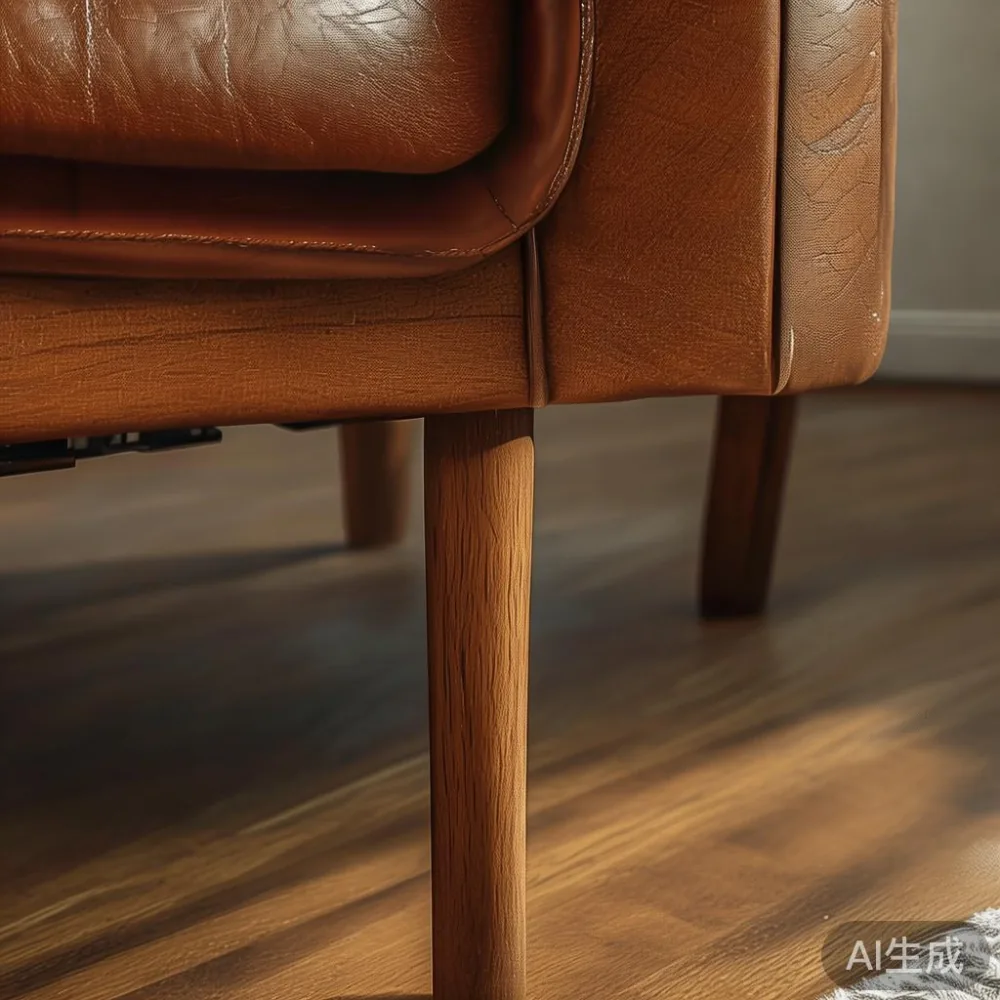
This guide is written for Singapore buyers, particularly those furnishing BTO flats in Punggol, resale units in Bedok, and newer condos in the Bukit Timah corridor, where lift sizes, corridor widths, and ceiling heights quietly dictate what is even deliverable. A warranty is not a marketing promise. It is a contract. And like any contract, the small print decides whether you pay nothing or you pay for the courier, the repair, and the GST on top.
Why a "10-Year Warranty" Usually Means About Three Useful Years
Headlines love round numbers. A 10-year structural warranty sounds generous until you read what "structural" means. In most contracts I have reviewed, the term covers only the wooden frame of a sofa, the internal carcass of a wardrobe, or the load-bearing rails of a bed frame. Stitching on a leather sofa, drawer runners on a nightstand, the marble top on a dining table, and the hydraulics on a lift-top coffee table are typically capped at 6 to 12 months. That is fine if you understand the tiering before you pay the deposit.
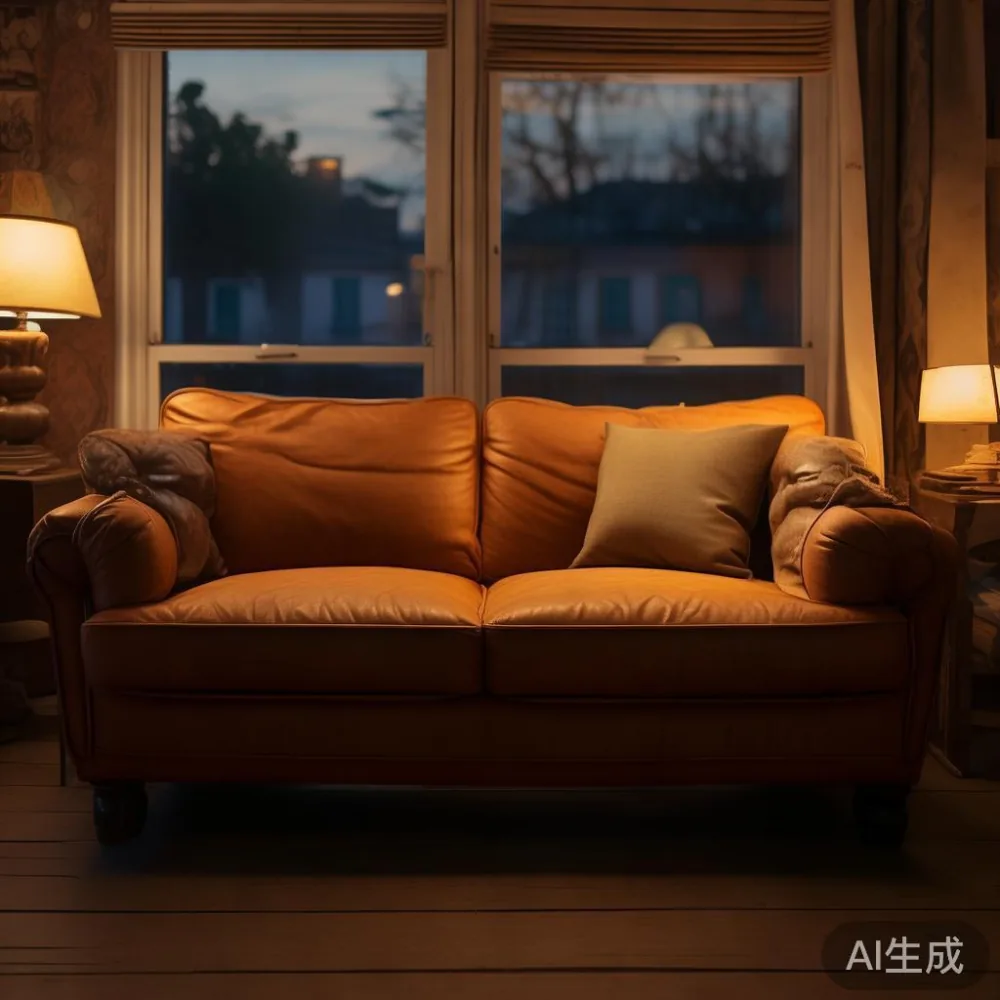
For context, a solid wood sofa made from rubberwood or ash, imported under brands that lean toward French light luxury or American light luxury design, will usually carry a frame warranty of 8 to 10 years and a leather warranty of 2 to 3 years. The catch is that "leather" is rarely one material. A top-grain leather sofa might be paired with split leather on the sides and bonded leather on the back cushions, and each zone can have a different coverage window. If the invoice simply says "leather sofa, 2-year warranty," assume only the seating cushions count.
MIDHILL publishes a tiered breakdown like this on its invoices, which I appreciated when comparing quotes for a client in Bedok. When the line items read frame — 10 years, top-grain leather — 3 years, foam — 2 years, hardware — 1 year, you know exactly which component to argue with if a spring pops in year four.

What Does the Warranty Actually Cover on a Leather Sofa?
On a leather sofa, three failure zones dominate warranty claims worldwide: frame cracking, foam collapse, and leather peeling. Let me unpack each.
Frame cracking. A solid wood sofa frame built from rubberwood, oak, or beech should not crack under normal use for at least a decade. If it does, the cause is usually either kiln-drying failure (the wood was not dried to under 10% moisture content) or a thin dowel joint at the stress point. A warranty should replace the affected sub-frame, not the whole sofa, and should cover the labour. Read for the word "pro-rata" — if you see it, the brand may only pay a percentage of the replacement cost after year three.
Foam collapse. Density matters more than the brand name on the foam. Anything below 28 kg/m³ will look tired by month eighteen. A reasonable warranty covers foam that loses more than 15% of its height within 24 months. If the brand does not state a density figure, you are buying blind.
Leather peeling. This is the most common claim in Singapore, thanks to our 32°C afternoons and 80% humidity. Top-grain leather does not peel; it patinas. If the surface layer is flaking, the hide was probably split leather or a polyurethane-coated bonded leather mislabelled as "genuine." A warranty that covers peeling within two years is a strong signal the supplier trusts its tannery. A warranty that excludes peeling entirely is a strong signal you are looking at bonded leather.
One Singapore retailer I visited in the Tai Seng area last month showed me a French rubberwood missing parts incident from a competitor shipment — a dining table missing a centre leaf because the packaging team in Vietnam skipped a QC step. The buyer's warranty covered the missing part, but the courier surcharge for redelivery from the factory was on the buyer, and that came to S$180 before GST. Worth asking: does your warranty include logistics, or only the part?
How Do Singapore Lift and Corridor Sizes Affect Your Warranty Rights?
This is the question most buyers forget to ask, and it is the one that decides whether your sofa even makes it through the door. A standard HDB lift in a BTO like those in Punggol Northshore is roughly 1.1 m deep, 1.4 m wide, and 2.3 m high inside the cabin. The door opening is usually about 0.9 m wide and 2.1 m tall. A leather sofa with a 2.3 m chaise module will physically not fit, no matter how many times you tilt it.
Corridors are tighter. Many older HDB blocks in Bedok and Tampines have shared corridors around 1.2 m wide, with a sharp 90-degree turn at the lift lobby. A 2.6 m L-shaped sofa will not work through that turn, and the warranty will not pay for the gouge in the plaster wall. Some brands offer a free on-site measurement before dispatch; ask whether the measurement is a contractual condition of delivery. If it is, the brand carries the risk. If it is a "courtesy," you do.
For private condos, lift cabins are often larger (1.6 m × 1.8 m is common in newer developments), but service lift access may be restricted to specific hours. Confirm whether your warranty's delivery promise includes after-hours or weekend lifts, because the standard 9-to-6 delivery window rarely suits a working household.
Is a Side Table Worth the Price?
A side table is worth the price only if the warranty treats it as a piece of structural furniture, not as an accessory with a 30-day defect window. Most side tables under S$400 in Singapore carry a six-month warranty on the top and a one-year warranty on the base, but marble tables are an exception. A marble table top can hairline-crack from thermal shock if you place a hot pot directly on it, and that is universally excluded. If the price you are paying exceeds S$900, the warranty should cover marble chipping from normal use for at least 12 months, and the base — whether solid wood, iron, or stainless steel — should be warrantied separately for two years. Anything less, and the side table is decorative, not structural.
What About Bed Frames, Wardrobes, and Dining Tables?
Bed frames fail in three places: the slats, the centre rail, and the hydraulic lift (if storage). A 10-year warranty should cover all three for the full term, with slats specifically called out because they take the most fatigue load. Centre rails under 60 mm wide will bow by year five; a good warranty specifies the rail dimension, not just the material.
Wardrobes are usually modular, and warranties get awkward here. A 2.4 m wardrobe across three HDB panels may carry a 10-year warranty on the carcass but only a 2-year warranty on hinges, drawer runners, and soft-close mechanisms. That matters because Blum and Hettich runners — the two brands most Chinese factories fit — carry their own 10-year or lifetime warranties from the component maker, but the furniture brand has to register them. Ask: is component registration included?
Dining tables made of solid rubberwood or ash, especially those with a post-modern light luxury silhouette (tapered legs, rounded corners, a 12 mm marble or sintered stone insert), should carry a 5-year warranty against warping. Solid wood moves with humidity, and Singapore's monsoon swings can push a tabletop to cup or bow by 2 to 3 mm if the kiln-drying was sloppy. Anything above 3 mm deviation is a defect; anything below is a feature of the material. The warranty should state the tolerance.
Which Warranty Clauses Should Make You Walk Away?
Three red flags, and I have seen all of them in Singapore showrooms this year.
1. "Warranty void if assembled by third party." If you cannot hire your own handyman to build a nightstand or a wardrobe without losing coverage, the warranty is theatre. Reasonable brands allow self-assembly as long as the defect is manufacturing-related.
2. "Pro-rata after year one." Pro-rata is fair on consumables like leather and foam. It is predatory on frames and hardware. A frame either cracks or it does not, and the cost of replacement does not decrease with age.
3. "Shipping and handling not included." In Singapore, a single furniture delivery from Jurong to Punggol costs S$80 to S$150. A warranty that covers only the part and not the trip is, in practice, a 50% discount on your claim. Look for wording that says "including on-site service within mainland Singapore" or "including logistics for warranty claims."
MIDHILL's published terms, for example, state that warranty service trips within Singapore are absorbed by the brand for the first five years on structural components, which is closer to the consumer-friendly end of the spectrum. Most competing brands I checked simply exclude logistics entirely.
How Do Refunds, Returns, and Refinishing Actually Work?
Singapore's Consumer Protection (Fair Trading) Act gives you a baseline: goods must be of acceptable quality and fit for purpose. Beyond that, individual brands set their own policies. A 14-day return window is now standard for online furniture purchases, but read whether the item must be unopened, unsembled, or simply unused. A leather sofa that has been sat on for four days is usually not returnable, even if the colour does not match your HDB tiles.
Refinishing is a separate, often overlooked, benefit. Brands that offer lifetime refinishing on solid wood pieces are acknowledging that wood is a living material. A dining table that gets a scratch during a Punggol housewarming does not need a warranty claim; it needs a sander and a coat of oil. Ask whether refinishing is free, paid, or capped at a certain number of times. Free and unlimited is rare; free for the first three years is reasonable; paid from day one is a marketing line with no real value.
How Should You Document Your Purchase for a Smooth Claim?
Take three steps on delivery day. Photograph the box from four sides before opening. Photograph the assembled piece against a wall with a measuring tape visible. Photograph the invoice, the warranty card, and the component batch stickers if the item is modular (wardrobes and dining tables often have them on the underside). Email these to yourself the same day. Cloud storage is fine; WhatsApp to yourself is not, because phone migrations lose chat history.
Keep the original packaging for at least 30 days. If you need to return a leather sofa because the dye lot does not match the showroom swatch, the courier will reject the piece without the carton. This is true across the industry, not just for premium brands.
Finally, register the warranty if the brand offers it. Some Chinese factories exporting to Singapore now include a QR code on the warranty card that links to a portal where you input your address and invoice number. MIDHILL does this, and the registration triggers an automatic email confirmation that doubles as your proof of purchase if the paper invoice is lost during a move.
What Is the One Question You Should Ask Before Paying the Deposit?
Ask, in writing: "In the event of a manufacturing defect in the structural frame within five years, what is the total cost to me, including transport, labour, and GST, expressed in Singapore dollars?" If the salesperson cannot answer with a number, the warranty is not what you think it is. If they quote you a figure above S$200 for a basic claim, the brand is using the warranty as a marketing line, not a service commitment.
A good warranty reads like a short, honest paragraph. A bad warranty reads like an insurance product, full of conditions and exclusions. Trust the paragraph. Furniture is bought to be lived on, not to be litigated. And if your sofa does not fit the lift in Tampines, no warranty in the world will refund the S$120 courier redelivery you did not budget for.