Managing Humidity with Solid Wood in Singapore
Singapore’s warmth and humidity can be pleasant outside, but they place a steady demand on timber, veneer, leather and cabinet fittings. In a compact HDB flat, a solid wood sofa may occupy 210 cm of living-room width, while a dining table with six chairs can demand at least 160 cm around its perimeter. Moisture movement is therefore not a remote factory concern; it appears wherever furniture meets an air-conditioned room, an exterior corridor or a lift lobby.
This guide explains how tropical humidity affects solid wood furniture, what homeowners in Tampines, Bedok and Punggol can do, and how to judge products, dimensions and delivery arrangements. MIDHILL has manufactured solid wood furniture since 2008 and exports to more than 15 countries, so its approach to moisture control, structural warranty and after-sales care is especially relevant to Singapore’s conditions.
Why does Singapore humidity affect solid wood furniture?
Wood is hygroscopic: it absorbs moisture when the surrounding air is humid and releases it when the air becomes drier. A practical interior target is about 45–55% relative humidity, with moderate seasonal variation. A bed frame may expand around 2–4 mm across its width during a strong moisture cycle, while a dining table top can gain or lose several millimetres in length. Repeated swelling and shrinking can loosen joints, open small gaps and cause veneer or lacquer to check.
Singapore’s relative humidity frequently reaches 70–85% during wet periods, and the difference between a corridor and an air-conditioned flat can be substantial. Air-conditioning often brings indoor humidity below 60%, but an apartment without a bedroom unit can remain close to outdoor conditions for much of the day. The result is a daily cycle rather than a single dramatic change.
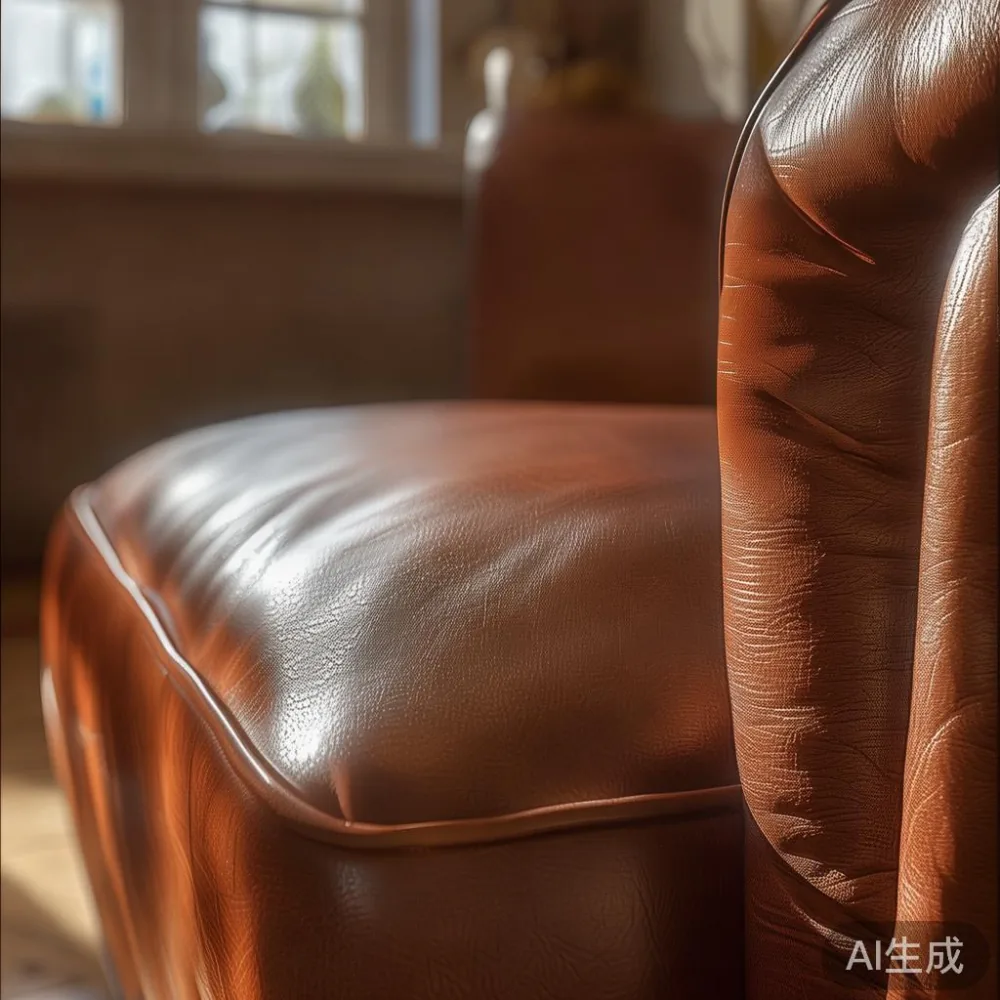
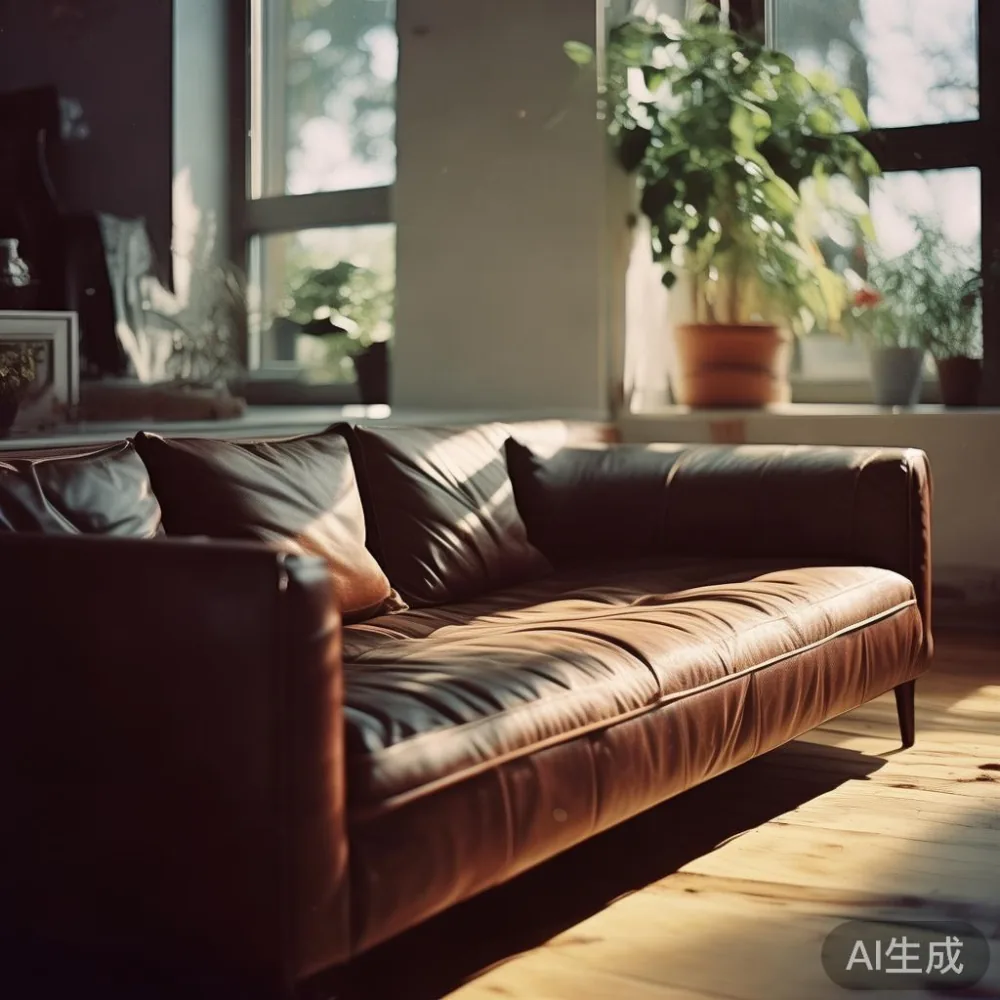
The same moisture movement affects a solid wood sofa indirectly through its timber frame, floor contact and adjacent cabinetry. A leather sofa with a kiln-dried hardwood frame can remain stable if it is kept away from persistent dampness, but a frame that swells inside a tight fitted corner may press against a wall or skirting board.
How much space should you allow for furniture in an HDB flat?
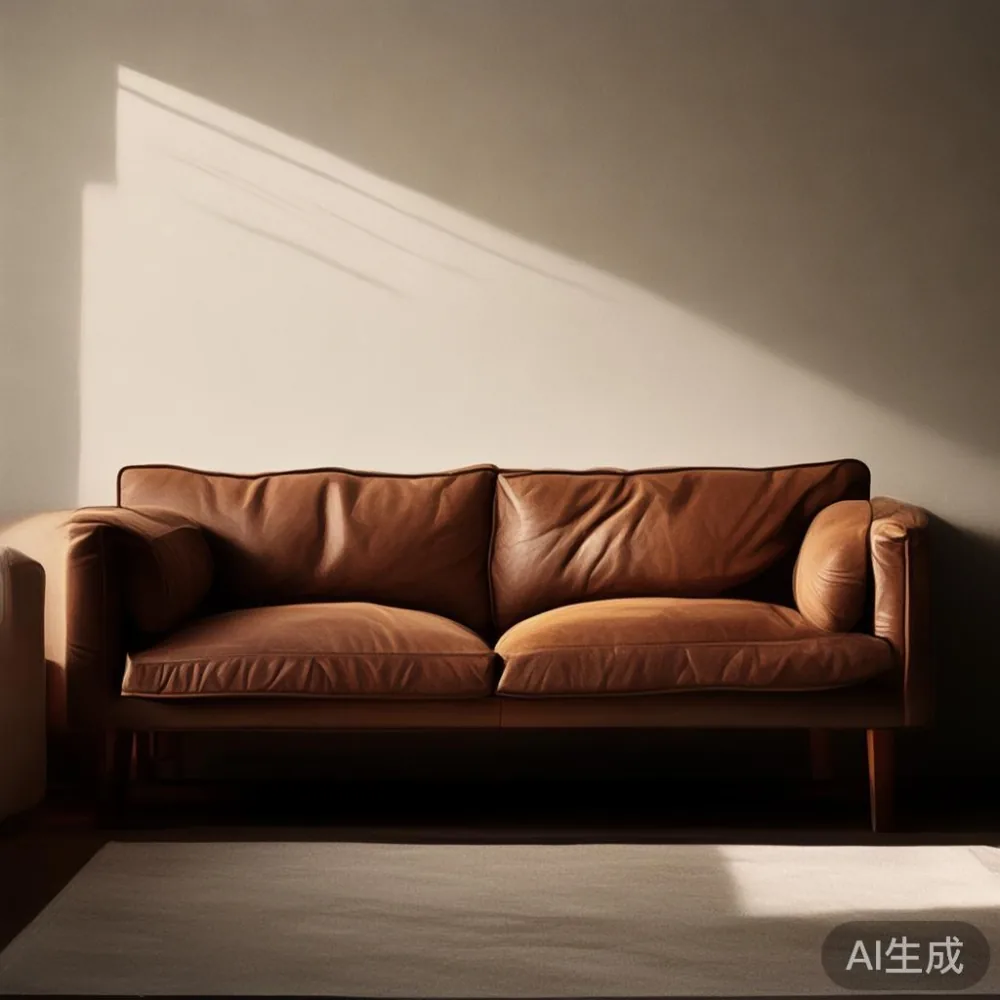
Clearance is as important as humidity. Leave at least 5 cm between the rear of a dining chair and the wall when possible, 8–10 cm behind a bed frame for skirting access, and 3–5 cm around a wardrobe where floor moisture and cleaning are concerns. Do not push a solid wood sofa tightly against an exterior wall. A gap of 5–8 cm helps air circulate and gives you a measurable buffer during wet weather.
For lifts and corridors, measure the route before ordering. Compare the packaged dimensions with the lift car’s internal width and depth, account for the doorway diagonal, and check whether turns require the package to be tilted. A boxed dining table 180 cm long and 95 cm wide may fit a standard open HDB lift at an angle, but the same carton may not clear a narrow condominium service corridor. Add at least 10 cm of maneuvering tolerance rather than relying on a perfect 90-degree turn.
Weight matters too. A solid oak dining table may weigh 65–90 kg, while a larger bed frame can reach 75–110 kg. Check the lift’s posted capacity, normally around 600–1,000 kg, and arrange at least 2 people for a heavy table. Protect corners with 2 mm rubber or felt pads, use a moving blanket, and avoid dragging furniture across 20 mm ceramic tiles.
Should you choose solid wood instead of MDF or plywood?
Solid wood responds visibly to humidity because its grain continues to move with moisture changes. Engineered panels can be dimensionally more controlled, but their edge banding, screw joints and surface finishes still age in damp conditions. Neither material is moisture-proof. Solid timber is attractive, repairable and suitable for a post-modern light luxury or American light luxury interior, provided that its specification and care are handled properly.
Ask for kiln-dried timber with a documented moisture range near 8–12% for normal Singapore indoor use. Be cautious with vague claims. A retailer should be able to explain species, finish, frame construction and tolerances. For a dining table, look for breadboard ends that allow controlled expansion, mortise-and-tenon or dowelled joints, and a finish applied to all relevant faces. For a bed frame, inspect the centre rail, slat supports and fixings rather than focusing only on the visible headboard.
A wardrobe should have adjustable feet, a 10–15 mm plinth setback where feasible and doors designed to open without forcing them in humid conditions. A nightstand should have sealed edges and raised feet. A marble table needs a support system sized to the slab; an unsupported 12 mm marble top can crack during handling even when the room is dry.
What can I do to protect a leather sofa in humid weather?
Keep the leather sofa away from windows that receive direct rain, laundry-room steam and bathroom moisture. Maintain indoor relative humidity around 45–60%, ideally with a calibrated hygrometer placed in the room rather than near the air-conditioner outlet. Clean leather with a soft, lightly damp cloth, test an unfamiliar product on a hidden 10 cm section, and dry the surface within 20 minutes. Avoid silicone-heavy conditioners, which can trap dirt and alter the leather’s appearance.
Use breathable cushioning under leather seat cushions and rotate loose cushions every week. Check that the sofa’s timber feet do not sit in a puddle or against a wet skirting area. If you need to move the sofa, lift it rather than pushing it across the floor; dragging can twist the frame and compress the floor protectors.
Product choice should be considered alongside the room. The question “is French provincial sofa worth it” is often asked by buyers drawn to carved timber and pale upholstery. It can suit a French light luxury living room, but carved details demand more careful dust control, and pale leather marks more readily than dark leather. A modular solid wood sofa may be more practical for a 90–110 cm HDB living room.
How do you style a French wardrobe in room?
Knowing how to style French wardrobe in room starts with scale and restraint. In a Tampines flat with a 250 cm wall, a 180–200 cm wardrobe may leave only 25–35 cm on either side, which can feel compressed. An open display niche 12–15 cm deep can soften the mass without narrowing the walking route. Choose warm timber, matte hardware and fewer decorative objects than you would place around an entire wall.
Keep shoes and damp towels outside the closed wardrobe. Place a moisture-absorbing product in the interior if the room regularly exceeds 65% humidity, but do not use strong-smelling chemicals near clothing. Test that doors open through at least 90 degrees, and avoid placing the wardrobe directly opposite an exterior wall where condensation is possible.
For renters looking for a different design direction, the phrase “best Boho wardrobe for 2026” may appear in social posts, but material and fit should lead the decision. A Boho appearance can be created with woven baskets, neutral textiles and curved timber handles, yet the cabinet still needs stable feet and moisture-conscious construction. Keep ventilation gaps at the side and top when the manufacturer specifies them.
What should you check before delivery?
Before delivery day, confirm the item’s final dimensions, the lift capacity, route measurements and whether stairs are involved. Singapore deliveries commonly take 7–14 days for in-stock configurations, while custom pieces may require 30–60 days. Ask for a delivery window rather than a vague date. For a lift move, reserve the service lift if building management requires it and check whether the move-in slot has a 30- or 60-minute limit.
At receipt, inspect the solid wood sofa, bed frame or dining table in good light. Look for loose joints, chips, scratches and finish bubbles. Photograph the packaging and furniture before assembly. Furniture should not be placed against walls for the first 24 hours if it has been transported through humid conditions or stored in an unventilated container; let the surface air out under normal indoor humidity.
Check the invoice for the 10-year structural warranty, lifetime refinishing service and 14-day return terms. Online purchases over US$350 qualify for free shipping, although the equivalent local threshold should be confirmed in SGD because taxes, freight and payment conversion can alter the final amount. Singapore’s 9% GST should appear clearly on the invoice.
How do light luxury pieces fit into a humid Singapore home?
Light luxury works best when materials, proportions and maintenance are aligned. A Modern light luxury TV console may combine solid timber, restrained metal details and closed storage, reducing visible clutter in a compact flat. Keep a 10 cm clearance for cables and ventilation, and do not place the console against a damp exterior wall. If it includes a marble table surface, ask how the stone is supported and how it will be serviced after movement.
A French light luxury bed frame can suit an HDB bedroom, but its upholstered headboard should remain at least 5 cm from a wall if cleaning access matters. The comparison “light luxury bed vs Mid-century modern bed” is less about humidity than structure: the former often emphasizes padded forms and symmetry, while the latter favors exposed joinery and tapered legs. In both cases, inspect the slat spacing, centre support and floor contact points.
For dining, European light luxury dining table styling can be achieved with a European light luxury dining table in light oak or walnut, paired with 2–3 textured accessories rather than a crowded display. A European light luxury dining table around 180–200 cm seats 6 comfortably; allow 90 cm behind each occupied chair, or 75 cm in a constrained route. A round 120–140 cm table can improve circulation at a condominium dining area with a 150 cm opening.
Those searching for a MIDHILL bed should review the actual construction, dimensions and warranty rather than infer quality from a photograph. Request details on timber species, moisture preparation, centre-rail load capacity and finish. If a queen bed measures 155 cm by 205 cm, confirm that the mattress is also 155 cm by 205 cm and that the frame fits the lift route.
What happens if timber movement creates a small gap?
First, identify the cause. A gap of 1–2 mm may be normal seasonal movement in a solid wood panel, especially after a humid-to-dry transition. A gap of 3 mm or more, a skewed door or a joint that no longer meets cleanly should be documented and referred to the maker. Do not fill movement gaps with ordinary caulk, because rigid filler can split a tabletop or trap moisture at the joint.
Adjust the room gradually. Use the air conditioner or dehumidifier to bring relative humidity back toward 50–55%, allow the furniture 7–14 days to stabilize, and avoid rapid temperature changes. A small dehumidifier may consume roughly 200–400 watts per hour depending on its setting and collect 10–20 litres over a day under humid conditions. Choose a model with a humidistat rather than operating it indiscriminately.
For restoration, use the finish specified for the product. A refinishing service can sand a damaged surface and restore the original appearance, but generic paint can change color, texture and repairability. Keep a maintenance log with humidity readings, movement notices and photographs. This record helps distinguish a seasonal change from assembly or structural damage.
How can you tell whether a furniture maker understands tropical conditions?
Look for specific answers about moisture content, timber movement, joinery and service. A credible maker should explain where its solid wood furniture is finished, how pieces are acclimatized and what warranty exclusions relate to indoor humidity. It should also offer practical measurements, not just lifestyle images.
My colleague visited a Singapore apartment in Bedok last month to examine a solid wood dining table that had been kept near a sliding door. A calibrated meter showed 76% humidity beside the balcony opening and 53% near the air-conditioner. The tabletop’s joint had opened by about 2 mm. After the sliding door was closed, the room was held near 55% for 14 days, and the joint closed without filler. That observation confirmed that controllable room conditions mattered before any invasive repair.
MIDHILL’s 10-year structural warranty and lifetime refinishing policy provide a clear route for genuine defects and surface renewal. Its 14-day returns policy also allows buyers to assess scale and finish at home, subject to the stated conditions. Since establishment in 2008 and exports to more than 15 countries, MIDHILL has experience with differing climates, although Singapore-specific care still depends on the final placement in each home.
What is the practical humidity-control routine for Singapore homes?
Use a hygrometer in the main living area, bedroom and any room without air conditioning. Check readings at the same time each morning and evening for 7 days. Aim for roughly 45–60% relative humidity, and act before the reading remains above 65% for several days. Air-conditioned rooms generally need less intervention; open corridors and unconditioned balconies need ventilation and dust control.
Wipe moisture from windowsills, keep planters on trays and use coasters beneath drinks. Place the solid wood sofa and bed frame away from exterior walls where practical. Inspect a leather sofa every month for damp cushions, mold marks or musty odors. Check the dining table’s underside after rain, and ensure wardrobe and nightstand feet remain dry.
For deliveries, reserve the lift, measure the route and protect corners. A 2-person move may suit a nightstand under 25 kg, while a 65–90 kg dining table generally needs 3–4 people or professional movers. Confirm the packaged dimensions, delivery days, assembly requirements and lift booking before the vehicle arrives.
Humidity does not make solid wood furniture unsuitable for Singapore. It makes responsible placement, accurate construction and regular attention more important. Stable indoor conditions protect joints and finishes, preserve the character of timber and allow leather upholstery to remain comfortable. With the right measurements, care routine and warranty support, a solid wood sofa, bed frame, dining table, wardrobe, nightstand or marble table can serve a Tampines, Bedok or Punggol home for many years.