How Southeast Asian Humidity Affects Wood Furniture—and How to Protect It
Singapore’s climate can change the appearance of solid wood furniture faster than many owners expect. In a Tampines HDB flat, a dining table near an open window may experience noticeable daily moisture changes. The same table in a Punggol condo could face longer periods of still, humid air, especially when air-conditioning is switched off overnight. East-facing Bedok bedrooms can receive warm morning light as well as damp coastal air, creating two separate risks: heat and humidity.
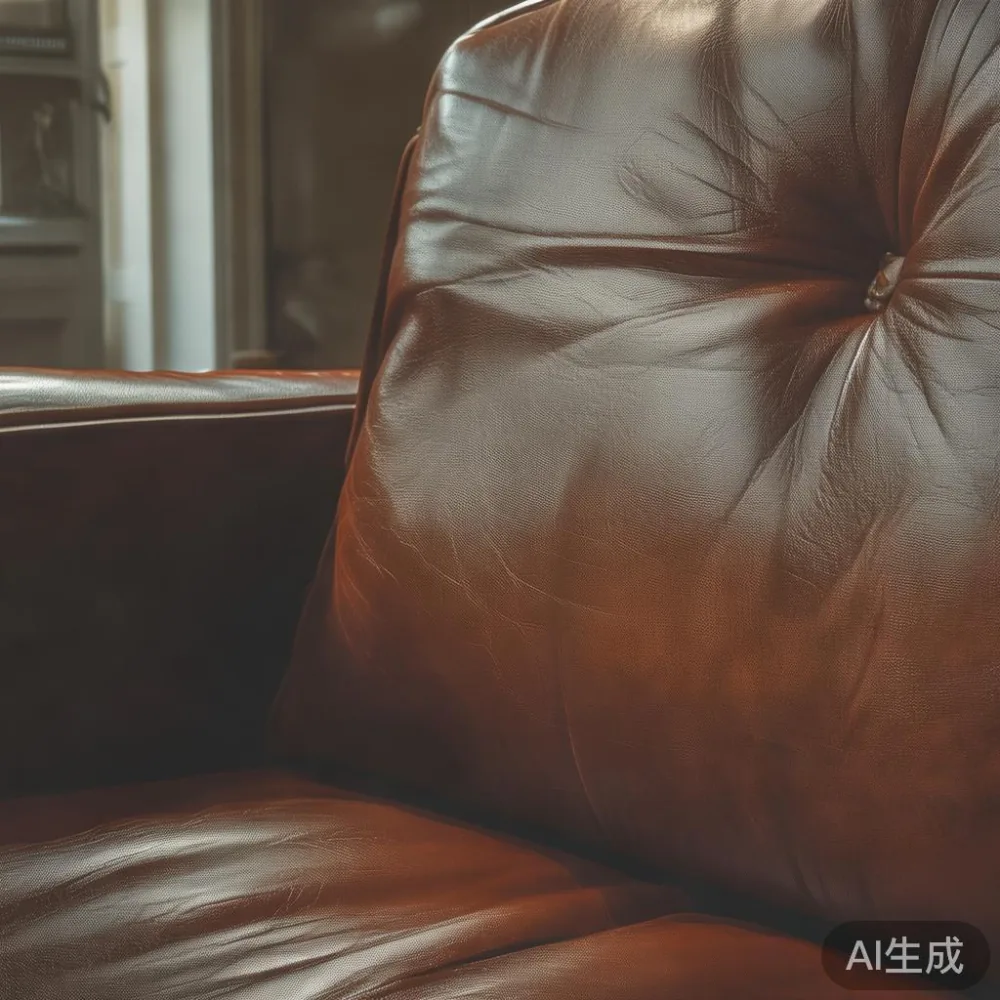
Humidity does not automatically ruin furniture. It causes wood to absorb moisture, expand, contract, check or warp if that movement is uneven. Leather also responds to dampness: a leather sofa can develop a tacky surface, musty odour, mildew spotting or edge moulding if condensation and poor ventilation are allowed to persist.
As a furniture specialist at MIDHILL, a Foshan solid wood furniture maker established in 2008, I have seen this pattern repeatedly. Customers often blame tropical weather, when the more accurate issue is a combination of high relative humidity, abrupt temperature shifts, tight delivery routes and insufficient drying space. The practical solution is controlled acclimatisation, sensible placement and regular care—not panic about every humid afternoon.
What humidity actually does to solid wood furniture
Wood is hygroscopic. It continually exchanges moisture with the surrounding air. The movement is measured in percentage points of moisture content, not in total water poured onto the surface. A solid oak dining table may be made at approximately 8% moisture content for a dry indoor climate, while humid Southeast Asian conditions can push its surface moisture content above 18% for periods of time.
Relative humidity is expressed as a percentage. An indoor reading of 60% is generally a useful target for most wood furniture in Singapore; a range of roughly 45% to 65% limits unnecessary expansion and contraction. During monsoon periods, outdoor relative humidity can reach 90% or more. Warm, moisture-laden air entering an apartment may carry that moisture into a room, particularly at night when doors and windows remain open.
When wood swells, it does so across its width as well as its thickness. A 180 cm long solid wood dining table can visibly gain several millimetres across its grain. If one side is exposed to humid air while the underside remains dry, the top can cup upwards. Veneer can also move, although the cross-sectional construction of a solid wood dining table makes its behaviour easier to understand and repair.
Seasonal movement is normal. The concern is a rapid cycle: humid day, aggressively air-conditioned afternoon, dry night. Such repeated movement can open minute joints, stress solid wood bed frame rails and contribute to joint loosening in a wardrobe or nightstand. Delamination, mould and coating failure are separate problems, usually connected to persistent moisture rather than ordinary seasonal movement.
Concrete thresholds matter. A hygrometer placed near—not directly against—your furniture should ideally remain between 45% and 65%. Readings above 70% for many hours call for ventilation and moisture control. Readings below 40% can cause excessive shrinkage, especially in winter air from an air-conditioner.
How should I protect a leather sofa from Singapore humidity?
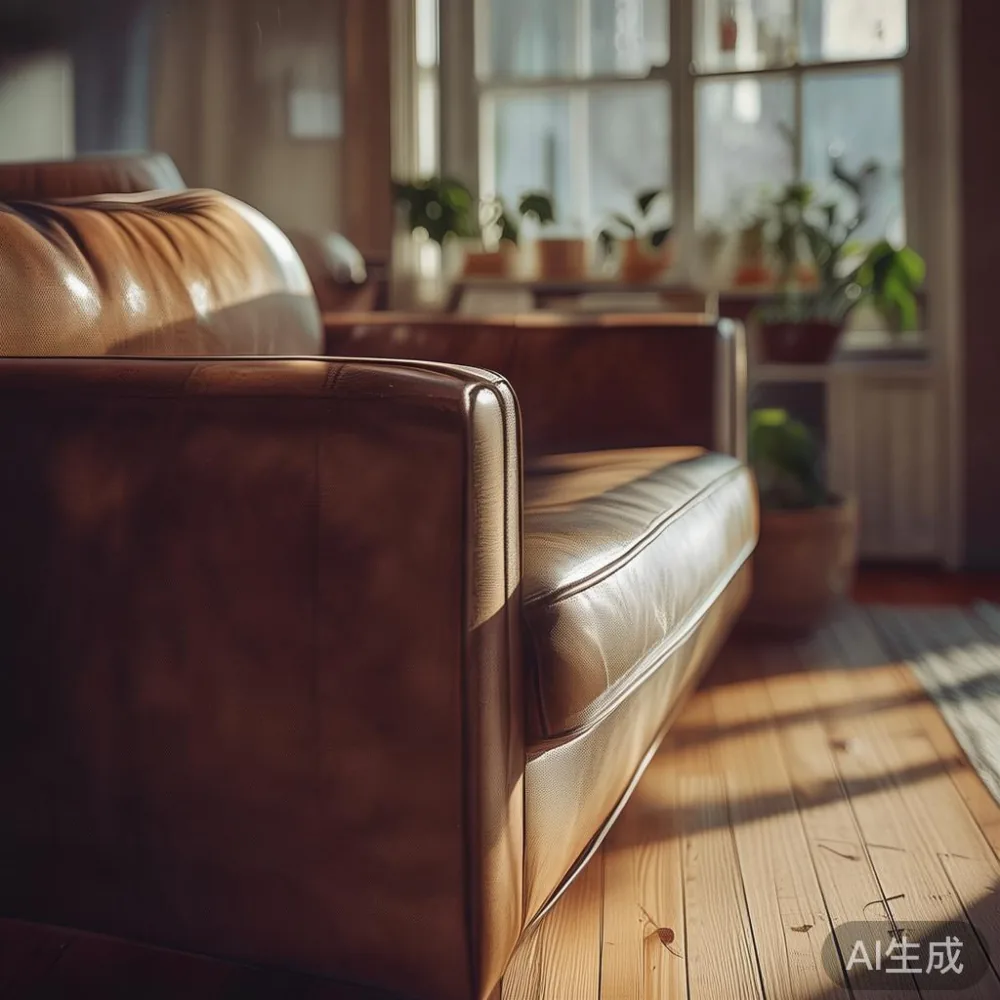
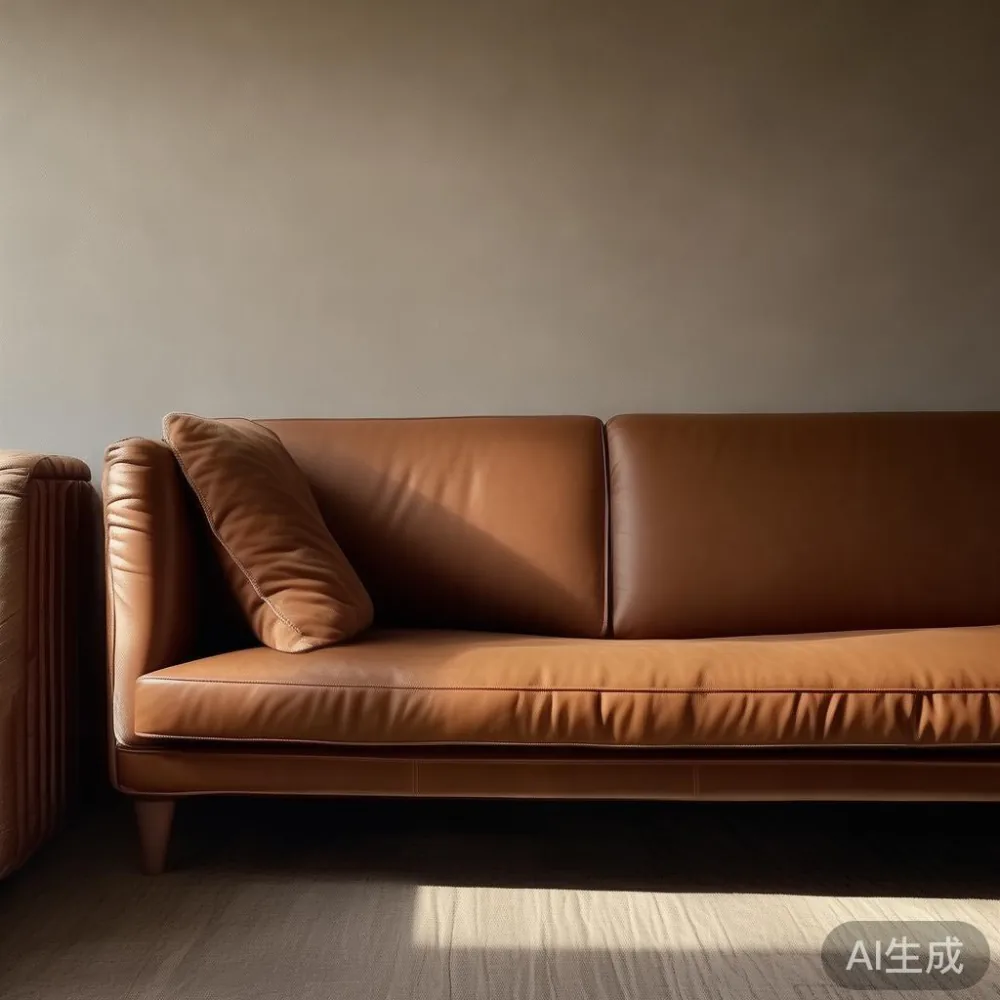
A leather sofa needs airflow, distance from wet walls and careful conditioning. Keep it at least 30 cm from an exterior wall, and ideally 60 cm from windows with frequent rain exposure. In a compact HDB living room, avoid pushing the sofa’s back or arms tightly into the wall; leave enough space for inspection and cleaning. In a Bedok condo near the coast, do not place the leather sofa directly below an air-conditioning drip line or in a bathroom-adjacent recess.
Leather cushions should be moved occasionally so the same area does not remain compressed and damp. Vacuum upholstery every 7 to 10 days with a soft brush and low suction. Wipe leather with a lightly damp cloth, then dry it immediately. Do not use bleach, ammonia, alcohol or household sprays on aniline or semi-aniline surface, and do not flood the seams. If a cushion develops a damp smell, remove it from the sofa, stand it upright in a ventilated area and dry it completely before reinstallation.
Conditioning products should be used sparingly and tested on a hidden section measuring roughly 10 cm by 10 cm. Apply a thin layer once the leather is dry, allow 12 to 24 hours for absorption, and wipe away residue. Thick cream can trap dirt and create patchiness. For mould on a leather sofa, isolate the affected cushion, dry it and seek a specialist cleaner; scrubbing aggressive mould away with a wet cloth may permanently distort the finish.
Humidity also affects the timber beneath leather sofa frames. A frame made from kiln-dried hardwood should remain stable if covered with breathable upholstery and not stored against a cold, wet wall. Solid wood sofa construction, properly joined and finished, offers a repairable base, but no manufacturer can promise zero movement in a persistently damp environment.
Why do HDB and condo layouts make furniture care harder?
Singapore homes are compact, and the route from a van to the final position can matter as much as the room itself. Lift dimensions, turning radii and corridor widths determine whether a solid wood bed frame arrives assembled or in manageable sections. Before delivery, measure the lift door, lift car, landing, corridor turns, bedroom door and any staircase.
Record the narrowest usable corridor width, not the corridor’s maximum width. A corridor that is 110 cm wide at one point but only 82 cm around a corner may not allow a 95 cm dining table top to turn safely. Common HDB lift cars may provide approximately 100 cm to 110 cm of door width and 135 cm to 140 cm of depth, but older blocks and renovated shafts vary. A wardrobe may need its carcass delivered in panels no wider than 60 cm to 80 cm. A bed frame can often be separated into headboard, footboard and side rails, reducing weight per component to around 20 kg to 45 kg.
Planning has a direct moisture benefit. Furniture delivered on the day of a downpour may absorb humidity while waiting in a corridor. Ask the delivery team for a covered handover point and confirm the installation window. Avoid placing a newly delivered nightstand against an exterior wall for the first 48 to 72 hours. Let the wood acclimatise gradually in the final room, still protected from direct air-conditioning vents and sunlight.
The familiar question “where to buy wardrobe from MIDHILL?” is only one part of planning. Buyers should also verify the internal dimensions, delivery method, assembly scope, warranty and finishing details. Local prices should be shown in SGD, including GST where applicable, so comparisons are straightforward.
What furniture finishes are most suitable for a tropical climate?
A finish slows moisture exchange; it does not make wood waterproof. Hardwax oil on a solid wood dining table gives a natural appearance and can be maintained with a thin renewal coat. Water-based polyurethane creates a more sealed film and is convenient for busy family homes, although scratches remain visible until repaired. Matte finishes show fingerprints less readily than high-gloss surfaces, but all finishes can be affected by prolonged dampness.
For a marble table, humidity is less of a swelling issue but still matters. Marble and natural stone may react with acidic spills; moisture can also affect cabinetry and adhesives beneath a stone top. Use coasters, wipe spills within 10 minutes and avoid exposing the marble table to rain through an open window.
Bed frames require attention at slats, joints and headboards. Confirm that slats are properly spaced, commonly around 7 cm to 10 cm apart depending on mattress type, and that ventilation is available beneath the bed. Avoid storing bedding or cardboard beneath a solid wood bed frame, where trapped moisture has no exit path.
The phrase “2026 Italian light luxury furniture” often brings images of polished stone, pale woods and restrained metal details. Those materials can suit Singapore’s light-luxury apartments, but construction quality matters more than a style label. French light luxury, American light luxury and post-modern light luxury each work in local interiors when proportion, storage and material care are handled correctly.
A search for an Italian light luxury dining table may lead to imported designs with substantial stone tops. Before buying, check the top’s weight and the installed footprint. A 200 cm table can weigh more than 150 kg, requiring at least 4 to 6 people, appropriate lifting equipment and a route with at least 90 cm of clear width. The floor load should also be confirmed for a condo.
How do I compare imported beds and local solid wood options?
Questions such as “is Japanese bed worth it” or “Japanese bed vs Italian light luxury bed” usually compare platform construction, comfort and visual style. A Japanese-style bed may use a low timber frame or platform with a clean profile, while an Italian light luxury bed may emphasise upholstered detailing and a more decorative headboard. Neither category automatically addresses humidity better than the other.
For Singapore, ask about timber moisture content, finish type, ventilation, joint construction and replacement parts. A kiln-dried hardwood frame with stable joinery and a breathable finish is generally easier to maintain than an unfinished frame stored for months in a damp warehouse. Check whether the warranty covers structural failure and whether finish or accidental water damage is treated differently.
For contract projects, “Mid-century modern for hotel” may specify solid timber legs, durable upholstery and repeatable dimensions. Hospitality furniture should be tested in real operating conditions for at least 30 days before full installation. Place samples in rooms with overnight air-conditioning, then review them during monsoon humidity and daytime heat. Record any gaps, odours or finish changes. For a bedroom, allow 5 cm around a bed frame for cleaning and leave 60 cm between the headboard and an exterior wall where practical.
For people considering an Italian light luxury bed, request the exact timber species, dimensions and mattress clearances rather than relying on style terminology. A queen mattress measuring 152 cm by 191 cm needs an internal bed frame opening slightly larger, usually around 157 cm by 196 cm. These few centimetres prevent contact with the frame and reduce trapped moisture.
What should I do in the first 30 days after delivery?
Begin by checking the furniture against the delivery record. Photograph the solid wood dining table, bed frame, wardrobe, nightstand or leather sofa on arrival. Note marks, alignment issues and finish condition before assembly. Confirm that hardware is tight, doors open without scraping and moving parts have adequate clearance.
For the first 7 days, keep new furniture away from direct sunlight and strong air-conditioner airflow. During days 8 to 14, begin moving cushions and checking corners weekly. From days 15 to 30, establish a maintenance rhythm: dust every 7 days, inspect leather every 2 weeks and check the hygrometer daily during unusually humid weather.
Never use a domestic clothes steamer on a leather sofa. The heat and moisture can darken or distort leather. If cleaning is required, use a product approved for the specific leather type and leave the seat completely dry for 12 hours before use. Keep indoor plants at least 30 cm from timber furniture and empty plant trays after watering.
Air-conditioning helps because it lowers temperature and, when the unit removes moisture, relative humidity. However, blowing air directly across wood for 18 hours a day can create dry-edge stress. Set the room around 24°C to 27°C, use a fan for circulation and position vents to distribute air across the room. A dehumidifier may help in a persistently damp space, but it should be used with doors and windows closed and positioned with approximately 30 cm of clearance.
Wood movement may remain visible as seasonal variation. A dining table top that expands by 2 mm to 4 mm across its width can still function normally if the construction allows it. Excessive bowing beyond 5 mm, joints opening more than 2 mm, mould, peeling finish or persistent musty odours warrant professional assessment.
How do delivery, GST and warranty affect the purchase decision?
Singapore buyers should separate product value from logistics. MIDHILL exports to more than 15 countries and provides a 10-year structural warranty, along with lifetime refinishing for eligible pieces. That support is relevant because solid wood can be repaired and refinished rather than discarded after minor movement or wear. A 5-star dining table in a 220 cm length may be quoted in the SGD 4,000 to SGD 8,000 range depending on timber and detailing, while a smaller configuration may sit near SGD 2,200. Marble tops and premium leather can add several thousand SGD, so compare like-for-like specifications.
Local delivery to HDB flats and condos may be quoted separately from the furniture price. Confirm whether assembly, lift booking and carry-in are included. Charges may range from SGD 80 to SGD 250 for standard delivery in Singapore, while complex access, stair carry-in or special handling can cost more. GST is normally applicable to local sales at the prevailing rate; request an invoice that clearly separates product, delivery and applicable tax.
Warranty language matters. Structural coverage for 10 years is not the same as a promise that a tabletop will never move or a leather sofa will never stain. Ask whether humidity-related finish failure, wall contact, outdoor use and pet urine are excluded. Keep the order number, finish specification and maintenance record for at least 10 years if the product is covered for that period.
Returns and exchanges should also be planned. A 14-day return period allows final-room inspection, but made-to-order stone, marble and upholstery pieces may have specific conditions. Measure the nightstand at 45 cm by 40 cm by 55 cm if that is the intended size, and check whether the bedroom door can open at least 85 cm with drawers extended.
What is the practical humidity-control routine for Singapore homes?
Use a digital hygrometer costing about SGD 25 to SGD 60 and place it in the occupied zone of the room. Record readings at 8 a.m., 3 p.m. and 10 p.m. for 7 days before making adjustments. Target 45% to 65%. In a room consistently above 70%, improve airflow, run air-conditioning or a dehumidifier and move furniture away from exterior walls. If the reading falls below 40%, reduce continuous cold-air exposure.
For a leather sofa, clean every 7 to 10 days, keep cushions dry and inspect seams every 14 days. For solid wood dining tables and bed frames, use coasters and trivets, wipe spills immediately and renew the finish as directed. Check wardrobe hinges every 3 months and make sure its back has at least 20 cm of ventilation space when installed against a wall.
My own test last month took place in a compact Tampines flat with windows open during an evening shower. A newly installed solid wood bed frame was measured at 179.6 cm across the headboard, while the hygrometer moved from 68% to 74%. After the windows were closed, air-conditioning was set to 26°C and the bed was moved 40 cm from the wall, the reading settled to 61% within 6 hours. The next morning, the frame measured 179.8 cm. That 2 mm change was ordinary moisture movement, not structural failure.
Protect the furniture by controlling its environment rather than overloading it with chemicals. Keep humidity in a measured range, preserve airflow around leather and timber, select finishes suited to tropical use and inspect small changes early. That approach gives a leather sofa, wardrobe or dining table a better chance of remaining sound and presentable for 10 years or longer.