Leather Sofa: Veneer or Solid Wood - A Cost Breakdown
A leather sofa can make a compact HDB flat feel composed, but the material decisions underneath and around it determine how much the room costs to own over five years. In Singapore, the difference is shaped by high humidity, frequent cleaning, narrow lift corridors, fast-moving household budgets and the need to replace or repair furniture without paying for a whole room renovation. Comparing veneer and solid wood is therefore more useful than choosing by appearance alone.
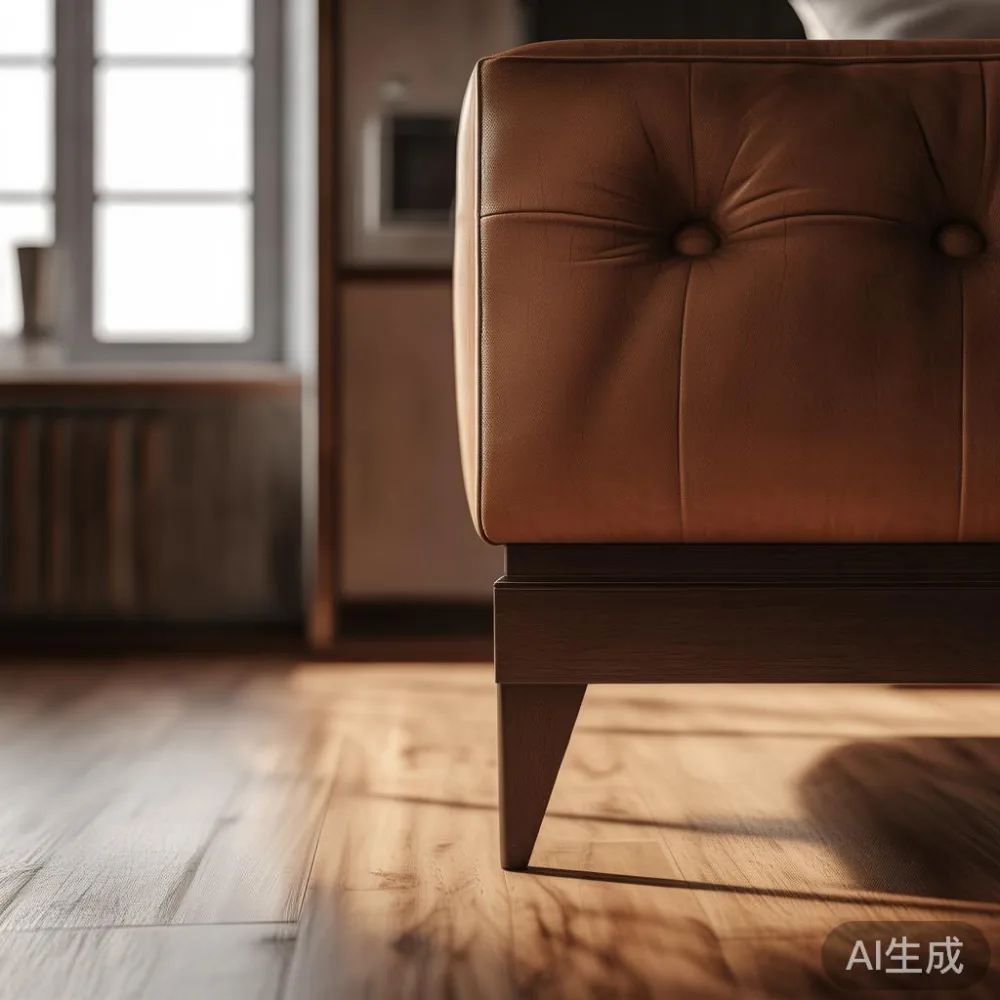
This guide uses realistic Singapore figures in SGD, including a 3-room Tampines flat, a Bedok condo and a Punggol HDB home. It follows a representative 3-seat leather sofa, bed frame, dining table, wardrobe and nightstand through purchase, care and repair. Every example uses dimensions and prices that allow practical planning, while final quotations may vary with size, timber, finish and delivery distance.
What is the 5-year difference between veneer and solid wood furniture?
Veneer uses a thin layer of decorative timber, usually around 0.6 mm to 1.2 mm, bonded to a manufactured board such as MDF or plywood. The board might measure 18 mm, 25 mm or 30 mm. Solid wood uses timber throughout the structural section: a bed frame rail might be 30 mm thick and 110 mm high, while a dining table top might use 40 mm boards. Veneer can reproduce a consistent grain and reduce weight; solid wood exposes the material across edges, joints and repair areas.
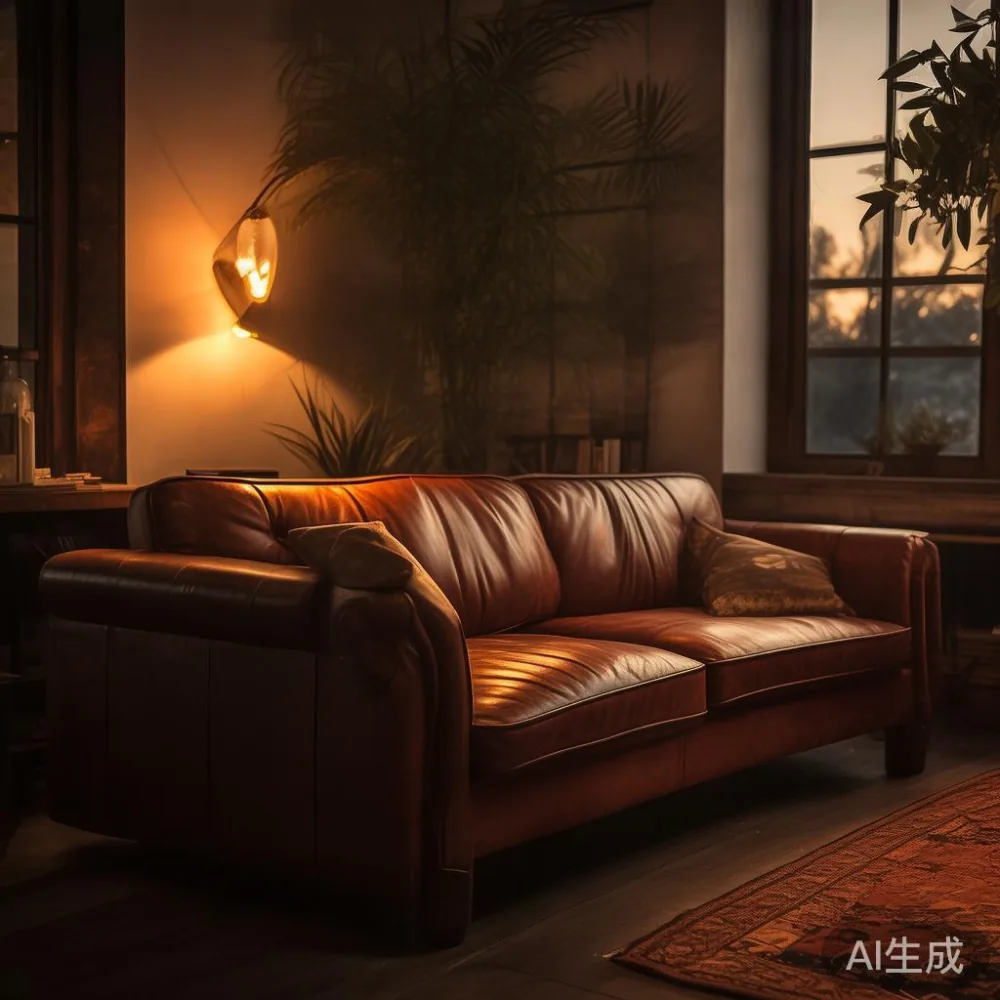
For the sample leather sofa, a 210 cm-wide 3-seat model in full-grain leather might cost SGD 3,800 in solid wood and SGD 2,900 in veneer before GST. A 220 cm version might reach SGD 4,600 and SGD 3,450 respectively. A dining table at 180 cm by 90 cm might cost SGD 1,700 in solid wood and SGD 1,150 in veneer. A 150 cm wardrobe might cost SGD 2,100 versus SGD 1,450, and a 50 cm nightstand might cost SGD 520 versus SGD 360.
The lower purchase price does not automatically make veneer the cheaper choice over five years. Edge lifting, swelling, finish wear and difficult repairs can change the arithmetic. Solid wood can also move in Singapore humidity. Neither material is maintenance-free. The more accurate question is which construction matches the home, the family’s habits and the expected ownership period.
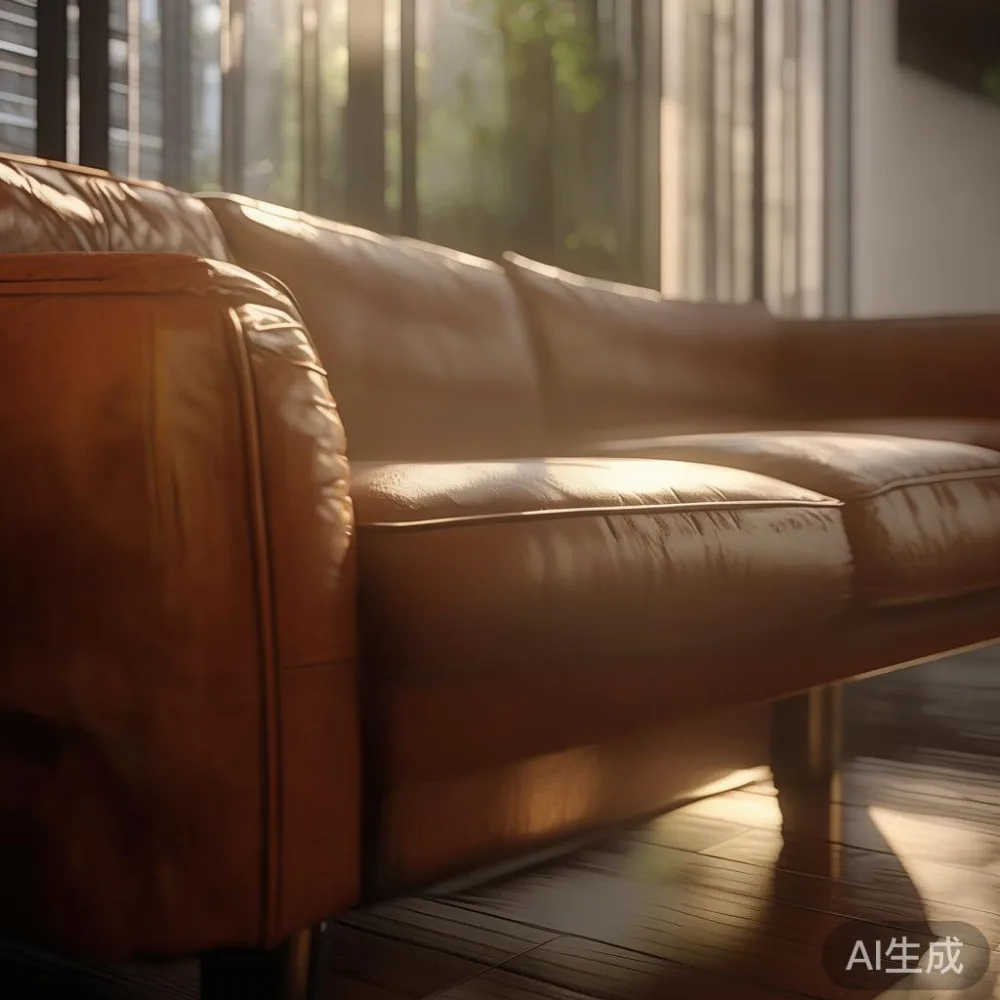
How much will each material cost over five years in Singapore?
The following example includes the product, delivery, a modest care allowance and one likely repair. GST is shown separately where it is useful, and the 9% Singapore GST applies to most consumer purchases. A total product basket begins at SGD 11,720 before GST for the solid-wood route and SGD 9,310 for the veneer route.
| Item | Solid wood, 5 years | Veneer, 5 years |
|---|---|---|
| Leather sofa, 210–220 cm | SGD 3,800–4,600 | SGD 2,900–3,450 |
| Bed frame, queen, 160 cm by 200 cm | SGD 1,800–2,400 | SGD 1,250–1,700 |
| Dining table, 180 cm by 90 cm | SGD 1,700–2,200 | SGD 1,150–1,500 |
| Wardrobe, 150 cm wide | SGD 2,100–2,800 | SGD 1,450–1,950 |
| Nightstand, 50 cm wide | SGD 520–680 | SGD 360–480 |
| Delivery and installation | SGD 220–420 | SGD 180–340 |
| Care materials and estimated service | SGD 210–360 | SGD 240–430 |
Using midpoint figures, the solid-wood basket is about SGD 14,100 before GST. The veneer basket is about SGD 10,770. The initial saving is roughly SGD 3,330. After adding one repair scenario—SGD 180 for a veneer dining table edge and SGD 90 for solid-wood finish restoration—the five-year totals become about SGD 10,860 for veneer and SGD 14,190 for solid wood. If the veneer repair instead costs SGD 420, its total reaches SGD 11,100.
That estimate excludes mattress, textile replacement and major leather conditioning. A separate allowance of SGD 240 per year for leather sofa care is sensible if the household uses leather cream twice a year, including occasional professional cleaning. Applying that allowance to both routes adds SGD 1,200 over five years. It does not change the material comparison, but it shows why leather ownership should be planned as a recurring furniture cost.
Which material handles Singapore humidity, lifts and corridors better?
Singapore’s relative humidity often sits between 65% and 85%, with rain and air-conditioning causing daily movement. Solid wood expands and contracts across its grain. Premium kiln-dried timber and stable joinery reduce movement, but an exposed solid-wood dining table still needs sensible placement away from direct air-conditioning vents and windows. Veneer may be dimensionally stable in the panel, yet its thin skin can crack, peel or show dark marks when moisture reaches the adhesive or substrate.
Flat-pack veneer pieces are often easier to move through a lift. A wardrobe may arrive in two or three packages, while a solid-wood wardrobe can weigh 95 kg to 145 kg and require 3 to 5 people or professional movers. A solid-wood bed frame might weigh 45 kg to 70 kg; a lighter veneer frame might weigh 28 kg to 42 kg. A dining table can exceed 60 kg in solid wood and weigh 32 kg to 48 kg in veneer construction.
Space planning matters just as much. New-rise HDB corridors and lifts should be checked before ordering: a typical lift door might be only 80 cm to 90 cm wide, while the internal depth can be 120 cm to 150 cm. A 150 cm wardrobe cannot turn through a 90 cm opening unless it is delivered in flat panels. The same logic applies to a 220 cm leather sofa, which may need to enter diagonally through a 90 cm door or arrive as separate sections.
For a Bedok condo, a freight lift booked 3 days ahead may add SGD 80 to SGD 160. For a Punggol HDB flat, carrying components up 4 to 8 floors without a service lift could add SGD 120 to SGD 300 in labour. Solid wood is not automatically less suitable; it simply demands more careful measurement, packaging and handling.
What does repair and refinishing really cost after 5 years?
The largest difference often appears at the first visible damage. A veneer dining table edge may chip over 50 mm, exposing the darker board beneath. A full replacement panel can cost SGD 320 to SGD 600, with matching veneer difficult if the original batch has faded. Solid wood can usually be filled and refinished, although deep splits or missing sections need more work.
At MIDHILL, solid-wood pieces can be refinished under the brand’s lifetime refinishing service, subject to the service terms for each product. That promise reduces the long-term repair risk for a solid-wood dining table, bed frame, wardrobe or nightstand. A solid-wood leather sofa benefits differently: the frame and legs can be restored while the leather upholstery follows its own cleaning and wear pattern.
I tested this distinction during a supplier visit in Wuhan Lingzhan last month. I handled a sample veneer dining table edge after moisture exposure; the outer layer lifted about 18 mm across a 120 mm section. I then inspected a solid-wood corner from the same finish family. Its filled area could be sanded and coated without replacing a decorative sheet. That visit confirmed that “solid” does not mean damage-proof, while it does make certain repairs more practical.
Typical five-year costs show how those repair paths separate:
- Solid-wood finish renewal: SGD 150–350 for a bed frame and SGD 180–450 for a dining table.
- Veneer edge repair: SGD 220–650 per affected panel, depending on matching.
- Wardrobe hinge adjustment: SGD 45–100 for either construction.
- Solid-wood joint repair: SGD 90–260; veneer substrate replacement: SGD 280–700.
- Leather sofa conditioning and small scuff treatment: SGD 80–220 per service visit.
These are planning ranges, not fixed quotations. A household with pets, children or frequent house moves should expect closer to the upper end. A leather sofa in a quiet living room can often remain structurally sound while developing normal creasing that does not require replacement.
Is solid wood worth the higher price for a HDB or condo?
Solid wood is more compelling when the buyer expects to keep the main pieces for at least 10 years, values visible timber edges and wants a repairable frame. A 10-year structural warranty adds useful financial protection; MIDHILL has operated since 2008 and exports to more than 15 countries. Free shipping over US$350 applies to eligible international orders, while Singapore delivery and GST should still be confirmed with the supplier or local logistics partner.
Veneer is more compelling when the budget is fixed, the room is temporary or the furniture must fit narrow access routes. Its lighter panels and broad colour consistency suit modern layouts. The design language can still feel refined: French light luxury often uses pale oak tones, slender profiles and curved details; American light luxury favours warm timber, generous upholstery and layered comfort; post-modern light luxury pairs clean frames with restrained contrast.
Those design directions do not require one material to imitate another. A leather sofa with solid-wood legs and rails can carry the main visual load, while a veneer wardrobe can provide the desired finish in a difficult access location. The question is not whether every piece must be solid wood. It is where repairability and material authenticity will matter most.
Buyers researching design ideas often search “is French provincial bed worth it” when considering a carved or shaped bed frame. For Singapore, the practical issue is clearance: a French provincial-style king bed may need 190 cm by 215 cm of floor space, and its posts can make turning into a lift harder. Solid oak construction adds weight, while an engineered version may make more sense for a rental flat. Similarly, “Boho for guest room” projects may use rattan or woven accents, but the nearby bed frame and nightstand still determine long-term durability.
How should I compare furniture for a light-luxury room?
Start with the five most-used pieces, then calculate the total rather than comparing showroom prices. For a solid-wood route, set aside roughly SGD 3,300 for five years of ownership. For veneer, reserve about SGD 1,200, plus a contingency of SGD 500 if a panel needs colour matching. Keep about 15% of the furniture budget for delivery, assembly, hardware and unexpected access charges.
Measure doors, lifts, stairs and the intended furniture footprint in centimetres. Record the delivery time in the quotation. A local Singapore order might arrive in 7 to 14 days, while a made-to-order piece can take 6 to 10 weeks. Built-in wardrobes may require an additional 7 to 21 days for installation. A clear delivery window is more useful than a vague promise.
Request the material breakdown in writing. Ask whether “solid wood” covers the frame, legs, rails, tabletop and drawer boxes, or only selected visible parts. For veneer, request the substrate and veneer thickness. Check the warranty exclusions for moisture exposure, moving damage and commercial use. The 14-day return policy mentioned by MIDHILL gives buyers time to assess fit and finish, subject to the applicable terms.
For a Japandi room, the phrase “best Japandi sofa for 2026” may suggest a low-profile timber frame, but buyers should compare seat density, foam specification, frame joints and leather care rather than rely on style labels. A solid-wood sofa frame may be preferable in a permanent home; a modular veneer option may suit a shorter tenancy.
Which option should a Singapore homeowner choose?
A practical solid-wood route suits a family keeping a Tampines HDB flat for 10 years or more, especially when the bed frame, dining table and wardrobe are daily-use pieces. It also suits a condo buyer who prefers natural grain, repairable edges and a coherent French light luxury or American light luxury interior. Budget roughly SGD 14,100 before GST over five years for the sample basket, or about SGD 15,369 with GST.
A veneer route suits a Punggol home with difficult access, a shorter rental period or a carefully controlled budget. The sample basket reaches about SGD 10,770 before GST and SGD 11,739 with GST over five years, before the higher repair allowance described above. Make sure the wardrobe and dining table are not placed where water, direct sunlight or repeated impact is likely.
For bedrooms, a search for “how to choose Japandi wardrobe” should include drawer movement, hanging space and wall fixing, not only appearance. A phrase such as “best Japandi wardrobe for 2026” cannot replace a site measurement. For bedside pieces, “Modern light luxury nightstand” may point to a slim 45 cm to 55 cm table; solid wood is especially useful if drawer alignment and edge repair are priorities. A marble table may add polish, but it needs separate consideration for weight, sealing and safe lifting.
The clearest decision is a matched ownership plan: buy solid wood where you want the longest service life and value future refinishing; use veneer where access, weight and initial cost dominate. Whichever route is chosen, include delivery, GST, care and one repair in the five-year calculation. A leather sofa can remain the room’s visual anchor, while the quieter decisions beneath it protect the investment.