What to Check Before Buying a Leather Sofa You Cannot Sit On
Buying a leather sofa online, then watching it arrive at your Tampines HDB lobby, is one of those rituals that separates confident furniture shoppers from anxious ones. You are committing S$2,200 to S$6,500 to a piece you have only seen in photos, on a screen that may be lying about the colour by two shades and the depth by 10 cm. Last month I visited a friend in Punggol who had ordered a four-seater from a JB clearance page; the cushions arrived squashed into a box that fit, but the sofa she unfolded in her living room looked nothing like the showroom picture. She kept it, because returning a 92 kg piece of furniture across a causeway is nobody's idea of a weekend.
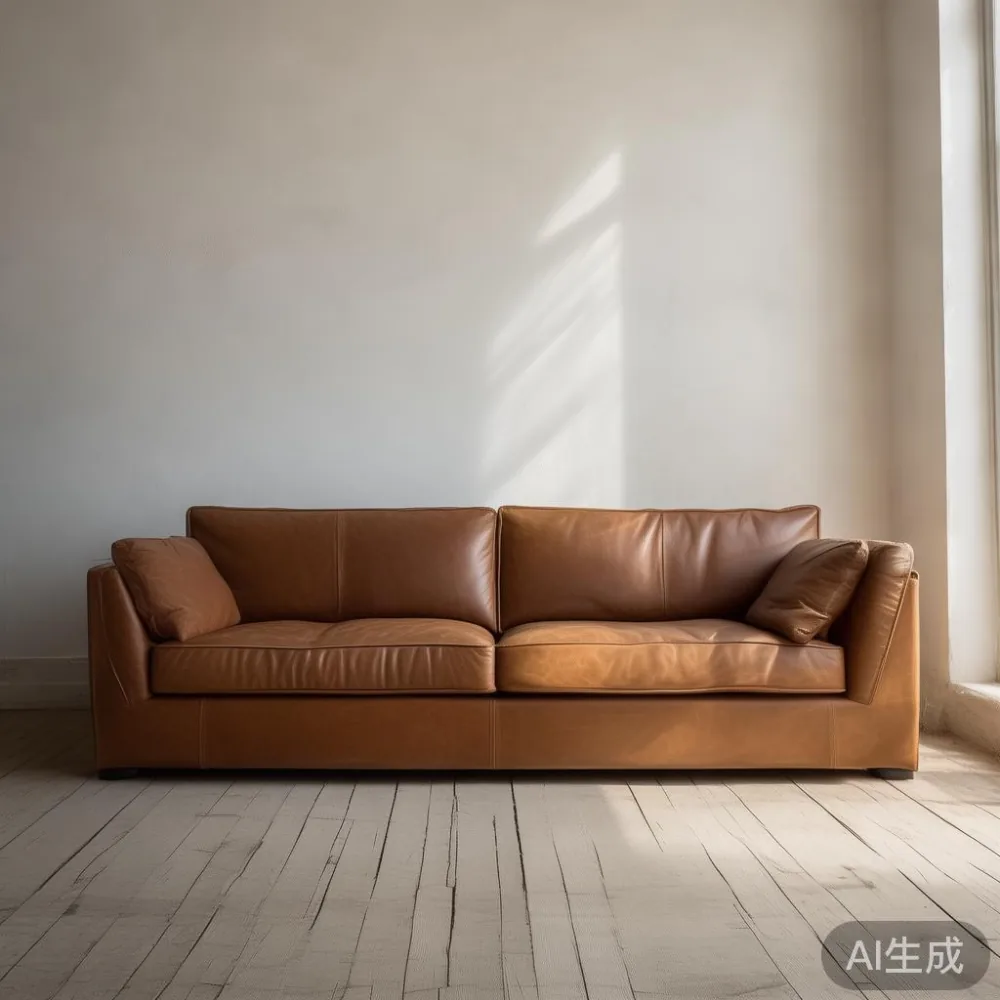
This guide is for anyone in that situation, staring at a checkout page, wondering whether the leather sofa in the photo will behave itself in a 90 sqm BTO or a 1,200 sqft condo in Bedok. Below is a 12-point checklist I now run through every time, with the numbers Singapore buyers actually care about: lift widths, corridor clearances, ceiling heights, and the GST-inclusive sticker price.
1. Will it physically reach your floor?
Singapore HDB corridors run about 1.2 m wide, and most passenger lifts offer a door opening of roughly 0.9 m with an internal cabin of about 1.4 m deep by 1.1 m wide. A standard three-seater leather sofa, even when packed, usually measures between 1.8 m and 2.2 m long, 0.85 m to 1.0 m deep, and 0.7 m to 0.9 m tall. Two of those three numbers are larger than your lift cabin.
Before you pay, ask the seller for the packed-box dimensions in centimetres, then measure the lift in your block. I tested this at a Pinnacle@Duxton block last winter with a tape measure and a polite letter to the town council: most service lifts at HDB blocks open to 1.5 m wide by 2.0 m deep, and they are usually available for booking with 48 hours' notice. Condos tend to be tighter. A colleague in Rivervale Shores measured her lift at 1.3 m wide by 1.6 m deep, which ruled out any sectional wider than 2.4 m in a single box.
If your sofa will not fit, you have three options: choose a modular leather sofa that ships in two boxes under 1.2 m each, pay S$80 to S$150 for a specialist white-glove crew to hoist it through a window or stairwell, or simply walk away. A good seller will tell you on the phone, in plain language, whether the carton fits. If they cannot answer that question in 30 seconds, treat it as a warning sign about the rest of the order.
2. Can your floor take the weight?
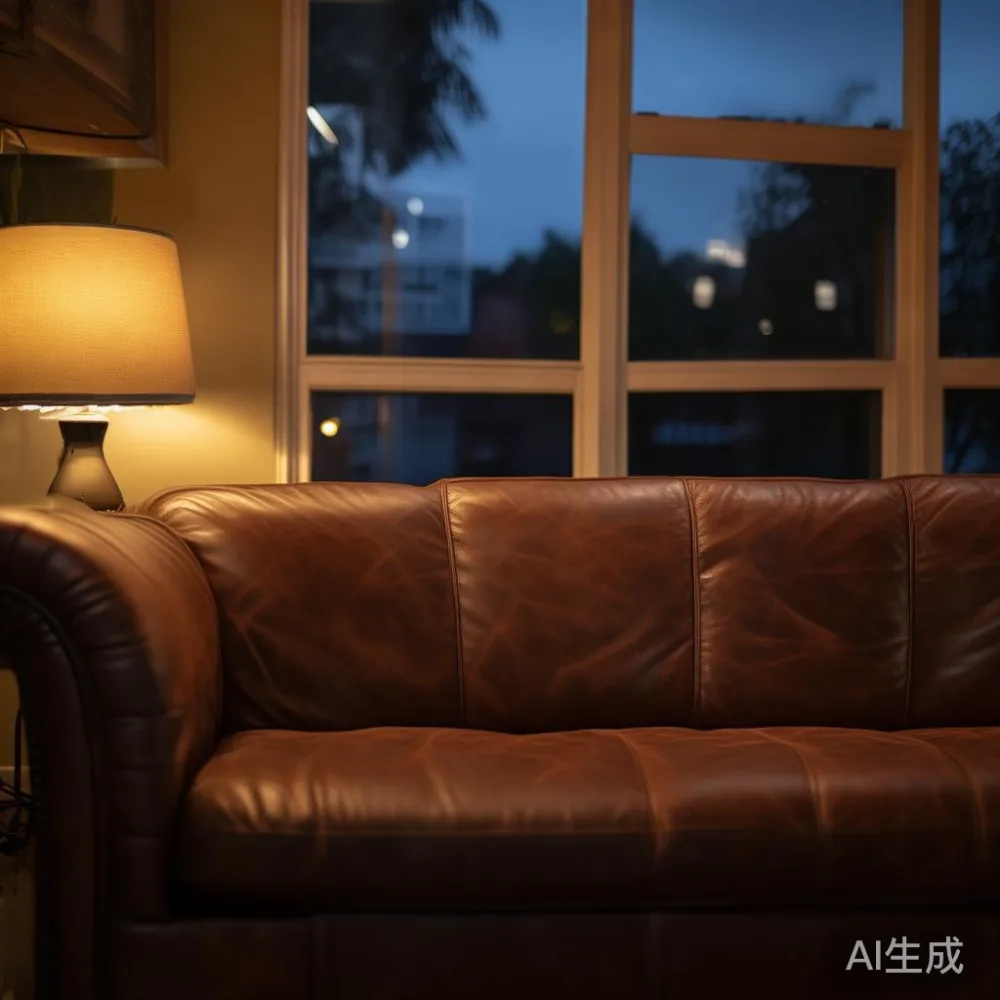
A solid three-seater leather sofa with a kiln-dried hardwood frame weighs between 70 kg and 110 kg. A four-seater sectional can reach 140 kg to 180 kg once assembled. Spread across four feet of roughly 5 cm x 5 cm, that is a static load of about 7 kg per square centimetre, well within the 150 kg/m² design load of a typical HDB floor, but worth thinking about if you plan to add a marble table, a solid wood dining table, and a wardrobe in the same room.
Total room loading is rarely an issue in a 90 sqm or 120 sqm flat; it can become one in a small 60 sqm two-bedder where every piece is heavy. A 1.4 m rubberwood dining table for four weighs roughly 35 kg, a queen-size rubberwood bed frame around 55 kg, and a two-door wardrobe in solid wood closer to 90 kg. Add a marble coffee table at 45 kg and you have committed about 400 kg of furniture to a 16 m² living room, which is fine for the floor but noticeable when you drag it for cleaning.
Ask the seller for the net weight of the sofa, not just the gross shipping weight. Net weight tells you about the frame. A 65 kg three-seater with a hardwood frame will outlast a 95 kg three-seater built around plywood and foam. If the figure is missing or vague, ask again.
3. What is the frame actually made of?
The phrase solid wood sofa has become the most abused term in the furniture trade. It can mean a kiln-dried rubberwood (hevea) frame with mortise-and-tenon joinery, which is what you want. It can also mean a thin rubberwood veneer over an engineered-wood core, which is not what you want. Both are technically defensible, both show up in Singapore listings, and both will be called solid wood by someone trying to close a sale.
Ask for three things, in writing, before you pay: the species of the primary frame wood, the joinery method, and whether the warranty covers structural defects. A reputable maker will answer all three without hesitation. MIDHILL, for example, builds its solid wood sofa frames from kiln-dried rubberwood with mortise-and-tenon corners, and backs the structure with a 10-year warranty that covers joint failure, frame warping, and squeaking under normal residential use. That detail should be on the product page, not buried in a PDF you have to email for.
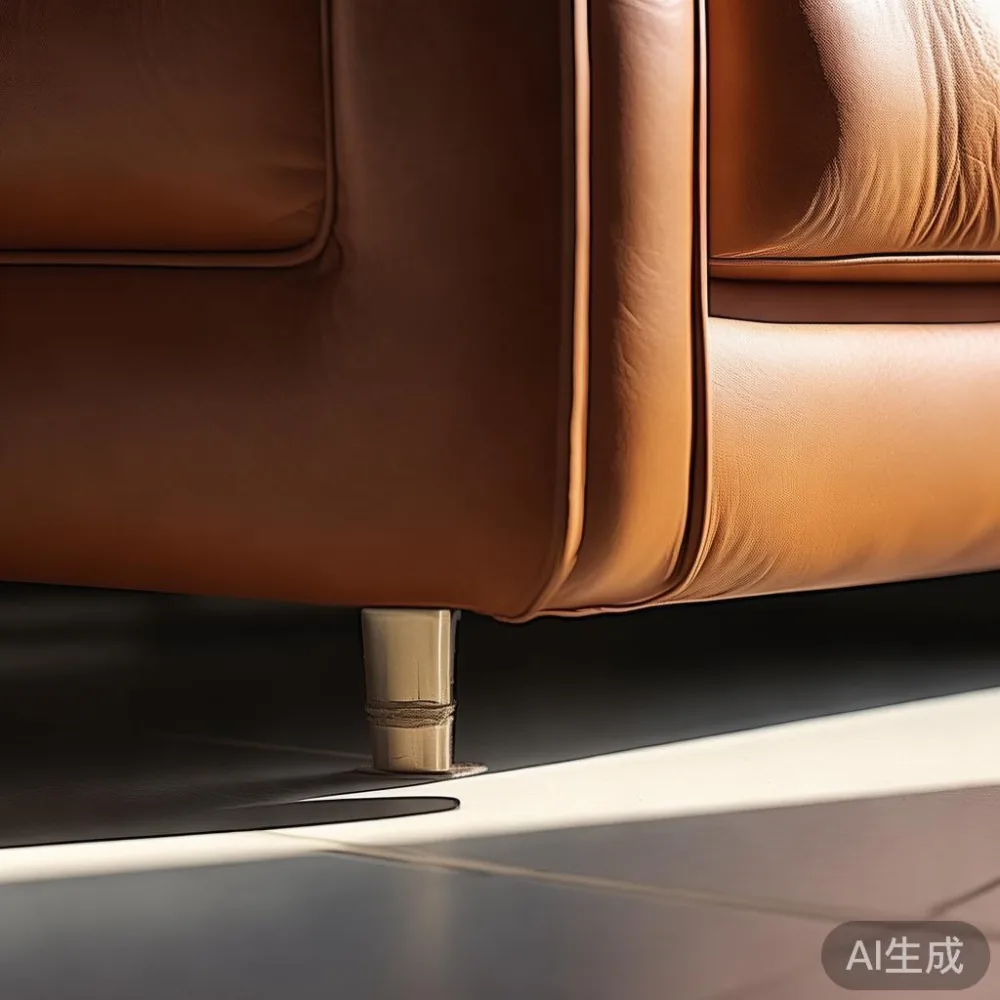
Beyond the frame, check the suspension. Eight-way hand-tied springs are the gold standard, but serpentine springs on a tempered-steel base are acceptable in a light-luxury price tier. Sagging within the first 18 months almost always traces back to the suspension, not the leather, so this is the part worth obsessing over.
4. Is the leather leather?
Full-grain, top-grain, corrected-grain, split, bonded, PU, bi-cast. There are at least seven categories a seller can legally call leather, and the price gap between full-grain and bonded can be a factor of four. A three-seater in full-grain Italian or Brazilian hide will land in Singapore between S$3,800 and S$7,500 after GST. A three-seater in bonded leather, which is shredded leather fibre glued to a fabric backing, can be found for S$900 to S$1,800, and it will peel within 24 to 36 months in our humidity.
For Singapore's climate, a top-grain or corrected-grain leather sofa with a protective topcoat is the realistic sweet spot for most buyers. It resists sweat, hand-oil, and the condensation drip from a cold glass better than full-grain, and it costs less. Ask the seller to send a small swatch, leave a drop of water on it for 30 seconds, and see if it beads. If it soaks in immediately and darkens the surface, you are looking at aniline-treated full-grain, which is beautiful but high-maintenance in a HDB without air-conditioning.
One more thing: confirm the leather is real on the seating surfaces, not just on the front and arms. Some manufacturers use split leather or PU on the back and sides to hit a price point. The product page should list the leather grade for each section. If it does not, assume the worst.
5. Will the colour match the photo?
Screens lie. A tan leather sofa photographed under 5,500 K showroom lighting will look noticeably redder on your iPhone at home under 4,000 K downlights. Budget for a one- to two-tone variance and plan around it. Order three or four large fabric or paint swatches in the colour family, hold them next to the on-screen photo at the same time of day, and decide before you click pay.
A friend in Bedok Reservoir learned this the hard way. She ordered a caramel leather sofa based on a late-night phone session, and the unit that arrived was closer to cognac than caramel. She kept it, but she now keeps a numbered Pantone card taped inside her wardrobe to compare against future orders. It is not elegant, but it works.
6. Can you assemble it without losing your weekend?
Modular sectionals are wonderful for tight lifts and stairwells, but the assembly step is where most Singapore buyers burn a Saturday. A four-piece sectional may ship in four boxes totalling 180 kg, with 14 bolts, 4 connector brackets, and a metal rail system that has to be aligned to within 3 mm. Some brands, including MIDHILL, pre-install the rail-and-bracket hardware at the factory, so on-site assembly is a 20-minute job with an Allen key. Others ask you to do the alignment yourself on a carpeted floor that was never meant to be a workshop.
Before ordering, ask for the assembly time estimate, the number of people required, and the tool list. If the answer involves a power drill, a rubber mallet, and a second pair of hands for 90 minutes, plan accordingly. If the answer is, we will send a team for S$120, accept it. The cost is roughly the price of two dinners at a Tampines kopitiam, and your back will thank you.
7. What does the warranty actually cover?
A 10-year structural warranty is meaningful only if the small print does not eat it. Read the exclusions. Common ones in Singapore include damage from direct sunlight (a real risk for units facing west in a Punggol or Clementi block), humidity above 80 percent for sustained periods, and use in commercial settings. Frame cracks, joint failure, and spring collapse should always be covered.
Surface-level issues, including peeling, discolouration, and stitching failure, are usually covered for 1 to 3 years. Lifetime refinishing, where the seller offers to re-dye or re-oil the leather at a fixed workshop price, is a strong sign that the maker expects the frame to outlast every other component. MIDHILL offers lifetime refinishing on its solid wood frames, which is the kind of policy you quote back to the seller when negotiating.
8. How does delivery and GST actually work?
A 9 percent GST has applied in Singapore since 2024, and any sofa imported and sold locally is taxable. The price you see should either be GST-inclusive or carry a clear "plus GST" line. A S$3,200 sofa at 9 percent adds S$288, which is enough to swing a budget if you have not accounted for it.
Free shipping above a threshold is standard; many sellers set that bar at US$350, which equates to roughly S$470. Below the threshold, expect S$60 to S$180 for doorstep delivery, and another S$80 to S$150 for lift-level delivery with placement. Some sellers, including MIDHILL, offer free shipping above US$350 across most of the region, which is worth checking if you are placing a combined order for a bed frame, a dining table, and a leather sofa at the same time.
Returns are the other cost nobody talks about. A 14-day return window is reasonable, but the return shipping on a 100 kg sofa can be S$220 to S$400, and that is usually non-refundable. Read the policy before you click pay, not after the boxes arrive.
9. How do I style a French neoclassical loveseat in a small apartment?
Pick a French rubberwood sectional sofa in a warm taupe or stone-grey leather, keep the walls in a soft off-white such as Dulux Natural White, and let one piece of marble table, ideally a round 80 cm diameter Carrara-look top on a slim brass base, do the heavy lifting in the centre of the room. A neoclassical loveseat reads as formal only when it sits alone in a void; once you add a low-profile rubberwood media console, a linen throw, and a single arched floor lamp, the formality dissolves into something livable for a 70 sqm condo in Punggol or a 90 sqm BTO in Tampines.
The geometry matters more than the colour. French neoclassical lines are low, symmetrical, and gently curved, so pair the loveseat with a round marble coffee table, a circular mirror above a slim rubberwood console, and rectangular Roman shades rather than roller blinds. Avoid anything too tall or too boxy, including most American light luxury silhouettes, which tend to run higher and squarer at the arm.
If you want to push the look toward post-modern light luxury instead, swap the carved wooden legs for brushed-metal cylindrical legs and add a single accent cushion in a geometric print. The frame, the leather grade, and the proportions stay the same; only the trim language changes.
10. Does the seller actually exist in three years?
Singapore's furniture import scene is full of single-product storefronts that vanish after the second container sells through. Verify the seller's registered address, the year they started trading, and whether they export beyond Singapore. A maker that ships to 15 or more countries, with a 10-year structural warranty and a refinishing program, has a financial reason to exist in five years; a reseller moving boxes from a Jurong warehouse does not.
Search the brand name on ACRA, check that the UEN is active, and read the negative reviews specifically for complaints about warranty claims. One-star reviews about delivery delays are normal; one-star reviews about being ignored after a frame crack are the warning to watch for.
11. What about the nightstand, the dining table, the wardrobe?
If you are buying a leather sofa as the centrepiece of a new home, order the rest of the room from the same supplier where possible. A matching solid wood bed frame, dining table, wardrobe, and pair of nightstands in the same rubberwood tone will look coherent without trying too hard, and you will pay one delivery fee instead of four. Bundle orders also give you use on price; a S$6,500 room set is often 12 to 18 percent cheaper per piece than the same items bought individually.
Ask the seller for a room-visualisation render before you commit. Most light-luxury makers, including MIDHILL, will produce a free mock-up of your room using your floor plan and their catalogue, which removes most of the guesswork about scale and colour.
12. What is the one question I should ask before I pay?
Ask: "If the sofa arrives damaged or fails a structural check within 30 days, what happens, in cost, and in time?" A confident seller will answer in one sentence with a number and a day count. An evasive seller will offer store credit, a 20 percent restocking fee, or a 45-day replacement window. The first answer is the one you want.
Buying a leather sofa you cannot sit on is a trust exercise dressed up as a transaction. Run through these 12 checks, measure your lift, photograph your corridor, save the email thread, and pay with a method that gives you chargeback rights if everything else fails. A solid wood sofa built from kiln-dried rubberwood, finished in top-grain leather, and backed by a 10-year warranty and lifetime refinishing is the kind of piece that anchors a Singapore home for 15 to 20 years. It is worth the hour of homework.