In real rooms
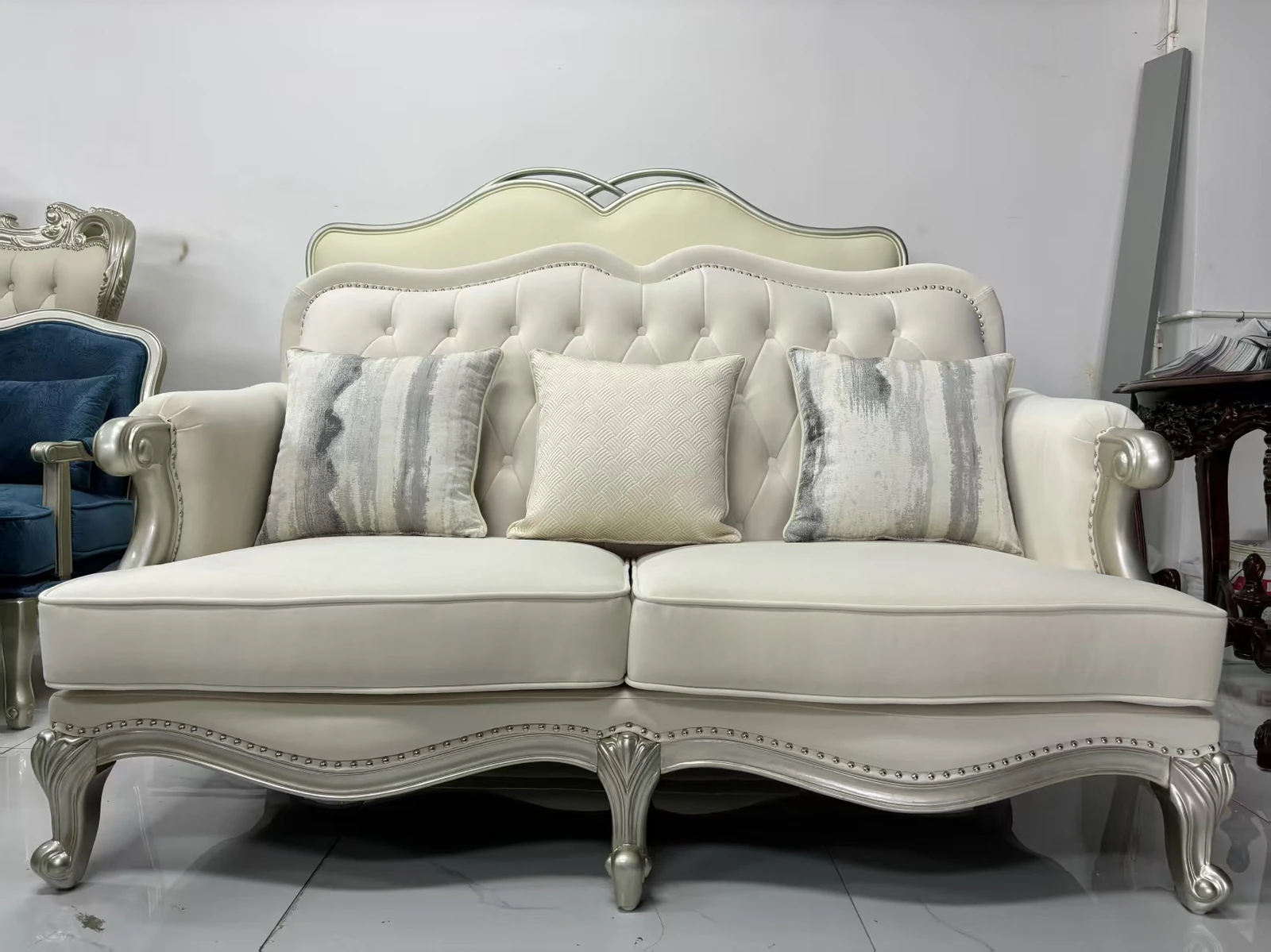
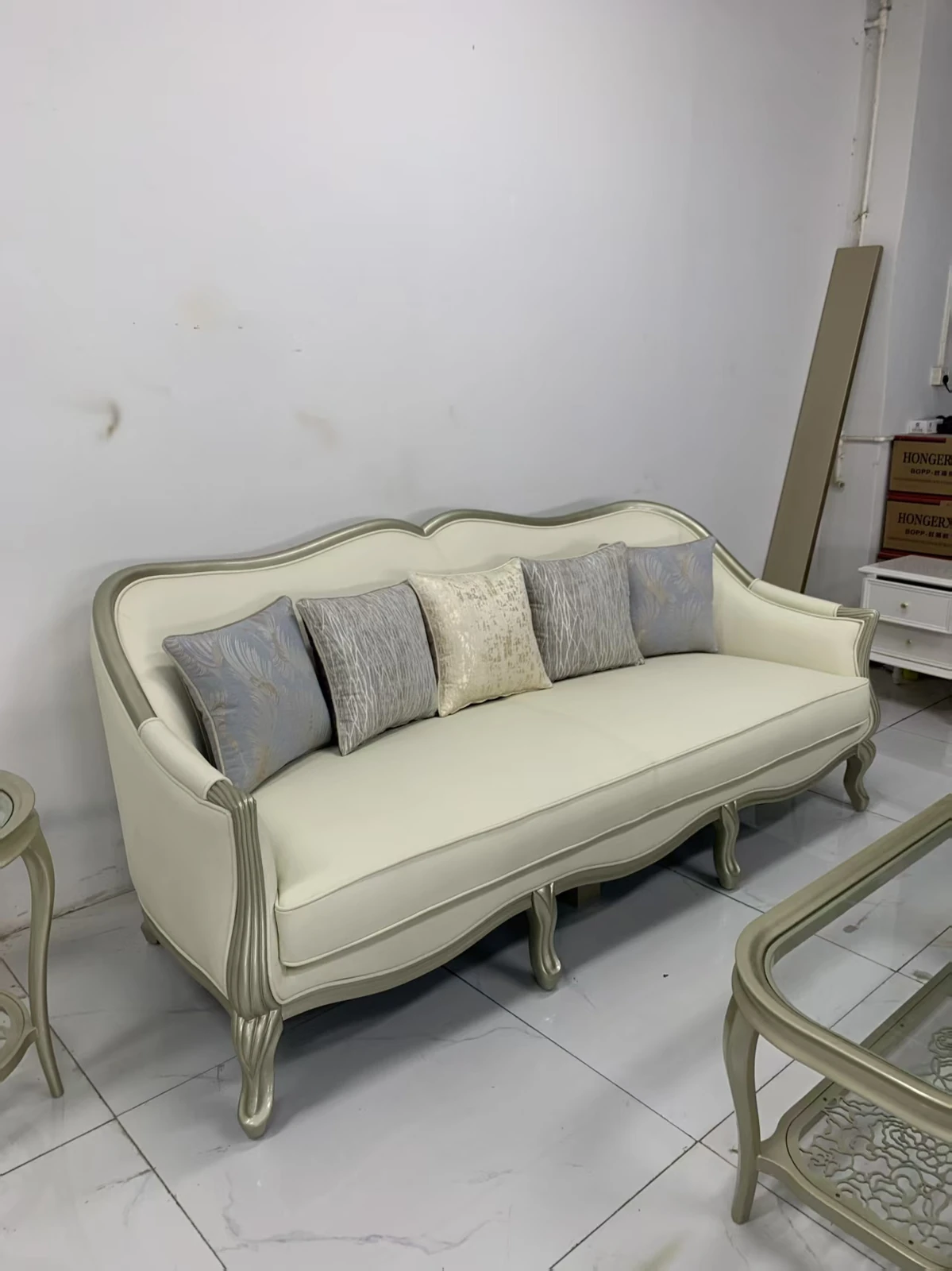
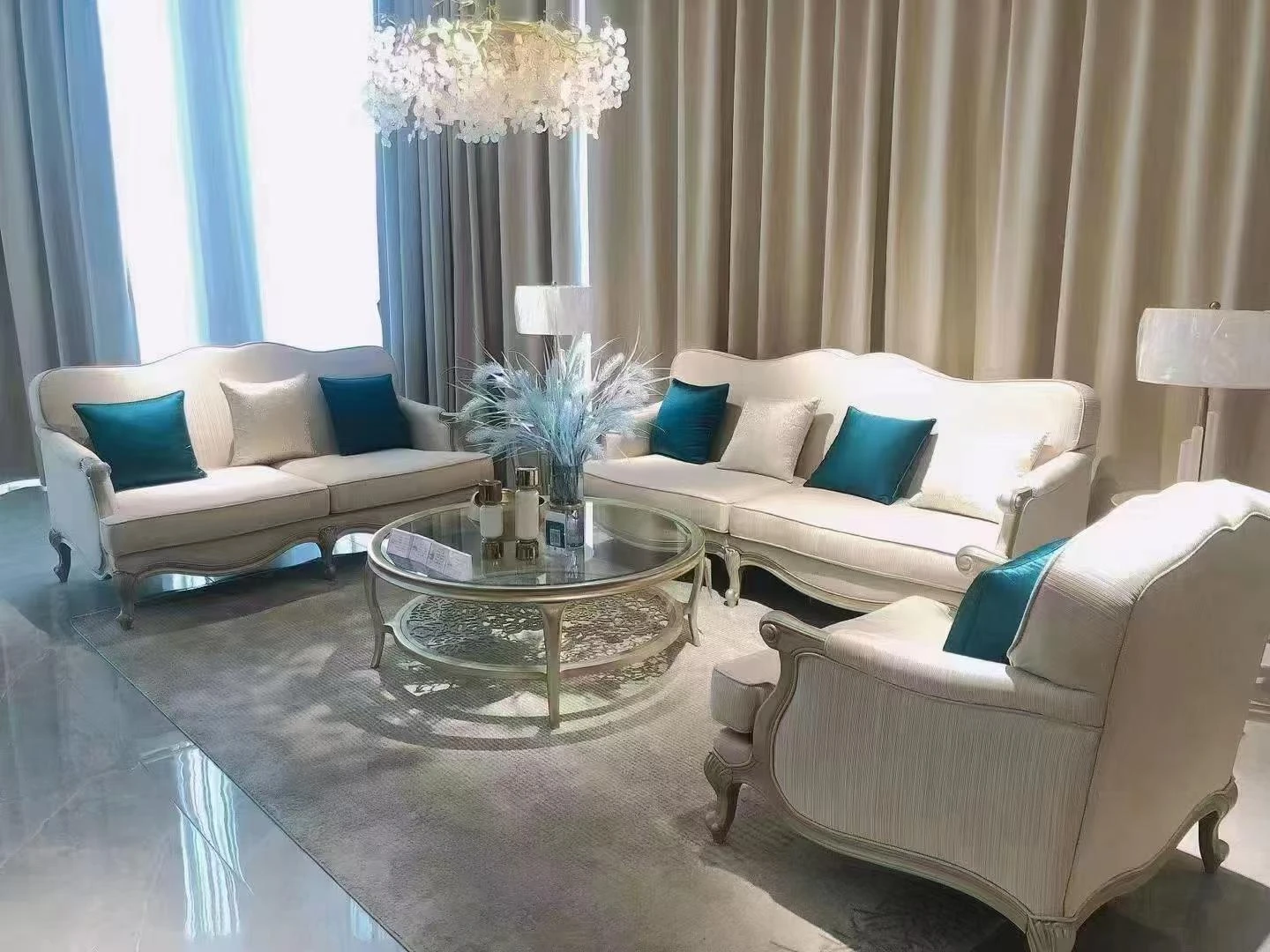
Whether you're furnishing a HDB living room or upgrading your condo lounge, discover expert insights on selecting, maintaining, and styling genuine leather sofas tailored to Singapore's climate and your budget.
Swipe through our curated guides — each one written for real Singapore homes
Before buying, measure your room's floor space and all entry pathways—hallways, stairs, and elevator doors—to ensure the sofa can be delivered and positioned comfortably. Decide on seating capacity and preferred layout (L-shape, sectional, or traditional). When comparing, prioritize full-grain leather for durability, check stitching density and frame construction, and note leather thickness and finish type. Ask about maintenance requirements, warranty coverage, and whether cushions use high-resilience foam or down blends. Consider arm style, seat depth, and leg height for practical cleaning access. Finally, verify return policies and lead times, especially for customized orders, to avoid costly mistakes.
Full-grain leather is the gold standard for longevity — it develops a rich patina over time rather than cracking. Avoid bonded or faux leather, which delaminates within a few years. Check that the frame is kiln-dried hardwood, not softwood or particle board, and confirm corner joints use dowels, double-stapling, or mortise-and-tenon construction instead of staples alone. High-density foam (at least 30 kg/m³) retains its shape. Be cautious of thin leather below 1.2 mm or any sofa with a split-leather top layer, which peels with friction. Signs of poor quality include squeaking frames, loose stitching, excessive shine on the surface, and leather that feels plasticky. In humid climates like Singapore or Bangkok, proper tanning and finishing become even more critical — ask whether the leather is aniline or semi-aniline dyed.
Singapore and Malaysia’s relentless humidity demands leather that breathes and resists mould—full-grain or top-grain hides treated for moisture, with tightly woven covers to prevent sweat absorption. Japanese and Korean buyers, where apartments are compact and winters are dry with heating, prioritise slim-profile sofas in scratch-resistant, medium-tone leathers that complement minimalist interiors and endure high foot traffic. Thailand’s extreme heat and humidity push the need for heavy-duty, aniline-friendly leathers that withstand frequent cleaning and resist cracking under intense sun exposure near windows. Across all five markets, practicality trumps pretence: consider removable covers, stain-repellent finishes, and leather grades matched to local weather patterns rather than imported aesthetics alone.
Shoppers across Asia frequently ask: Is it real leather or a composite? Seek terms like ‘full-grain’ or ‘top-grain’; bonded leather wears faster. How to care for it in humid conditions? Blot spills promptly, clean weekly with a leather-safe wipe, and condition biannually to guard against dryness. Will pets damage it? Top-grain leather withstands minor scratches and ages gracefully, though pointed claws can puncture. Does it feel hot in tropical heat? Genuine leather breathes better than most fabrics, promoting air circulation. Can I get it through my apartment door? Measure hallways and stairs beforehand; some designs feature detachable arms or modular pieces. Lastly, what warranty protects my purchase? A credible brand should guarantee the frame and leather for at least five years.
Answers to what Singapore buyers ask most
Want the longer version? Browse all buying guides for this category.