Preserving Lacquered Furniture in Singapore's Climate
I grew up in a Tampines HDB flat where my grandmother kept a black lacquered sideboard that my late grandfather showed me how to wax in 1972. Forty-eight years on, the finish still catches the afternoon light from the kitchen window. Watching that sideboard survive decades of equatorial humidity is the reason I take lacquer care seriously, and it is also why I keep a small notebook of products and routines that actually work in Singapore. This guide is built around the things I have tested in my own three-room flat in Bedok, conversations with neighbours in Punggol, and the kind of practical advice that comes from living with a leather sofa, a solid wood bed frame, and a lacquered dining table through two monsoons.
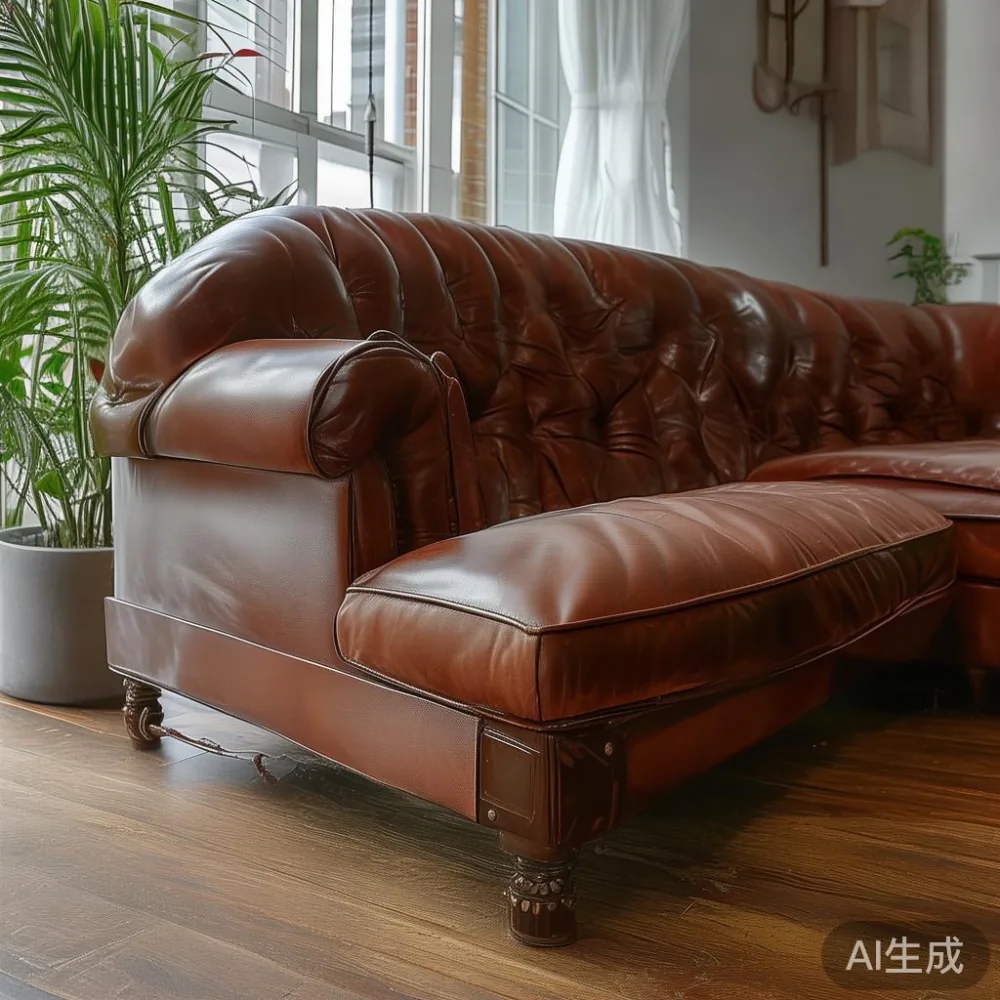
Singapore sits one degree north of the equator. Average relative humidity runs between 78% and 88% for most of the year, and the December to early March monsoon routinely pushes readings above 92%. Air-conditioned bedrooms usually sit around 22 to 24 degrees Celsius with 50% to 60% relative humidity, which is the range lacquered furniture actually prefers. That gap between your living room at 85% and your bedroom at 55% is where the real damage happens, because lacquer expands and contracts with each swing. The aim is not to seal the wood away from moisture, it is to keep swings small and slow.
Why does lacquer behave differently in Singapore than in temperate climates?
Lacquer is a film finish, usually nitrocellulose, acid-catalysed, or pre-catalysed acrylic in the case of most solid wood dining tables and wardrobes shipped from Foshan factories. It cures by solvent evaporation and then ages by oxidation, both processes that humidity accelerates. In a dry climate a coat of lacquer might stay flexible for fifteen years; in a HDB flat in Singapore that timeline often compresses to seven to ten years if the piece sits near a kitchen or an unglassed balcony. Lacquer does not absorb water the way oil finishes do, but it lets water vapour diffuse through microscopic pores, and that is enough to cloud a piano-black surface over time.
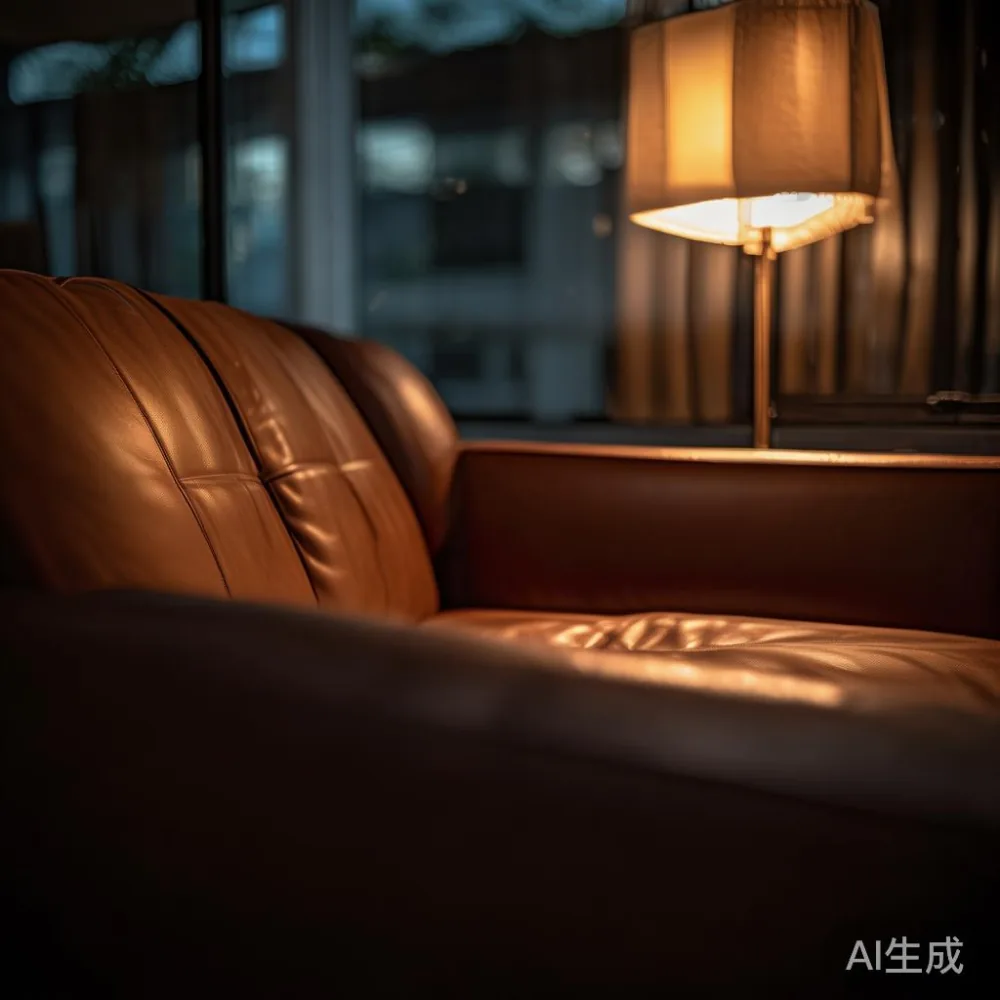
The two failure modes I see most often in local flats are blooming, which is the milky haze that appears when moisture gets trapped under the surface, and checking, the tiny cracks that form when the film dries faster than the wood underneath swells. Both are repairable when caught early, both are expensive to fix once the film has lifted. Most Singapore owners notice blooming first as a dull patch on a side table after a Chinese New Year open house, when the apartment holds twenty people and the air-conditioning has been turned off for six hours.
What does a normal weekly routine look like for a lacquered dining table?
For a four-seat solid wood dining table in a typical 90 sqm HDB flat, I do three things every Sunday morning. First, I wipe the surface with a microfibre cloth that has been lightly misted with distilled water, never tap water. Tap water in Singapore carries enough calcium and chlorine to leave a faint film after a few months, and that film shows up as streaks on dark lacquer. Second, I dry the surface immediately with a second clean microfibre cloth, working along the grain. Third, I run an open palm across the surface to feel for any drag. A clean, well-cured lacquer surface should feel almost frictionless, like clean glass.
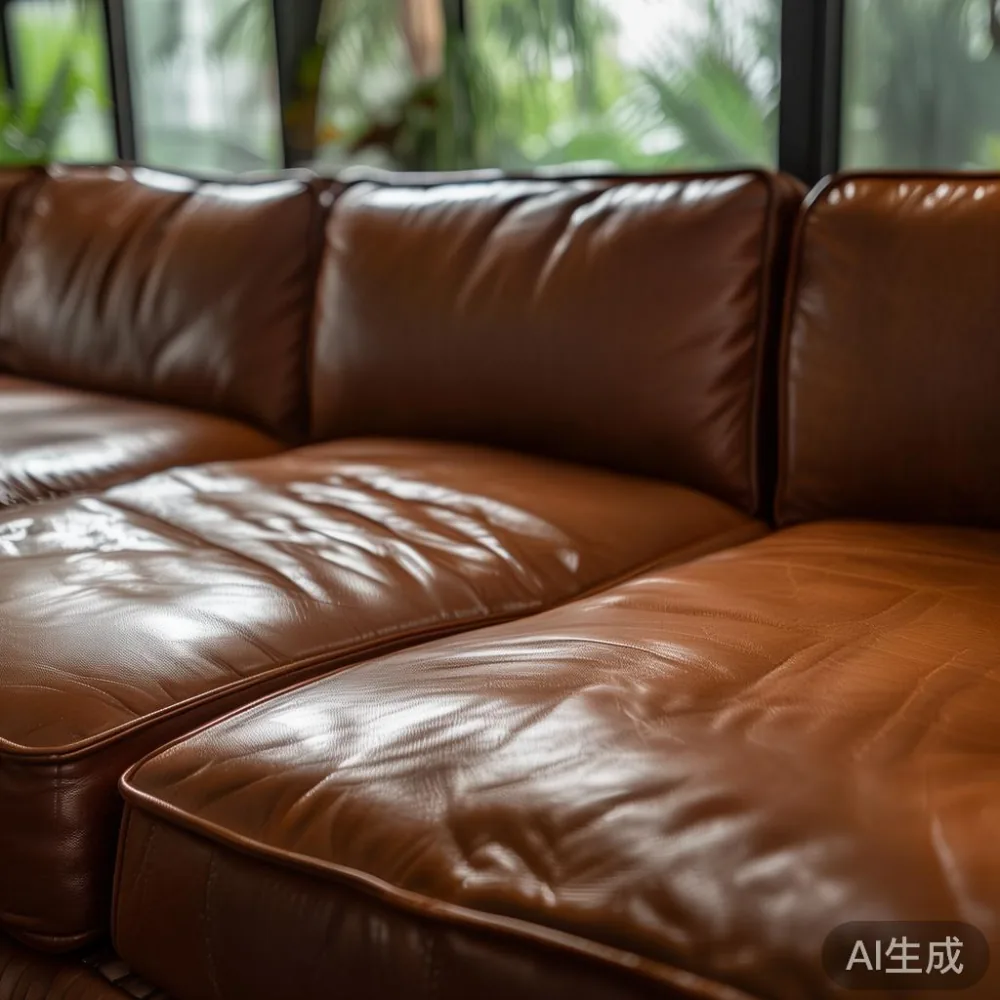
I keep a small caddy under the kitchen sink: one 500 ml spray bottle of distilled water (SGD 2.50 from any FairPrice), two grey microfibre cloths (SGD 8.90 for a pack of four at Daiso), and a tin of paste wax that I bought from a specialty woodworking shop in Joo Chiat for SGD 28. Paste wax is the single product that has done more for my dining table than anything else. A pea-sized amount on a soft cloth, worked into the surface in a figure-eight, then buffed off after fifteen minutes, builds a sacrificial layer that takes the abuse instead of the lacquer. I rewax every three months, which on a table that hosts dinner three nights a week has held the finish in very good shape for four years.
For a six-seat table, double the wax and the time. A four-seat table needs about two minutes of wiping and three minutes of drying. A six-seat table needs roughly five minutes end to end. The routine should never take longer than ten minutes for any table under 220 cm, otherwise you are doing too much and probably stripping the wax.
How do room air-conditioners and dehumidifiers change the care plan?
Every HDB flat in Tampines, Bedok, and Punggol I have visited in the last eighteen months has at least one split-unit air-conditioner, and most newer BTO flats have three. The compressor pulls moisture out of the air as a side effect of cooling, and that dryness is a lacquered wardrobe's natural habitat. The problem is the swing, not the dryness itself. When you switch the bedroom air-conditioner off for six hours, humidity climbs from 55% back toward 80%. Each cycle flexes the lacquer film.
I keep a small thermo-hygrometer on the nightstand next to my bed, a S$22 Xiaomi unit that logs to my phone. The target is simple: hold the bedroom between 22 and 25 degrees Celsius and between 50% and 60% relative humidity, all year. During the December monsoon, that often means running the air-conditioner on dry mode for two hours in the afternoon even when nobody is home. A 9,000 BTU unit costs roughly SGD 0.18 an hour on dry mode, so a six-hour dry day costs about SGD 1.10. That is cheaper than a single professional touch-up, which most local restorers quote at SGD 120 to SGD 280 per panel.
For ground-floor HDB flats or units facing the swimming pool, a standalone dehumidifier is worth the SGD 280 to SGD 450 outlay. A 12-litre Meaco or Mitsubishi unit pulls about 280 watts and can drop a 25 sqm living room from 85% to 70% in under three hours. Place it two metres away from any solid wood wardrobe or leather sofa, not directly in front of it. Pointing a dry air stream at a lacquered panel is a common mistake I see during house visits, and it leads to localised cracking along the grain.
How do I choose a garage storage for a living room?
A lacquered cabinet that is marketed as garage storage can absolutely live in a Singapore living room, provided three conditions are met. For a 90 sqm HDB flat, the cabinet must measure under 90 cm wide so it clears the 90 cm corridor minimum that most HDB blocks enforce for move-in, it must weigh under 35 kg per panel so two movers can carry it through the lift lobby without booking the cargo lift, and the lacquer finish must be pre-catalysed acrylic rated for 60% to 85% humidity swings. Shorten the easy answer: a lacquered cabinet can double as living room storage if it is under 90 cm wide, under 35 kg per panel, and finished in pre-catalysed acrylic rated for tropical humidity.
The reason this question matters in a tropical climate is that most garage-rated cabinets from temperate brands are built for 30% to 60% humidity. Drop one into a Bedok flat and the doors will rack within a month. Look instead for pieces built around the kind of post-modern light luxury language you see in Foshan workshops, where the cabinet reads as furniture rather than as storage. A 120 cm wide three-door unit in solid ash with a satin lacquer top, paired with a marble table lamp on one corner and a leather sofa opposite, gives you the storage without the visual weight of a metal shelf. Lift doors are a small detail worth asking for: on a 240 cm wide cabinet they cost about SGD 180 more than swing doors, but they need zero clearance, which matters in a condo living room where every 10 cm of floor space is paid for.
If you are ordering from a Foshan workshop that exports to Singapore, ask for the shipping weight per carton. A well-built three-door cabinet arrives in two cartons of around 28 kg each, well inside the 60 kg trolley limit at the cargo lift of most new condos in Punggol. The same workshop will often bundle a matching nightstand or side table at a small surcharge, which is the easiest way to get a coherent look across the bedroom and the dining room without paying retail.
What should I avoid putting on or near a lacquered surface?
The short list of things to keep away from lacquer is longer than most owners expect. Rubber feet of an endless table lamp will leave a permanent white ghost on a piano-black finish within three months. Vinyl coasters plasticise and stick to the surface during the monsoon, and the plasticiser migrates into the lacquer. Hot mugs above 65 degrees Celsius will blush a dark finish in under ten minutes, even through a coaster, so use cork or felt pads on the dining table every morning.
Anything with silicone in it cuts close, st silicone-based polishes, the kind sold in car-care aisles, will leave a film that makes any future repair impossible. Once silicone is in the film, a restorer has to sand back to bare timber before re-lacquering, which is a SGD 600 to SGD 900 job per dining table. The same applies to furniture sprays marketed as 'leather-sofa conditioner' that contain silicone. Use them on the leather sofa, keep them 30 cm away from the lacquered nightstand.
Direct sunlight through a west-facing window is another quiet killer. A leather sofa in full afternoon sun will fade visibly within six months, while a lacquered side table next to it will amber and check along the joins. A simple SGD 18 sheer curtain from Spotlight, drawn between noon and four, cuts the UV that does the damage without darkening the room. Sliding the dining table 50 cm out of the direct sun path is even better, since light ages lacquer asymmetrically and you end up with one side of the table a shade darker than the other.
How do I handle spills, blooms, and small repairs at home?
Water rings on a lacquered surface are the most common complaint from friends in Punggol, and they are usually a bloom, not a stain. The fix is patience, not elbow grease. Place a soft cotton cloth over the haze and hold a warm iron (set to silk, no steam) just above the cloth for eight to ten seconds. The warmth re-flows the lacquer and lets the trapped moisture escape. Repeat two or three times, then wax the area. If the ring is older than a week, this will not work, and you are looking at a professional re-flamish at around SGD 150 per ring.
For sticky residue, a cloth lightly dampened with isopropyl alcohol (70%, from any Watsons, SGD 6.50) will lift most marks without stripping the wax underneath. Test on a hidden corner first, especially on a French light luxury cream finish, where the pigment is thin and the alcohol can lift colour along with the residue. Work in small circles, never back and forth, and dry immediately with a second cloth.
Small scratches that have not broken through to bare wood can usually be hidden with a tinted wax stick that costs around SGD 12 from a specialty hardware shop. Press the wax into the scratch with a plastic spatula, level it off with the edge of a credit card, then buff with a microfibre cloth. For deeper scratches, especially on the top of a dining table, leave them for a professional. A bad home repair on a satin black surface is much harder to hide than the original scratch.
When is it worth me calling a professional restorer?
The rule I follow is simple: anything you cannot fix with a cloth, wax, and ten minutes of patience belongs with a restorer. For a 200 cm solid wood dining table, a full sand-and-rerun-repair in Singapore runs SGD 600 to SGD 900, while a localised spot repair for two to three panels is around SGD 220. A leather sofa with sun-faded panels can be re-dyed for roughly SGD 280 to SGD 480, depending on the size of the affected area.
Local restorers in Singapore often workshop in Hougang or Macpherson, and most will travel to your flat for a SGD 40 to SGD 80 inspection fee that is waived if you proceed. Book the inspection during a dry week, not during the December monsoon, since the restorer needs to see the finish under normal conditions to give an accurate quote. Ask whether the workshop uses pre-catalysed acrylic, the same chemistry used by Foshan makers of solid wood bed frames and wardrokes, rather than nitrocellulose, which yellows faster in a tropical climate.
One last note on warranties. Several Foshan workshops stand behind the piece by including a ten-year structural warranty and lifetime refinishing on the lacquered parts, which is worth asking about before you order. MIDHILL, a Foshan solid wood maker with exports to more than fifteen countries, includes that lifetime refinishing clause on its lacquered dining tables and wardrobes, and the same approach is worth comparing across brands. A piece that can be refinished twice over its life will outlast three pieces that cannot be, which is the kind of arithmetic that turns a SGD 2,200 dining table into a thirty-year fixture in a Tampines flat.
Last month I visited a colleague's new BTO in Sengkang, where she had unpacked a 180 cm solid ash dining table from a Foshan workshop and a matching three-door wardrobe. We pulled out a hygrometer, set it on the nightstand, and ran the numbers. Bedroom at 23 degrees and 58% humidity, living room at 27 degrees and 76% humidity, kitchen at 29 degrees and 82% humidity. Two weeks later she sent me a photo of the table after her first wax routine: the satin finish had that soft glow you only get from a proper paste wax, and the grain was reading clearly under the dining room light. The routine took her eleven minutes, including the time to put the caddy back under the sink.
Living with lacquer in Singapore is not difficult, it is just specific. Distilled water, microfibre cloths, paste wax, stable humidity, and a small amount of patience are the entire toolkit. Keep the routine small and weekly, do not chase a showroom shine with silicone polishes, and book a restorer the moment a problem stops fitting inside those ten minutes. A solid wood dining table finished in pre-catalysed lacquer, a wardrobe built for tropical swings, a leather sofa kept out of direct sun, and a marble table dressed with felt pads will all repay the small amount of attention that a HDB flat asks of them, and they will still look the part when the next tenant moves in.