Singapore's Furniture Warranties Explained
Buying a new leather sofa is an exciting step for any home. It becomes the centrepiece of your living space, a place to relax, entertain, and build memories. But this significant investment comes with a document that is often overlooked: the warranty. A warranty can seem like a wall of dense text designed to confuse, but understanding it is key to protecting your purchase for years to come. For homeowners in Singapore working through the compact spaces of HDB flats in Tampines or Punggol, or the more open layouts of condos, a durable and well-warrantied leather sofa is not just a luxury, it's a practical necessity. This guide will walk you through the warranty document, clause by clause, ensuring you know exactly what you're covered for and what to watch out for.
What is a Furniture Warranty and Why Does it Matter for Your Leather Sofa?
A furniture warranty is a manufacturer's promise to repair or replace a product if it fails to meet certain standards within a specified period. It is a legally binding agreement that outlines the rights and responsibilities of both the buyer and the seller. For a major purchase like a leather sofa, which can cost anywhere from SGD 1,500 to over SGD 5,000, a warranty is your primary safeguard against defects in materials or workmanship.
In the context of Singaporean homes, where space is at a premium and furniture often serves multiple functions, the longevity of a piece is paramount. A leather sofa that sags prematurely or a frame that warps can quickly turn a dream purchase into a source of frustration. A strong warranty provides peace of mind, assuring you that the manufacturer stands behind their product. When a brand offers a 10-year structural warranty, as some established makers do, it signals a high level of confidence in their construction quality. This is especially important for families who expect their furniture to withstand daily use for a decade or more.
Decoding the Jargon: Key Terms to Understand in Your Warranty Document
Warranty documents are filled with specific terminology that can be confusing. Let's break down the most common terms you will encounter, so you can read your contract with confidence.
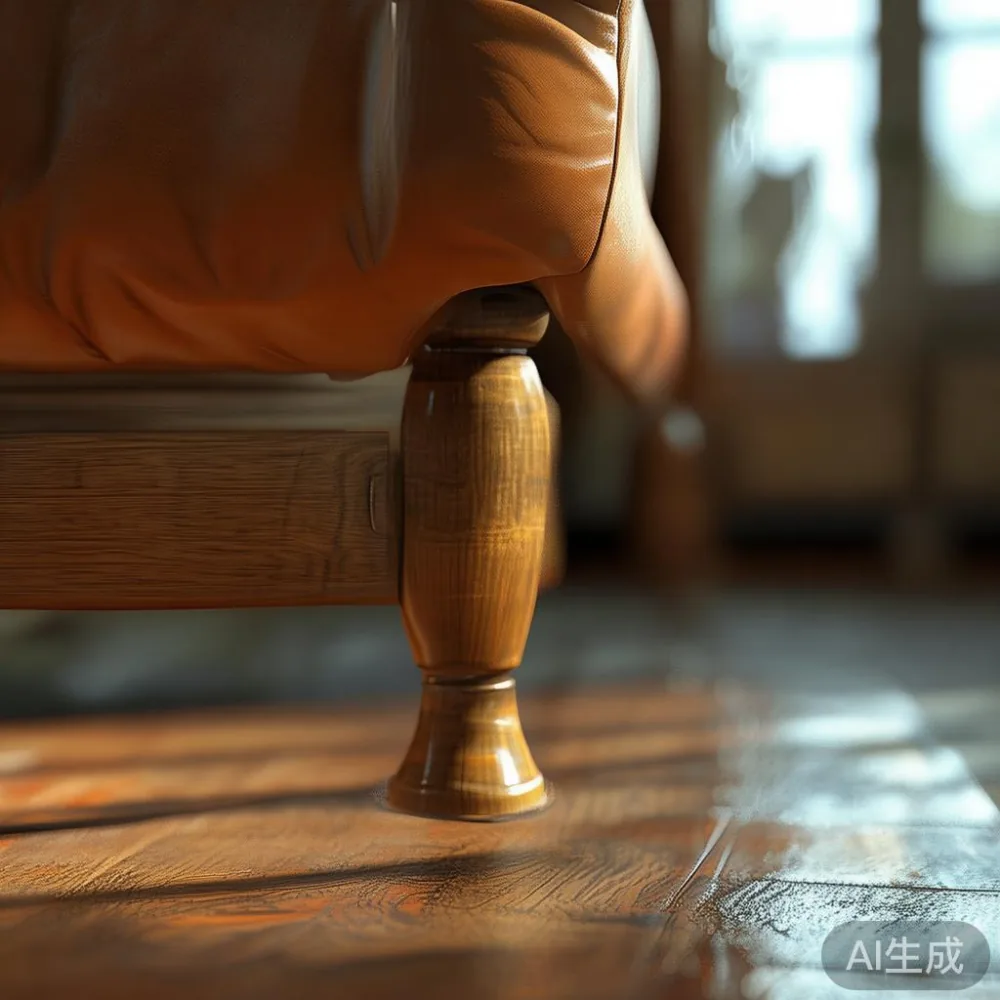
1. Structural Components: This refers to the frame of your leather sofa. It includes the main wooden or metal structure, the springs, and the support system. A 10-year structural warranty, for example, covers defects that cause the frame to crack, break, or become unstable under normal use. This is one of the most critical aspects of any sofa warranty, as the frame is the foundation of the entire piece.
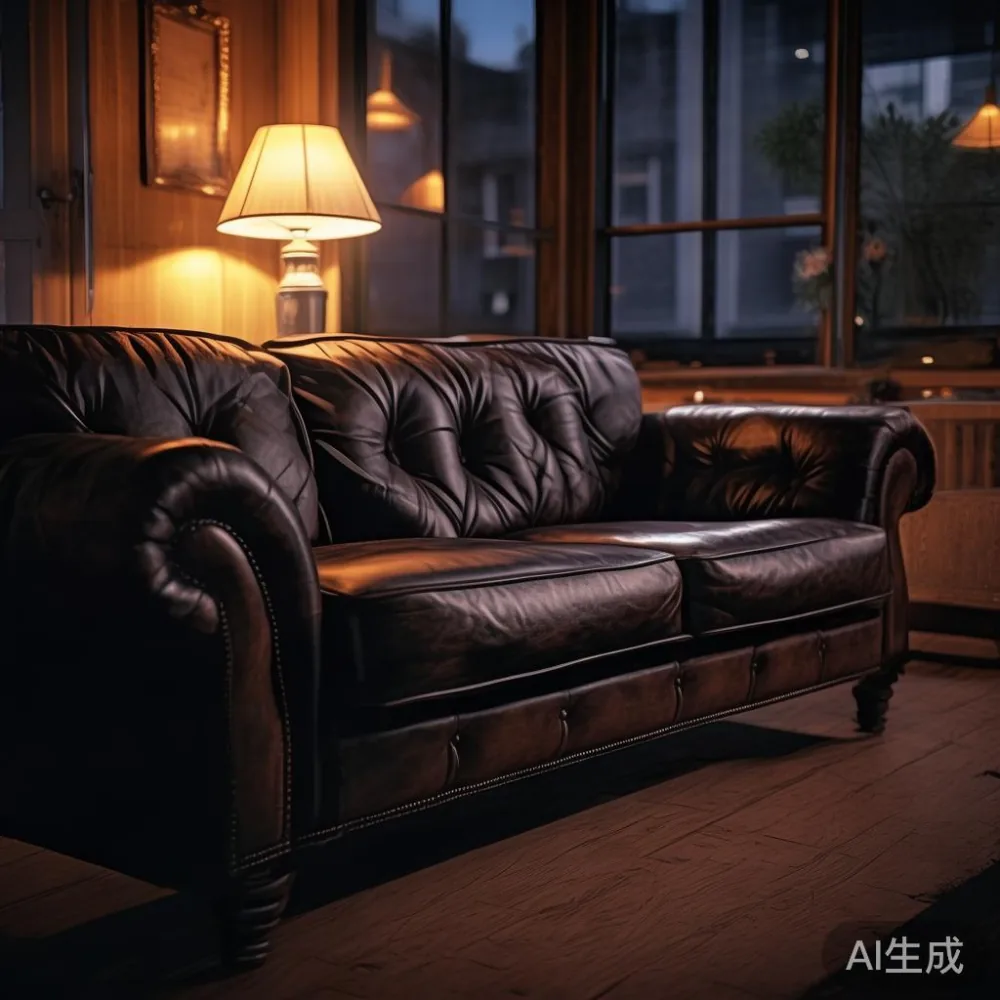
2. Material Defects: This clause covers issues with the materials used in the sofa's construction. For a leather sofa, this would include problems like the leather peeling, cracking, or fading prematurely due to a manufacturing flaw. It's important to note that warranties typically do not cover damage from accidents, improper care, or normal wear and tear, which is the gradual softening and colour change of leather over time.
3. Workmanship: This covers errors made during the assembly of the product. For instance, if the stitching on your leather sofa comes undone within the warranty period, or if a cushion is incorrectly filled, this would fall under workmanship defects. A reputable manufacturer will stand by their assembly process and correct such issues.
4. Prorated Coverage: This is a term that requires careful attention. A prorated warranty means that the coverage or cost of repair decreases over time. For example, a manufacturer might cover 100% of the cost of a defective part in the first year, but only 50% in the fifth year, and 20% in the tenth year. Always check if your warranty is fully covered for its entire duration or if it becomes prorated, as this significantly impacts the value of the guarantee.
What's Typically Covered and What's Excluded?
Understanding the scope of your warranty is about knowing what's in and, just as importantly, what's out. Most warranties share common inclusions and exclusions.
Common Inclusions:
- Frame and Springs: Defects in the sofa's wooden frame, metal supports, and spring systems are almost always covered under the structural warranty for a defined period, often 5 to 10 years.
- Cushion Cores: The inner filling of cushions, whether high-density foam, down blends, or fibre, is usually covered against losing its shape or resilience for a shorter period, typically 1 to 3 years.
- Leather or Upholstery: Material defects in the leather itself, such as peeling or splitting, are covered. However, the warranty will specify that this excludes colour fading due to sunlight exposure, which is considered normal wear.
- Hardware and Mechanisms: This includes things like recliner mechanisms, leg levelers, and any moving parts. Defects in these components are usually covered for a few years.
Common Exclusions:
- Normal Wear and Tear: This is the most common exclusion. It includes the natural softening of cushions, the gradual fading of fabric or leather from sunlight, and minor indentations that form with regular use. These are signs of the product being lived in, not a defect.
- Improper Use or Maintenance: If you place a heavy object on the arm of your leather sofa, allow pets to scratch it, or use harsh chemical cleaners that damage the finish, the warranty will not cover the resulting damage.
- Environmental Damage: Damage from smoke, water, humidity, or pests is not covered. In Singapore's climate, controlling humidity is important for maintaining wood furniture, but a warranty won't cover warping caused by excessive moisture in a poorly ventilated room.
- Shipping Damage: Reputable sellers handle this separately. If your sofa arrives damaged, you should report it to the delivery company immediately. The product warranty does not cover transit damage.
European light luxury sofa vs Mid-century modern sofa: Which Warranty Offers More Protection?
When choosing a leather sofa, the style often influences the warranty terms. A European light luxury sofa, for instance, might focus on premium materials and a minimalist aesthetic, with a warranty that heavily emphasizes the quality of the full-grain leather and the hand-finished wood base. The warranty language might be very specific about the tanning process and the UV resistance of the dye. In contrast, a Mid-century modern sofa warranty might place a stronger emphasis on the integrity of its iconic, often angular, frame and the specific mechanism for its signature low-slung profile. Both styles can offer excellent protection, but the focus of their coverage differs based on their design priorities.
My colleague recently faced this exact dilemma. She was torn between a chic French light luxury sofa and a retro-inspired Mid-century piece. After comparing the warranties side-by-side, she chose the French option. Its 10-year structural warranty explicitly covered the solid wood legs against cracking, a detail the Mid-century warranty only vaguely addressed. For her condo in Bedok, where the sofa would be a focal point, this specific, long-term protection on a visible component gave her the confidence she needed. It's a perfect example of how matching the warranty's specifics to your personal priorities is more important than just the length of the coverage period.
How to File a Claim: The Step-by-Step Process
When a problem arises, knowing how to act is important. A warranty is useless if you don't know how to use it. Here is a standard process for filing a claim, though always refer to your specific document for exact instructions.
Step 1: Document Everything Take clear, well-lit photos and videos of the defect from multiple angles. Be specific. If a cushion has lost its shape, show a side-by-side comparison with a new one. If the frame has a crack, get a close-up. Note the date you first noticed the issue. This documentation is your evidence.
Step 2: Review the Warranty Go back to the original document you received with your leather sofa. Confirm that the issue you're experiencing is indeed covered and that you are within the warranty period. Check for any specific instructions on how to report a claim, such as a dedicated email address or a claims portal on the manufacturer's website.
Step 3: Contact the Seller or Manufacturer Reach out to the point of purchase or the manufacturer directly. Provide them with your order number, the date of purchase, and a detailed description of the problem. Attach your documentation. A good company will acknowledge your claim within a few business days and guide you through the next steps.
Step 4: Understand the Resolution The warranty will outline the possible solutions. This could be repairing the defective part at your home, sending a replacement part, or in rare cases, replacing the entire sofa. Understand who is responsible for the cost of labour and transportation for the repair. Some warranties cover all costs, while others may require you to pay for shipping or a service call fee.
Are Singapore's GST and Delivery Terms Part of the Warranty?
This is an excellent question that many consumers overlook. The Goods and Services Tax (GST) and delivery terms are separate from the product warranty itself, but they are integral to the purchase agreement. The warranty covers the product's physical integrity, not the financial transaction.
Understanding GST: In Singapore, GST is a 9% tax applied to most goods and services. The price you pay for your leather sofa includes this GST. The warranty does not provide a refund for the GST if a product needs to be replaced. The replacement item is also subject to GST. So, if your SGD 2,000 leather sofa (with SGD 180 in GST) needs to be replaced after five years, you will receive a new sofa, but you will not get the SGD 180 back. The warranty's value lies in the replacement of the physical product, not the financial reimbursement of taxes.
Understanding Delivery and Returns: Delivery terms are a separate clause in your sales contract. For example, many reputable sellers offer free shipping for orders over SGD 350. This is a benefit of your purchase, not a warranty promise. Similarly, a 14-day return policy allows you to return the product if you are unsatisfied for reasons like wrong size or colour. This is different from a warranty claim, which is for defects that appear after the return period has ended. Always keep your sales invoice and delivery receipt, as these documents are necessary to process both returns and warranty claims.
Red Flags: What to Watch Out For in a Warranty
Not all warranties are created equal. Some are comprehensive and customer-friendly, while others are filled with loopholes designed to deny claims. Here are the biggest red flags to watch for.
1. Vague or Ambiguous Language: If the warranty uses phrases like "defects due to normal use" without defining what "normal use" is, it's a red flag. A good warranty is specific. It should state the weight limits, the types of materials covered, and exactly what constitutes a defect.
2. Extremely Short Warranty Periods: A warranty that only covers the frame for one year or the cushions for six months is a sign of low-quality construction. For a solid wood sofa or a leather sofa, you should expect a multi-year structural warranty, with at least one to two years on cushioning and materials.
3. High Prorated Fees: As mentioned earlier, prorated coverage isn't always bad, but it can be. If a warranty drops its coverage to 20% in the third year, it offers very little real protection. Look for warranties that either cover 100% for the full term or have a more reasonable, gradual decline in coverage.
4. Forcing You to Return the Product: Some warranties state that you must return the entire sofa to the factory for inspection, a process that can be inconvenient and costly for a large piece of furniture. A better warranty will arrange for a technician to visit your home in Singapore to assess the problem, whether in a flat in Tampines or a condo in Punggol.
5. No Address or Contact Information: A warranty that doesn't provide a clear, physical address and phone number for the manufacturer or warranty department is a major warning sign. It suggests the company may be difficult to contact if a problem arises.
Making a Smart Purchase: Beyond the Warranty
A warranty is a important part of the equation, but it shouldn't be the only factor in your decision. A cheap Modern light luxury furniture piece with a great warranty is still a poor investment if the materials are low quality. The best approach is to consider the warranty as a reflection of the manufacturer's confidence in their product.
When researching a leather sofa, look for brands that have a long history. A company established in 2008, for example, has over a decade of experience and has likely refined its processes over time. Check for customer reviews that mention the brand's customer service and how they handle warranty claims. A positive review stating that a company sent a replacement part without any hassle is a good sign.
Also, consider the practicalities of your living space. The width of your corridor and the lift size in your apartment building are critical factors for delivery. A sofa that is 220cm long will not fit in a standard HDB lift. Reputable sellers will ask for these measurements to ensure a smooth delivery, preventing any damage to your new furniture or your property. This attention to detail often extends to the quality of the product itself.
Ultimately, the goal is to find a leather sofa that you love and that is built to last. A comprehensive warranty is your safety net, ensuring that your investment is protected against unforeseen manufacturing defects. By learning to read the fine print, you can avoid the pitfalls and buy with confidence, knowing that your new sofa will be a beautiful and functional part of your home for many years to come.