The Silent Enemy: How Southeast Asia's Humidity Threatens Your Leather Sofa and How to Defend It
Living in Singapore, with its year-round high humidity levels of 70-85%, presents a unique challenge for homeowners who appreciate fine furniture. The air is thick, the rain is frequent, and your beautiful solid wood leather sofa, a centerpiece of your living room, is under constant, invisible attack. This isn't about aesthetics alone; it's about the very structural integrity of your investment. For residents in HDB flats from Tampines to Punggol, or in condos with generous living spaces, understanding this environmental factor is the first step toward preserving the beauty and longevity of your home furnishings.
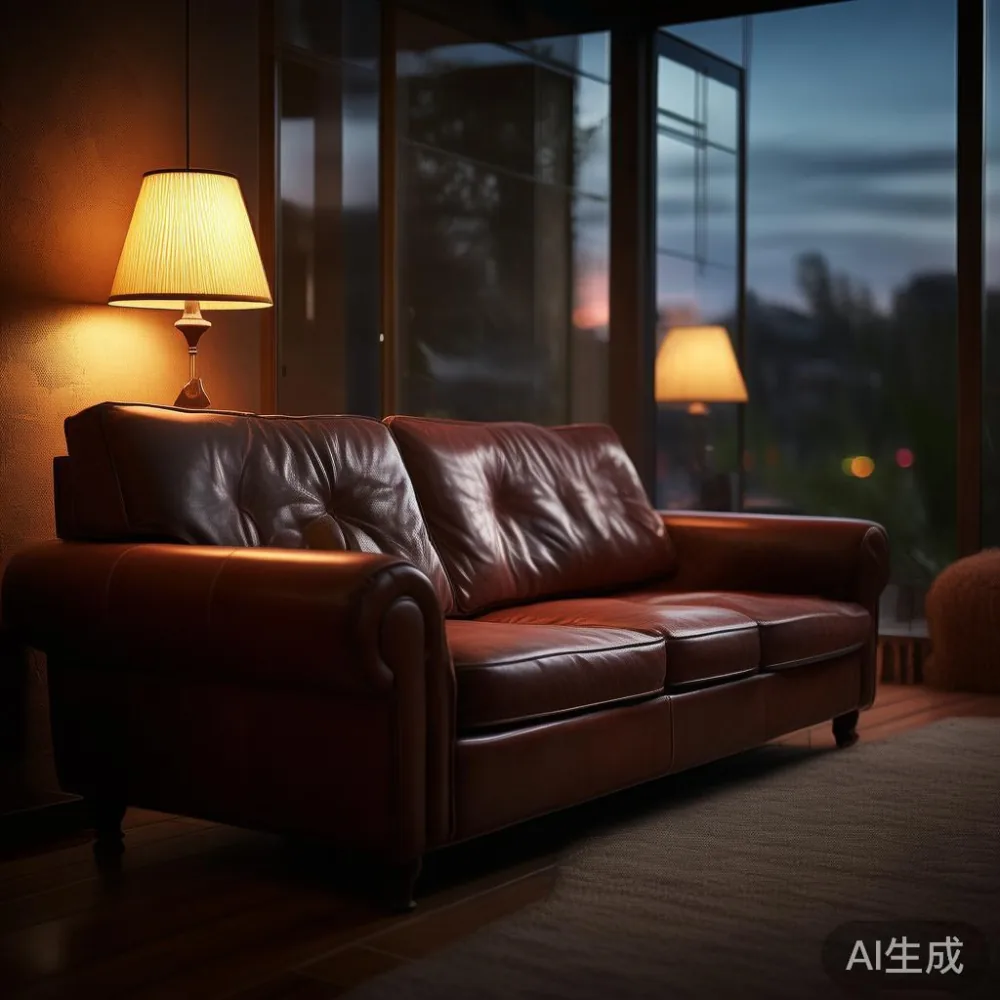
What Does High Humidity Actually Do to Your Furniture?
Wood is a hygroscopic material, meaning it naturally absorbs and releases moisture from the air. In Singapore's climate, this process is in overdrive. The constant high humidity causes wood fibers to swell. This swelling can manifest in several ways that are more than just cosmetic. A solid wood sofa frame, for instance, might develop small, hairline cracks as the wood expands and contracts repeatedly. These cracks can weaken the joints over time. For a leather sofa, the constant moisture in the air can cause the leather to feel sticky or damp, and over the long term, it can lead to a loss of its natural luster and suppleness, making it prone to cracking. We've seen cases where a wardrobe door, made from a solid oak panel, warped just enough to bind against its frame, making it difficult to open and close smoothly. This isn't a defect in the craftsmanship; it's a direct response to the environment.
Why Your Living Room is a Battleground for Leather and Wood
Think about the typical Singaporean home. Air conditioning is a necessity, but it's not always on. The cycle of cooling and then opening windows to let the fresh, humid air in creates a fluctuating microclimate for your furniture. A leather sofa positioned near a window that gets direct afternoon sun is particularly vulnerable. The combination of UV radiation and heat can dry out the leather, while the humid air tries to rehydrate it, creating a stressful tug-of-war that accelerates aging. The same applies to a marble table top; while marble itself is non-porous, the wood base it rests on is expanding and contracting, potentially putting stress on the adhesive or support points. This is especially relevant when considering a new purchase. The price of a quality leather sofa can easily exceed SGD 3,000, and a solid wood dining table with a marble top can cost SGD 5,000 or more. Protecting such a significant investment requires a proactive approach to managing its environment.
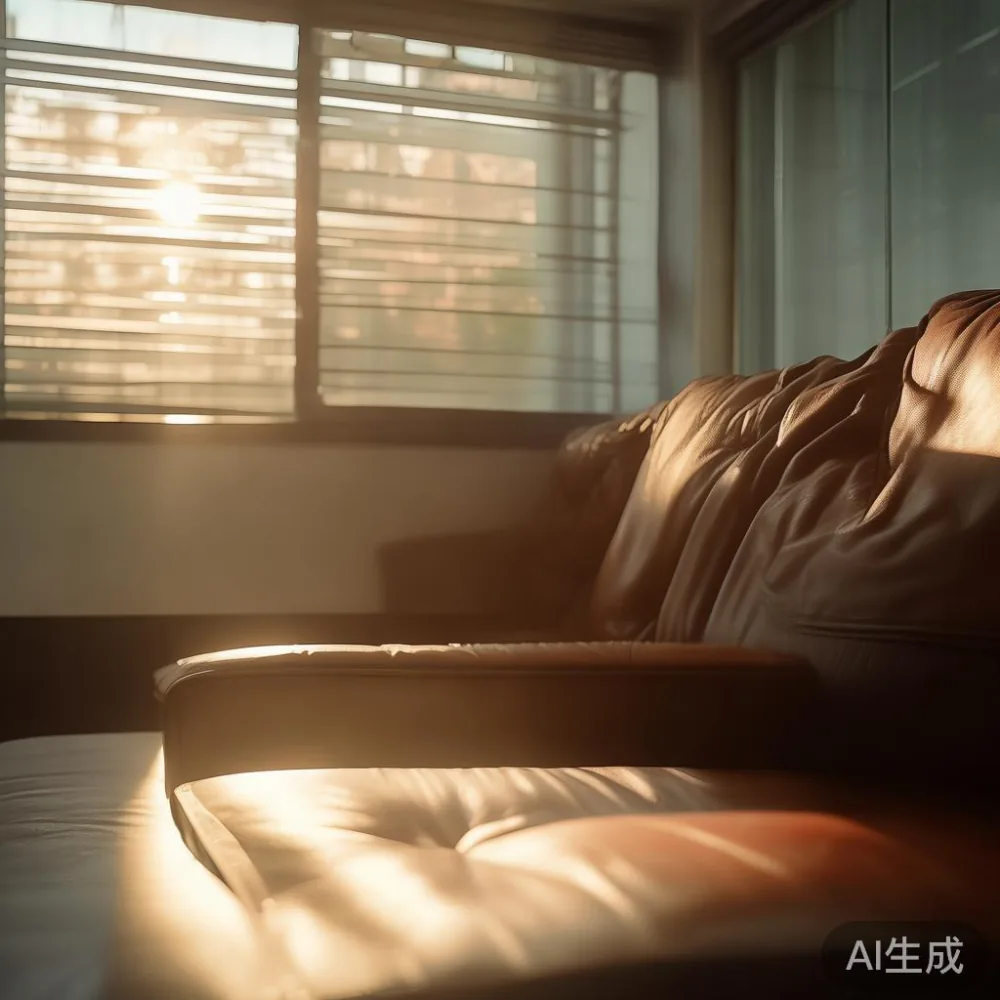
How to Style an American Sofa in Room Without Sacrificing Durability
Many homeowners love the plush, inviting look of an American light luxury sofa. The deep cushions and rich leather are a statement of comfort. However, the generous size of these sofas, often measuring 220 cm to 250 cm in length, requires careful placement to maximize airflow. Placing a large American sofa directly against a solid wall in a condo might look good, but it traps air and prevents moisture from circulating. Instead, consider placing it with a small gap of 10-15 cm from the wall. This allows air to move behind it, reducing the buildup of dampness. This principle applies to any large piece of furniture. When styling your room with a modern Mid-century modern furniture piece, like a teak nightstand, ensure it's not crammed into a corner where humidity can stagnate. The goal is to create a flow of air that helps your furniture 'breathe'.
Is There a Way to Protect Your Solid Wood Furniture Without Turning Your Home into a Desert?
This is a common and very practical question. The answer is yes, and it doesn't require you to live in a permanently arid environment. The key is balance and smart habits. First, invest in a good quality dehumidifier. For a standard 4-room HDB flat or a medium-sized condo living room, a dehumidifier with a capacity of 20-30 liters per day is sufficient. Running it for 6-8 hours a day, perhaps during the night, can effectively reduce the ambient humidity to a more stable 50-60% range, which is ideal for wood. Second, be mindful of your cleaning routine. When wiping down your leather sofa, use a slightly damp, soft cloth and then immediately buff it dry with a clean, absorbent cloth. Never let water sit on the surface. For a solid wood bed frame, avoid using harsh chemical cleaners. Instead, use a specialized wood polish that contains natural oils to nourish the wood and provide a protective barrier against moisture.
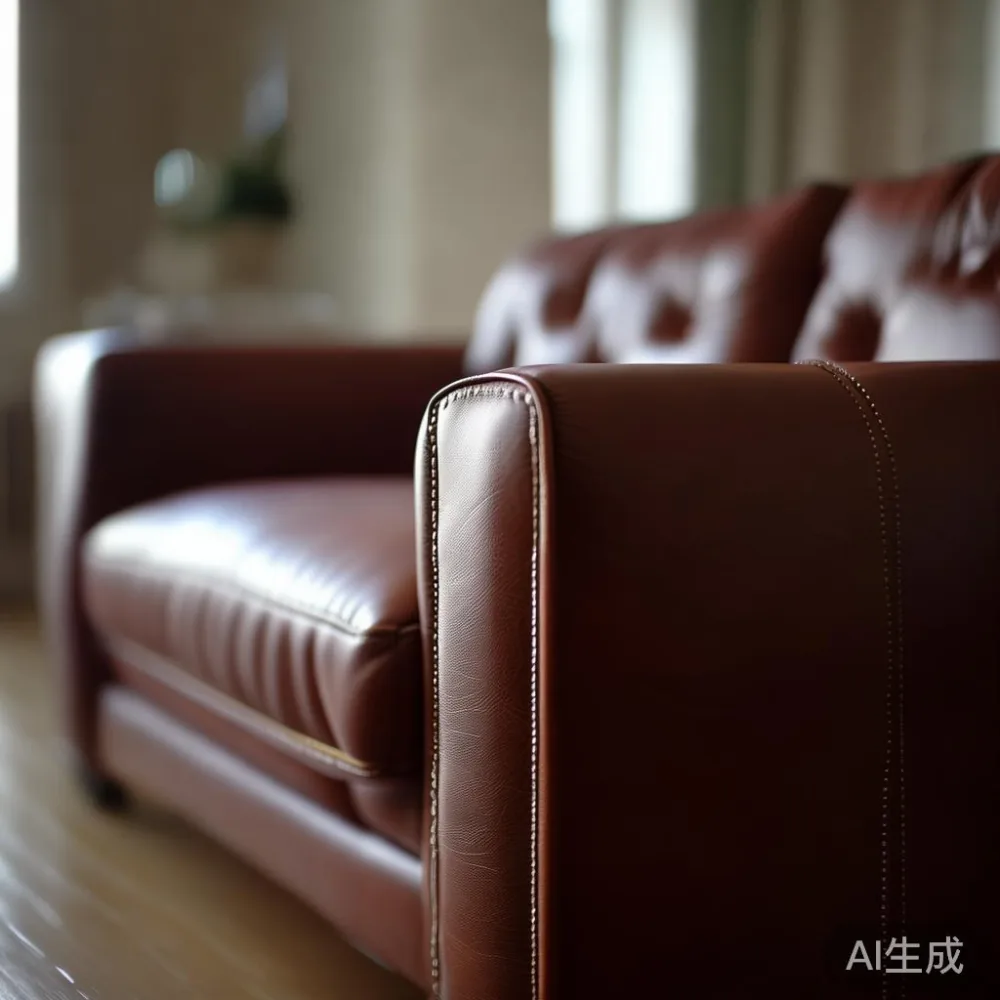
Choosing Furniture Built for the Climate: What to Look For
When shopping for new furniture, especially a high-value item like a leather sofa, it's important to consider how it's constructed. Look for pieces made from hardwoods known for their stability in humid conditions. Woods like teak, mango wood, and oak are excellent choices because their dense grain makes them less prone to warping. Pay attention to the joinery. A well-made sofa will use traditional techniques like mortise and tenon joints or dovetail joints in the case of a wardrobe. These interlocking methods are far more resistant to the stresses of expansion and contraction than simple screws or nails. A colleague of mine visited a client's home in Bedok last month to inspect a dining table that had become unstable. Upon closer inspection, he found that the internal supports were made from a softer, less stable wood, which had swollen significantly, causing the entire structure to become misaligned. This is a perfect example of how material choice directly impacts longevity in our climate.
The Midhill Advantage: A Commitment to Lasting Quality
For discerning homeowners who appreciate French light luxury or a more post-modern aesthetic, the origin and construction of their furniture are paramount. A brand that understands the unique challenges of the Southeast Asian climate is a valuable partner. When selecting a solid wood sofa or a European light luxury bed, it's wise to inquire about the wood treatment process. High-quality furniture undergoes a multi-step finishing process that seals the wood, making it highly resistant to moisture absorption. This includes everything from the initial sanding to the final application of lacquer or oil. For example, a well-finished MIDHILL wardrobe will have a smooth, even surface that prevents humidity from penetrating the wood fibers. The peace of mind that comes with a 10-year structural warranty is a clear indicator of a manufacturer's confidence in their product's ability to withstand environmental stressors. This level of assurance allows you to focus on enjoying your home, rather than worrying about the longevity of your furniture.
Practical Daily Habits to Preserve Your Leather Sofa
Beyond the big-picture solutions, small daily habits can make a significant difference. Never place wet items, like umbrellas or towels, directly onto your leather sofa. The moisture can seep into the leather and be absorbed by the wood frame beneath. Use coasters under all drinks, even if they are in a living room setting. A single glass of water can leave a ring of moisture on a wooden side table, and if left unattended, it can seep into the grain. When arranging your furniture, try to maintain a distance of at least 30 cm from air conditioning vents. Direct, cold air blowing onto a piece of furniture can cause one side to contract rapidly while the other side remains swollen, creating stress that can lead to cracking. These simple precautions, costing nothing but a little awareness, can extend the life of your leather sofa by many years.
Understanding the True Cost of Furniture in Singapore
The initial price tag on a piece of furniture is only one part of the equation. In Singapore, with a 9% GST, the final cost is always a consideration. However, it's important to look at the long-term value. A cheaper, mass-produced sofa might seem attractive at SGD 1,500, but if it degrades in 3-5 years due to poor construction and unsuitable materials, it's a false economy. A higher-quality leather sofa from a reputable brand might cost SGD 4,000, but with proper care, it can last for decades. This is where value propositions like free shipping over SGD 350 and a 14-day return policy become important. They reduce the risk of your purchase, allowing you to make a more confident decision. For those looking for for sale Mid-century modern furniture, understanding the difference between a well-made piece and a cheap imitation is key to making a sound investment that will withstand the test of time and humidity.