Handling Singapore Humidity with Solid Wood Furniture
Singapore’s humidity can change the dimensions, joints and appearance of solid wood furniture, but regular care keeps those changes small and manageable. In HDB flats and private condos across Tampines, Bedok and Punggol, the issue is not simply rain outside. It is warm air entering an air-conditioned home, moisture gathering beside a window and seasonal humidity shifting throughout the year.
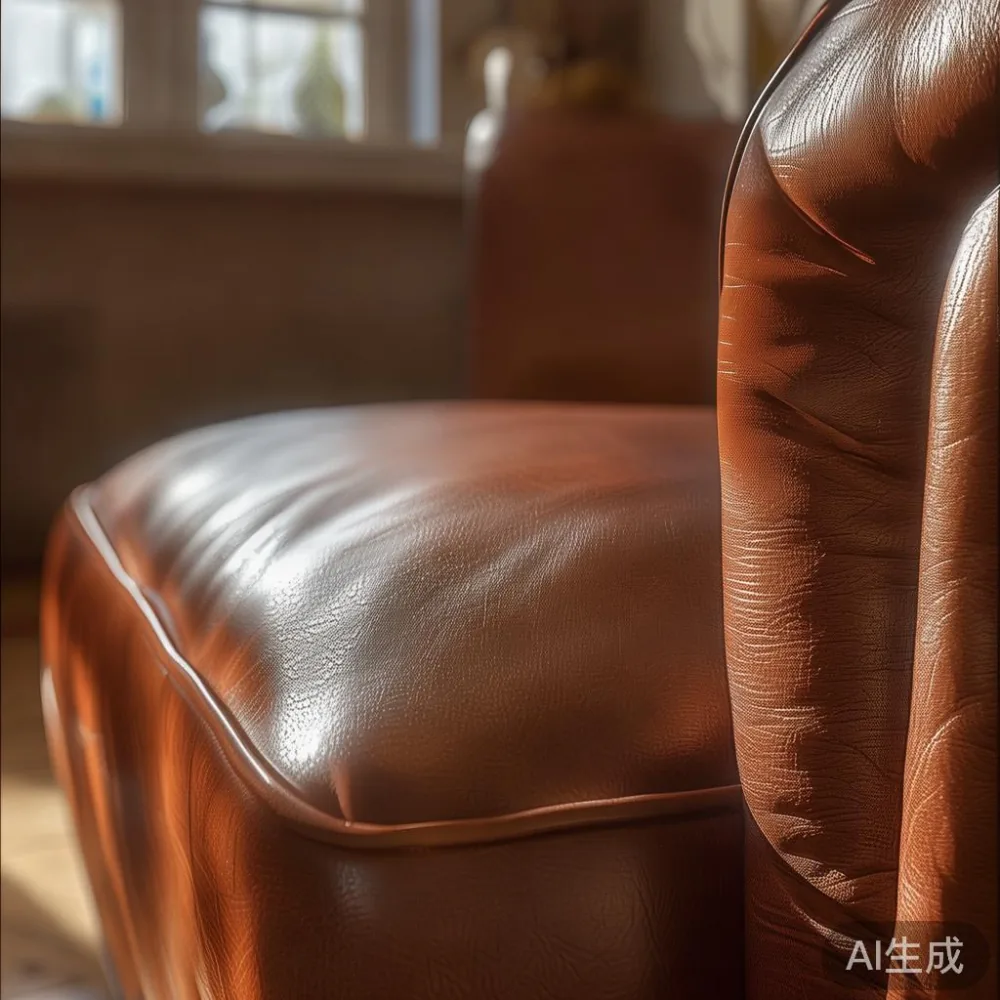
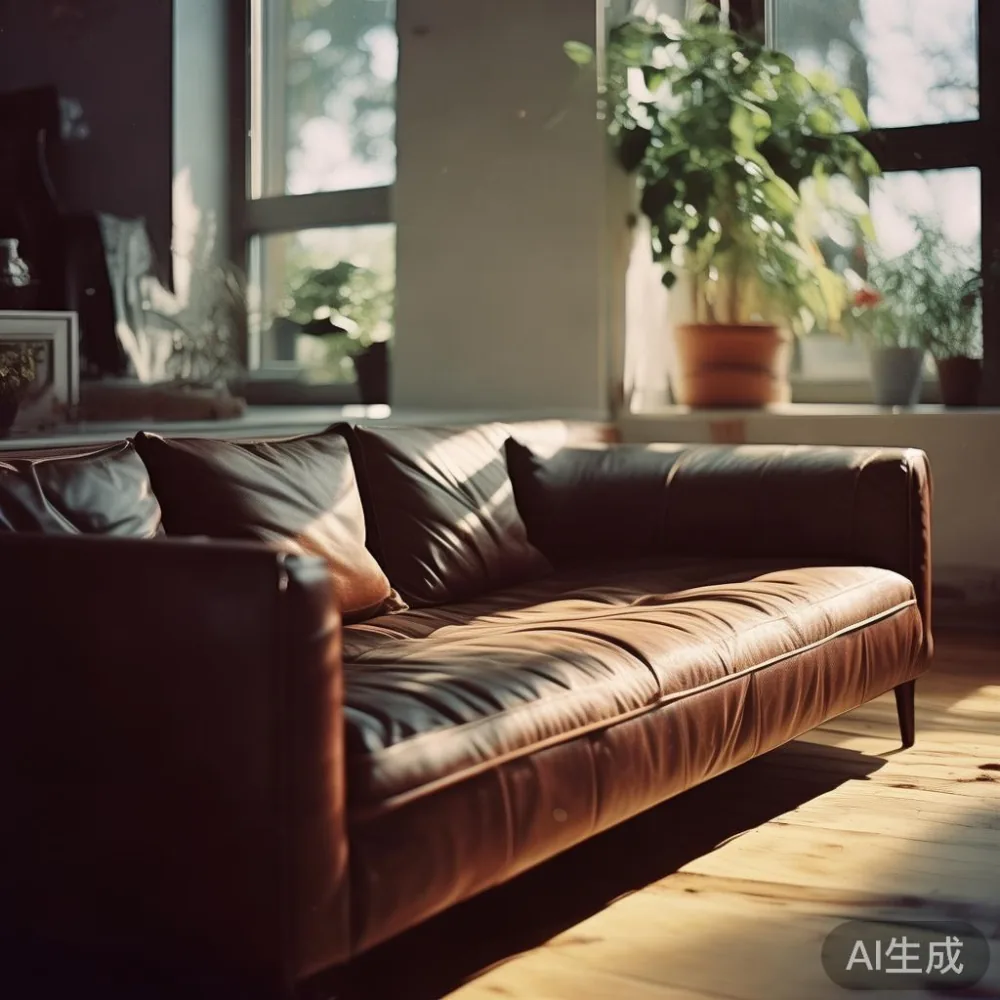
Typical indoor relative humidity in Singapore ranges from about 60% to 80%, while air-conditioned rooms may fall to 40% or lower. Solid wood naturally responds to those conditions by expanding, contracting and checking. Leather sofa upholstery, timber frames and storage furniture all need sensible placement, particularly in compact apartments where a new piece may sit close to a balcony, bathroom or air-con wall.
Good furniture design accounts for movement rather than trying to make wood behave like metal. Here is what homeowners, designers and hospitality buyers should understand about humidity, solid wood furniture and long-term care.
What does 70% humidity do to solid wood furniture?
Wood absorbs moisture through its exposed surfaces and releases it when the surrounding air becomes drier. A solid oak dining table, for example, may gain around 1% to 2% in moisture content across a humid period. That movement can translate into approximately 1 to 3 mm of width or thickness change, depending on the species, panel construction and grain direction.
These are measured examples, not a prediction for every board. Teak and hardwoods used in bedroom furniture react differently from engineered panels. A 200 cm long solid wood bed frame with tenon-and-mortise joints also has more opportunities for minute movement than a smaller 45 cm nightstand with well-seasoned components.
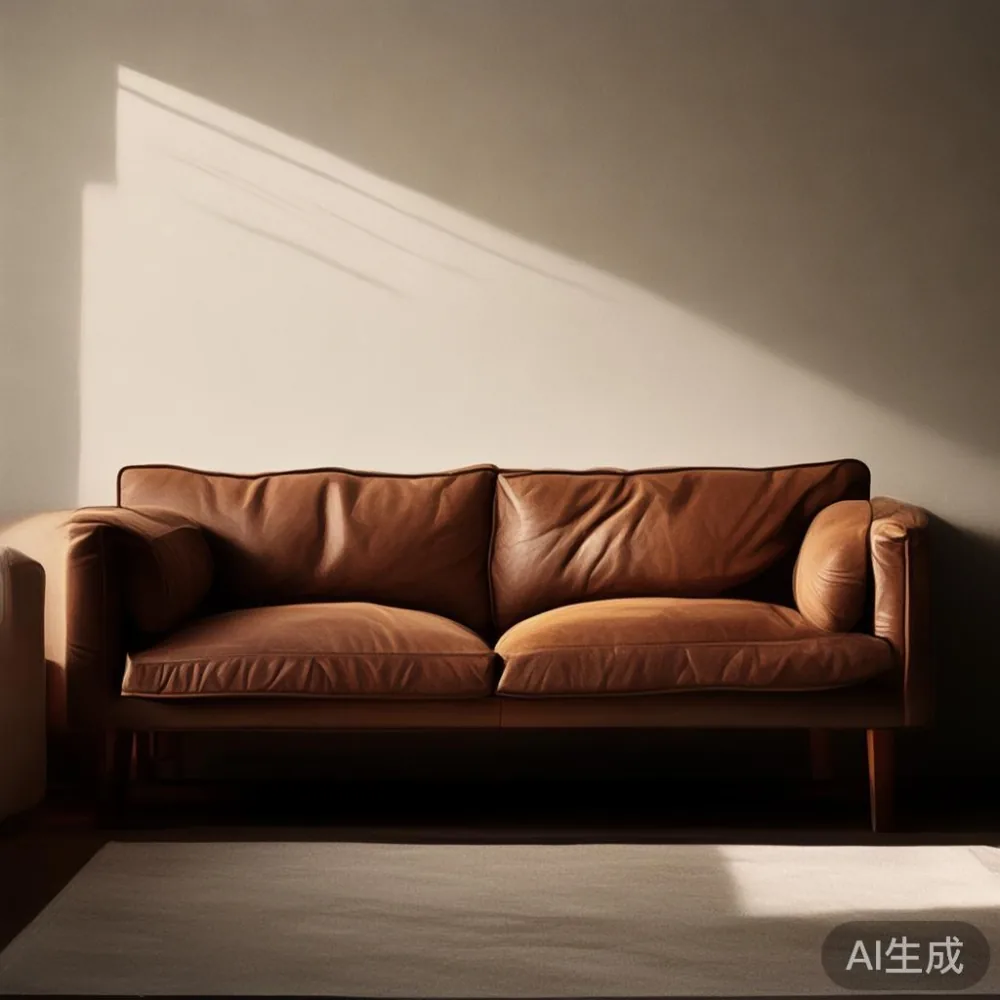
Repeated swelling and shrinking can loosen a joint, cause a tabletop edge to feel uneven or produce fine surface checks. Finished timber is affected too, although a sound coating slows moisture exchange. Veneers are not immune, but their thin layers generally move with less visible dimensional change than a solid board.
For a Singapore home, aim for roughly 45% to 65% relative humidity where practical. This range suits both timber and leather. Use a hygrometer placed at furniture height, not near a wall or ventilation outlet. A model costing SGD 25 to SGD 60 can provide a useful reading, while a data logger at SGD 80 to SGD 150 can show overnight changes.
Can humidity damage a leather sofa?
Yes, but humidity usually causes gradual effects rather than immediate destruction. Excess moisture can make leather feel damp or slightly tacky, encourage mould growth if the sofa remains wet, and contribute to odour. A leather sofa placed 2 cm from an exterior wall or balcony door can experience a different microclimate from the rest of the room.
Leather also responds to dry air. When relative humidity drops below about 40%, it can lose oils and become stiff or develop fine creases. In a bedroom with constant air-conditioning at 22°C, the sofa may be comfortable while still losing moisture. This is why avoiding direct airflow matters: an air-con outlet should not point at the seat or back cushion.
For a solid wood sofa with leather upholstery, leave about 20 cm between the rear frame and a cold wall where possible. Keep it at least 1 metre from a bathroom doorway and 2 metres from an open balcony. Wipe accidental moisture within 15 minutes, then allow the area to air dry. Do not use a hair dryer, heater or intense sunlight.
Condition leather every 6 to 12 months, following the supplier’s instructions. Use a clean, soft cloth and a pH-neutral leather conditioner rather than household sprays. Saddle soap, which may cost SGD 18 to SGD 35, is not suitable for every modern finish. Test the product on a hidden 5 cm by 5 cm section first.
Will a solid wood bed frame warp in a Singapore bedroom?
It can if the frame is poorly made, exposed to persistent moisture or assembled against materials that restrict movement. Good construction distributes stress through mortise-and-tenon joints, dowels, corner braces and hardware designed for timber movement. Mid-century inspired frames often use screws and metal brackets, making sound construction and seasonal adjustment important.
For HDB bedrooms with limited ventilation, place a solid wood bed frame 10 to 15 cm away from a wall if space permits. Avoid pushing it against a cold condensation-prone surface. A mattress protector that does not trap moisture beneath the frame adds another layer of protection.
When comparing designs, the phrase European light luxury bed vs Mid-century modern bed often frames a visual choice rather than a moisture performance claim. European light luxury tends toward upholstered softness, layered detail and pale finishes. Mid-century modern design favours clean lines, slimmer visual profiles and exposed timber. Neither label guarantees better humidity resistance.
Ask for wood species, panel construction, joint details, finish type and a 10-year structural warranty. A 10-year structural warranty gives long-term confidence, but the warranty is only as useful as its conditions and the product’s care requirements. A wardrobe or bed frame should include ventilation openings where practical, and a fixed plinth should not trap dampness.
How should I protect a dining table near an open kitchen?
Singapore kitchens generate heat, cooking vapour and frequent washing. A dining table near a sink or open kitchen can encounter humidity above 70% even when the rest of the flat is comfortable. Use a trivet beneath hot cookware, a separate coaster for damp dishes and a splash guard where water reaches the timber edge.
Do not leave folded newspapers, wet table runners or cleaning cloths on a dining table overnight. A marble table may tolerate water better at the surface, yet its base, adhesive and support structure still require protection. Keep a marble table at least 30 cm from a sink or dishwasher and use a mat beneath items that hold moisture.
For French light luxury or American light luxury interiors, pale oak, ash and walnut tones remain popular. Those finishes can look more sensitive because every grain variation is visible. That does not mean they are unsuitable; it means routine maintenance should be consistent. Wipe the top after meals, inspect edges every 3 months and apply the specified renewer annually.
I last month visited a colleague’s 3-room HDB unit in Tampines to examine a 180 cm dining table positioned beside an open kitchen. A moisture meter registered roughly 16% at the table edge, compared with about 11% on a nearby drawer front. After the colleague moved the table 40 cm from the wall, improved airflow and a fitted kitchen splash panel reduced the difference to roughly 3% within 10 days. The fix was placement and moisture control, not replacing the furniture.
How do I prevent moisture damage in a wardrobe?
Wardrobes need airflow even when they are built into a bedroom wall. Leave at least 5 cm behind a freestanding unit where the layout permits, and open doors for 10 to 15 minutes after showering. If a wardrobe sits beside an ensuite bathroom, inspect the back panel every 6 months for damp marks or softened edges.
For compact Punggol and Bedok condos, wall-mounted or slim storage may be necessary, but the installation must include suitable fixings and a ventilated design. Never seal the rear of a wardrobe with caulk against a bathroom wall. That can trap condensation inside the carcass.
Searching for how to style Japandi wardrobe in apartment usually leads to advice about pale timber, paper screens and uncluttered storage. The physical preparation comes before the styling: measure the opening, verify wall flatness, confirm the unit’s depth and protect the floor from moisture during cleaning.
For a guest room, Japandi for guest room arrangements often combine a narrow solid wood wardrobe with simple storage and warm neutral colours. A 120 cm wide wardrobe may suit a 3.2 m by 3.5 m room better than a 160 cm model, leaving a 60 cm or 70 cm circulation route. A Modern light luxury for guest room scheme can use reflective surfaces and restrained finishes, but ventilation gaps still matter.
What should I do when solid wood arrives after delivery?
Allow new timber to acclimatise before fixing or loading it heavily. Keep the pieces in their packaging in a dry, ventilated room for 24 to 72 hours if instructions permit. Remove plastic wrapping gradually because trapped moisture can cause mould or finish spotting. Do not install furniture immediately beside a freshly painted wall; allow paint to cure for the period stated by the manufacturer.
Check every component before assembly. Photograph the furniture within 10 minutes of delivery, especially the top, sides, legs and underframe. If a panel is already wet, swollen or scratched, record it in writing. Keep packaging until the issue has been reviewed.
Singapore buildings have practical delivery constraints. A lift lobby or corridor may be only 90 cm wide, and a standard lift car may measure 110 cm by 140 cm. A boxed solid wood dining table might arrive in two sections rather than one large carton. Check doorways, turning radii and the lift booking rules before the delivery day. Ask whether the supplier offers room-of-choice placement, but confirm that stairs and narrow corridors are included.
MIDHILL states free shipping for orders over US$350, although Singapore prices should still be confirmed in SGD, including GST and delivery charges. Returns are offered within 14 days under the stated policy. A company founded in 2008 and exporting to more than 15 countries provides useful international experience, while buyers should still check local service coverage, timber species and installation terms in Singapore.
How can I maintain a leather sofa and solid wood pieces through humid months?
Create a simple routine based on measurement rather than guesswork. Check relative humidity monthly, inspect visible timber every 3 months and clean leather every 6 to 12 months. Keep furniture at least 30 cm from windows that receive direct rain, and use blinds or curtains during brief downpours. Moving a dining table 60 cm may be easier than managing daily dampness.
For bedrooms, maintain the air conditioner around 24°C to 27°C and avoid setting the fan directly at furniture. Use a dehumidifier when the room remains above 65% relative humidity for several hours. Portable units typically cost SGD 180 to SGD 500. Place them with clearance around the vents and empty the tank as directed. Dehumidifiers reduce ambient moisture, but they do not replace sensible placement.
Clean timber with a lightly damp cloth, then dry it immediately. Avoid silicone-based sprays, abrasive pads and concentrated bleach. For leather, vacuum with a soft brush attachment monthly, remove dust from seams and apply a suitable conditioner no more than twice yearly unless the supplier advises otherwise. Keep the sofa at least 15 cm from an exterior wall and away from persistent dampness.
Design comparisons such as European light luxury sofa vs Modern sofa often focus on shape, comfort and visual scale. A European-style leather sofa with deep cushions may occupy 210 cm to 250 cm, while a compact Modern sofa may fit within 180 cm to 220 cm. In a narrow HDB living room, measure the lift, corridor, doorway and final seating position before selecting either.
For inspiration, a top 10 European light luxury furniture search can surface useful examples of refined profiles, joinery and upholstery, yet the actual product specification matters more than the label. Inspect the solid wood sofa, bed frame, dining table, wardrobe, nightstand or marble table as a complete set. Confirm dimensions, tolerances, moisture protection and care instructions in writing.
Which humidity-control products are worth using in an apartment?
The most useful product is often an inexpensive hygrometer, followed by careful placement. Passive moisture absorbers can help inside a closed wardrobe, but their capacity is limited. Keep them away from children and pets, replace them at the stated interval and never pour water into a rechargeable desiccant container.
Silica gel packs may absorb moisture from a sealed cupboard or instrument case. They are less useful across an open living room. A dehumidifier is more practical for a persistently damp bedroom, while a dehumidifier with a drain hose suits a long-running arrangement. Compare tank capacity, noise level and rated operating temperature; many consumer units are designed for use above about 15°C.
Leather care products should be selected according to the leather type and finish. Test every cleaner and conditioner in a concealed area for 24 hours. For timber, use the furniture maker’s recommended maintenance schedule rather than applying a generic oil every month. Excessive oil can darken pale wood or create a patchy appearance.
Finally, distinguish short-term humidity from a building defect. A hygrometer reading above 70% in several rooms, water marks on a ceiling, peeling paint or persistent wall dampness may require the building manager’s attention. Furniture care cannot correct a leaking pipe or failed façade joint.
Can frequent Singapore weather really harm my furniture?
Singapore’s year-round warmth and high humidity make regular maintenance sensible, but they do not automatically make solid wood furniture unsuitable. Well-seasoned timber, sound joints, compatible finishes and careful placement can provide years of service. The main mistake is allowing furniture to sit in a persistently damp microclimate while assuming it needs no attention.
Measure the room, track the humidity, inspect every 3 months and respond before mould, stains or loose joints appear. For a leather sofa, keep water and direct airflow away from the frame and condition the leather responsibly. For a bed frame, wardrobe or dining table, preserve airflow and avoid trapped moisture. These habits protect both appearance and structure while supporting the light-luxury character of the home.