Handling Humidity Impact on Solid Wood in Singapore
Singapore’s tropical climate can make a beautiful solid wood sofa look as though it has suddenly developed problems it never had in a showroom. A dining table may feel sticky on a humid afternoon, a wardrobe door may catch slightly, and a bed frame may show faint marks around a joint. None of this automatically means poor craftsmanship. It usually means that timber, moisture, airflow and maintenance need to work together.
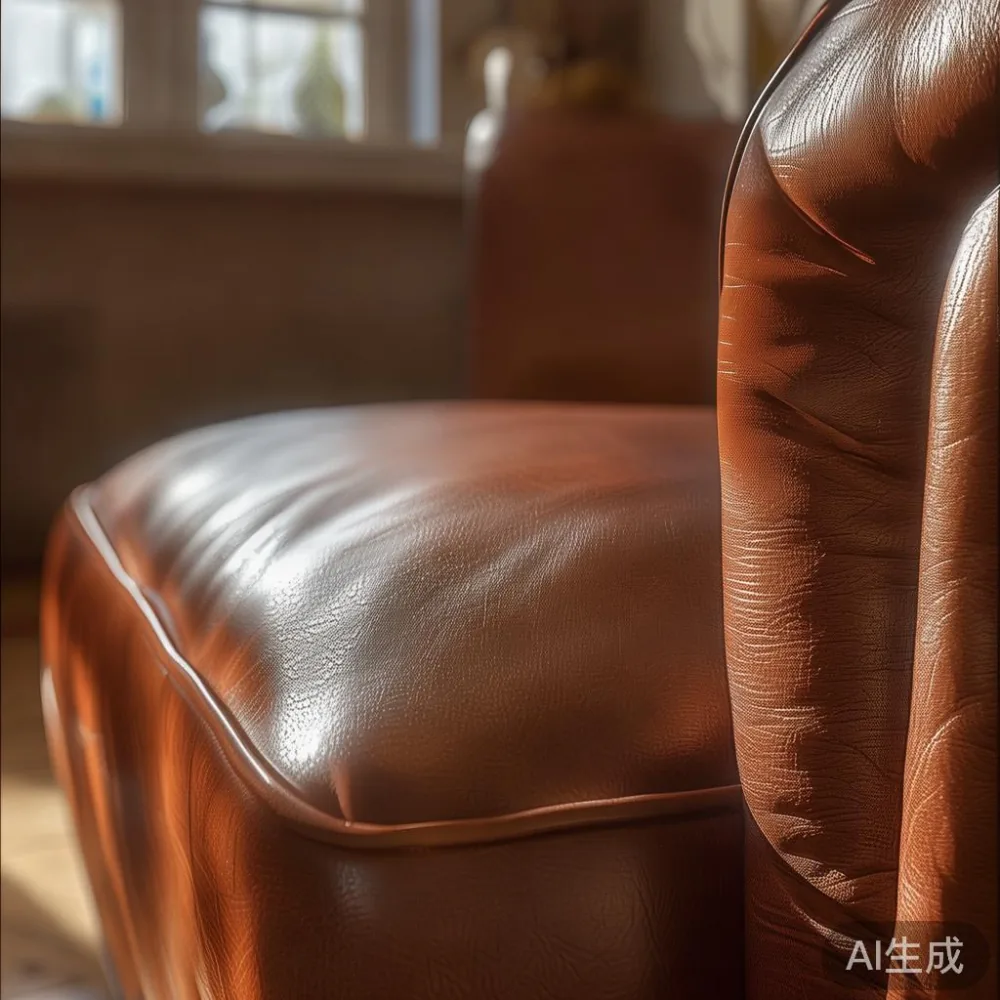
At MIDHILL, our focus is not simply on making furniture that photographs well. We build solid wood furniture for real homes, including Singapore HDB flats and condos in Tampines, Bedok and Punggol. The practical question is how humidity changes wood in a dense, often air-conditioned living environment, and what a homeowner should do about it.
This guide explains the effect of relative humidity, condensation, delivery, ventilation and daily care. It also considers the realities of narrow corridors, compact lifts and a lifestyle that moves between outdoor heat and indoor cooling. For anyone searching for Modern for dining room furniture or Mid-century modern for office arrangements, humidity control is just as relevant as visual style.
What is the ideal humidity level for a solid wood sofa in Singapore?
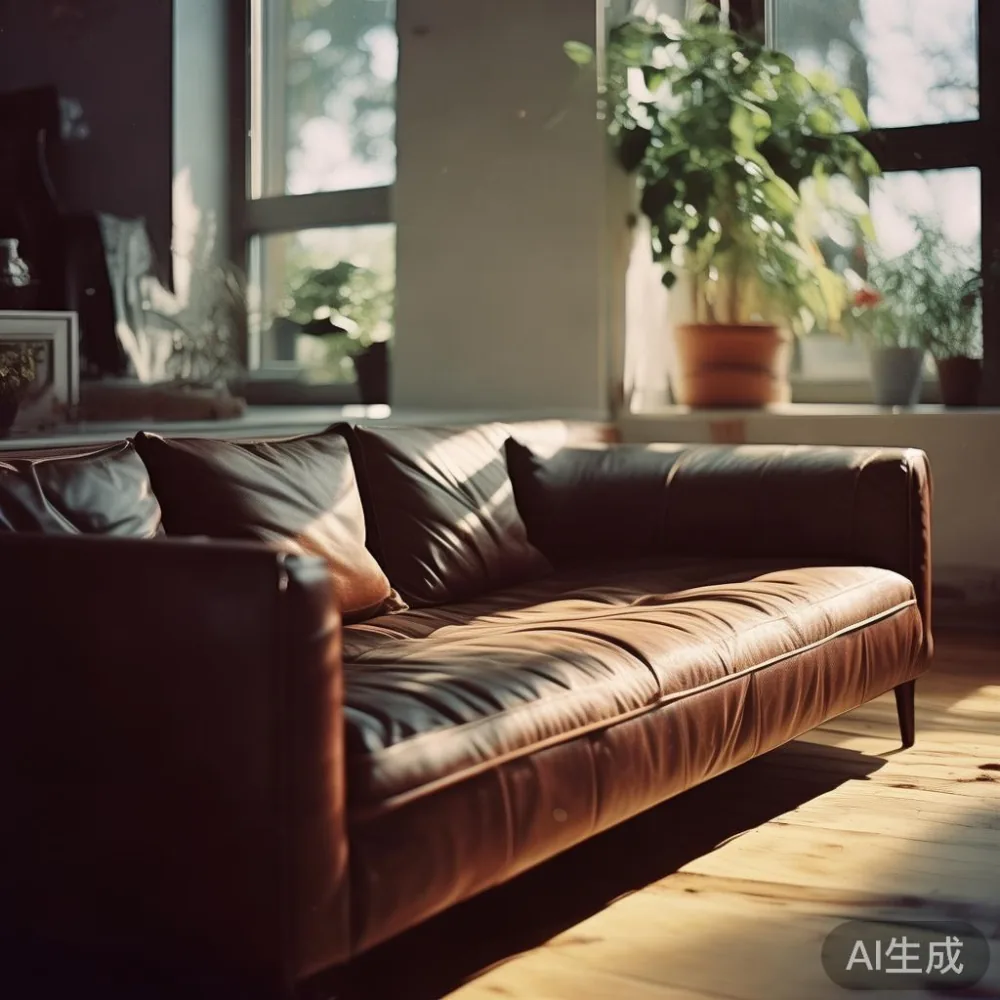
Wood is hygroscopic: it absorbs moisture when the surrounding air is humid and releases moisture when the air becomes dry. For most residential furniture, a relative humidity range of about 40% to 60% is a sensible target. A short period near 65% is usually manageable in a well-ventilated home, while repeated exposure above 70% can cause more noticeable swelling, mould risk and finish care.
Singapore’s outdoor readings can vary considerably through the day. During a wet afternoon, air may reach 80% to 90% or higher. Inside an HDB flat, however, a running air conditioner may reduce humidity to 40% to 55%. The transition can happen within minutes when a unit is entered from a hot corridor.
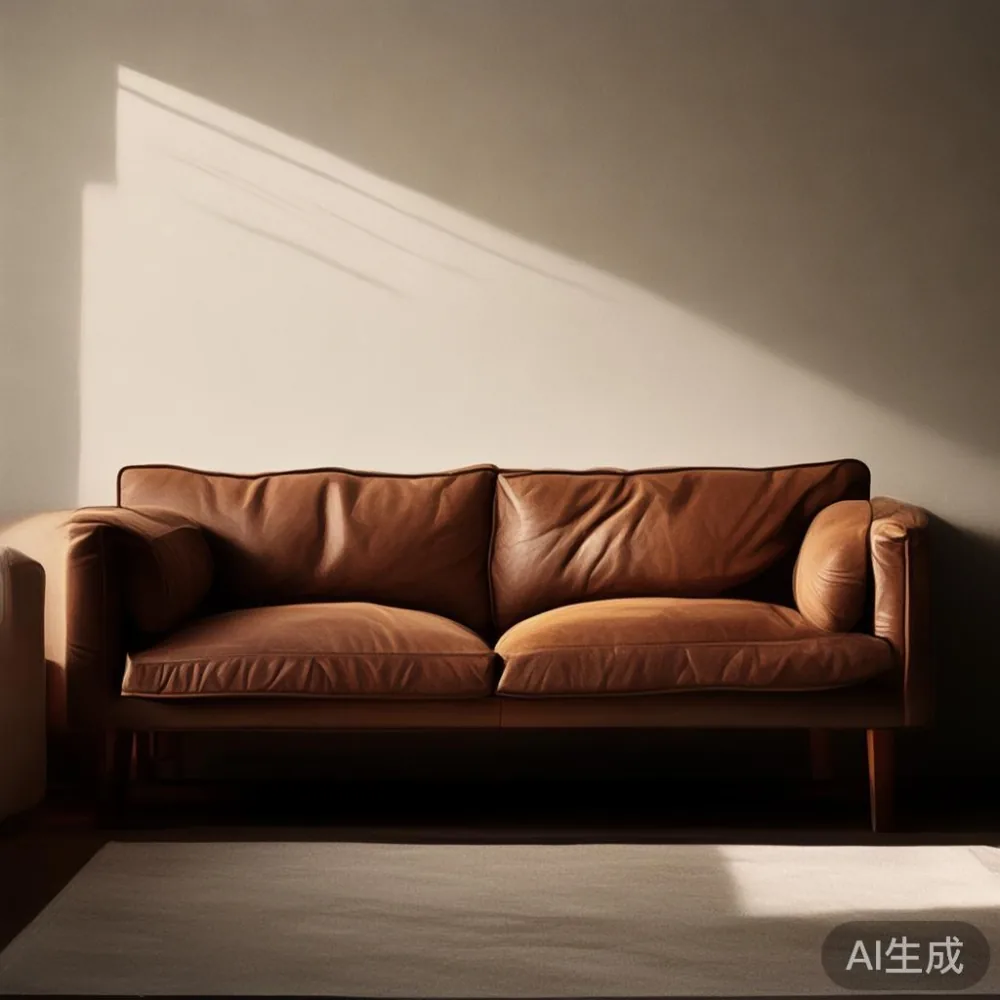
That repeated cycling matters more than one unusually damp day. A leather sofa with a solid timber frame should be positioned away from a bathroom door, balcony threshold or west-facing window. Keep it at least 30 cm from a wall where practical so that air can circulate behind the back and arms. For a bed frame, leave similar clearance along the headboard and side rails.
A digital hygrometer is useful. Place one in the living room for 7 days, reading it at about 8 a.m., 3 p.m. and 9 p.m.. If the display remains between 45% and 60% for most of the day, the indoor environment is reasonably stable. If it repeatedly reads above 65%, focus on ventilation, laundry drying and locating the source of moisture.
Why does humidity make wood move?
Solid timber changes dimension as its moisture content changes. In Singapore’s conditions, the outer layers of a board can absorb moisture faster than the centre. The surface may expand slightly while the interior remains comparatively stable, creating stress within the grain. Over time, that stress can show as small gaps, raised edges or a door that no longer closes squarely.
The amount of movement depends on several measurable factors:
- Wood species: oak, teak, ash and other species have different stability characteristics.
- Board thickness: a 60 cm wide solid timber top generally responds differently from a 25 mm narrow slat.
- Grain direction: movement is greatest across the grain rather than along the length of the board.
- Joinery: a well-fitted drawer, mortise-and-tenon joint or dowelled rail allows controlled movement.
- Finish: a good coating slows moisture exchange, although it cannot make wood immune to humidity.
Seasonal cabinet-making accounts for timber movement; long-distance transport adds another challenge. Solid wood can travel through climates and warehouses for several weeks before reaching a home. Proper acclimatisation gives the furniture time to adjust to local conditions. MIDHILL’s export experience across 15 or more countries has informed the care needed after packaging, loading and delivery.
Leather adds another layer. A leather sofa should not be pressed tightly against a damp wall or placed where condensation forms. Use a breathable protector rather than a thick plastic cover. Wipe the leather with a soft, damp cloth and dry it immediately. Keep the frame away from direct water, while also allowing air to move around it.
Can a marble table be used safely in a humid Singapore apartment?
A marble table can perform well in Singapore, but it needs correct handling and sensible placement. Marble is less vulnerable than solid wood to swelling and shrinking, yet its stone body, backing system and fittings still require care. A 120 cm marble dining table may weigh approximately 70 kg to 120 kg, depending on thickness, stone density and frame design. Moving it incorrectly can damage the table, floor or lift entrance.
Before delivery, check that the service lift can carry the packaged weight and that its door opening exceeds the table’s narrowest dimension with at least 5 cm clearance. For example, a 180 cm dining table may be split into two 90 cm sections. A 140 cm lift door may permit a narrow package, but the turning space inside the car matters too.
Humidity can affect a marble table indirectly through condensation on the stone, moisture trapped beneath the base or corrosion where metal fixings meet damp material. Keep the table at least 20 cm from windows that produce frequent condensation, wipe spills promptly and inspect the underside every 6 months. Do not place a hot appliance directly on marble; a 70°C pot can create thermal shock or leave an unsightly mark.
For compact homes, a round marble table with a 100 cm to 120 cm diameter can improve circulation around 4 chairs. This is especially practical in an open-plan Tampines or Punggol unit where walkway clearance is often tight. If the household prefers timber, a solid wood dining table with a sealed surface offers a warmer alternative and should be protected from standing water.
How should furniture be delivered to HDB flats and condos?
Humidity begins before a customer unpacks the box. A delivery that leaves furniture sealed in a hot van for 2 hours can bring moisture into the package. A piece should ideally arrive after suitable travel time, protected from rain and handled without prolonged ground contact.
For Singapore addresses, the driver should confirm the floor, unit number, parking route and lift dimensions before unloading. HDB corridors can be approximately 1.2 m to 1.5 m wide in many blocks, while older or more compact approaches may be narrower. A 60 cm dining table turned vertically can clear a 70 cm lift door, whereas a 120 cm solid wood top may need a two-piece construction or safe pivot at the stair landing.
Protect floors with felt or heavy cardboard beneath every contact point. Do not drag a bed frame or wardrobe across tile, because grit can scratch the finish. Lifting a 35 kg nightstand with 2 people is sensible; for a 90 kg wardrobe section, use 3 or 4 people and confirm the route.
After arrival, remove the packaging rather than leaving furniture trapped in plastic. Place timber pieces in their intended indoor position and allow them to acclimatise for 48 to 72 hours before making fine adjustments. Keep them away from air-conditioning outlets during that period, because direct cold airflow can create uneven drying.
MIDHILL offers delivery for qualifying orders over US$350, equivalent to approximately SGD460 at an illustrative exchange rate of SGD1.33 to US$1. Local delivery timing should be confirmed against the destination, access date and stock position. Typical islandwide freight may take 3 to 7 delivery days after dispatch, but a booked condo loading bay or an HDB move-in schedule can change the final handover date.
How do I stop a wardrobe or nightstand from sticking in humid weather?
A wardrobe that catches in the rain may need adjustment, but repeated dampness can also affect the door alignment and the furniture finish. Begin with the climate in the bedroom. Keep the relative humidity below 60% where possible, especially during the night. Open a window only when outdoor humidity is lower than the indoor reading; otherwise, bringing moist outside air into a dry room can worsen the imbalance.
Check the wardrobe’s position. Leave 5 cm between the side and the wall if space allows, and avoid placing it against an exterior wall that stays cool. If laundry is dried indoors, use a rack in a bathroom with an exhaust fan or run a dehumidifier. A bedroom humidity above 65% for many hours deserves attention before furniture is reshaped.
Do not plane or file a swollen door without checking the frame. Wood may be sticking because it has absorbed moisture and will contract as conditions improve. Light sanding by a qualified cabinetmaker can sometimes correct a minor interference, but removing too much timber can spoil the fit.
For anyone working on how to style European wardrobe in apartment layouts, a fitted panel can use 2 mm to 4 mm adjustment clearances for movement. Hanging rails should sit near 150 cm to 180 cm from the floor for usable storage in a bedroom. If a full-height wardrobe makes a small flat feel crowded, a sliding arrangement may reduce the space needed at the front, although it needs more depth and careful track maintenance.
A nightstand should not be pushed tightly into a humid corner. Allow 10 cm of breathing space if possible, clean the underside twice a year and tighten fittings only if movement has occurred. For a narrow HDB bedroom, a 40 cm wide x 45 cm deep unit can hold a lamp, book and glass while preserving the 60 cm walkway recommended beside a bed.
What is the best way to clean a leather sofa in a humid climate?
Clean a leather sofa less often, but more thoroughly. Wipe the seat and arm surfaces every 2 to 4 weeks with a dry microfibre cloth, then use a lightly damp cloth for visible marks. Dry each area immediately. Avoid soaking the leather, flooding the seams or spraying cleaner directly onto the surface.
A leather sofa in an air-conditioned living room should sit at least 60 cm from the nearest air-conditioning vent when possible. Direct airflow can dry the hide and make the cushion piping look uneven. At the same time, a sofa placed against a humid exterior wall may absorb moisture at the frame and floor contact points.
Check under the sofa every 3 months. Lift one front edge or use a small mirror to look for dampness, dust or insects. Keep the floor beneath dry, especially during the northeast monsoon season, generally from November to March. In a room that remains above 65% humidity, use a dehumidifier sized for the space rather than relying only on fragrance sprays.
Design language also affects practicality. A low, deep leather sofa may look luxurious in a large condo but require 90 cm or more clearance from a coffee table. A compact 180 cm to 220 cm model can suit a 3.0 m by 4.5 m living-dining area more comfortably. For apartments shaped by compact proportions, French for small living room styling can pair a slim leather sofa with pale timber and restrained storage rather than crowding the room with large pieces.
When comparing Japanese sofa vs Japandi sofa options, focus on frame construction, seat depth and maintenance rather than labels alone. A Japanese-inspired sofa may sit low with firm cushions, while Japandi design may combine simple timber lines with a softer seat. Both should still use solid timber frames, stable joints and covers that can be cleaned in a humid environment.
How can I style a Mid-century modern dressing table without damaging it?
A dressing table is vulnerable in a humid room because it is often placed beside a window or near a bathroom. A 100 cm wide solid wood model may be suitable for a compact bedroom, but it should stand 30 cm from a frequently opened bathroom door. Use a tray for cosmetics and keep damp items off the timber top.
For Mid-century modern dressing table inspiration, tapered legs and restrained storage work well with a 90 cm wide x 45 cm deep profile. Check that the legs are stable on an uneven HDB floor and avoid using furniture to support heavy loads. A small stool can be moved for cleaning, allowing the owner to inspect the rear and base for moisture every 6 months.
To reduce seasonal movement, maintain a reasonably stable indoor temperature of about 22°C to 27°C and avoid abrupt changes greater than 5°C over several hours. Let warm timber adapt gradually. For a dining setup, a solid wood table should be placed away from sliding doors that admit damp air in the afternoon. Use coasters, clear spills within 10 minutes and keep a plant tray from leaking water onto the surface.
Light-luxury design works best when proportion and material remain clear. French light luxury often uses pale upholstery, elegant profiles and subtle contrast. American light luxury tends toward generous comfort and easier silhouettes. A post-modern light luxury approach can mix a solid wood sofa with curved lines, tactile textiles and selected marble accents. In every case, a quality piece should include a 10-year structural warranty, while refinishing can be arranged over the furniture’s lifetime under MIDHILL’s service policy.
What should a Singapore homeowner do during the first year?
Create a simple humidity and care routine rather than reacting after a finish has already changed. In month 1, buy an inexpensive hygrometer, identify damp corners and record indoor readings for 7 days. In months 2 to 3, inspect the backs and undersides of the solid wood sofa, dining table and bed frame. In month 6, check hardware, drawer runners and wardrobe alignment. Repeat the inspection at month 12, just before the wettest part of the year.
Use a damp cloth on wood only when cleaning is necessary, and dry it at once. Do not leave a wet cleaning cloth folded against a nightstand. Keep table runners and floor mats from trapping moisture. Where a solid wood dining table stands near a balcony door, close the door when outdoor humidity is high and run the air conditioner or dehumidifier instead.
For a leather sofa, keep cushions arranged so they can dry, lift them occasionally, and address spills before they reach the seams. For a wardrobe, maintain ventilation behind the carcass and check that base panels have not lifted. For a marble table, wipe condensation and keep metal hardware dry. For a bed frame, inspect the slat area every 6 months and keep bedding from trapping dampness against unfinished timber.
Humidity does not make solid wood furniture unsuitable for Southeast Asia. It does make climate control, responsible delivery and regular care part of ownership. A stable indoor range, sensible placement and restrained maintenance help protect the joinery, leather and finish for years rather than months.
MIDHILL was established in 2008 and supports furniture buyers with a 10-year structural warranty, lifetime refinishing and 14-day returns. For a quote in SGD or a delivery assessment for a Singapore HDB flat or condo, confirm the final dimensions, access route, GST and expected delivery days before the order is booked. Singapore GST is generally 9%, so the tax treatment should appear clearly on the final order summary.