Impact of Southeast Asian Humidity on Wood Furniture in Singapore
Singapore’s warm, humid climate can change the dimensions of solid wood furniture in ways that are easy to overlook. A timber dining table may feel damp by the window, a wardrobe door may catch slightly in its track, and the finish on a leather sofa can respond differently during monsoon months. In HDB flats and private condos across Tampines, Bedok, and Punggol, controlled air-conditioning usually makes indoor conditions manageable, but the air between rooms, near balconies, and along exterior corridors can still affect furniture.
This guide explains how humidity affects wood, leather, marble, and the moving parts inside cabinetry. It also covers practical measurements for delivery, lift access, and long-term care. MIDHILL makes solid wood furniture for homes and hospitality projects, with a 10-year structural warranty and lifetime refinishing support. The aim is not to frighten buyers with Singapore’s climate, but to help them select furniture that fits their rooms and can be cared for with realistic habits.
What relative humidity does to solid wood?
Wood is hygroscopic: it absorbs moisture when the surrounding air is humid and releases it when the air becomes drier. Movement occurs across the grain, while length changes are usually small. For a 180 cm solid oak dining table, a 1% increase in moisture content can correspond to roughly 1.8 mm of width change. That amount sounds minor, but 2 to 3 mm is enough to make a cabinet door rub or expose a joint line that previously looked tight.
Singapore’s outdoor relative humidity often ranges from about 70% to 90%, especially during the wet season. Indoor relative humidity in a well-conditioned HDB flat is commonly maintained near 50% to 60%, although measurements near a balcony or poorly sealed window can be higher. The useful figure is not simply the weather forecast; it is the condition of the room where the furniture stands.
Seasonal wood movement is normal. Veneered panels and engineered boards can also expand, though they may be less visibly affected at edges and joints. Solid wood, by contrast, displays movement more clearly and can move again when it acclimatises in a new home. Allow a large dining table or wardrobe to adapt for roughly 7 to 14 days before making fine adjustments or applying fixed accessories.
Surface finishes slow moisture exchange but do not stop it completely. A lacquered, oiled, or waxed surface should be protected from standing water and prolonged contact with damp cloths. Avoid placing a hot cup directly on the finish: a 70°C drink can leave a mark within minutes, while a small spill should be wiped promptly rather than allowed to dry.
How should I measure humidity in my Singapore home?
A digital hygrometer is the simplest starting point. Place one in the living room for 7 days and another near the main wardrobe or bed frame if they occupy different zones. Record readings at about 8 a.m. and 8 p.m. on the same days. A stable indoor range of 45% to 65% relative humidity is suitable for most wooden furniture; short excursions above 70% call for closer attention, especially if the piece is beside an exterior wall.
Check after air-conditioning has been running for 30 minutes, not during the first few minutes after the compressor starts. Also inspect areas that receive less airflow, such as behind a tall wardrobe and below an refined bed frame. A reading of 80% under a closed door does not automatically mean the entire flat is damp, but it identifies a local risk worth improving.
For a bedroom, use the same 7-day method. If humidity regularly exceeds 65%, consider improving air circulation, moving the bed frame away from an exterior wall, and maintaining the air conditioner rather than relying on windows alone. Dehumidifiers can help in enclosed rooms; a typical unit suitable for a 15 m² bedroom removes around 10 to 20 litres of water per day, depending on conditions. Keep at least 30 cm of clearance around the intake and outlet.
Concrete habits are often more effective than buying another product. Wipe condensation from a window sill within 10 minutes, use coasters under drinks, and leave 5 to 8 cm between the wardrobe and the wall where installation allows. In a corridor exposed to rain-driven humidity, ensure furniture is not placed directly against an air-conditioning condensate pipe or under an untreated leak.
Does humidity affect a leather sofa?
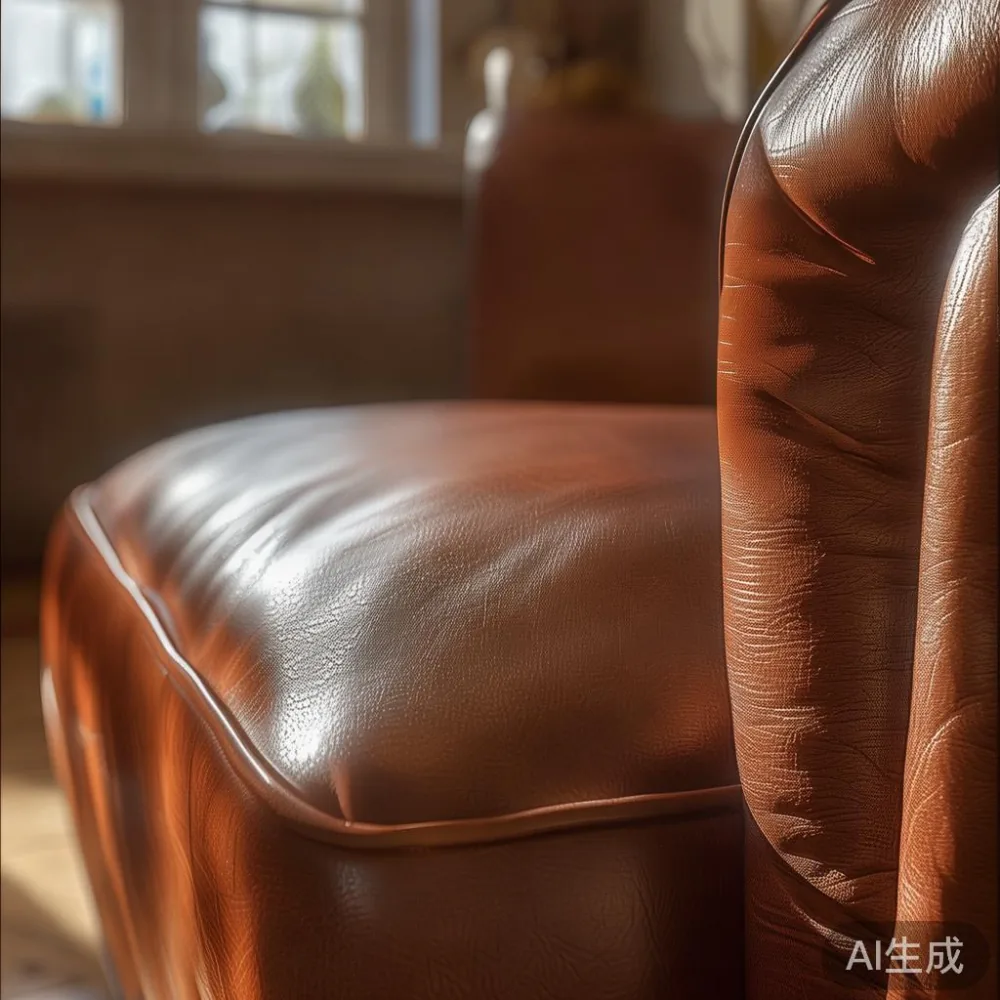
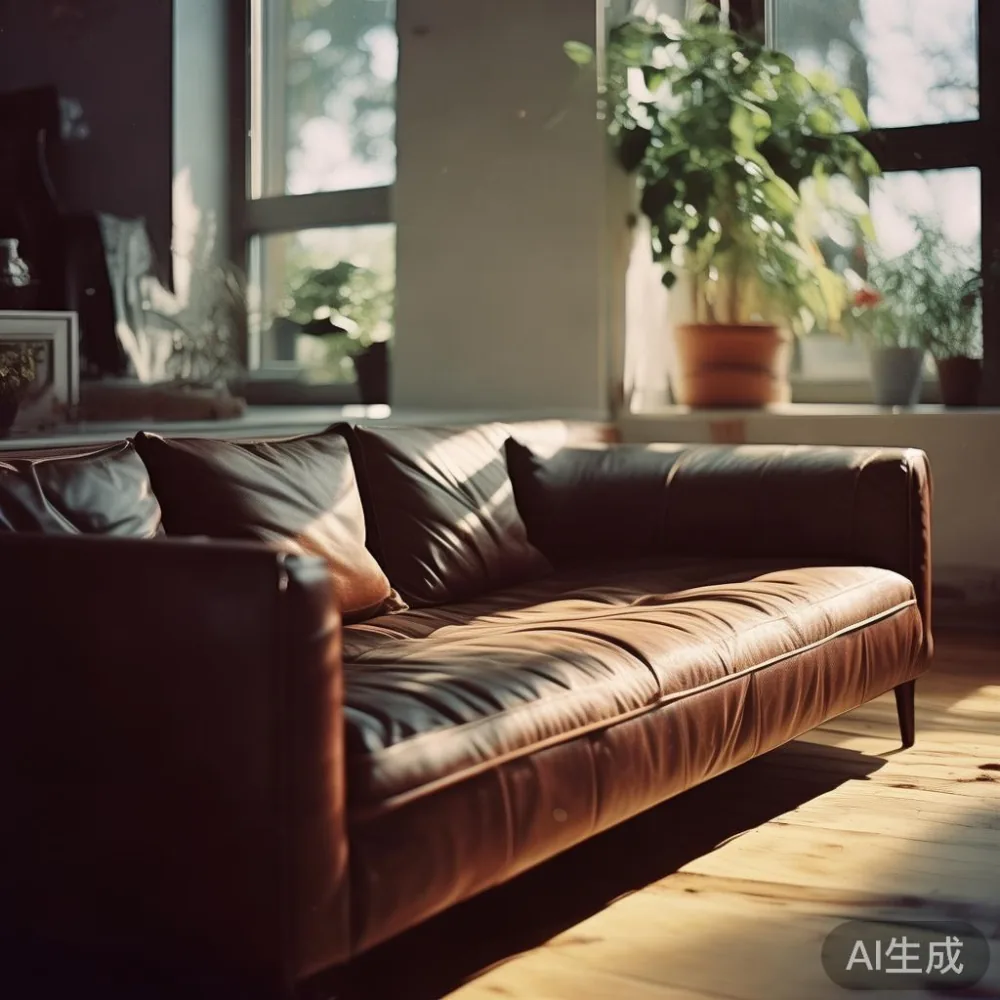
Yes. Leather sofa cushions contain foam, fibre, and sometimes a down-like filling that can compress or regain loft as moisture changes. Full-grain leather may become slightly softer in humid conditions, while coated or corrected-grain leather can show surface differences more readily. Keep the sofa at least 60 cm from a frequently opened window or balcony door, and do not use a humidifier aimed directly at the cushions.
For daily care, use a lightly damp cloth with pH-neutral leather soap, then dry with a clean cotton cloth within 5 minutes. Do not soak the leather, use household bleach, or apply baby wipes. Condition every 6 to 12 months if the manufacturer recommends it. In Singapore, leather furniture benefits more from gentle drying and ventilation than from repeated deep cleaning.
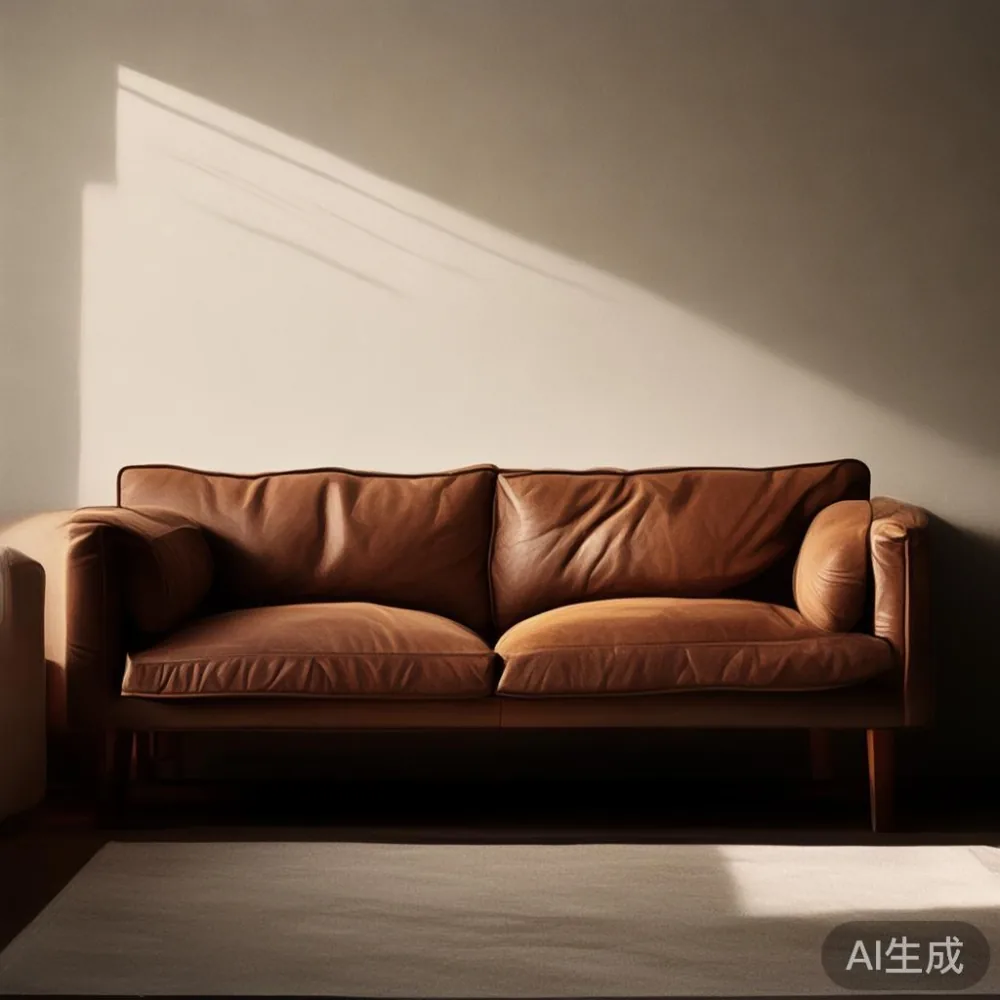
If you are comparing styles for a compact HDB living room, the question of how to choose European light luxury sofa involves proportion before decoration. A sofa width of 180 to 200 cm suits many 25 to 35 m² living rooms, but the access route matters just as much. French light luxury often suits a 200 to 220 cm sofa with restrained profiles and pale upholstery; post-modern light luxury can pair curved edges with cleaner geometry. Always test the seating comfort rather than judging only by photographs.
Wooden legs and frames under a leather sofa should be checked for floor moisture, particularly on older HDB floors near kitchens and wash areas. Use felt pads and keep the sofa 3 to 5 cm away from walls where possible. For a European light luxury accent chair, the same humidity principles apply: position it away from direct airflow, rotate it every 2 weeks, and maintain even room conditions.
Can lift and corridor access affect a solid wood delivery?
Yes. Humidity becomes irrelevant if a 68 kg solid wood wardrobe cannot enter the flat. Before ordering a bed frame, dining table, wardrobe, or large leather sofa, measure the full route from the loading area to the final position. Include the lift door, lift car, corridor turns, stair width, and door openings.
Singapore HDB blocks often use lifts with internal dimensions of approximately 110 cm by 140 cm, though older and newer blocks vary. Standard apartment entrance doors may be around 80 to 90 cm wide, and corridor widths can be about 120 to 180 cm. These figures are planning guides, not guarantees for every block. Provide MIDHILL with the block, floor, lift-door width, corridor turns, and staircase measurements when requesting a delivery plan.
For furniture that must be carried vertically, compare the diagonal of the lift car against the packaged dimensions. A 180 cm dining table may fit flat but not on its side if the car is too shallow. Where an item cannot enter the lift, the usual alternatives are balcony hoisting, window installation, or partial assembly. Professional installers may charge roughly SGD 80 to SGD 250 per item, depending on distance and access complexity; building management permissions and safety procedures must be confirmed in advance.
Plan for a delivery window of 7 to 21 working days after the piece is ready, because Singapore’s port, workshop, and last-mile schedules can vary. For orders above US$350, MIDHILL offers free shipping, while local GST and any access charges should be confirmed at checkout. Inspect the package on arrival and photograph visible damage before the crew leaves.
How should I place a bed frame, nightstand, and dining table in a humid room?
Give each piece space from moisture sources and enough room for seasonal movement. A queen bed frame measuring 150 cm by 200 cm should sit at least 20 cm from an exterior wall where possible, not because every bed must have a large gap, but because wall condensation and weak airflow can create a local humid pocket. Bedside tables with drawer runners need a little more clearance; leave 5 cm behind a nightstand when the cable arrangement permits.
For a dining table, avoid a corner directly beside a sliding balcony door where rain-driven air enters. If the table is 200 cm long and 100 cm wide, check chair pull-out space of at least 75 cm behind each seated place. A rug should be fully beneath chair legs to reduce repeated temperature and moisture changes on the floor.
Wardrobes need both environmental stability and operating clearance. A wall-to-wall unit may be fixed to the wall, while a freestanding wardrobe can move slightly. Tall doors should have an 8 to 12 mm reveal, and the unit should be assembled with the maker’s instructions so seasonal adjustment remains possible. Do not force a swollen door; identify the swollen panel and allow the finish to acclimatise or arrange adjustment.
For a marble table, humidity is less likely to cause the stone itself to swell, but moisture can affect seals, adhesives, and nearby wooden supports. Keep the marble surface free of standing water and use a stable, level base. Place a solid wood side table or nightstand away from bathroom splash zones and test-coaster compatibility before setting a warm cup down.
What care routine works through Singapore’s monsoon season?
Follow a simple monthly checklist from May to September and a lighter inspection during drier months. Check the hygrometer, look under rugs, wipe dry surfaces, and examine the underside of a dining table for mildew. Keep rooms ventilated for 15 to 30 minutes when outdoor humidity is lower than indoor humidity, while continuing to use air-conditioning during the hottest hours.
For timber, dust with a soft cloth and apply the approved wood-care product at intervals recommended for the finish. Do not use silicone-based sprays, ammonia, or generic “wood polish” on an unknown surface. A small test on a concealed area should be left for 24 hours before the full application.
Rotate leather sofa cushions every 2 weeks and lift them occasionally to inspect the foam and frame. Keep at least 5 cm between the sofa back and the wall for airflow. This also matters when comparing how to style American sofa in bedroom layouts: a 220 cm model needs careful clearance, whereas a 180 cm model can suit a narrower room if the walking route remains at least 70 cm.
For smaller pieces, consider Scandinavian for guest room ideas that remain practical in humid conditions. A compact solid wood nightstand with a closed drawer protects accessories from dust, while a wall-mounted shelf avoids floor contact. If you are weighing Japanese bed vs Japandi bed options, compare floor clearance, ventilation, and assembly needs rather than appearance alone. A platform bed at 25 to 30 cm high allows more airflow beneath it than a very low frame, and a removable headboard can simplify access during cleaning.
When browsing broader references for top 10 light luxury furniture pieces, prioritise the construction details that affect humidity: solid wood thickness, joinery, drawer movement, finish type, and warranty coverage. These qualities remain more useful than a trend label.
How do I know when a wood movement issue needs professional help?
Small gaps that open and close with humidity changes are generally normal. Warning signs include persistent mould odour, black spotting, dampness inside a drawer, a warped tabletop, or a crack that continues growing. Check the affected area with a moisture meter; readings above 20% in wood suggest that drying is needed before refinishing.
Do not sand or refinish a damp surface. Move the piece away from the moisture source, improve ventilation, and allow the timber to return gradually. MIDHILL’s lifetime refinishing service covers eligible refinishing work under its service terms, and the company provides a 10-year structural warranty. The owner should still maintain suitable indoor conditions and report structural changes early rather than waiting for visible failure.
One real example came from my colleague, who visited a Bedok HDB flat last month to inspect a solid wood dining table bought during a previous renovation. A dining table had been positioned against a balcony wall where relative humidity reached 82% after rain. The tabletop had developed a faint white haze from mineral residue, while the doors of a nearby wardrobe fitted tightly. After the table was moved 40 cm away, the finish was cleaned and the room’s air-conditioning schedule adjusted; the haze disappeared over 10 days, and the wardrobe doors became easier to align.
The useful lesson was not to blame the furniture but to measure the location. Before delivery, compare the room’s 7-day humidity record with the manufacturer’s care guidance. Give each piece a sensible place, maintain 45% to 65% relative humidity where feasible, and contact the maker if movement exceeds the expected seasonal range.