Humidity and Solid Wood Furniture in Singapore
Singapore’s warm, humid climate can change solid wood by amounts that are easy to overlook in a showroom but obvious over 12 months. A timber dining table may widen by 2–4 mm across its grain during a monsoon spell, a wardrobe door may sit differently after a wet night, and a bed frame may develop small checks where the finish has become brittle. Humidity does not automatically ruin furniture, but it does affect movement, joints, coatings, and care routines.
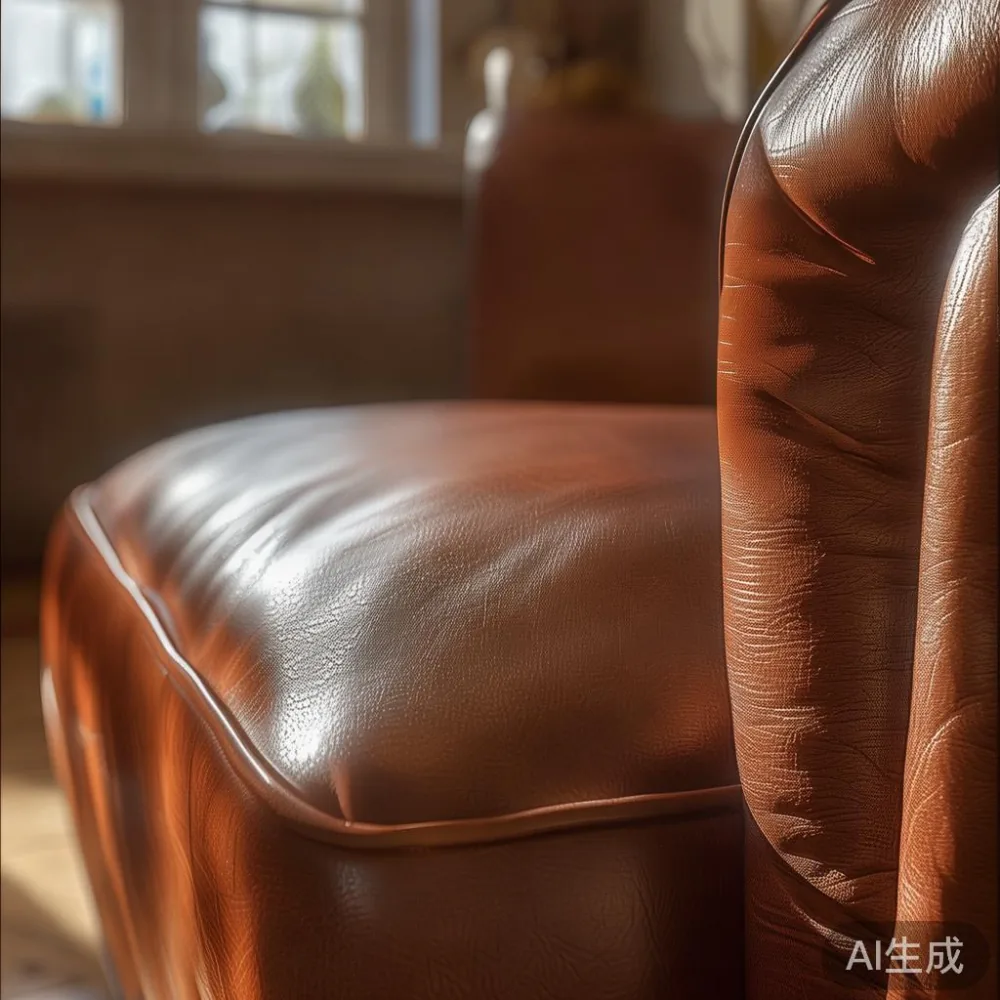
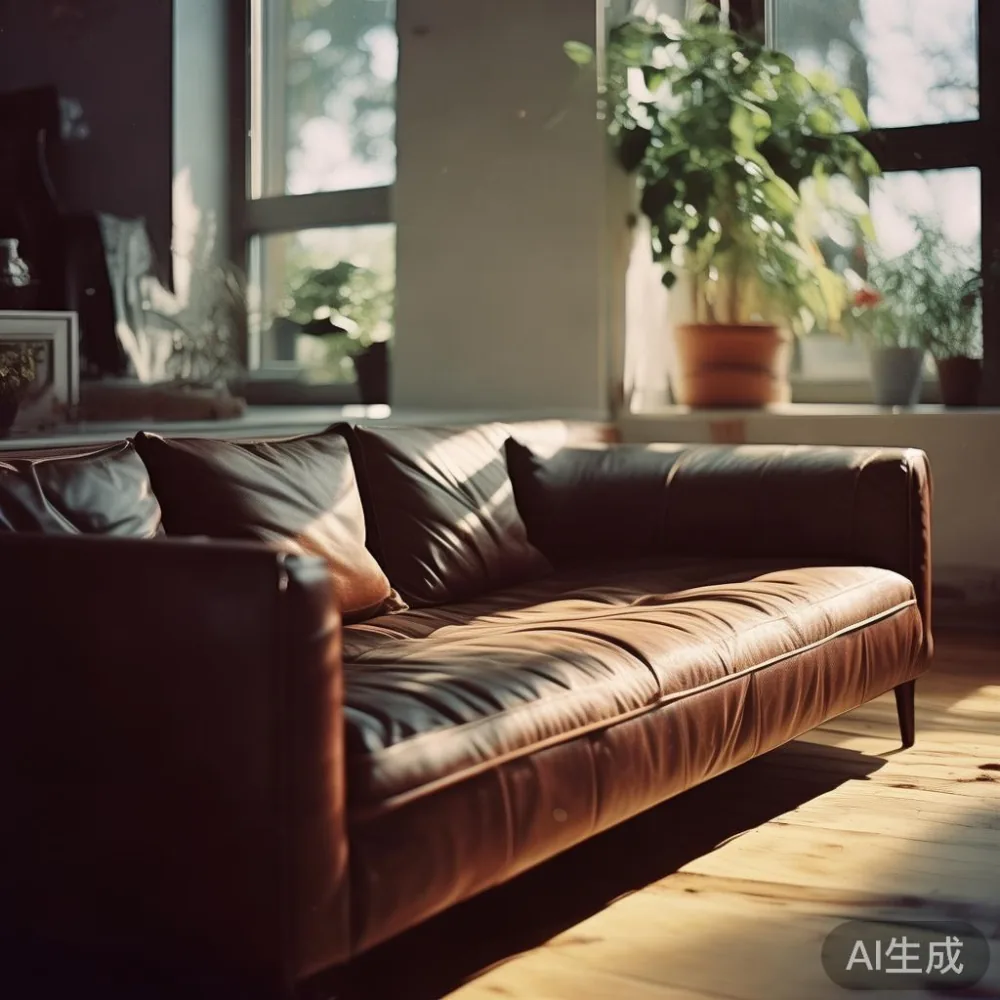
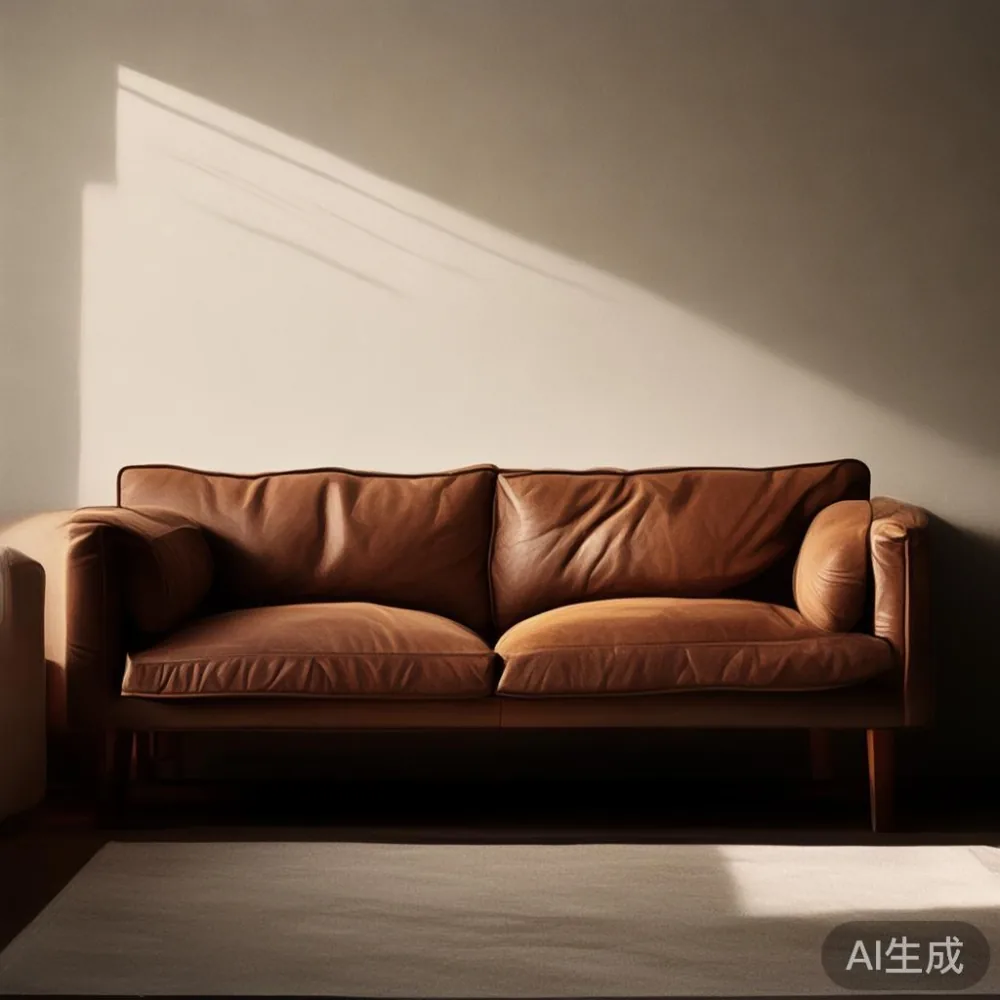
For households in HDB flats and condos around Tampines, Bedok, and Punggol, indoor conditions matter as much as Singapore’s outdoor relative humidity. Air-conditioning often lowers humidity during the day, while the building briefly becomes warmer and more humid once the system switches off. A leather sofa in such a room is also affected indirectly: its timber base can move while the leather upholstery flexes with temperature and moisture.
MIDHILL designs solid wood furniture with the expectation that timber will respond to its surroundings. That does not mean accepting uncontrolled swelling. It means selecting suitable wood, using sound joinery, applying a breathable finish, allowing pieces to acclimatise, and protecting them from standing water. The following guidance explains what humidity can do and how Singaporeans can manage it without over-drying their homes.
Why does humidity affect solid wood in Singapore?
Wood is hygroscopic: it gains moisture when surrounding air is humid and loses moisture when the air is dry. The change is most pronounced across the grain, not usually along the length of a board. For example, a 180 cm-long solid oak dining table top cut from quartersawn timber might move less than 1 mm lengthwise but 2–4 mm from one edge to the other as relative humidity rises from 60% to 85%.
Singapore’s monthly weather pattern includes periods of high humidity, showers, and rapid indoor temperature shifts. A west-facing HDB living room near Bedok may experience stronger daily variation than an interior bedroom in a Punggol condo. Air-conditioning can hold relative humidity near 50–60%, yet the room may climb toward 75–85% after midnight if windows remain open, doors are closed, and ventilation is limited.
These dimensional changes are normal. A wide solid wood dining table must be allowed to expand without being forced against a tiled wall by 20 mm or more. Likewise, a bed frame should not be pressed tightly into a recess. Solid wood wardrobe sides can bow when moisture enters unfinished edges, while a marble table with its stone top supported by a timber base needs hardware that permits tiny relative movements rather than locking both materials into one rigid unit.
How much damage can moisture cause?
The difference between stable humidity and prolonged dampness is significant. Repeated movement within a well-designed joint can produce harmless surface changes. Persistent high humidity can weaken adhesives at the edges of veneer, encourage mould in concealed areas, and increase the risk of mould growth on leather upholstery if cushions and frames remain wet.
Watch for warning signs such as doors that rub consistently, a table top that feels damp, tiny splits longer than 10 mm, blackened screw holes, musty odours, or a finish that has peeled in patches. Lift one edge of a leather seat cushion rather than shifting the whole sofa: if the timber frame is cool, damp, or stained, stop adding moisture and arrange an inspection. A surface wipe will not solve a wet frame.
One frequent mistake is treating an uneven finish as purely cosmetic. End-grain areas on a nightstand drawer or bed-frame rail absorb water faster than broad faces. If a nightstand has no sealed underside, placing it beside an air-conditioning condensate pipe or washing machine can expose it to repeated moisture. Likewise, a solid wood sofa base should stand at least 5 cm above a frequently wet balcony floor.
Light spills can worsen drying rather than wetting. A west-facing window can warm a leather sofa until its back panel reaches 38°C while the surrounding air remains only moderately humid. Heat lowers the wood’s moisture content and may dry leather at the same time. Good humidity control therefore includes shade, reasonable temperature, and airflow; repeated rapid wetting and drying is harder on furniture than gentle seasonal variation.
What humidity level should a Singapore home maintain?
A practical indoor target for timber furniture is usually about 45–65% relative humidity, measured with a small digital hygrometer. Keeping readings within a 10–15 percentage-point band reduces repeated expansion and contraction. Exact limits vary by species, board width, and finish, but 45–65% is a useful household reference rather than a substitute for a manufacturer’s care instructions.
Place a hygrometer near the living-room floor for 7 days before adjusting the air-conditioner settings. Record readings at 8 a.m., 3 p.m., and 10 p.m. for another 7 days. A reading of 82% at 10 p.m. signals a different problem from a gradual move from 52% to 60%. The former may require better exhaust air or careful cross-ventilation; the latter may not require intervention.
Avoid chasing the number with a standalone dehumidifier that blows continuously across furniture. A model rated at 12 litres per day may remove useful moisture from an overly dry room and leave the air within 20 minutes. Use a device with a humidity controller, set it around 55%, position its outlet away from a leather sofa or solid wood coffee table, and empty its tank every 2–3 days during humid periods. Electricity costs and device placement matter in compact HDB living rooms.
Dry air can also cause movement. Winter is milder in Singapore than in many exporting markets, but air-conditioners still create local conditions near 35–45% relative humidity. If a bed frame shows slight joint movement during a long air-conditioned afternoon, compare the frame with a hygrometer rather than assuming it has failed. A reading below 40% for several hours merits more ventilation or gentler temperature control.
Should I choose white oak, ash, or another solid wood species?
No single timber is immune to humidity. White oak, ash, rubberwood, and other commonly used species all move with moisture. Stability depends on grain orientation, thickness, drying method, joinery, and finish. A well-made 20 mm dining table from straight-grained boards can handle seasonal movement more predictably than a wide 35 mm panel with knots and abrupt grain changes.
Customers comparing solid wood sofa options should ask about frame timber, panel thickness, joint construction, and finish coverage, rather than relying only on a wood name. An engineered hardwood may also perform well when its moisture content was matched to the destination climate. Solid construction does not guarantee stability, and solid construction by itself does not mean that a table should be kept outdoors in rain.
French light luxury furniture often uses pale woods, refined mouldings, and restrained hardware, while American light luxury emphasises comfort and larger upholstered forms. Post-modern light luxury can combine rectilinear cases with warmer timber textures. In all these approaches, movement remains part of the design. A French provincial for dining room table, for instance, needs a stable apron and adequate clearance behind a bench or dining chair.
Design vocabulary should not obscure practical measurements. Check that a dining table is at least 90 cm wide for comfortable everyday use, allow 90 cm of circulation behind each seated diner where space permits, and place the marble table at least 10 cm from a wall if its stone top could expand. For a wardrobe, allow 15–25 mm of installation clearance above timber legs where the case may move.
How should solid wood furniture arrive in a HDB flat or condo?
Delivery is often the first major moisture event. Furniture manufactured for export may travel through different temperature and humidity zones before reaching Singapore. A solid wood bed frame shipped for 30 days should be allowed to acclimatise, and a wardrobe transported in a sea container should remain wrapped until its local moisture condition has stabilised.
Before delivery, measure the lift door, lift car, corridor turns, and the intended room route. A typical lift opening may be only 70–90 cm wide, although accessible lifts and different building designs vary. Record the narrowest point and the diagonal needed to turn a long package. A 210 cm-long package cannot make a right-angled corridor simply because its components are thin.
Ask whether MIDHILL can deliver flat-packed or assembled. Packed bed frames can reduce the package size, while an assembled dining table may arrive ready for placement. Delivery in Singapore may take 7–21 delivery days for standard configured pieces, depending on specification and current stock. At checkout, confirm the amount above the free-shipping threshold: MIDHILL offers free shipping over US$350, which is shown as about SGD$465 before GST.
Singapore GST is 9%. A USD-denominated free-shipping threshold does not remove tax from the order; the final payable amount can still include GST. Have approximately SGD$465 in item value before tax or after the merchant shows the conversion method, then review the GST-inclusive checkout total before placing the order.
Bring pieces indoors, remove moisture-barrier packaging gradually, and avoid installing a wardrobe tightly against a wall before acclimatisation. A nightstand or solid wood sofa base should be lifted rather than dragged across tiles. Use felt pads under legs, available in 2–3 mm thicknesses, to reduce scratches while allowing air circulation underneath.
What care routine works for furniture and leather upholstery?
Begin with controlled cleaning rather than harsh products. Dust a solid wood dining table with a dry microfibre cloth and a soft brush around carvings. Wipe only with a lightly damp cloth, then dry immediately. Do not flood timber, use saturating mops, or place drinks with condensation directly on the surface.
Leather needs a different routine. Keep the leather sofa at least 30 cm from a dehumidifier outlet and wipe the frame’s underside every 2–3 months with a dry cloth. Clean leather according to its supplier’s instructions; some aniline finishes dislike soap, while coated leather may tolerate a damp cloth. Test a 10 cm square in a concealed area for 24 hours before applying anything across the full cushion.
Leather can develop mould if it remains wet. After accidental rain, remove loose cushions, separate them where possible, and stand them in a ventilated, shaded area for 24–48 hours. Do not use a hair dryer at close range or expose the leather to direct sun. Keep the room below about 65% relative humidity and check again after another 24 hours.
For wood finish maintenance, avoid promising that one oil treatment works for every surface. Some dining tables are sealed for easier cleaning, while other pieces may be supplied with oil or wax. Follow the product-specific care sheet. If a finish becomes white, tacky, or cloudy, stop using silicone-based cleaners; those residues can require stripping before restoration.
Marble requires separate protection. Use coasters and trivets, and wipe acidic spills such as wine or citrus juice within 10 minutes. A marble table should not be exposed to standing water, even when the timber support has a good finish. Periodically inspect the fixing points and ask a professional to check for looseness if the top has become heavy to move.
Can interior design choices reduce humidity stress?
Yes. Furniture placement can make a marked difference in Singaporean rooms. Keep a solid wood dining table away from a 30 cm-wide strip beside a frequently opened kitchen doorway where warm air enters. Leave 10 cm between a wardrobe side and a curtain or wall when installation conditions allow. Use blinds during intense afternoon sun and maintain 60–90 cm of practical circulation where possible.
For compact Punggol studios, vertical storage may free floor area, but airflow still matters. A floor-standing wardrobe should not touch a damp exterior wall, and its back should have adequate ventilation. Slatted screens, closed storage, and raised legs can limit exposure to splashes without turning a room into a storage enclosure.
Those researching 2026 Mid-century modern furniture may encounter tapered legs, warm wood, and slim profiles. Keep at least 10 cm beneath a wall unit so moisture can be checked, and avoid placing such furniture against an air-conditioning vent. If a customer is learning how to style Japanese wardrobe in room layouts with sliding doors, confirm the opening direction and the full 180 cm wardrobe-door sweep before ordering panels.
Style references can help buyers organise choices. A top 10 French furniture list may highlight cabriole legs, pale timber, and upholstery, while a top 10 Boho furniture list may focus on woven textures and layered textiles. Neither list replaces measurements. Compare an American bed vs Nordic bed by considering headboard clearance, mattress support, slat spacing, floor ventilation, and whether the bed frame allows seasonal movement.
MIDHILL coffee table dimensions should be compared with seating clearance, not only with a product photograph. Leave 40–45 cm between a coffee table and the front edge of a sofa for walking space where the room permits; 30–40 cm can work in a smaller zone. For a lighter visual effect, choose a narrow design rather than pushing a leather sofa against the table.
When should a homeowner call a furniture specialist?
Ask for help when movement changes suddenly, finishes repeatedly peel, joints remain loose, mould appears, or a piece has been wet. Include photographs, measurements, species, finish, room humidity readings, and the approximate date of delivery. That information helps distinguish seasonal movement from a manufacturing or moisture-storage problem.
MIDHILL was established in 2008 and exports solid wood furniture to more than 15 countries. Its 10-year structural warranty addresses covered structural failures, while a lifetime refinishing service provides a future path for eligible wooden surfaces. Returns are available within 14 days under the applicable policy, but furniture should not be returned after it has developed mould, an odour, or damage from improper storage.
Do not attempt major repairs during the first humid week after arrival. Let the piece settle, measure its movement, and maintain sensible indoor conditions. If a dining table expands near a wall, remove the obstruction rather than forcing the timber back. If a wardrobe door catches repeatedly, adjust only if the instructions permit it. Persistent rubbing, joint looseness, or wet odours deserve an inspection.
A stable Singapore interior does not need to feel artificially dry. Aim for balanced air, shade, ventilation, sensible spacing, and regular observation. Solid wood can remain serviceable across wet seasons and dry air-conditioned afternoons when its natural movement is respected. Protecting the timber beneath a leather sofa, the frame of a bed, and the surfaces of a wardrobe, nightstand, dining table, coffee table, or marble table is a long-term care practice—not a demand that wood stop behaving like wood.