How to Style a Small Singapore Apartment Without Making It Feel Crowded
Two weeks ago I rode the lift up to a 980 sqft resale HDB in Tampines with my colleague. We were carrying fabric swatches, a laser measure, and a tape that ran to 5 metres. The owner, a young couple with a two-year-old and a cat, had one rule: do not make my living room look smaller. They had already bought a three-seater leather sofa from a local retailer, and they wanted help styling the rest of the space around it. The result of that afternoon is the spine of this article. If you live in a Singapore HDB flat or a compact condo in Punggol or Bedok, and you are trying to make every square metre feel intentional rather than cramped, the principles below are written for you.
Why Your Leather Sofa Is the Anchor, Not the Problem
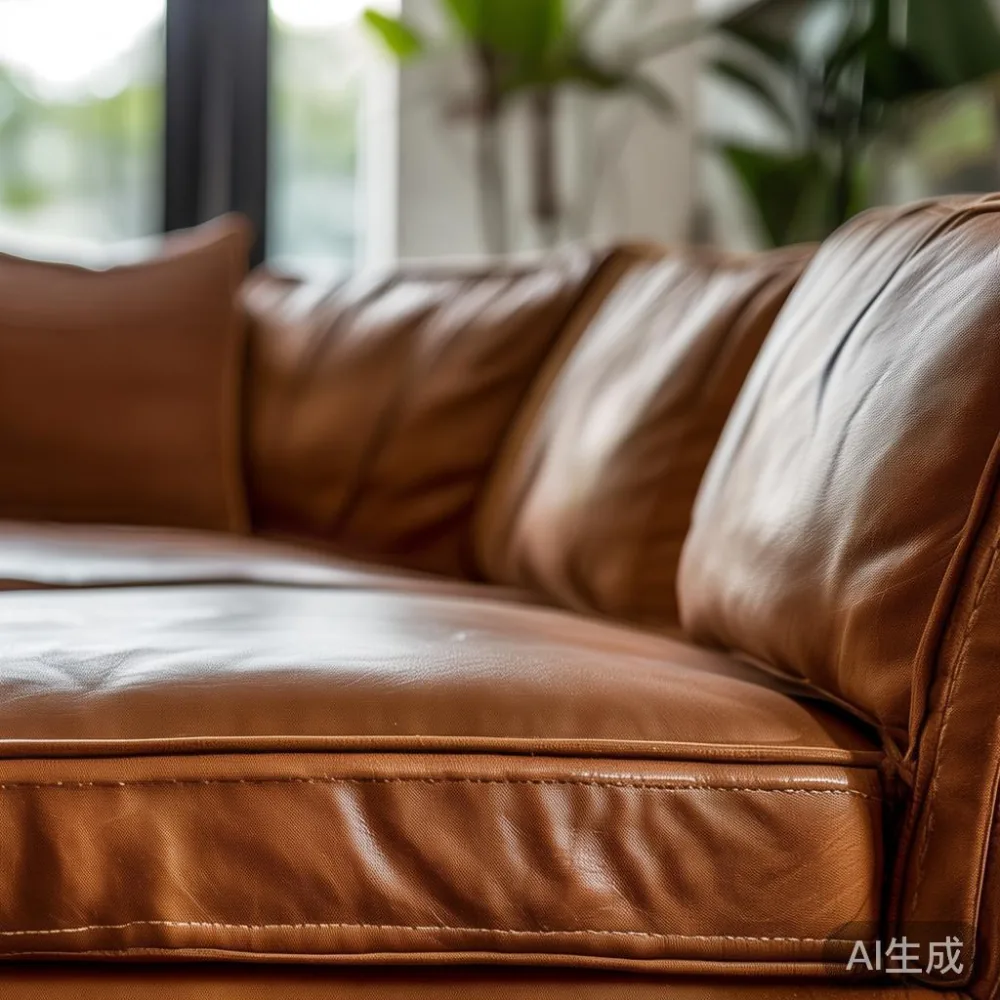
Most small apartment guides start by telling you to throw everything out. That advice does not survive contact with a Singapore lift lobby, where the usable depth between the elevator door and the service lift wall is often only 1.9 metres, or with a corridor turn that forces a 2.4-metre diagonal on your sofa delivery. Once your leather sofa is already in the home, it is the anchor. A 2.1-metre three-seater in full-grain leather will visually weigh more than a fabric equivalent, which is exactly why it can hold a room together if you let it.
The mistake I made on my own first rental in Bedok was fighting the sofa. I bought a tiny side table, a narrow rug, and a slim console, then wondered why the room still felt busy. When I removed four items and replaced them with one solid wood coffee table in walnut, the eye finally had somewhere to land. In a 18-square-metre living room, one strong centrepiece beats six medium ones every time.
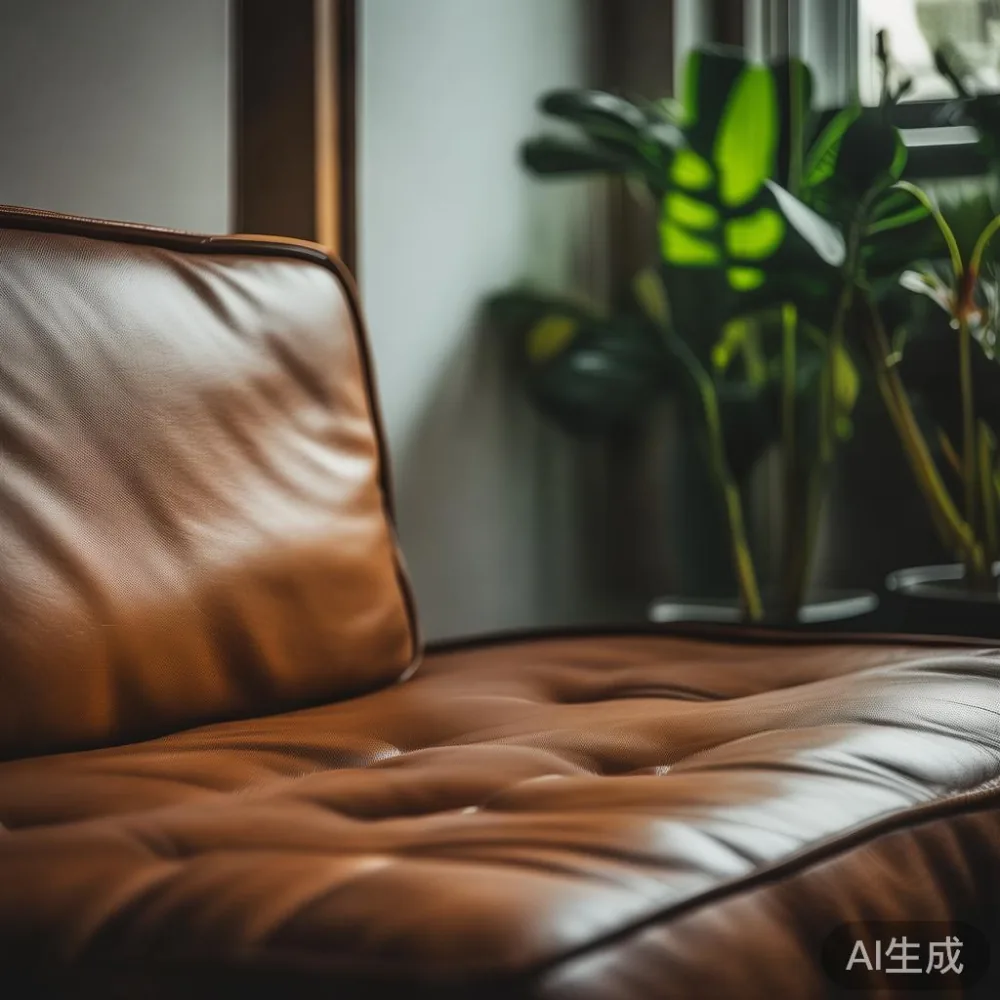
For Singapore homes specifically, a leather sofa also solves humidity. Top-grain leather does not trap the musty smell that fabric absorbs during the April to September monsoon, and it wipes clean when your toddler hands you a sticky glass of Ribena milk tea. It is the rare furniture choice that is both forgiving and grown-up.
What Is the Real Smallest Floating Box You Can Fit Through an HDB Door?
This is the question every Tampines and Punggol buyer eventually asks, and the answer is more generous than you think. A standard HDB main door opening is roughly 0.9 metres wide by 2.1 metres tall, and the service lift on most newer BTOs takes a load of about 3 metres in length. That means a solid wood sofa frame, a king-size bed frame, or a 2.4-metre dining table can usually be delivered assembled, so long as the single largest piece is under 0.88 metres at its widest point.
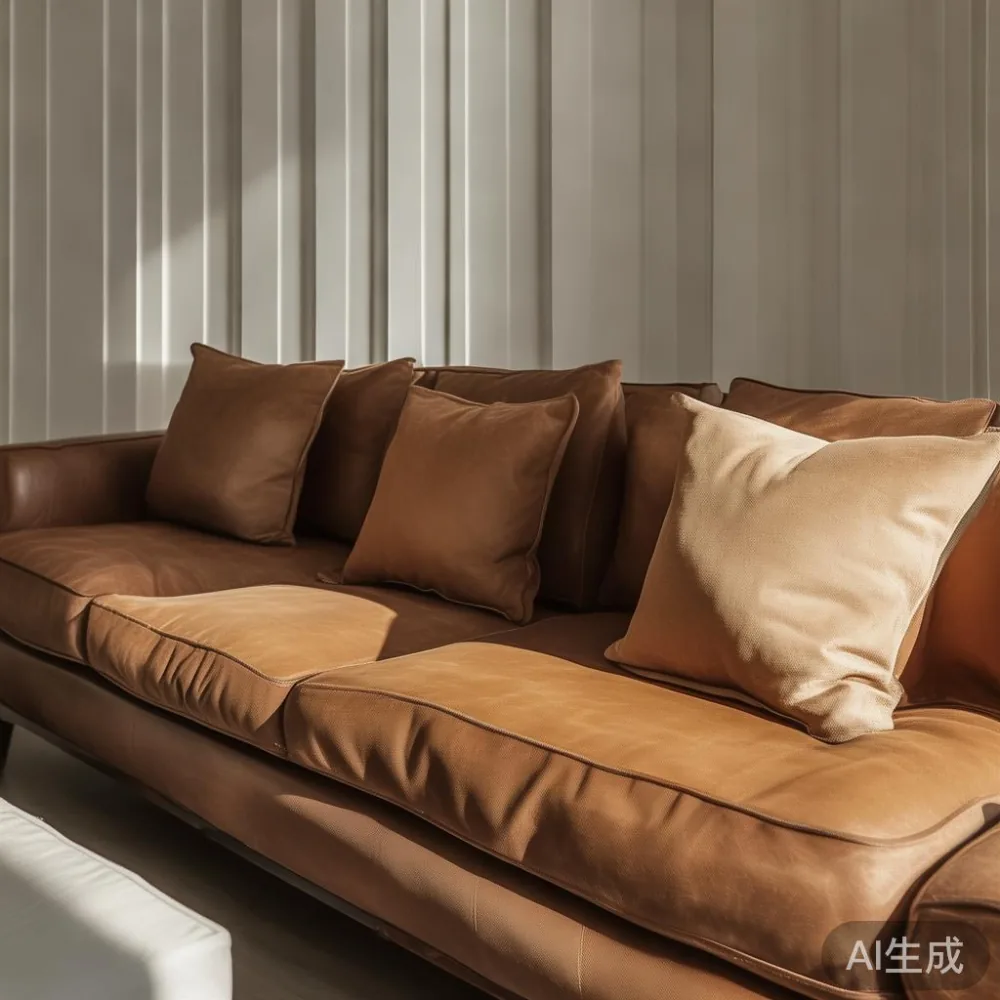
When I visited the MIDHILL showroom in Foshan last month with two interior designers from Singapore, we measured their best-selling solid wood sofa and bed frame line specifically against HDB constraints. The base frames came in at 0.82 metres for the packaged width, which means they clear a standard corridor turn with about 6 cm to spare on each side. For a 1.55-metre SUB-CEN three-seater leather sofa, the trick is usually to angle it through the corridor at 45 degrees, which requires only 1.9 metres of diagonal turning radius. That is the kind of number you want before you swipe your card.
Two practical rules of thumb for Singapore:
- Measure the diagonal of every doorway frame on your floor, then subtract 10 cm. Anything smaller than that diagonal will fit on delivery day.
- For items over 60 kg, ask whether the seller uses a hand truck with rubber treads; marble table tops in particular can chip a corridor wall if the dolly wheel slips on the epoxy flooring common in HDB common areas.
How Do You Choose Pieces That Disappear When You Are Not Using Them?
Visual weight is the enemy of small apartments, and the cure is furniture that visually recedes when you are not interacting with it. Think of a leather sofa as the loudest single voice in the room, then choose everything else to be a whisper. A solid wood side table in pale ash, a low marble table with a slim pedestal, and a bed frame raised 18 cm off the floor will all create the impression of breathing room, even in a 12-square-metre bedroom.
The trick I keep recommending to friends in Punggol Waterway Woodcress is the half-visible rule. From the doorway of any room, only one piece of furniture should occupy your central sightline. If you can see a leather sofa, a dining table, and a wardrobe at the same time, the room will feel cramped regardless of how expensive each piece was. Solutions:
- Place the bed frame perpendicular to the door, not facing it, so the headboard absorbs attention instead of the foot of the bed.
- Push the dining table against a wall and use backless stools that slide fully underneath. Saves 40 cm of clearance.
- Choose a nightstand under 45 cm wide. Anything wider competes with the doorframe and reads as clutter.
If you want a quiet project for next weekend, figure out how to style Japandi bed in apartment settings where every centimetre counts. Japandi works because it is half Japanese restraint and half Scandinavian warmth, and that hybrid gives you permission to leave some surfaces bare. A low solid wood bed frame, two linen pillows, and one ceramic lamp is often enough. Add a wardrobe with sliding doors rather than hinged ones, and you recover another 0.6 square metres of usable space.
Where Does Light Luxury Fit Into a 60-Square-Metre Floor Plan?
Light luxury is the middle path between IKEA flat-pack and full Italian import. In Singapore context, that usually means Italian light luxury for small living room schemes, where you take one Italian-inspired statement piece and surround it with quieter solid wood furniture. A leather sofa with brass-tipped legs and channel tufting reads as light luxury without tipping into showroom territory. Pair it with a solid wood dining table in light oak, a slim wardrobe with reeded glass panels, and a marble table no wider than 80 cm, and the room will look curated rather than crowded.
The American light luxury variant is a touch warmer and more oversized. Think a deep-seated leather sofa in cognac, a chunky solid wood coffee table, and a bed frame with a tall upholstered headboard. It is forgiving on imperfect walls, which is helpful in older HDB blocks where the concrete columns are 30 cm proud of the drywall.
The post-modern light luxury lane is the one I find works best in compact Singapore condos. It mixes one curved silhouette (a rounded leather sofa, a circular marble table) against a grid of rectilinear solid wood pieces. The curve softens the geometry, and the wood keeps the room from feeling like a hotel lobby. For a guest room that doubles as a home office, a Post-modern for guest room scheme can be as simple as a single bed frame in ash, a slim desk that folds to 22 cm deep, and one rounded armchair in bouclé.
If you want to push the dining area into the same vocabulary, an industrial for dining room approach is the easiest way to add character without adding size. Black steel legs, a reclaimed-look solid wood dining table top, and a single leather bench seat. The bench slides fully under the table when guests leave, which is exactly the behaviour you want in a 24-square-metre combined living-dining area.
What Is the Cheapest Way to Test This Without Buying Everything at Once?
Ask for a 14-day return window, and use it. Reputable Singapore sellers who import directly from factories like MIDHILL in Foshan usually allow returns within 14 days for pieces that do not fit the doorway or the room. Free shipping over US$350 also applies on most consolidated container orders, which matters because a leather sofa, a solid wood bed frame, and a dining table together usually clear that threshold after GST at 9%.
My own pattern is to order the bed frame first, live with it for ten days, then add the nightstand and the dining table. The leather sofa goes in only when everything else has settled, because the sofa is the hardest item to return. If you are comparing brands, a short MIDHILL dining table review I read from a Singapore condo owner noted that the 1.6-metre six-seater arrived in two boxes under 35 kg each, which two people could carry up to a fourth-floor walk-up without a delivery surcharge. That is the kind of practical detail you want before you commit.
Three more Singapore-specific numbers to anchor your planning:
- Standard HDB ceiling height: 2.6 metres to 2.8 metres in newer BTOs. Anything taller than 1.95 metres will block the visual ceiling.
- Recommended walkway clearance behind a dining table: 75 cm for one person, 90 cm for two people passing each other.
- Recommended gap between a leather sofa and a television console: 1.1 metres, which is also the comfortable seating distance for a 55 inch screen.
How Do You Maintain a Leather Sofa So It Still Looks Good in Year Five?
Leather ages, and in a Singapore climate that means a predictable cycle. From March to October, expect the humidity to sit between 78% and 92% on most afternoons. That is fine for full-grain leather, but it will dry out corrected-grain leather in about 18 months if you do not condition it twice a year. A 250 ml leather conditioner costs about SGD 28 at any Tiong Bahru office supply shop, and a microfibre cloth is another SGD 12. That is the entire annual maintenance budget.
Beyond conditioning, three habits will keep a leather sofa looking new for a decade:
- Keep it 30 cm away from any window that gets direct afternoon sun. UV is the single fastest leather killer in Singapore.
- Rotate the cushions every two weeks for the first six months. This sets the memory foam evenly.
- Blot, never rub, any liquid spill. Rubbing pushes the stain into the grain and lifts the pigment.
Most direct-from-factory sellers, including MIDHILL with their lifetime refinishing service, will recolour and recondition a leather sofa for a fraction of replacement cost after year five. The structural warranty on the frame usually covers ten years, which is longer than most Singapore HDB leases for the furniture itself. That kind of after-sales support is rare, and it is the reason I keep recommending direct factory imports to friends who want light luxury without the retail tax.
What Should You Skip in a Small Singapore Apartment?
Some pieces photograph well on Instagram but punish you in a 50-square-metre home. Skip these:
- Chaise lounges longer than 1.7 metres. They eat floor space and rarely get used in HDB layouts.
- Glass-top dining tables. They show every fingerprint and visually double the weight of the table.
- Wardrobes with mirrored doors. They reflect clutter and make a small bedroom feel like a fitting room.
- Oversized floor lamps. A 1.8-metre arc lamp needs a 1.2-metre clearance to swing safely, which you rarely have.
Replace each with a smaller, solid wood, or leather equivalent: a 1.5-metre chaise that still reads as lounging, a solid wood dining table with a marble table top under 2 metres, a wardrobe with reeded glass or cane panels, and a 1.4-metre arc lamp placed in the corner rather than the centre of the room.
How Do You Stage the Final Reveal?
The last step is the one most people skip. Move everything 15 cm out from the walls. Live with it for three days. If the room feels calmer, push it back 5 cm at a time until it feels snug. That is your exact clearance, and it is different in every Singapore home because the natural light angles differ between a Punggol flat facing the straits and a Bedok flat facing the industrial estate.
When you finally photograph the room, take one shot from the doorway at eye level. If the leather sofa, dining table, bed frame, and wardrobe all fit inside the frame without touching the edges, the room works. If anything touches the edge, scale back by 10%. That simple framing rule has saved me from three bad purchases in the past two years.
For readers who want to start browsing, the MIDHILL catalogue at midhill.co is laid out by room, with dimensions in centimetres and packaging weight in kilograms on every product page, which makes it easy to filter for HDB clearance before you fall in love with a silhouette that will not fit through your door. Combine that with a 10-year structural warranty, lifetime refinishing on the leather sofa, and consolidated free shipping over US$350 after GST, and the total cost of ownership lands roughly 18% to 25% below the equivalent piece in a Singapore retail showroom. That is the practical reason direct-factory sourcing keeps coming up in every Singapore small-apartment conversation I have.