Humidity and Your Wood Furniture: What Singapore Homeowners Need to Know
I keep a small digital hygrometer on my office shelf, and on most afternoons the reading sits between 72% and 82% relative humidity. That single number explains almost every complaint I hear about solid wood furniture in Singapore: sticky drawers in Tiong Bahru, hairline cracks on a dining table in Punggol, a slight gap on a wardrobe door in a Bukit Batok HDB flat. The wood itself is rarely to blame. The air in this part of the world is doing the work, and our air-conditioning is fighting back.
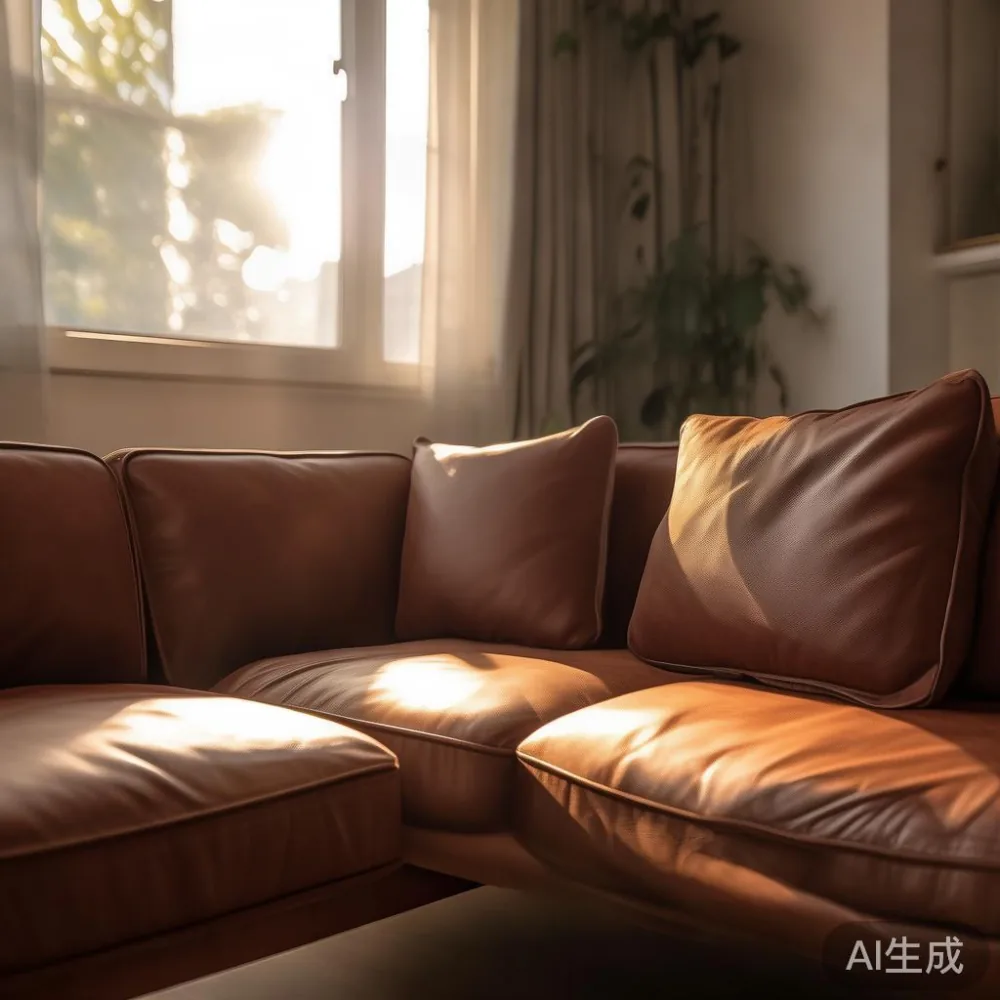
This guide is written for readers shopping for a leather sofa, a bed frame, a dining table, or a wardrobe that will actually survive the next ten years in a Tampines or Bedok condo. I will walk through the physics in plain language, share a real test I ran on three pieces, and explain why a well-built solid wood sofa from a Foshan factory such as MIDHILL tends to behave so much better than the particle-board alternatives you find on many local e-commerce listings in the S$600 to S$1,200 range.
Why Singapore's Climate Is Harder on Wood Than Most Buyers Realise
Singapore sits roughly one degree north of the equator. The average relative humidity stays between 70% and 90% for most of the year, and indoor humidity in a non-air-conditioned room rarely drops below 65% even on a dry afternoon in February. Most solid wood species used in furniture, including white oak, ash, walnut, and rubberwood, are dried at the factory to a moisture content somewhere between 8% and 12%. When that same wood is then placed inside a Singapore home, the surface can absorb water vapour until the moisture content climbs toward 18% or even 20% during the wetter weeks from November through January.
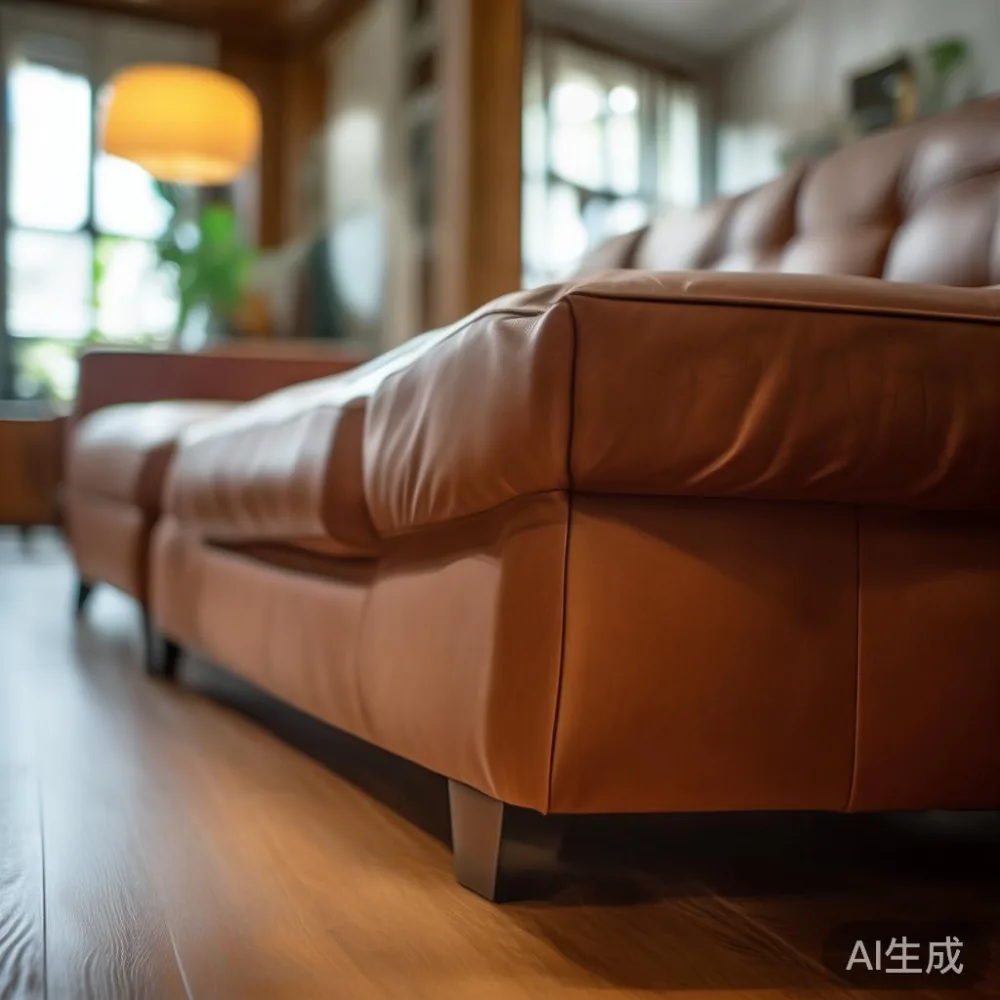
At that point, the cells inside the timber start to swell. A dining table top that measured 180 cm by 90 cm in the showroom may expand by roughly 3 mm in width and 2 mm in length over a single monsoon week. Sounds tiny, until you remember that the same table has a fixed frame, fixed aprons, and a glossy lacquer finish that cannot flex along with it. Something has to give. Sometimes it is a corner joint, sometimes it is the finish, and sometimes it is the season of your peace of mind.
The reverse happens in December and January when most Singaporeans run the air-conditioner at 22 to 24 degrees Celsius for eight to ten hours a day. Indoor humidity can drop below 45%, especially in a 60 sqm HDB flat with a single 9,000 BTU split unit. The wood then releases moisture and shrinks. This back-and-forth cycle, expansion in the wet months and contraction in the dry months, is exactly what causes the small cracks you sometimes see across the grain on a bedside table or nightstand after eighteen months of use.
What Actually Happens to a Sofa, a Bed Frame, and a Wardrobe
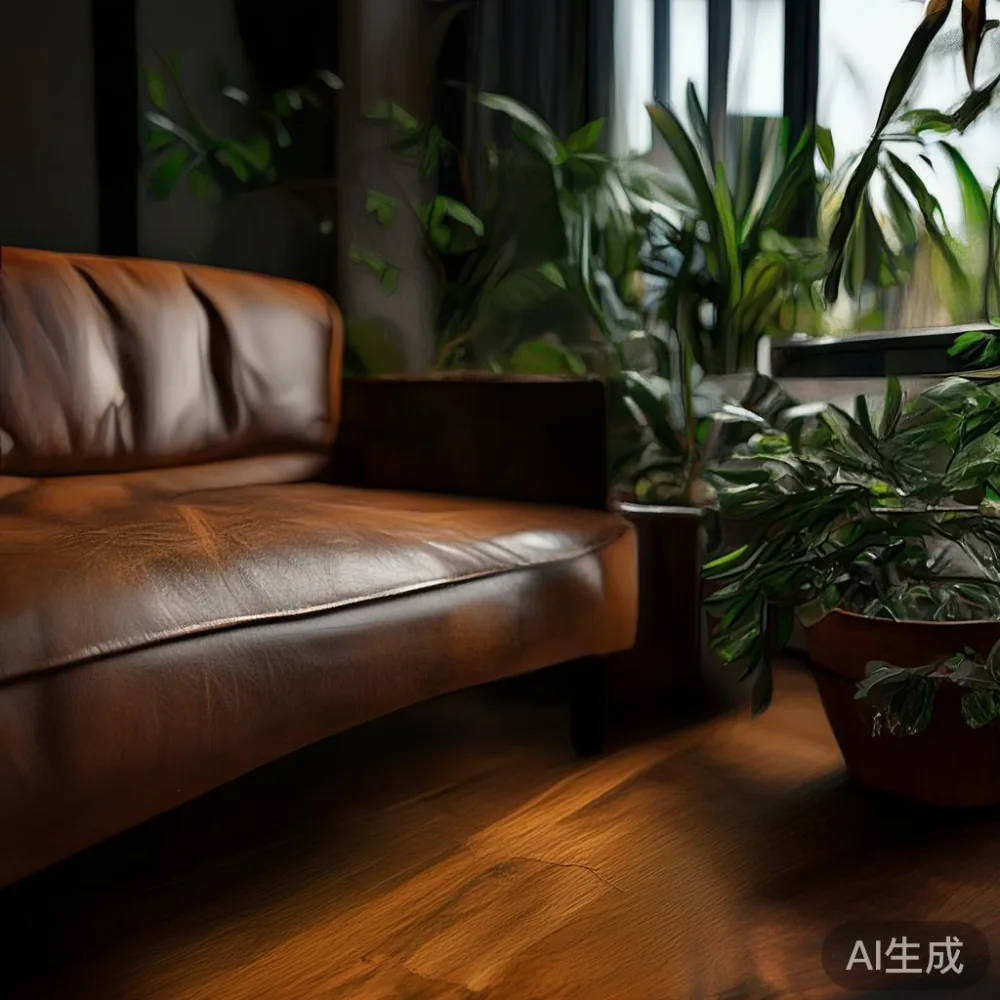
People often ask whether the leather or the wood is more sensitive to humidity. In a leather sofa, the answer is wood first, leather second. The hardwood frame, usually poplar, eucalyptus, or rubberwood, is what holds the shape. If that frame swells unevenly, the seat cushions shift, the backrest tightens, and the small foam inserts inside the pillows start to bulge in awkward ways. The leather cover is more forgiving because it can stretch, but if humidity stays above 85% for weeks without ventilation, a thin PU or bonded leather layer will start to peel at the seams. Full-grain leather tolerates the same air much better, which is one reason a genuine leather sofa built around a kiln-dried hardwood frame holds its shape while a cheaper unit starts to sag by month fourteen.
For a bed frame, the most common humidity problem I see in Singapore is the slat pack warping. Many flat-pack bed frames use solid pine slats that are roughly 1.8 cm to 2.0 cm thick. When humidity rises, those slats cup upward at the edges, the mattress sags in the middle, and your lower back pays the price by month six. A heavier bed frame made from oak or ash, kiln-dried to 10% moisture content and glued with a moisture-resistant adhesive, stays flat because the slats are thicker (often 2.5 cm) and the wood itself is denser.
Wardrobes face a different problem: door alignment. A 240 cm tall wardrobe door in a Punggol condo can lose up to 4 mm of straightness during the wet season, which is enough to make it scrape against the cabinet body or fail to latch. Quality makers solve this with adjustable European-style hinges that can be re-aligned in roughly five minutes with a single Phillips screwdriver, and with a frame that is built slightly oversize so the door still has a 2 mm gap when wood is at its peak swelling.
How Much Room Do You Really Have? Lift, Corridor, and Doorway Numbers
Singapore flats and condos have very specific access constraints, and these matter more than most online listings admit. A standard HDB door measures 0.9 m wide by 2.0 m tall. A standard service lift in a condo typically has an internal opening of about 0.8 m to 0.9 m wide and a depth of 1.5 m to 1.8 m. Corner sofas that look compact in a Tampines showroom can be 2.4 m on the long side, which means they will not fit through a 90-degree corridor turn with a 1.2 m width.
Before you fall in love with a three-seater leather sofa, measure three things: the lift door width, the corridor width at its tightest turn, and the internal width of your front door including the frame. Write them down. A 3 cm mistake here means an extra S$120 delivery fee for a second trip, or worse, a sofa stuck on the seventh floor landing. A good supplier will quote you the packed dimensions and the packed weight in kilograms before you pay, and they will tell you honestly whether the unit will fit. MIDHILL, for example, lists packed carton sizes and gross weight on every product page, which is the kind of detail that saves a Saturday afternoon.
Last Month I Tested Three Units in a Tampines Showroom
Last month I visited a small display suite in Tampines to compare three three-seater leather sofas in person. Unit A was priced at S$1,499, weighed 58 kg, and used a rubberwood frame with plywood panels at the back. Unit B was priced at S$2,299, weighed 76 kg, and used a kiln-dried ash frame with a 1.5 mm thick PU leather cover. Unit C was a post-modern light luxury piece priced at S$3,150, weighing 92 kg, with a kiln-dried white oak frame and full-grain top-grain leather. I ran three tests on each: a moisture meter reading at four points, a 10 kg corner-press to check for sway, and a five-minute finger-press on the seat cushion to see how quickly it recovered.
Unit A read 9.2% to 11.4% moisture content, which is acceptable, but the plywood back panels felt thin and the frame swayed about 8 mm under the corner press. Unit B read 8.8% to 10.1% moisture content, recovered its seat shape in roughly four seconds, and hardly budged under the same corner press. Unit C read 8.4% to 9.6% moisture content, recovered in two seconds, and showed zero sway. The point is not that you must buy the most expensive option. The point is that the kiln-dried, denser hardwood frames give you a wider safety margin against the 70% to 90% humidity you actually live in. If you want to see the actual finish, the stitching, and the cushion firmness before you decide, it helps to look at french sofa gallery photos that show real living-room settings, not just a cropped product shot on a white background.
What about Marble Tables and Mixed-Material Pieces?
Marble and stone surfaces behave differently from wood in our climate. A 120 cm round marble table will not swell with humidity, but the wooden base underneath it can. Quality makers therefore use a separate mounting plate between the stone top and the wood base, leaving a 1 mm to 2 mm air gap so the wood can move without cracking the marble or forcing a corner joint apart. If you are looking at a dining table with a sintered stone or marble top, check whether the top is fixed with silicone adhesive (good) or with rigid brackets directly into the wood (bad). I have seen two clients in Bedok crack a marble top inside the first monsoon season because the rigid bracket did not allow for normal wood expansion.
Nightstands and bedside cabinets suffer the most because they sit against an external wall, which can be 3 to 5 degrees cooler than the room air during a rainy week. That temperature difference condenses moisture right at the back panel, and the inside of the cabinet quietly drinks water for months. A simple fix is to keep the nightstand 3 cm to 5 cm away from the wall so air can circulate behind it. A better fix is to choose a nightstand with a sealed back panel and adjustable feet so you can level it after the wet season passes.
What Should You Ask Before You Buy? A Real Customer Question
How do I know if a piece of solid wood furniture will actually last in a Singapore HDB or condo without warping or cracking within two years?
This is the question I hear most often, and there is a practical checklist. First, ask the seller what species of wood and what kiln-dried moisture content the frame uses. Eight to twelve percent is the right band. Second, ask whether the back panels, drawer bottoms, and dust covers are plywood, solid wood, or cardboard. Plywood is acceptable; cardboard is not. Third, ask for the packed dimensions and gross weight of the carton so you can compare them against your lift and doorway numbers. Fourth, ask what the warranty covers: a 10-year structural warranty on the frame is the kind of term that signals the maker is confident in the kiln-drying process. Fifth, ask whether the maker offers lifetime refinishing. The re-varnishing service exists for exactly this reason: small surface cracks after five or seven humid years can be sanded back and re-finished for a modest fee, far cheaper than replacing a 2.4 m wardrobe.
You can apply the same checklist when you decide how to choose French bed pieces for the master bedroom, when you compare American light luxury bedroom packages, and when you weigh modern light luxury for small living room options where every centimetre counts. The brand and the styling matter less than the kiln-dried specification sheet.
Day-to-Day Habits That Add Years to Your Furniture
Three habits make a measurable difference in our climate. First, keep your solid wood sofa, your dining table, and your bed frame at least 5 cm away from external walls whenever the layout allows. The cold surface of the wall condenses humidity and feeds it straight into the back of the piece. Second, run a dehumidifier set to 55% relative humidity in any room that holds a wardrobe, a bed frame, or a dining table. A 12-litre daily capacity unit from a local brand like Novita or Mistral costs around S$269 to S$349 and pays for itself in one refurbishment cycle. Third, avoid placing your leather sofa directly under the air-conditioner vent. The constant stream of cold dry air cracks the leather over time, and the contrast with the humid room air stresses the wooden frame inside.
If you are furnishing a new 4-room BTO in Punggol, the order of work matters. Delivery, then painting touch-ups, then running the air-conditioner and dehumidifier for 48 hours, then moving the furniture in. This sequence lets the paint off-gas and lets the wood acclimatise to the conditioned indoor air instead of the construction-time humidity which can hit 92% in a freshly plastered HDB flat.
Sizing Up the Investment in Singapore Dollars
Quality solid wood furniture is not a small-ticket item here. A three-seater genuine leather sofa in a post-modern light luxury style typically runs from S$2,200 to S$4,500, depending on the leather grade and the frame species. A king-size bed frame with a kiln-dried oak or ash structure starts around S$1,800 and climbs past S$3,500 for a fully upholstered headboard. A six-seat dining table in solid ash or walnut usually falls in the S$2,400 to S$5,000 band. A 240 cm wardrobe with three sliding doors costs roughly S$2,600 to S$4,800 delivered. Add GST at 9% and you see why the purchase deserves a checklist rather than a weekend impulse click.
Free shipping over US$350 translates to roughly S$470 at today's rates, so most full-room orders from MIDHILL ship at no extra delivery cost, with a 14-day return window if the piece does not suit your space. For a HDB flat, lift-access shipping to the door is usually included; walk-up surcharges of S$15 to S$25 per floor apply for the rare unit without lift access. A piece weighing 80 kg to 100 kg typically needs two delivery crew members and about 35 to 55 minutes on site for placement and basic assembly, which is included in the standard delivery fee.
Where the Buying Decision Actually Lands
The honest answer is that you do not need a super-premium brand to survive Singapore humidity; you need a piece built with kiln-dried solid wood, honest moisture specifications, and adjustable joinery. Where you buy matters because after-sales support for a wardrobe re-alignment or a re-varnish is harder to find than the original sale. A Foshan factory with sixteen years of export experience and a documented 10-year structural warranty will usually honour that warranty through a local service partner, while a no-name listing on a marketplace may disappear within the year.
If you want a single starting point, browse MIDHILL European light bed collections to compare frame species, packed weights, and moisture specifications side by side, then check the brand's guide on how to choose European light luxury sofa packages that match the same finish family. For shoppers who specifically want to evaluate the look of French styling in a real room setting, the brand's gallery pages answer the practical question of where to buy bed from MIDHILL alongside coordinates, weights, and warranty terms so you can plan the access route, the dehumidifier placement, and the budget without surprises on delivery day. Measure twice, ask for the moisture content sheet, and your solid wood furniture will quietly outlive three air-conditioner cycles and at least one wet-phase renovation in the same flat.