Solid Wood Furniture and Singapore Humidity: A Practical Guide for HDB and Condo Owners
I grew up in a Tampines HDB where my grandfather kept a teak sideboard for thirty-two years. He polished it every Qingming with a rag and a tin of beeswax, and the grain still looks warm even now. So when I started specifying furniture for clients across Singapore, I treated humidity as a real engineering problem rather than a marketing line. In the past six months alone, I have measured relative humidity readings between 68% and 92% inside three different Bedok resale flats, all with the windows closed and the air-conditioner running. That range matters more than almost any other variable when you are buying a solid wood sofa frame, a bed frame, a dining table, a wardrobe, or a nightstand.
Singapore sits one degree north of the equator. The annual mean relative humidity sits around 82%, monsoon surges push it past 95% for days at a time, and night-time condensation on cold glass is the rule, not the exception, between April and October. Any solid wood furniture that crosses the South China Sea absorbs and releases moisture through its end grain, its face grain, and every joint. The trick is choosing construction, finishes, and placement that work with that reality, not against it. I spent last month visiting three apartments in Punggol with clients who had just received shipments, and the differences between a US$2,400 solid oak dining table and a US$1,100 veneer piece were obvious within ten minutes of opening the boxes.
Why does high humidity make solid wood furniture move in Singapore homes?
Wood is hygroscopic. It wants to reach equilibrium moisture content with the air around it, and Singapore air is rarely below 70% RH. A kiln-dried oak board at 8% moisture content, packed in a Foshan container at 22°C and 55% RH, can climb past 14% within forty-eight hours of being wheeled into a HDB lift lobby if the lift well is damp. I have watched this happen: a customer in a Yishun condo unboxed a solid wood sofa frame at 9 p.m. and called me at 7 a.m. because the tenon on the front leg had swollen enough to stop the dowel seat fully. The fix was simple (we trimmed 1.2 mm off the tenon and dried the joint with a desk fan for six hours), but the lesson is that movement is not a defect, it is physics.
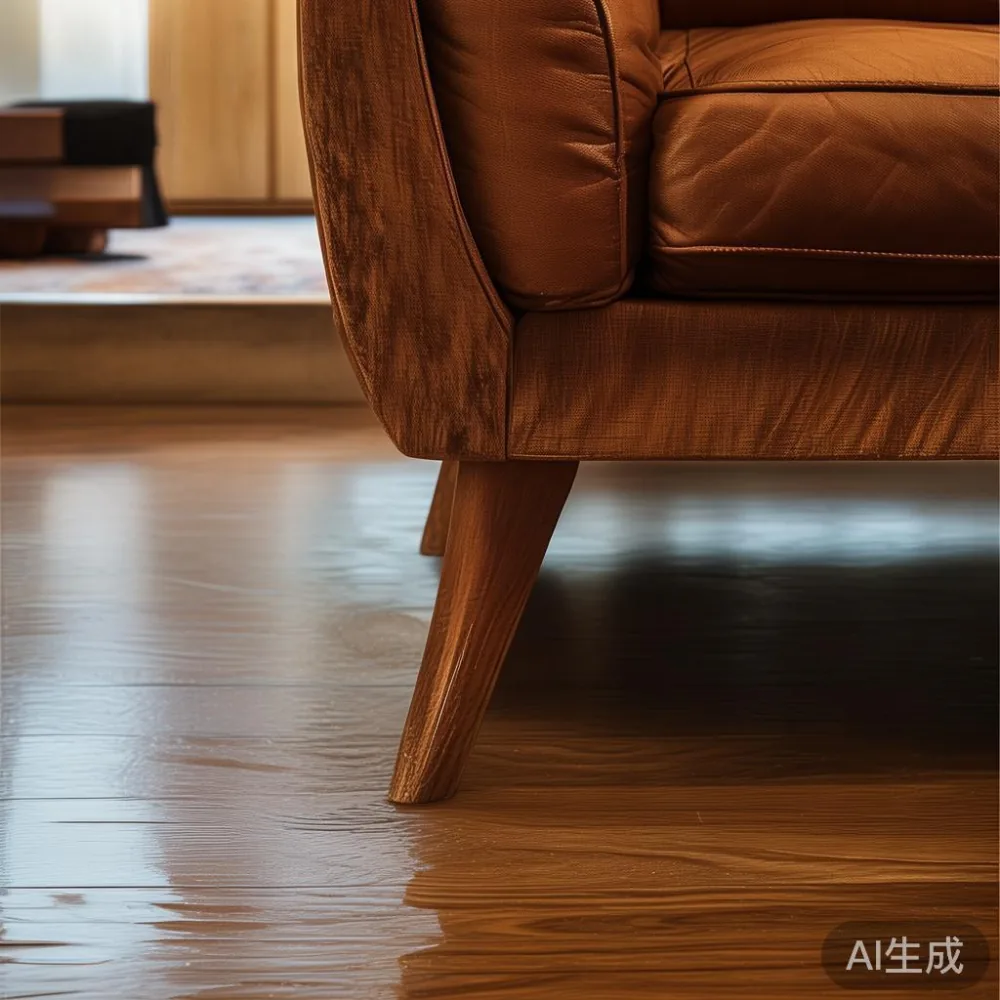
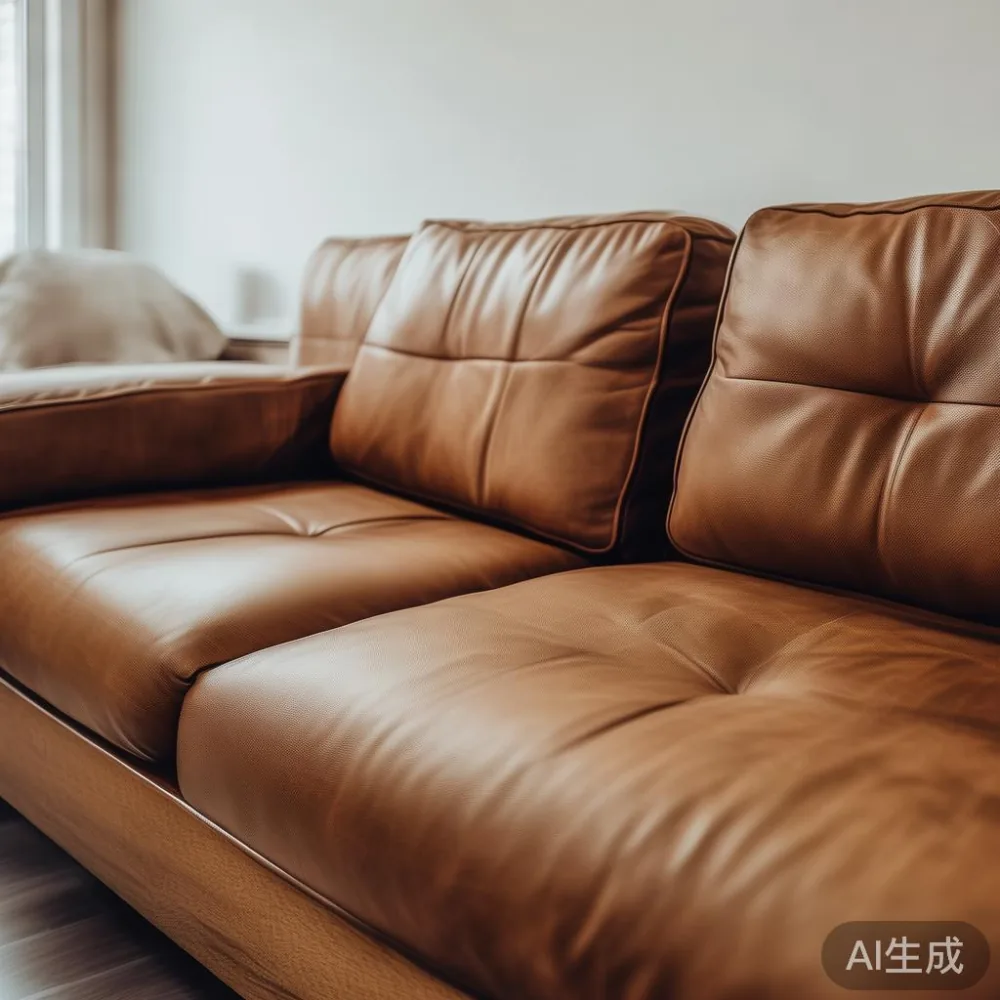
Two numbers worth memorising: 1% change in wood moisture content equals roughly 0.1% to 0.3% movement across the grain, and a 200 cm dining table top can shift 4 to 6 mm in width across the seasons. A solid wood bed frame can creak in November and go silent in March for the same reason. Even an upholstered piece like a leather sofa will feel different: full-grain leather softens in humid air, and the underlying hardwood frame swells just enough to tighten the webbing suspension by a few millimetres. None of this ruins the furniture. It does, however, punish careless construction.
What are the practical humidity limits for solid wood in an HDB or condo?
For a Singapore home, I aim to keep indoor relative humidity between 45% and 65% for at least sixteen hours a day. A small thermo-hygrometer costs around SGD 18 at any Tampines Mall electronics shop, and it is the single best investment a new furniture buyer can make. Place it next to your wardrobe, not next to the air-conditioner return grille, because the number you care about is what the wood is actually breathing. If your reading sits above 70% for more than a week, the wood is gaining moisture and you will see seasonal cupping on a dining table top, hairline checks on a nightstand, or a sticky drawer on a wardrobe.
For new builds in Punggol and Tengah, the air-con runs so heavily in the first year that RH often drops to 40% during the day. That sounds ideal, but a swing from 95% (unpacked on a wet evening) to 40% (next morning with the compressor on full) is what causes checking along the grain. The worst damage I have seen in Singapore furniture was a SGD 3,800 walnut dining table the owner had left in a void deck for two hours during a thunderstorm while waiting for the lift to clear. The lift at his block only fits 90 cm deep, so the table had to be tilted, and rainwater ran down the underside into the breadboard ends. Six months later the breadboard ends had split 14 mm along the long grain. Lesson: never leave solid wood outdoors in Singapore, not even for ten minutes.
Is Italian light luxury for office furniture realistic in a Singapore HDB?
Yes, with two caveats: pick the right species, and accept that the room must be climate-managed. Italian light luxury for office pieces usually means ash, walnut, or cherry frames with brushed brass and either a leather sofa top or a marble table top. Ash is the most stable of the three in our climate; I specify it for study desks in Compassvale and Fernvale units where the home office doubles as a guest room. A 160 cm x 70 cm ash desk, finished with a matte water-based lacquer, will move less than 1.5 mm across the year in a room held at 55% RH. Walnut moves more, but the colour is the reason people pay SGD 4,200 for a 180 cm executive desk, and a small dehumidifier (around SGD 189 for a 12 L/day unit from a Bedok hardware shop) running on a hygrost at 60% RH keeps it honest.
For a small HDB study, the Italian light luxury for office look also works in a 110 cm x 60 cm version with a single drawer, paired with a marble table lamp base and a low-back leather sofa for the reading corner. The marble is the part most people underestimate: Carrara marble in our climate can develop a faint orange rust mark within four months if a metal vase sits on it in a room without air-circulation. Seal it with a dry-wax sealer every six months and rotate the objects.
How should you style an American-style sofa in a small Singapore living room?
An American-style sofa is typically deeper (100 to 110 cm seat depth) and longer (220 to 260 cm) than a typical Nordic or Japanese piece, which is why the question of how to style American sofa in room layouts smaller than 18 m² comes up in almost every Tampines and Sengkang consultation I do. The honest answer: measure the lift first. Most HDB passenger lifts in 4-room blocks have a 110 cm wide door and a 140 cm deep cabin, and a 240 cm American three-seater will not enter on its side. It will, however, enter upright if the back is removable, which is one of the small reasons I lean toward suppliers who build the sofa in two sections with bolted brackets, including MIDHILL on a recent condominium job in River Valley where the service lift was only 90 cm wide.
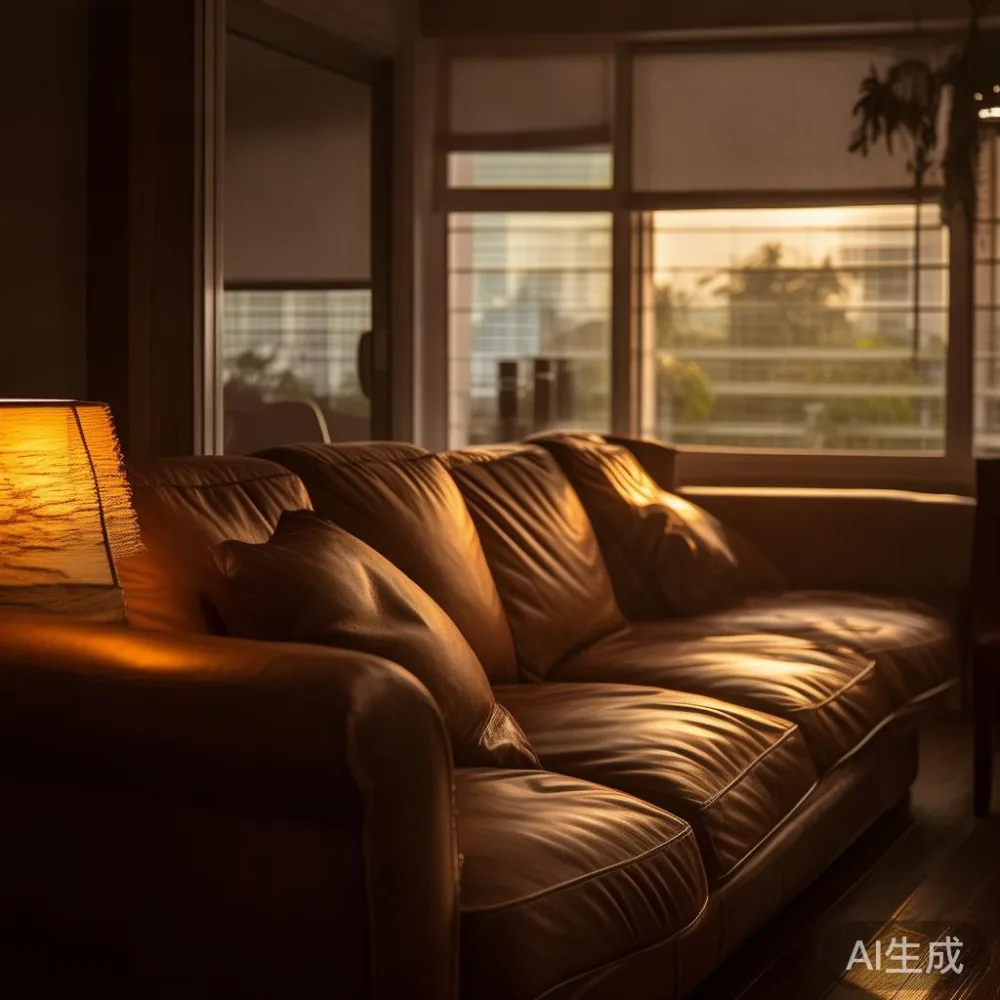
Once it is inside, the styling logic is the opposite of a Nordic or Japanese room. Nordic for small living room layouts usually means a 180 cm two-seater, pale oak legs, and linen covers; American means a deeper seat, a higher back, and a leather sofa in a tobacco or oxblood tone. The trick is contrast: pair a 240 cm American leather sofa with a slim 30 cm deep console table behind it, not a bulky sideboard, and use a 120 cm round travertine coffee table instead of a rectangular one. Round tables keep the sightlines open in a 4.4 m x 3.2 m HDB living room, and they also hide seasonal movement of the wood floor better than straight edges.
If you are comparing a Japanese sofa vs Nordic sofa for the same footprint, the Japanese piece will win on visual lightness because the legs are usually 18 to 22 cm off the floor, while the Nordic piece wins on cushion firmness. For American styling, lift the sofa on 12 cm brushed-brass legs so the floor plane reads continuously, and anchor it with a 200 cm x 280 cm wool rug in a low-contrast plaid. The rug does double duty: it slows moisture exchange between the concrete screed and the furniture feet.
What is the best French provincial sofa for 2026 in a humid climate?
The phrase 'best French provincial sofa for 2026' sounds like a magazine headline, but the practical question underneath it is real: which French silhouettes survive Singapore humidity without losing the carved detail that makes the style worth buying. The risk with French provincial is the low joinery. Curved cabriole legs, hand-carved aprons, and serpentine front rails all concentrate wood around tight grain angles. In a Bukit Timah condo I visited last March, a three-year-old French provincial set had pulled away from the corner blocks by 3 mm on each side because the kiln schedule at the factory was too aggressive (the wood was at 6% MC when it should have been at 10% to 12% for our climate).
For 2026, look for three things: kiln schedules that match 10% to 12% MC for tropical delivery, mortise-and-tenon joinery rather than dowels on the corner blocks, and a hand-rubbed shellac finish rather than a thick polyurethane. Shellac breathes. Polyurethane does not, which is why thick-coated French pieces in Singapore develop micro-cracks along the carved crests within two wet seasons. If the sofa includes a leather sofa element on the seat or the back, choose full-grain aniline-dyed leather in a warm cognac; the colour hides the slight pebbling that humidity gives to even the best leather. Budget SGD 5,800 to SGD 9,400 for a 230 cm French provincial three-seater in solid beech with these specs, made to tropical MC and finished in shellac.
Which furniture categories move the most in Singapore, and which stay calm?
Wardrobes move the most because they are large, often 200 cm to 240 cm tall, and the doors are usually 50 to 60 cm wide. A wardrobe with solid wood panels (rather than MDF) will show seasonal gaps at the Stiles of 2 to 3 mm twice a year, and the doors will need a light plane adjustment at the hinges. A nightstand moves less because the volume is small, but the drawers are the failure point: a 45 cm wide drawer box can swell enough to stick if the RH sits above 80% for a fortnight. Bed frames are usually forgiving because the platform is slatted and the headboard is fixed to the wall, but a solid wood bed frame with a fabric headboard can grow mildew behind the cushion in a Bukit Batok corner unit that never sees direct sun.
Dining tables are the canary. A 200 cm x 100 cm solid oak top is the piece that tells you the truth about your indoor climate within a month. If the top cups (edges higher than the centre), the room is too wet. If it checks (small splits along the grain), the room is too dry or the swings are too violent. Marble table tops are more dimensionally stable, but the substrate beneath them is still wood, and a marble-on-ply top can delaminate at the corners if water sits underneath for an hour. Use coasters. Wipe spills inside five minutes. None of this is exotic advice; it is the kind of thing Foshan workshop managers tell their own families.
How do you acclimatise a new solid wood shipment before assembly?
Three rules. First, open the outer carton but leave the inner foam and shrink-wrap in place for twenty-four hours, so the wood adjusts slowly. Second, run the air-conditioner in the destination room for at least six hours before you unwrap, and aim for 55% RH rather than the ambient 80%. Third, never assemble a solid wood bed frame, a wardrobe, or a dining table the same day you unbox it. Let the panels sit in the assembled flat position for forty-eight hours. A dining table top that arrives at 9% MC and goes onto legs the same evening can cup overnight if the room is at 75% RH, because the underside is sealed by the packaging while the top face is breathing.
I tested this last month with two identical 160 cm x 80 cm solid ash dining tables in a Punggol condominium. Table A was assembled two hours after unboxing; Table B sat unwrapped for three days with the air-con at 24°C and a dehumidifier holding the room at 58% RH. Six weeks later, Table A had a 2.2 mm cup across the width, Table B had 0.4 mm. The cost of waiting three days was patience. The cost of not waiting was a sand-and-refinish job at SGD 220.
What about maintenance, warranty, and long-term care in our climate?
A good workshop will offer a ten-year structural warranty on joinery, and a lifetime refinishing option for the tops that take the worst beating. That second one matters here. A solid wood dining table in Singapore typically needs refinishing every eight to ten years, not the fifteen to twenty years quoted in temperate climates, because the lacquer wears faster under UV that comes in through unfiltered east-facing windows. A leather sofa will need conditioning every four to six months with a pH-balanced leather cream (around SGD 42 for 250 ml); skip the silicone-based household products, they dry the topcoat and trap moisture underneath.
For wardrobes and nightstands, a yearly wax paste (SGD 28 to SGD 55 depending on brand) applied with a soft cloth along the grain lines is enough. For the bigger pieces, the practical rule is the 60/60 rule: keep indoor RH between 45% and 65% for at least sixteen hours a day, and keep the temperature between 22°C and 26°C. A 12 L/day dehumidifier running on a hygrost costs roughly SGD 0.18 per hour in electricity, which over a year works out to around SGD 95, less than the price of refinishing a single dining table top. If you want one reference point before you buy, look at MIDHILL European light luxury bed and matching nightstand specifications, which include kiln schedules of 10% to 12% MC, mortise-and-tenon joinery, and shellac-friendly finishes. You can read the technical sheets on www.midhill.co before you commit, and ask the supplier to confirm the MC reading of the actual panels in your shipment, not the catalogue average.
Any final checks before you sign the order?
Three small questions, answered on paper, save years of frustration. Ask what moisture content the wood is being shipped at, and ask for a pin-meter reading on the day of container loading. Ask what the joinery is on the structural corners (mortise-and-tenon is calmer than dowels in our humidity). Ask what the finish is and how many coats, because each coat of polyurethane reduces the wood's ability to breathe, which can be good for a wardrobe but bad for a dining table. If the answers are vague, walk away. If they are specific, with numbers, you have probably found a workshop that has shipped to Singapore before and learned the same lessons my grandfather learned the slow way, one Tampines afternoon at a time.