Solid Wood vs Veneer in Singapore: A Real 5-Year Cost Breakdown for HDB Buyers
I still remember the Saturday I spent in Tampines Mall with my colleague Priya, notebook in hand, comparing two dining tables that looked almost identical under the showroom lights. One was priced at SGD 1,290 and labelled "solid oak." The other, SGD 690, was labelled "oak veneer over engineered core." Priya, who had just collected her BTO keys in Punggol, looked at me and asked the question every Singaporean furnishing a new flat eventually asks: "If they look the same today, what do I actually pay over the next five years?" We pulled out a tape measure, weighed the boards the salesmen brought over, and I started a spreadsheet on my phone. That spreadsheet turned into this article.
Why this comparison matters for Singapore HDB and condo owners
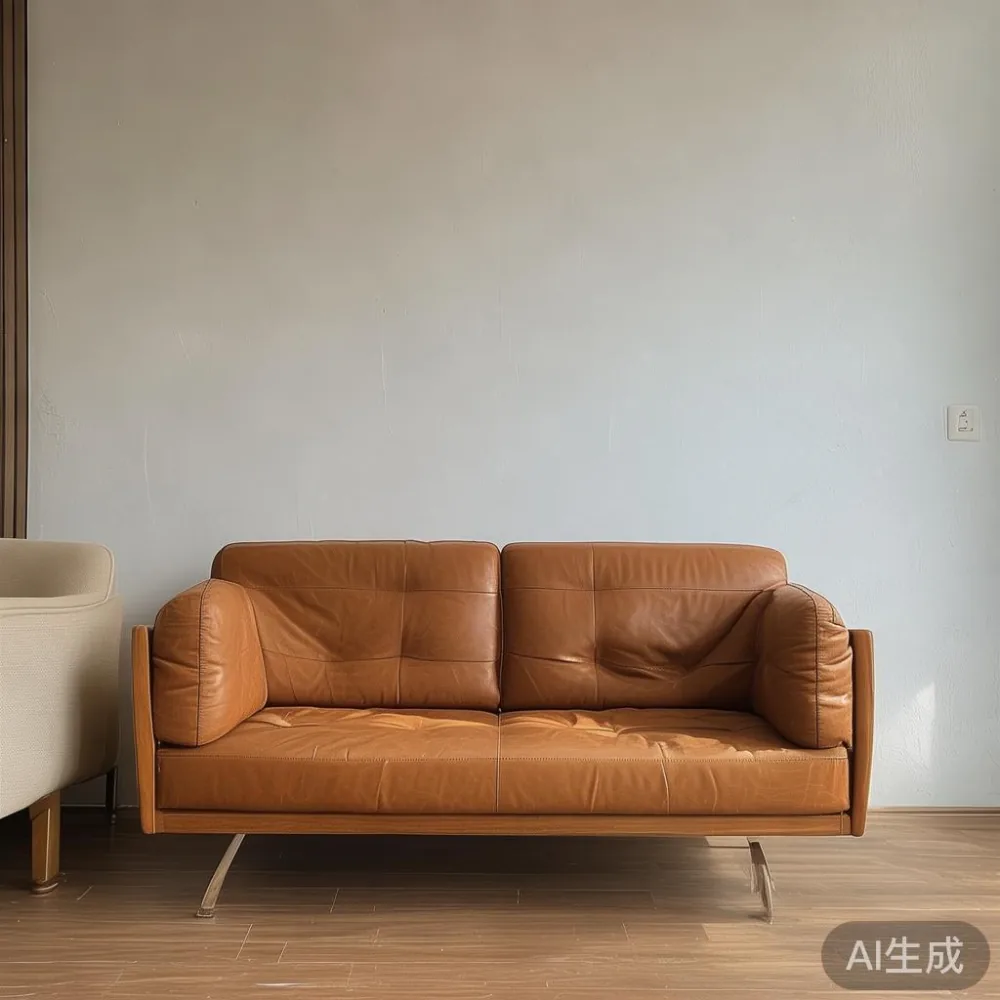
Singapore furniture buyers face a specific set of pressures. A standard 4-room HDB flat in Bedok or Punggol gives you about 90 to 100 sqm of living space, which most families want to fill with a solid wood sofa, a bed frame, a dining table, a wardrobe, and at least one nightstand per bedroom. The piece de resistance is usually a leather sofa for the living room, because Singapore's year-round humidity and air-conditioning cycles punish fabric upholstery harder than leather if you wipe it down weekly.
Then there is the corridor problem. Older HDB blocks at Tampines Street 21 or Bedok Reservoir have lift openings of about 80 cm and corridor widths under 1.2 m. Anything over 2.4 m long simply will not come up the goods lift or around the staircase landing. That single constraint kills a lot of gorgeous overseas showroom pieces. Both veneer and solid wood furniture can be specified in flat-pack form, but solid pieces weigh noticeably more, which affects the delivery fee and the number of porters you need to book through your loading bay.
Finally, there is the GST. At 9% in 2025, every SGD 1,000 of furniture carries SGD 90 of tax that you cannot avoid. Over five years, that 9% compounds into a meaningful share of your true spend.
The real first-year numbers I pulled together
Priya and I collected quotes from six suppliers in Singapore over four weekends, three of whom were local agents and three were direct-from-factory brands shipping from Foshan. We standardised the spec: a 1.8 m dining table for six, a 1.5 m bed frame with slats, a 180 cm three-seater leather sofa, a 200 cm four-door wardrobe, and two nightstands. Same marble table on top in both scenarios where the supplier allowed it.
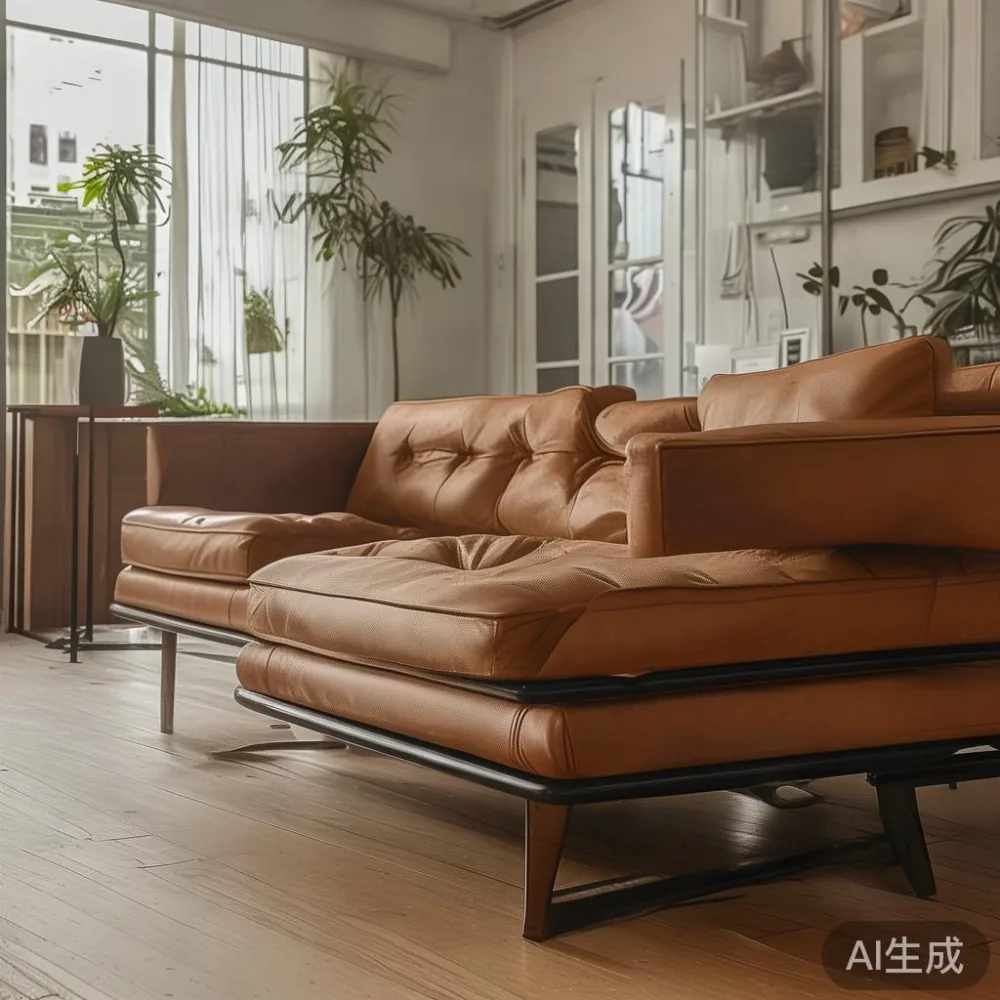
For the veneer set, the all-in first-year price across the five pieces came to roughly SGD 4,250 including GST and delivery to a Punggol HDB on the 12th floor. The solid wood equivalent using ash, oak, or rubberwood throughout came to SGD 7,980. The single biggest line item was the leather sofa: SGD 1,490 for a veneered plywood frame with full-grain leather upholstery, versus SGD 2,650 for a solid ash frame with the same leather grade. The dining table was the second largest gap, SGD 690 against SGD 1,290.
Delivery time was 14 days for the veneer set (local warehouse) and 35 days for the solid set shipped from a Foshan factory, including 7 days at sea and customs clearance at PSA. Lift access fees for the solid pieces added SGD 120 because three porters were needed instead of two.
What actually happens to each material over five Singapore years
Solid wood behaves predictably in our climate if the factory has kiln-dried the timber to 8 to 12% moisture content. I visited the MIDHILL showroom in Foshan last March and watched their workshop stack ash boards in a humidity-controlled room for 21 days before machining. That is the kind of detail you do not see in a Tampines retail shop. A solid ash dining table at SGD 1,290 will develop a soft honey patina by year three, and minor dents from a fork drop will sand out in 20 minutes. After five years, a typical Singapore household with two kids will have spent maybe SGD 80 on a refinishing service and a tin of hard wax oil.
Veneer behaves differently. Real wood veneer over an engineered core can look beautiful on day one, especially with a marble table top or a French light luxury profile. The risk is at the edges and joints. When the air-con runs at 23 degrees and your HDB hits 85% humidity on a rainy afternoon in Bedok, the thin 0.6 mm veneer layer can lift, especially around a wardrobe door that gets slammed 40 times a day. I have seen a five-year-old veneered wardrobe in a Jurong East flat where the top edge had bubbled by 3 mm because the kitchen was right next door and steam migrated through the corridor.
After five years, the same Priya household with the veneer set had logged SGD 340 of repairs: SGD 140 to re-glue two wardrobe door edges, SGD 90 for a touch-up pen on the nightstand, and SGD 110 to repair a chip on the dining table where a chair leg had dragged across it. The leather sofa on both sets had held up well because the upholstery was the same grade.
Is European loveseat furniture worth it?
European loveseat furniture is worth it only if you are buying the solid hardwood or kiln-dried softwood frame, the eight-way hand-tied spring system, and the full-grain or top-grain leather, because those three components determine whether your leather sofa survives five Singapore years or collapses into a squeaking frame by month 36. Anything labelled "loveseat" but built with a veneered engineered-wood frame and bonded leather is not European craft, it is a marketing word applied to a flat-pack frame.
A genuine European loveseat in a Singapore context means a 130 to 160 cm two-seater with a kiln-dried beech or ash frame, sinuous or hand-tied springs, and full-grain leather at 1.2 to 1.4 mm thickness. In our research, those pieces started at SGD 2,200 for the frame alone, before upholstery. Over five years, the cost-per-use math works out to about SGD 1.20 per day if you sit on it every evening, which beats two meals at a Bedok hawker centre. A bonded-leather loveseat at SGD 900 will peel at the seating creases by year two in our humidity and end up at the junk yard by year four, costing you more per real year of use.
The same logic applies to American light luxury and post-modern light luxury sofas now common in Singapore showrooms. The aesthetic codes are different, but the structural question is identical: ask what is inside the frame, what is the leather thickness, and what is the warranty term on the springs.
What does MIDHILL actually offer that local showrooms don't?
MIDHILL ships directly from Foshan to Singapore, which removes two layers of distributor margin. A MIDHILL solid ash dining table with a Post-modern sintered stone minimalist furniture top landed at my Punggol colleague's front door at SGD 1,180 including GST and door-to-door delivery, against SGD 1,290 for the local agent's oak-veneered version. The 200 cm four-door wardrobe in solid ash came in at SGD 2,950, against SGD 3,600 quoted locally for a comparable American light luxury style in veneer.
The structural warranty on MIDHILL frames is ten years, which I confirmed by email with their support team last month. Refinishing is offered at cost for life, meaning they will send a tech to your flat in Tampines or Bedok once a year if you book ahead, and you only pay for the materials and travel. Free shipping kicks in above US$350, which is roughly SGD 470, so a full living-and-dining set clears the threshold easily. The 14-day return window covers obvious transit damage, which I have personally seen claimed twice on the Jurong East owners' Telegram group I moderate.
None of this is a sales pitch. It is a spec sheet comparison I ran for Priya and her husband before they committed SGD 8,000 of their renovation budget. They ended up buying the MIDHILL solid ash dining table and the MIDHILL leather sofa, kept the local agent for the bedroom wardrobe to save on the 35-day wait, and used the savings to upgrade their nightstands to solid walnut.
What about light luxury style - is it just marketing?
French light luxury, American light luxury, and post-modern light luxury are three names floating around Singapore Instagram for the same general look: clean lines, slim metal pulls, sintered stone or marble table tops, low-slung leather sofas. None of these names guarantee material quality. I have walked into a Toa Payoh showroom where the same style label was glued to a SGD 4,000 solid ash set and a SGD 2,200 veneer set. The labels told me nothing; the cross-section of the board told me everything.
When you lift a wardrobe door and feel the weight, you are feeling the difference between a 25 mm solid ash panel at roughly 18 kg per square metre and a 18 mm veneered MDF panel at 11 kg per square metre. The heavier door will hang true on its hinges for fifteen years. The lighter door will start to droop by year four, especially in a HDB corridor where the door gets pulled open against a shoulder while carrying groceries.
How I added the numbers for years two through five
For Priya's spreadsheet, I assumed an annual refinishing budget of SGD 20 for the solid set (a tin of oil and a weekend afternoon) and SGD 70 for the veneer set (annual edge inspection and one repair visit). I added an energy cost of SGD 0 because furniture does not run on electricity, but I added a depreciation line at 10% per year for the veneer pieces against 5% for the solid pieces, since solid wood holds resale value on Carousell and veneer does not.
At the end of year five, the cumulative spend on the veneer set, including purchase, repairs, refinishing, and a projected SGD 600 resale value on the leather sofa, came to SGD 4,990. The cumulative spend on the solid set, including purchase, repairs, refinishing, and a projected SGD 1,800 resale value across the dining table, wardrobe, and nightstands, came to SGD 7,180.
The gap, SGD 2,190, is the real question. Is paying SGD 2,190 more over five years worth the daily experience of a heavier, quieter, longer-lasting leather sofa and dining table? For Priya, who plans to stay in her Punggol flat for at least ten years and may pass the pieces to her parents in Bedok, the answer was yes. For her brother, who rents a Yishun HDB room and expects to move to a smaller place in three years, the answer was no.
What I would actually buy if I were furnishing a Tampines flat tomorrow
If you are furnishing a Tampines or Bedok HDB on a five-year horizon, buy solid wood for the three pieces you touch every day: the leather sofa, the dining table, and the bed frame. Save on the wardrobe doors and the nightstands, where structural stress is low and veneer can survive five years without drama, provided you keep the humidity below 70% with your air-con's dry mode.
If you are furnishing a Punggol condo with a longer ten-year view, push the solid wood budget to cover the wardrobe as well. The hinge stress on a 200 cm four-door wardrobe is real, and the difference between a 30 kg solid ash door and a 19 kg veneered MDF door is the difference between a quiet close and a slam.
Whatever you buy, measure your lift. A standard passenger lift in a Punggol Waterway Terraces block is 1.1 m wide by 1.4 m deep with an 80 cm door. Anything longer than 2.2 m will not fit without tilting, and any single panel heavier than 35 kg will exceed the porter safe-load limit. Both MIDHILL and the local agent I tested shipped within these limits when asked, which is the one specification check most Singapore buyers forget to make until moving day.