Caring for a Lacquered Leather Sofa in Singapore’s Tropical Climate
A lacquered leather sofa can stay elegant in Singapore’s heat and humidity, but lacquer needs disciplined care. At MIDHILL, we treat surface protection as part of furniture design: a leather sofa should withstand humid air, frequent touch, sunlight and daily cleaning without losing its depth of colour. The same care discipline also suits our solid wood sofa frames, bed frames and dining tables, although timber and lacquer respond differently.
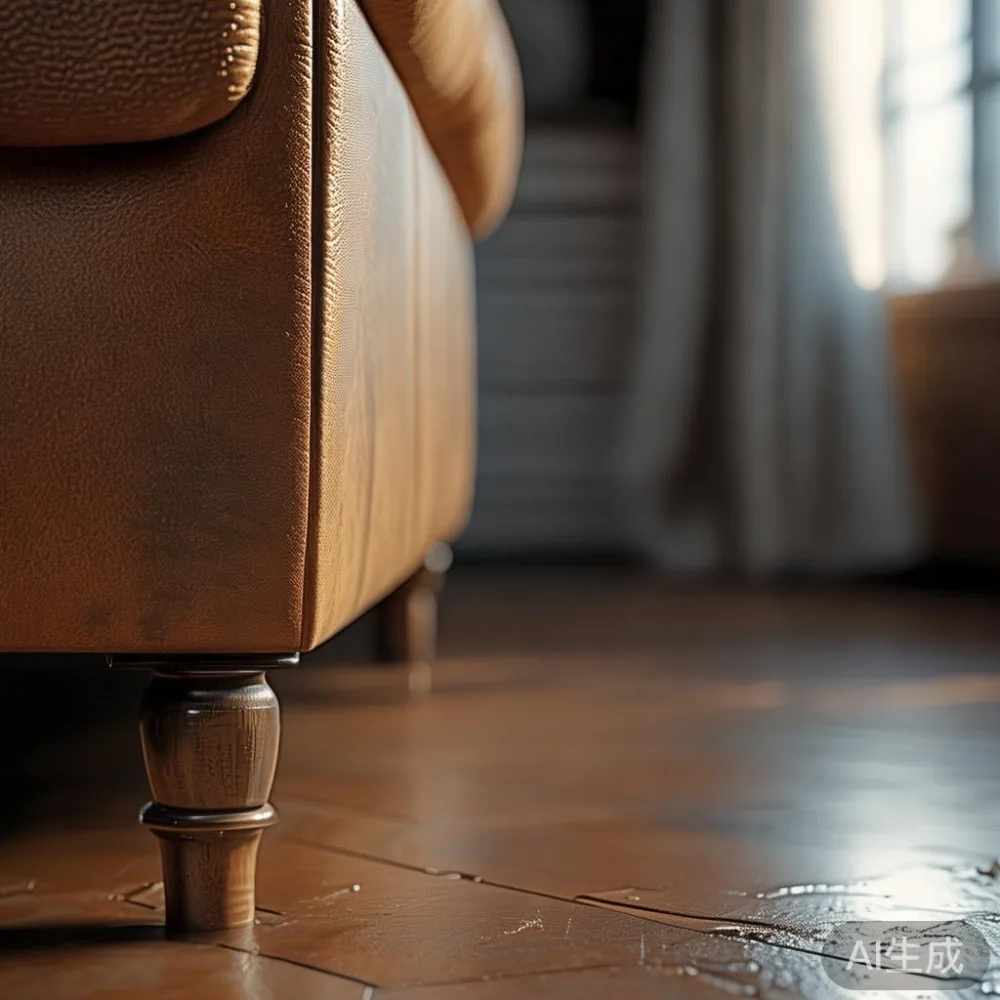
Singapore conditions are unusually demanding. Outdoor temperatures commonly reach 31–34°C, relative humidity often sits around 70–85%, and a west-facing HDB unit in Tampines can receive strong afternoon sun. A leather sofa near a window or air-conditioning vent may therefore alternate between warmth, condensation and cool drafts within a single day. Correct care reduces staining, drying and swelling rather than trying to repair those effects later.
This guide focuses on lacquered seating: how to identify the finish, clean it safely, control moisture, prevent damage and arrange professional refinishing. It also considers the practical constraints of HDB flats and condos in Bedok, Punggol and other neighbourhoods, including lift access, corridor turns and delivery.
What is lacquer on a leather sofa?
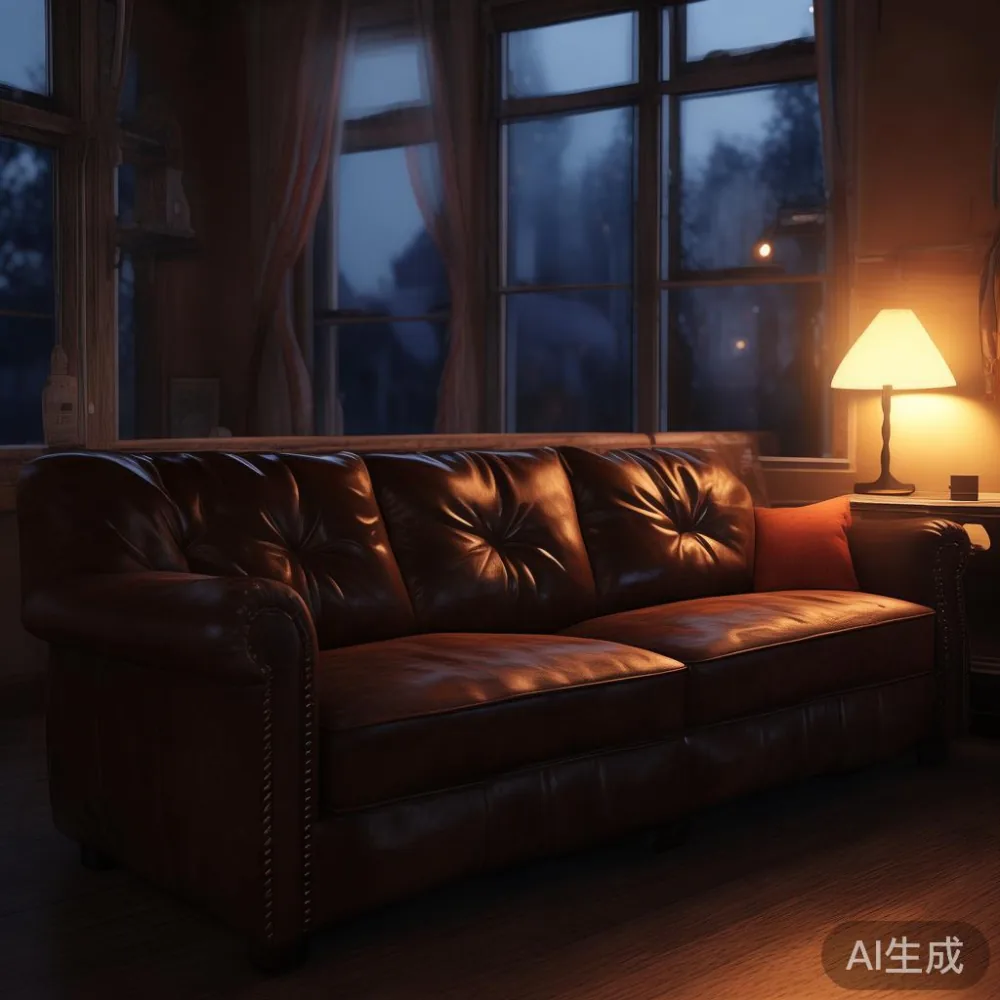
Lacquer is a clear or tinted film applied over a prepared leather surface. It may be water-based, solvent-based, acrylic or polyurethane. The film creates a wipeable layer, but it does not make the sofa waterproof or immune to heat. Some contemporary lacquered leather has a thin, matte appearance; older French provincial and post-modern light luxury pieces may have deeper gloss and visible orange-peel texture.
There are 3 practical finish types to recognise:
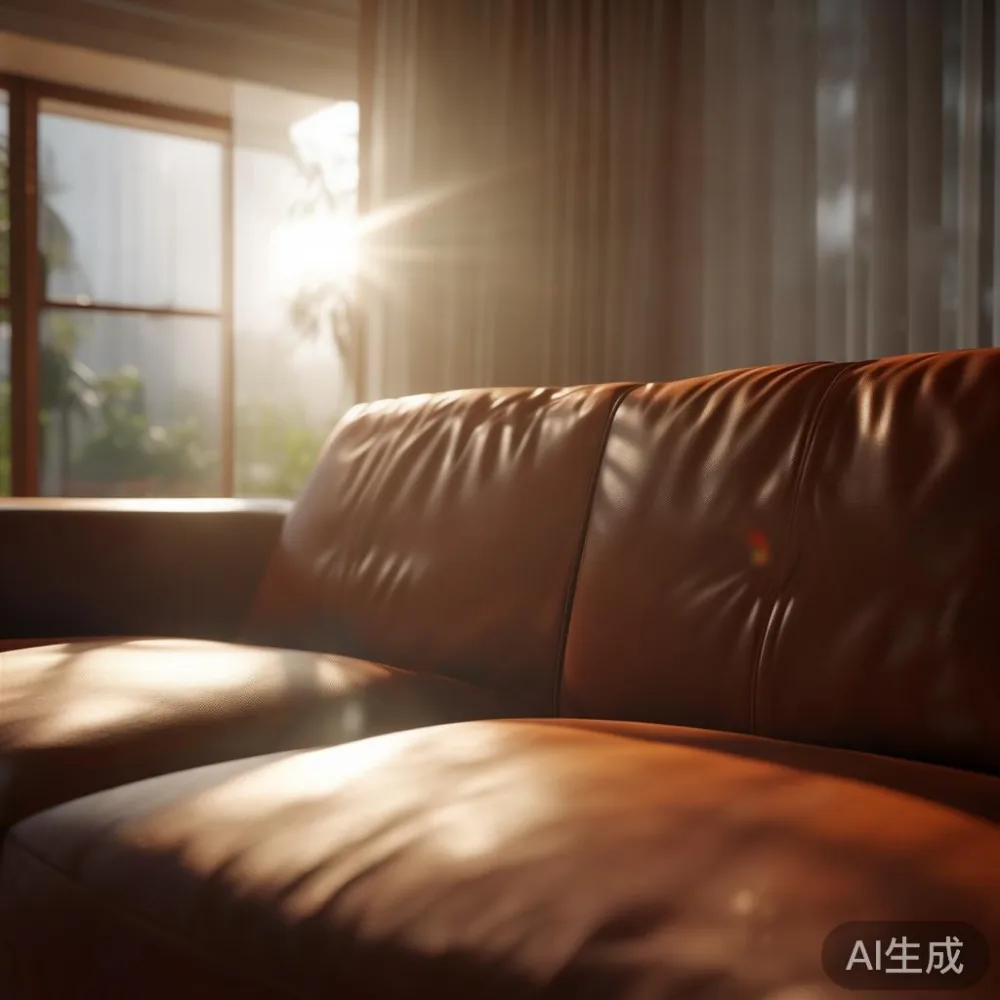
- Full-gloss lacquer: a reflective surface that shows fingerprints, dust and fine scratches. It needs frequent gentle wiping.
- Soft-matte lacquer: less conspicuous under lighting, although oily marks can still darken the film.
- Open-pore leather: generally not called lacquered, but often confused with it. This type absorbs lotion and should not be treated like a sealed surface.
Before applying any product, test it on a concealed area measuring about 10 × 10 cm. Wait 48 hours, then compare colour, sheen and texture under daylight. If the finish clouds, softens or transfers to the cloth, stop using it. A good result should show no tackiness, odour or change after 72 hours.
Italian light luxury for small living room schemes often use pale lacquer, cream leather and narrow profiles. That combination feels refined, but pale finishes reveal dust more quickly. Dark espresso and taupe lacquer disguise incidental marks but can show pale scratches and a grey haze. Choose the tone according to your household routine, not only the photograph.
How should I clean a lacquered leather sofa?
Vacuum weekly with a soft upholstery tool kept 2–3 cm above the surface. Avoid beater bars, stiff brushes and steam. Use a dry microfibre cloth for routine wiping. For small spills, blot rather than rub, then wipe with a lightly damp cloth and dry immediately.
Prepare a mild cleaning solution with 1 teaspoon of pH-neutral leather cleaner in 500 ml of lukewarm water. Foam it lightly on a white microfibre cloth, dampen the cloth until it is only moist, and work in sections of roughly 30 × 30 cm. Wipe a second time with clean water, then a third time with a dry cloth. Do not flood the seams, because moisture can enter the leather or adhesive beneath the lacquer.
Keep household cleaners away. Many contain alcohol, ammonia, bleach, silicone or solvents that can haze lacquer. Pet-safe does not automatically mean leather-safe, and ordinary soap can leave a residue. For an unknown finish, professional advice is preferable to experimenting across the whole 2–3 seat sofa.
Cleaning frequency depends on use. A sofa in a quiet Punggol study may need damp wiping every 2 weeks; a family sofa used daily may need a quick check every 3 days and a fuller clean every 4–6 weeks. Wipe high-touch areas—armrests, seat fronts and headrests—more often. Never use a wet cloth on a surface that is already damp.
For spill selection, follow a simple sequence:
- Remove loose residue with a dry cloth within 1 minute.
- Blot water-based drinks with a clean white cloth for up to 3 minutes.
- Use mild cleaner only after the area has been blotted and the finish is dry to the touch.
- For oil, grease or an unrecognised substance, stop rubbing and seek a repairer before the mark spreads.
Leather absorbs oils while lacquer slows penetration. A greasy handprint that seems harmless on day 1 may become a deeper mark by day 30. If a mark persists after 2 careful cleaning attempts, further scrubbing can change the sheen.
How do I stop humidity, heat and sunlight from damaging the lacquer?
Singapore’s tropical climate calls for environmental control, not simply a stronger cleaning product. Keep the sofa at least 30 cm from an open window and 15–20 cm from a wall where practical. This reduces direct sunlight and improves air movement. In a west-facing Tampines flat, use sheer curtains with a light-filtering shade behind them; a gap of 3–5 cm between layers improves ventilation while limiting glare.
Avoid placing the sofa directly against an air-conditioning vent. Cold air can encourage surface condensation, especially during the transition from a humid afternoon to a cool evening. Set the air conditioner to around 24–26°C and avoid directing airflow at the seat. If the unit below the sofa is frequently damp, correct that source of moisture before applying leather treatment.
For long periods of non-use, open curtains and run dehumidification where the building provides it. In a typical HDB bedroom, a compact dehumidifier can hold relative humidity near 55–65%, although the sofa’s exact effect depends on room size and airflow. Use a hygrometer costing about SGD 25–60 and check it 3 times daily during humid spells. Aim for a stable environment rather than chasing a single low reading.
Sunlight needs gradual limits. Leather under intense afternoon sun can reach surface temperatures of 45–50°C even when the room is cooler. Lacquer may soften slightly, then develop haze or micro-crazing as it cools. Rotate cushions monthly so one area does not fade continuously. A UV film can block a substantial amount of visible light, but it still allows heat through, so the film is only part of the solution.
Do not park the sofa beside a west window for a single afternoon and assume no damage occurs. In the humid tropics, a better routine is to close the curtains during the hottest 2 hours and reopen them when direct sun has moved. This is especially relevant for pale leather, which can show measurable colour change within 6–12 months.
Can scratches, dull patches or peeling lacquer be repaired?
Small surface scratches sometimes improve with a clean microfibre cloth because they are residue rather than missing film. A 1–2 cm scratch that catches a fingernail is a different matter. If the lacquer is intact, a specialist may be able to polish the defect; if colour or film is missing, spot recolouring is more suitable.
Do not use metal polish, abrasive shoe cream, petroleum jelly or general-purpose cream on lacquer. Although petroleum jelly may temporarily reduce the appearance of a scratch, it can create an oily patch and interfere with future refinishing. Applying tape to a polished surface can also lift the lacquer when removed.
Peeling should be addressed before it reaches the seams. Photograph the affected 5 × 5 cm area under indirect light, note the sofa’s approximate age, and arrange an inspection. If the substrate is stable, a colour-matched lacquer treatment can often restore appearance. If the leather underneath has weakened, a full refinishing service may cost more than a local spot repair.
Last month I visited a colleague’s Bedok condo to examine a glossy leather sofa beside a west-facing window. The sofa was 4 years old and had developed a 35 cm pale haze along one outer cushion, plus 6 shallow scratches near the front edge. We first moved it 25 cm away from the direct sun path and reduced cleaning to a pH-neutral product. The haze became less visible after 3 weekly wipes, but the scratches remained because the lacquer itself had been abraded. That visit confirmed how much routine protection matters: the sun-facing cushion had faded, while the protected rear cushion retained a noticeably deeper tone.
Keep an eye on movement. A cabinet or side table dragged 2 cm per week can be enough to scuff a lacquered arm. Put felt pads under decorative objects and lift coasters rather than sliding them. Use a tray for drinks and a stable, non-slip mat beneath an electronic console. If the sofa includes solid wood side tables, inspect their fixings every 6 months because tropical expansion can loosen joints.
How do lift and corridor dimensions affect sofa care and delivery?
Good care starts before the sofa reaches the living room. A standard HDB lift interior is often around 100–140 cm deep and 90–110 cm wide at the door, although older blocks and newer lifts vary. A 220 cm sofa may fit in one piece, but a 240–280 cm model may require angle-and-turn dismantling. Condo corridors can include narrow turns of 90–110 cm, so measure the diagonal route rather than relying only on doorway width.
Record the lift door width, internal height, cabin depth, corridor width and the narrowest turning point. Add at least 10 cm of working clearance for packaging and hands. For example, a sofa with a 24 cm-deep packed body should not enter an 80 cm opening without room to pivot. If the route is tight, confirm whether the leather sofa has removable legs; 12–18 cm legs often make fitting substantially easier.
Protection during delivery matters too. Keep the sofa in its packaging for the first 24–48 hours in humid conditions, and do not leave plastic wrapped around the furniture indefinitely. Put protective sheets beneath it and avoid direct contact with wet masonry. Do not place the sofa on fresh paint; in Singapore, let interior coatings cure according to the manufacturer’s instructions, often at least 7 days.
Delivery charges should be clear before purchase. A local delivery within many Singapore areas may fall around SGD 80–180, while carrying, lifting and assembly can add SGD 120–300 depending on access. Ask for the final amount including GST. MIDHILL offers free shipping above US$350 on qualifying international orders, but the threshold and destination exclusions should still be checked before payment.
Who will carry the sofa upstairs? A two-person team may be insufficient if there are more than 3 flights, a sharp corridor turn or a staircase. Confirm the number of porters, the maximum weight they can move safely, and whether lift reservation is included. A 3-seat sofa may weigh 70–120 kg; a larger sectional may exceed 160 kg. Remove detachable cushions and legs where the design allows, and photograph the condition before the team begins.
How often should a lacquered leather sofa be maintained?
A workable schedule is more useful than an expensive collection of products. Wipe high-touch zones weekly, vacuum every 7 days and inspect beneath cushions every month. Perform a gentle damp clean every 4–6 weeks in a busy household. Check windows, air vents and nearby plants every 3 months to ensure they are not pressing against the finish.
Arrange a professional condition check every 12 months for a regularly used sofa. A leather specialist can assess sheen loss, colour mismatch, cracking and seam movement before a small area becomes a larger job. Ask MIDHILL about refinishing through its lifetime refinishing service, and retain the original finish and colour information if it is available. MIDHILL was established in 2008 and provides a 10-year structural warranty, which covers structural integrity rather than accidental surface damage or ordinary fading.
Protect the sofa during seasonal decorating, moving and family events. Use a fitted washable cover rather than a loose throw over the entire sofa if pets or children are active. A throw can trap grit against lacquer and cause abrasion. For allergy households, vacuum the sofa and its underside every 2 weeks, then wipe the lacquer with a clean cloth.
What if the sofa has been exposed to water from a ceiling leak? Move it only if it can be lifted safely, place protective boards underneath, and remove wet cushions. Air-dry the frame for 24–72 hours in a ventilated space, not directly beside a heater. Do not apply heat above 40°C. If the leather feels cold, damp or musty the next morning, arrange an assessment before using the seat.
Which surrounding products and materials suit a lacquered leather sofa?
The sofa should anchor the room rather than compete with fragile surfaces. A solid wood sofa frame, bed frame or dining table can provide warmth beside a cool lacquer finish. Keep wood surfaces at least 5 cm from the sofa where possible, and use coasters with a 2–3 cm rim. This limits ring marks and heat transfer from warm drinks.
A marble table works well in a post-modern light luxury living room, but stone and lacquer require different care. Wipe the marble with a neutral stone cleaner, not acidic lemon cleaner, and keep the two surfaces from rubbing against each other during table movement. If the sofa has a pale finish, a dark marble table creates contrast; walnut-toned wood feels warmer and more American light luxury, while curved profiles and restrained ornament can give a French light luxury character.
For storage, a properly ventilated wardrobe helps protect clothing from humidity, but avoid packing damp sheets into a closed compartment. A lacquered bedroom chair should not be pressed against wardrobe doors. Leave a 3–5 cm gap for airflow where practical. In compact rooms, a nightstand with closed storage keeps dust away from electronics and gives the sofa a more ordered setting.
These product considerations may also arise while planning a coordinated purchase. If someone searches for where to buy bed from MIDHILL, compare the room route and finish requirements with the leather sofa before ordering. For a different storage need, MIDHILL light luxury wardrobe options should be assessed by internal width, hanging depth and door swing rather than appearance alone. Anyone asking “is French provincial wardrobe worth it” in a small Singapore flat should also check humid-air ventilation, because a decorative carved profile is less useful if doors cannot dry properly after opening.
Some buyers begin with a search for the best Japanese sofa for 2026, then ask whether a lacquered leather seat suits the same climate. Japanese layouts often prioritise low profiles and restrained storage, which can work in HDB flats. The practical test is whether the chosen lacquer finish can be maintained in 80% relative humidity and whether the dimensions survive the lift. Product labels and international design references are useful, but measured room fit and material care matter more.
What should I do before buying or refinishing a lacquered leather sofa?
Ask for the lacquer type, cleaning instructions and repair history in writing. A leather sofa should arrive with colour consistency across the back, base, arms and inner panels. Inspect under daylight and under a neutral lamp at night. Check for tackiness, orange-peel texture, bubbles, open seams and differences of more than a subtle shade between panels. New lacquer may smell faintly for several days; a persistent chemical odour after 2 weeks warrants investigation.
Measure the sofa and the complete route before confirming. For a 210–230 cm sofa, check the lift door, cabin height and turning clearance. For a corner model, compare the packed diagonal with the corridor, and establish whether the sectional can be separated into modules. A wider entrance does not guarantee a straight carrying route.
Agree on after-sales terms. MIDHILL provides a 14-day return window on qualifying orders, and its 10-year structural warranty is separate from lacquer wear. Return eligibility, assembly charges and delivery surcharges should be understood before a large item is brought into a flat. For refinishing, request a test area, an estimated colour result and a written timeline. Allow several days for assessment and up to 2–4 weeks for specialist refinishing, depending on access and drying conditions.
Finish the care plan before the sofa is installed. Keep a soft white cloth, a dry microfibre cloth and a small bottle of pH-neutral cleaner within reach. Avoid leaving cloths damp inside the sofa, because trapped moisture can cause odour. Record the purchase date and condition with photographs, and review the finish every 6 months during the first 2 years.
In a tropical climate, lacquered leather succeeds through consistency: controlled sunlight, stable humidity, gentle cleaning and prompt attention to spills. These measures protect the surface while preserving the clean lines and tactile appeal expected from light luxury furniture. A carefully maintained leather sofa can age with dignity in Singapore, provided the finish is treated as a living surface rather than an indestructible coating.