Demystifying the Fine Print: How to Read a Furniture Warranty Without Getting Caught Out
When you invest in a new piece of furniture, especially a significant item like a leather sofa, you're buying more than just a place to sit. You're investing in comfort, style, and the promise that this item will serve your home for years to come. In Singapore, where space is a premium and HDB flats and condos in areas like Tampines, Bedok, and Punggol often involve working through tight corridors and lift dimensions of approximately 110cm x 110cm, getting a large leather sofa into your living room is a logistical feat in itself. The last thing you want is for it to fail shortly after delivery, only to discover your warranty doesn't cover the problem. Understanding the warranty is not about being pessimistic; it's about being a savvy consumer.
What is a Furniture Warranty, Really?
A furniture warranty is a manufacturer's or seller's promise to repair or replace a product if it fails to meet certain standards within a specified period. It's a contract of sorts, outlining the terms of what they will and will not be responsible for. Think of it as the safety net for your purchase. For a leather sofa, this could cover anything from the frame's structural integrity to the stitching on the cushions or the fading of the leather itself. The key is that this safety net is not a blanket guarantee of perfection forever. It has limits, conditions, and specific definitions. Reading it means learning the rules of the game before you've even started playing.
How Long is 'Lifetime'? Decoding Warranty Periods
The most confusing part of any warranty is the time frame. A warranty promising a 'lifetime' guarantee sounds like a lifetime of peace of mind. But what does 'lifetime' actually mean? In the furniture industry, it rarely mean the lifetime of the owner. More often, it refers to the 'lifetime of the product' or, more specifically, the 'lifetime of the frame'. This distinction is critical. A solid wood sofa frame might be warrantied for 10 years against manufacturing defects like cracking or warping, which is a substantial and concrete period. The cushions, however, might only be covered for 1-2 years. The leather itself might be covered against premature peeling or cracking for 5 years, but not against normal wear and tear or fading from Singapore's intense UV exposure.
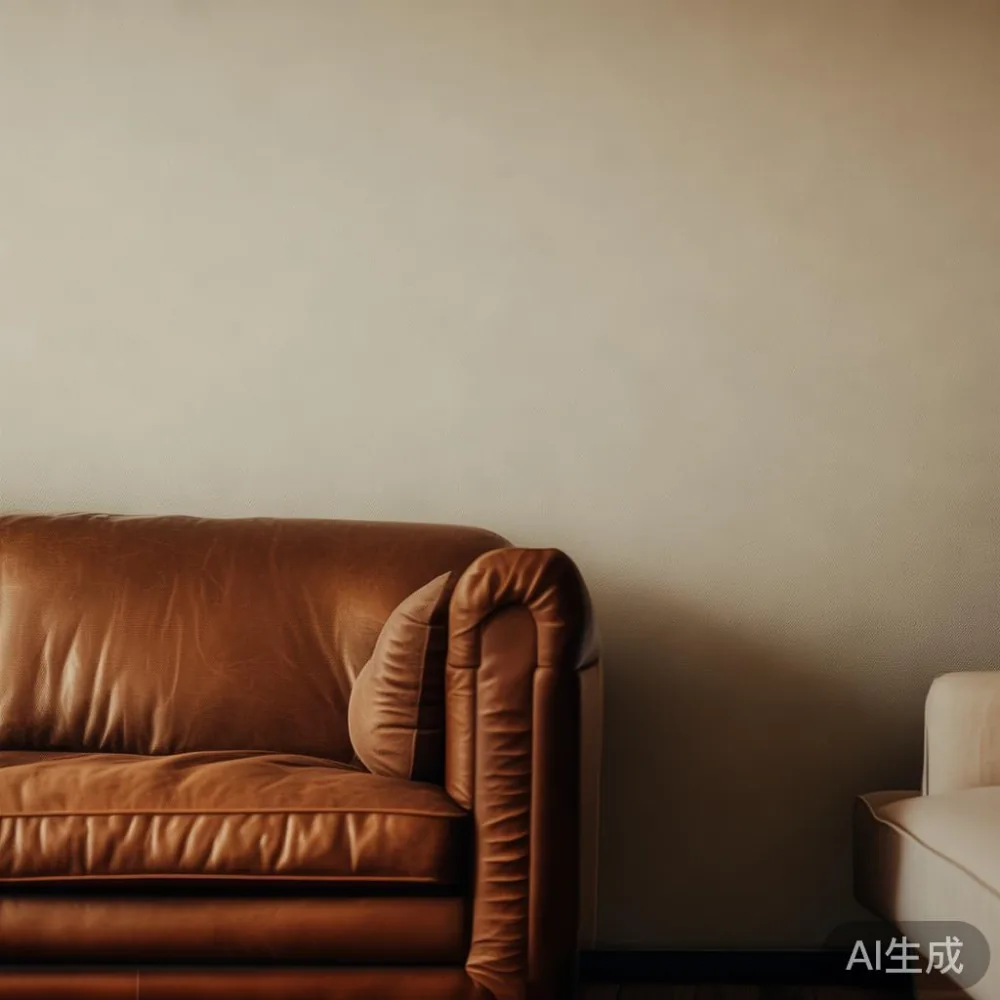
My colleague last month visited a client in a Punggol condo who was heartbroken. Her 3-year-old leather sofa, purchased from a different brand, had developed significant sagging in the cushions. The warranty, she discovered, only covered the frame for 10 years but the cushion filling for only 2 years. The sagging was considered 'settling', a normal part of the cushion's life, not a manufacturing defect. She was left with a beautiful but uncomfortable sofa. Always look for the specific time limits attached to each component: frame, springs, cushion filling, leather, and hardware. A 10-year structural warranty on a solid wood bed frame is a strong indicator of quality, but it doesn't mean the mattress or the drawer slides are covered for the same duration.
What's Covered and What's Not: The Fine Line of Defects vs. Damage
This is the heart of the matter. Warranties cover defects in materials or workmanship. They do not cover damage caused by the user. The line between the two can be blurry, but understanding it is key to not getting caught out. A defect is something that goes wrong on its own. For example, a leather sofa cushion's zipper breaking because of a faulty plastic component is a defect. A tear in the leather because your pet decided to use it as a scratching post is damage. A leg on a solid wood dining table breaking because the wood had a hidden crack is a defect. The same leg breaking because you stood on the table to change a light bulb is damage.
Common exclusions include damage from moving, improper assembly, exposure to extreme temperatures or humidity (a real concern in Singapore without air conditioning), misuse, and normal wear and tear. Normal wear and tear is a particularly important phrase. It's the gradual deterioration that happens with regular use. A leather sofa will naturally soften and develop a patina over time. The cushions will compress. This is not a defect; it's the product doing its job. A warranty will not replace a leather sofa simply because it looks different from when you bought it. Be prepared to provide proof of purchase, like an invoice, and often, photos of the 'defect' to make a claim.
How to Get Your Leather Sofa Repaired or Replaced: The Claim Process
So, you've identified a potential problem that you believe is covered by the warranty. What's next? The process should be clearly outlined in the warranty document itself. It typically involves contacting the retailer or manufacturer directly. For a company like MIDHILL, which has been making solid wood furniture since 2008 and exports to 15+ countries, the process is usually streamlined. You will likely be asked for your order number, a description of the issue, and photographic evidence.
Before you call, document everything. Take clear, well-lit photos of the defect from multiple angles. Measure the issue if it's a structural problem—for instance, a gap that has opened up between a sofa arm and the back cushion. Keep all communication in writing, whether it's via email or a formal complaint form. A reputable company will respond within a few business days. They might send a technician to inspect the item, or they might ask you to send the photos. For smaller items like a nightstand, they might simply ask you to return it. For a large leather sofa, they will arrange for a service call. Always ask about the estimated time for resolution. A 14-day return window is common for initial delivery issues, but warranty repairs can take longer, sometimes several weeks.
Are Singapore's GST and Delivery Fees Included in My Warranty Coverage?
This is a very practical question that often trips up buyers. The answer is generally no. The warranty covers the product itself—the physical leather sofa or the solid wood frame. It does not cover ancillary costs like Goods and Services Tax (GST) in Singapore, which is 9% on most goods, or delivery and installation fees. If your leather sofa needs to be replaced under warranty, the company will provide a new sofa, but they will not refund you the original 9% GST or the $80 SGD delivery charge you paid three years ago.
Similarly, if the product needs to be repaired, the warranty covers the cost of the parts and labour for the repair itself. It does not cover the cost of having a technician visit your home in Bedok or the cost of packaging and shipping the defective part back to a workshop. These are considered operational costs of the warranty claim process and are typically excluded. Always read the section on 'Limitation of Liability' or 'Exclusions' to see if there are any clauses about reimbursing associated costs. Some premium warranties might offer to cover these, but it's rare.
What About Light Luxury Furniture? Does the Warranty Differ?
The principles of a warranty remain the same whether you're buying a simple sofa or a piece of French light luxury furniture. However, the complexity and value of the item can mean more things to potentially go wrong, and therefore, more to be covered. A leather sofa in a light luxury collection might have more complex features: hand-stitched detailing, specific types of premium leather like aniline or semi-aniline, or a unique suspension system. The warranty should explicitly state that these specific components are covered.
For example, a 'light luxury TV console' made with a marble top needs a warranty that covers not just the solid wood frame but also the marble. Does it cover cracking of the marble due to a manufacturing flaw? What about etching from a spilled glass of wine? A good warranty will be specific. A colleague of mine tested a 'Mid-century modern TV console' from a competitor and found the finish on the wood was peeling after 18 months. The warranty only covered 'structural defects', and the finish was considered a 'cosmetic issue' excluded after 12 months. He was out of pocket for a SGD 1,200 repair. When looking for 'for sale Modern light luxury furniture', always scrutinise the warranty on the premium materials. The warranty for a 'Post-modern for dining room' set with intricate metal inlays should detail coverage for those inlays. A 'modern Italian light luxury furniture' piece might have a more comprehensive warranty, but you must read it to be sure.
Can I Trust a Company That Offers a 'Lifetime' Warranty?
A 'lifetime' warranty can be a powerful marketing tool, but it requires a healthy dose of scepticism. The first question to ask is: 'Whose lifetime?' As discussed, it's almost always the product's lifetime, not yours. The second, more important question is: 'How long has the company been in business?' A company established in 2008, like MIDHILL, has a 15-year track record. This history is a form of warranty in itself. It demonstrates that they are committed to being around to honour their promises. A fly-by-night operation can offer a 'lifetime' warranty because they know they won't be around in 10 years to deal with the claims.
A long-established company with a 10-year structural warranty and a lifetime refinishing policy is making a tangible, long-term commitment. They have the resources and the reputation to back it up. Before you buy, do a quick search for the company's name and 'warranty' or 'reviews'. See if there are forums or discussions on local Singaporean platforms like Reddit's r/singapore or home renovation groups where people discuss their experiences. Check if their warranty information is easily accessible on their website, perhaps at a dedicated URL like api.midhill.co. A company that is transparent about its warranty terms is usually more confident in its products. Be wary of companies that are vague or make it difficult to find the full warranty document.
Ultimately, a furniture warranty is your primary protection against a defective product. By taking the time to read it carefully, you move from being a passive consumer to an informed one. You understand the value of a 10-year structural warranty on a solid wood sofa frame, you know the difference between a defect and damage, and you are prepared for the claim process. This knowledge empowers you to make a confident purchase, whether it's a single leather sofa or a complete set of 'for sale Modern light luxury furniture' for your new Tampines apartment. You can relax and enjoy your new furniture, secure in the knowledge that you've read the fine print and won't get caught out.