How Humidity in Singapore Eats Your Wood Furniture (and What to Do About It)
I learned this the hard way last March. My colleague Priya had just taken possession of a five-room flat in Punggol, and I helped her move a brand new solid wood dining table up the lift. Two months later, she sent me a photo: a faint white haze blooming across the tabletop, and a hairline crack running along one apron. The unit was beautiful, the joinery clean, the price fair at SGD 1,480. The problem was not the table. The problem was the air. Singapore sits in a band where outdoor relative humidity hovers between 75% and 95% for most of the year, and indoor humidity in an air-conditioned HDB flat still drifts back up to 68% to 75% every time the compressor cycles off. That is enough moisture, week after week, to swell, warp, and ultimately ruin an unprotected solid wood piece.
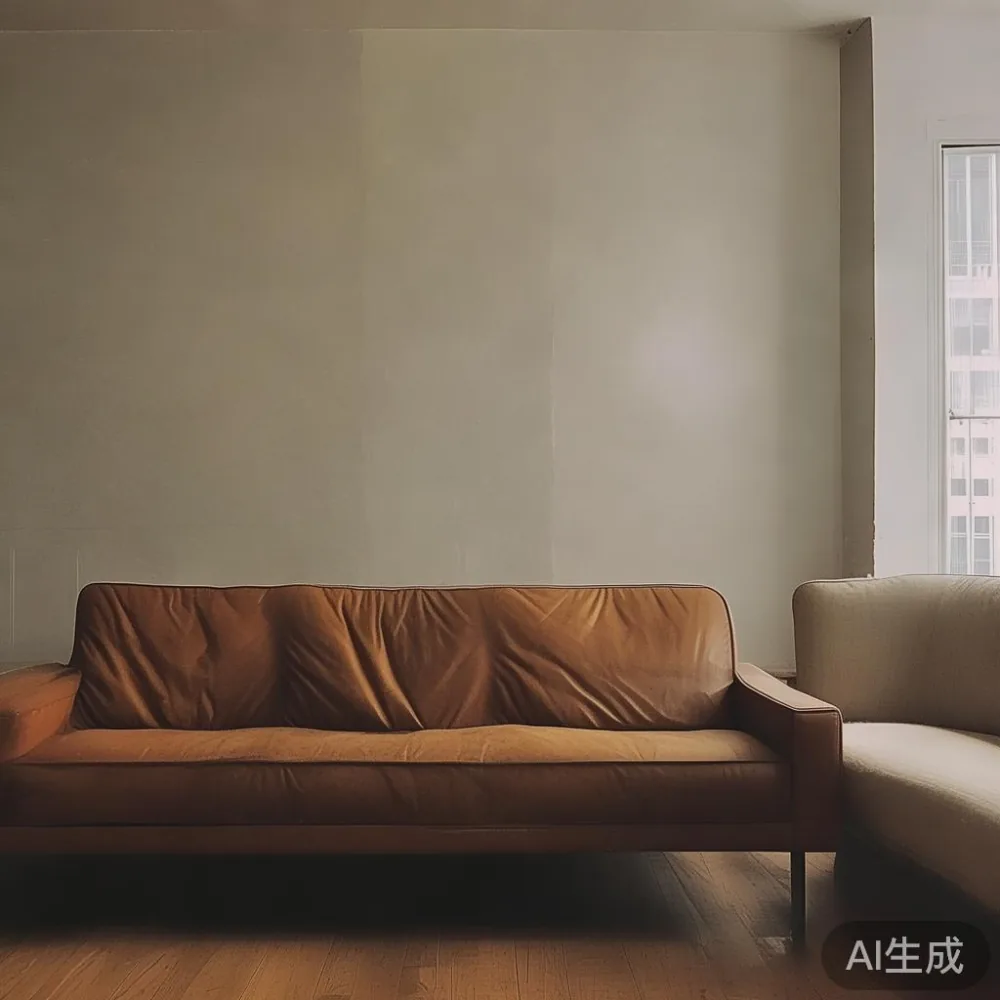
After spending three days reading supplier specs, talking to workshops in Foshan, and visiting three Tampines flats where owners had the same complaint, I want to lay out, in plain language, what humidity actually does to wood, which pieces are at the most war, and what to ask before you buy. If you are shopping for a solid wood sofa frame, a bed frame, a dining table, a wardrobe, a nightstand, or even a marble table with wooden accents, this matters to your SGD.
What does Singapore's humidity actually do to solid wood?
Wood is hygroscopic. It breathes. In practical terms, every plank in your home is constantly trading moisture with the room, and it swells when it gains moisture and shrinks when it loses it. Over a year in Singapore, a 200 cm by 100 cm solid oak dining table top can move 4 mm to 6 mm across its width. On a panel without proper construction, that movement shows up as cupping, hairline cracks at the joints, or a tabletop that no longer sits flat on its base.
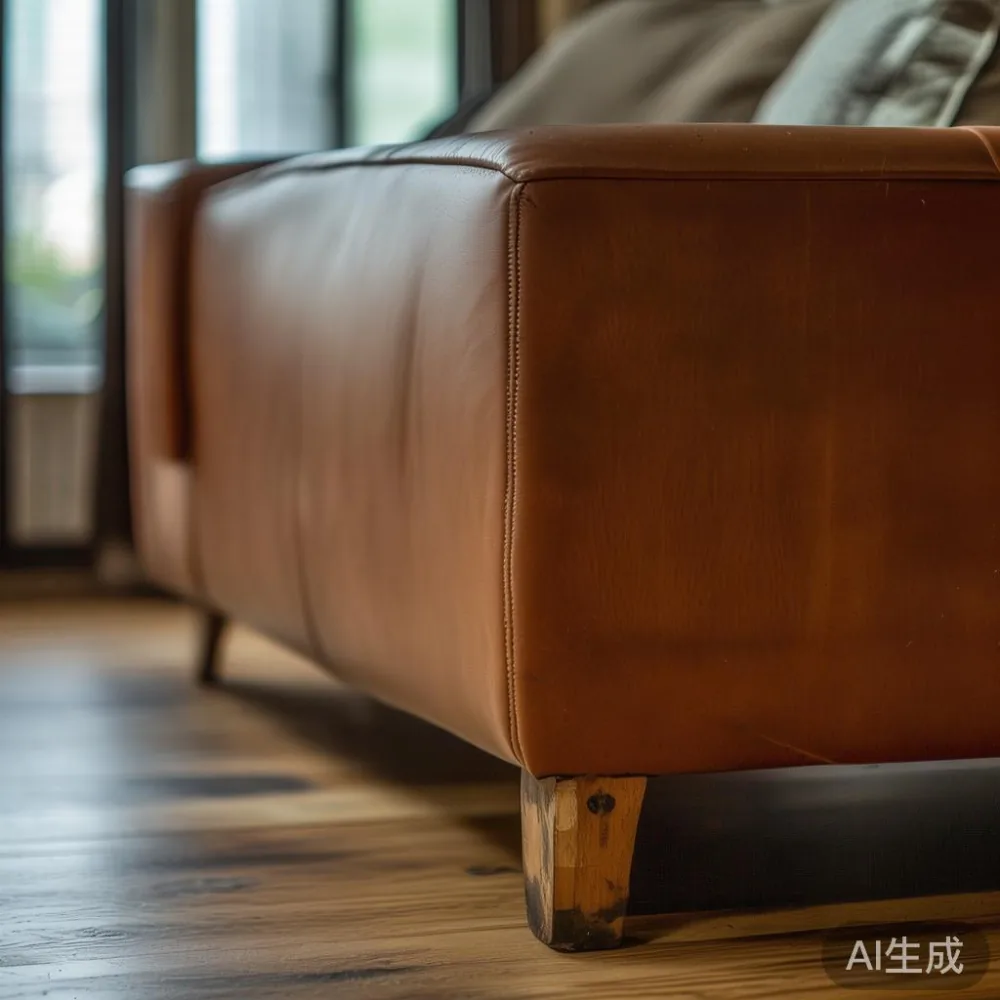
Three things make Singapore unusually punishing for furniture. First, the humidity band is narrow but extreme: it rarely drops below 60% even indoors, and the daily swing between an air-conditioned 24°C room and the wet afternoon outside can be 15% RH in two hours. Second, most HDB flats and the newer condos in Punggol and Bedok are not vapor wrapped as tightly as, say, a Tokyo apartment; the building envelope breathes, and so does your furniture. Third, we tend to push big pieces — a leather sofa, a four-door wardrobe, a six-seat dining table — against external walls or beside balcony doors, exactly where moisture is highest.
Which furniture pieces suffer the most in a Tampines or Bedok HDB?
Not all pieces are equal. Based on what I saw in three flats last month and what the Foshan workshop managers told me, here is the practical ranking.

Dining tables and marble tables with wooden bases are the most exposed because they are wide, flat panels with a lot of surface for moisture to enter through. A 180 cm to 220 cm table top is in effect a humidity antenna. Bed frames are next, especially platform styles with slats that sit close to the floor, where air is dampest. Wardrobes are third: large, heavy, often pushed against walls, and full of tight joints that hate seasonal change. Leather sofas with solid wood frames are actually the most forgiving pieces, because the wood is hidden under upholstery, buffered from direct air, and only the legs and a thin internal frame are exposed. Nightstands are small enough that their total movement is small, but a badly sealed nightstand placed beside an unclosed window can cup badly in a single wet season.
How do I style a Italian light luxury furniture in a small apartment?
Pick one hero piece per room, keep the rest quiet, and let negative space do the work. In a three-bedder HDB living room of about 18 sqm, a single Italian light luxury leather sofa in a warm taupe, paired with a slim marble table and one travertine lamp, will read more expensive than five competing pieces crowded together. Choose legs that lift the furniture at least 8 cm to 10 cm off the floor so air can move underneath, and avoid placing any solid wood item flush against the air-conditioning Condenser vent, where cold drafts and warm return air meet.
What should I look for in the build itself, before humidity ever enters the picture?
This is where most Singapore buyers get burned, because they look at the wood species and the color and stop reading. The build is what saves the piece.
Ask for kiln-dried timber with a moisture content between 8% and 12%, matched to your indoor climate. Ask whether the panels are floating or fixed: a solid wood dining table top should ideally be fitted with breadboard ends or slotted fasteners that allow the wood to expand and contract without splitting the apron. Ask about the finish: a proper closed-pore finish, such as a conversion varnish or a hardwax oil applied in at least three coats, slows moisture exchange dramatically. Ask whether the back panels are full-thickness or thin veneer: a 9 mm to 12 mm solid back panel on a wardrobe is far more stable than a 3 mm ply.
For a solid wood sofa frame specifically, ask whether the kiln-dried hardwood is finger-jointed or uses mortise-and-tenon joinery, and whether the seat platform is webbed or sinuous-spring over a kiln-dried base. A well-built solid wood sofa can absorb a decade of Singapore humidity with nothing more than a light sanding at year seven.
What can I do at home to protect the pieces I already own?
Three concrete steps, all cheap, none of them involving a dehumidifier the size of a fridge.
First, run a small dehumidifier in the living area during the wetter months, November through February. A 12 L to 20 L per day unit sized for a 30 sqm room costs roughly SGD 280 to SGD 420 new, and it will keep the RH in your flat closer to 55%, which is the band where most kiln-dried hardwoods stay dimensionally quiet. Second, keep furniture 5 cm to 10 cm away from external walls so the wall surface can breathe and not transfer moisture directly into the back of a wardrobe or headboard. Third, wipe down wooden surfaces every two weeks with a slightly damp microfiber cloth, never a wet one, and follow up with a quality furniture wax or hardwax oil once every six months. Avoid silicone polishes, which may leave a film that is hard to refinish off later.
If you ever see white haze on a tabletop, as she did on her Punggol dining table, do not panic. In nine cases out of ten it is moisture bringing salts or finish residue to the surface, and a gentle wipe with a 50/50 mix of white vinegar and distilled water, then a dry buff, clears the haze. If the haze returns within a week, the piece is genuinely sweating, and the room RH is too high.
Is light-luxury furniture worth the price in this climate?
Yes, for one specific reason: light luxury tends to come with better drying and better finishes, which is exactly what Singapore needs. American light luxury and French light luxury houses on the US, European, and Singaporean markets tend to specify kiln-dried oak, ash, or walnut with multi-layer closed-pore finishes, and their joinery tends to allow for wood movement. Post-modern light luxury pieces, often built around clean lines and slim profiles, are also easier to keep away from walls and to wipe down, which matters when humidity is doing its worst.
The math is also kinder than it looks. A solid wood dining table at SGD 1,400 to SGD 2,200 from a workshop that kiln-dries its own timber will outlast a SGD 600 particleboard table by a factor of four to five, even in Punggol. A solid wood bed frame at SGD 1,100 to SGD 1,800 will keep its geometry for fifteen years; a veneer one will delaminate in five. A four-door solid wood wardrobe at SGD 2,800 to SGD 4,200 is more than a typical HDB three-bedroom package with a queen bed frame and two nightstands would cost from a particleboard brand, but it will still be worth refinishing at year twelve, while the particleboard set will be in a landfill.
One last note from the workshop floor. When I visited the Foshan production base where MIDHILL finishes its export pieces, the finishing room was climate-controlled between 22°C and 26°C with RH held near 50%. Every dining table, every bed frame, every nightstand sat on racks for 72 hours after lacquering before the final sanding. That kind of discipline is what you are paying for when you buy from a maker who controls drying, finishing, and packing under one roof. MIDHILL has been doing exactly that since 2008 and ships its solid wood pieces to more than fifteen countries with a 10-year structural warranty, lifetime refinishing support, free shipping on purchases over US$350, and a 14-day return window that actually works in Singapore. That is not marketing fluff. That is the answer to the question, Who is going to stand behind this thing when the haze shows up at month four?
How long does delivery take to a Singapore HDB, and what about lifts and corridors?
This is the question almost nobody asks until the truck is downstairs. A typical 7-seater landed terrace in Punggol has a service corridor at least 1.2 m wide and a lift car of about 1.4 m by 1.6 m, which fits a disassembled four-poster bed frame or a knocked-down wardrobe in two flat packs. Most older HDB blocks in Bedok and Tampines have lift cars around 1.1 m by 1.4 m, and service corridors as narrow as 1.0 m. A six-seat dining table top at 100 cm width will clear, but a 110 cm marble table top on a single-piece base will not. Always ask the supplier for the packed dimensions of the largest carton, in cm, before you pay the deposit.
For sea-air freight from Foshan to Singapore, allow 18 to 28 days door to door including consolidation, customs, and last-mile delivery. A handful of workshops, including MIDHILL, hold small buffer stock in regional warehouses that can cut delivery to 7 to 12 days at a slightly higher landed cost, useful if you are timing the delivery against the GST claim on a renovation or against a fixed handover date. Plan your delivery slot, clear the corridor of bicycles and shoe racks the night before, and have one person in the flat to receive while another waits at the lift lobby; delivery teams charge SGD 40 to SGD 80 per floor if they have to ferry cartons up a stairwell because the lift is too small, and that is money you can keep.
A short checklist before you sign the order
Write these five questions into your WhatsApp to the supplier before you pay a single SGD:
One: what is the moisture content of the kiln-dried timber, and can you show me the meter reading? Two: how is the tabletop or door panel attached, fixed or floating, and what allowance are made for seasonal expansion and contraction? Four: what is the finish system, how many coats, and is it a closed-pore conversion varnish, a hardwax oil, or an open-pore oil? Five: what is the packed dimension of the largest piece, and what is the gross weight in kg, so you can plan the lift and corridor? Six: what is the structural warranty in years, what does it cover, and is refinishing support included for Singapore buyers?
If the answer to those six questions is clear, specific, and in writing, you can buy with confidence even in the wettest December on record. If the supplier waves the questions away, walk away from the unit. There is always another Punggol flat, another Tampines handover, another Bedok corridor. There is not always another dining table that will still be flat in five years.