Selecting the Perfect Leather Sofa for Your Singapore HDB
A leather sofa can make a compact Singapore home feel generous, but the wrong dimensions can make an HDB living room feel crowded. The practical answer is not simply to buy the largest sofa that fits through the lift. You need to account for the room shape, circulation route, opposite furniture, television position, and how the sofa will be used daily.
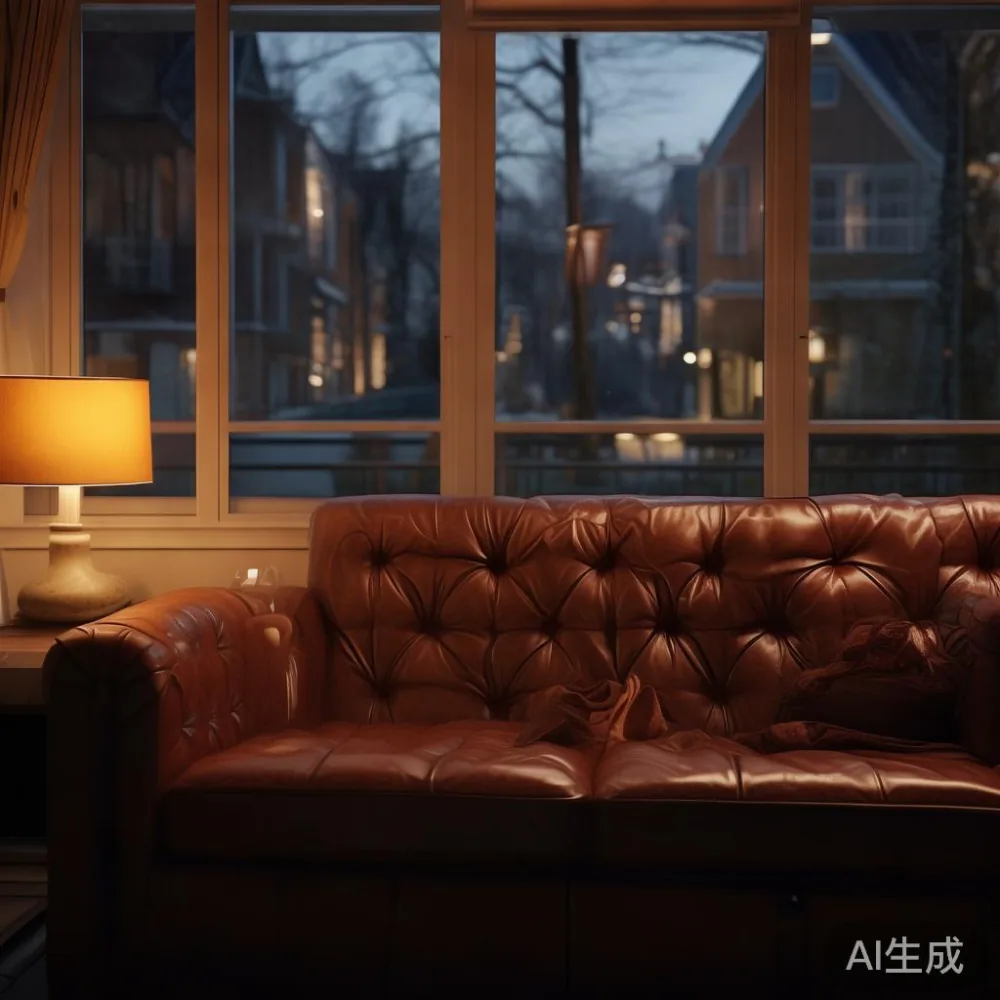
Singapore HDB layouts vary considerably. A compact 3-room flat in Tampines may have a living room measuring roughly 280 cm wide, while a larger Bedok flat may provide 350 cm or more of usable space. Punggol units often combine the living and dining areas, so every centimetre matters. Measure after the actual sofa has been delivered to your home; do not rely solely on the building plan.
This guide explains how to select the right leather sofa for an HDB or condo living room, from checking the lift to leaving adequate walking space. MIDHILL designs its solid wood furniture for practical residential use, including a 10-year structural warranty, lifetime refinishing, and delivery support across Singapore.
What sofa size should I choose for an HDB living room?
For most HDB living rooms, a 180–220 cm sofa is the practical starting range. A model around 190 cm wide can seat two adults with some side space for a third person, while a 210–230 cm sofa is more suitable for a family that regularly stretches out or watches television together. If the opposite coffee table is only 35 cm away, consider a sofa no deeper than 90–95 cm.
The usable footprint matters more than the advertised width. Leave about 75–90 cm between the front of the sofa and the coffee table for comfortable movement. Leave at least 60 cm beside a sofa used in a narrow living room, and 90 cm where people need to pass behind it. In a combined living-dining layout, reserve a clear route of at least 75 cm from the entrance to the dining table.
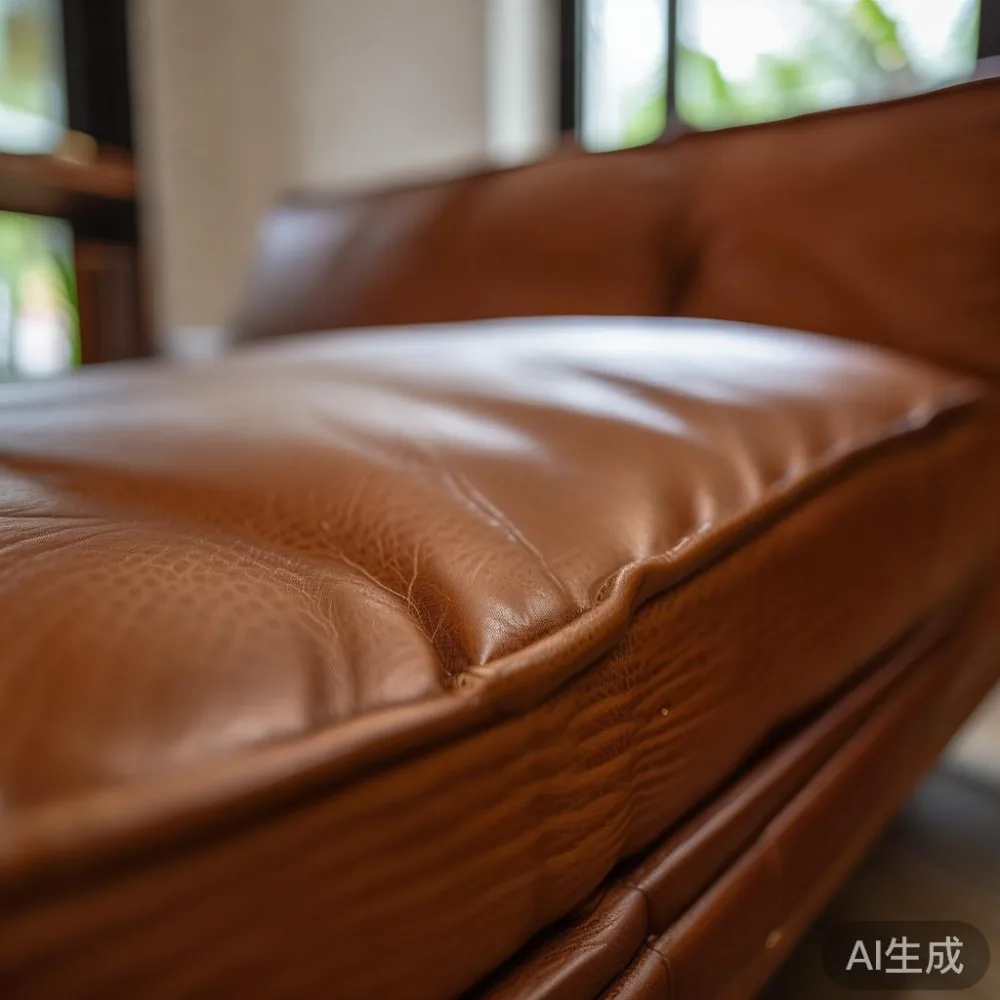
Depth can determine whether the room feels balanced. A 85–90 cm deep leather sofa supports upright sitting and saves floor area. A 95–105 cm deep sofa feels more relaxed but requires more space in front. If your HDB living room is only 280–320 cm wide, a deep model may leave too little space for a table, side table, and movement.
For Punggol and Bedok homes where the living area doubles as a social zone, a modular or compact leather sofa may be useful. Keep each section under 100 kg if you expect to move it occasionally, and check whether the pieces can be separated without tools. Full-grain or corrected-grain leather should feel firm but have enough give for daily use; a hard, rigid surface can be uncomfortable even when its dimensions are correct.
How do I measure my living room correctly?
Measure the length of the wall where the sofa will sit, then measure the depth of the room from that wall to the opposite obstruction. Note radiators, air-conditioning outlets, windows, television consoles, and power sockets. A 230 cm sofa may fit geometrically while still blocking a socket or sitting awkwardly beneath a window.
Sketch the room on graph paper at a scale of 1 cm to 1 cm. Draw the door swing, including a 90 cm allowance in front of the main entrance. Add the sofa with its true width and depth, then add the coffee table, television cabinet, and the normal circulation space. This simple exercise often reveals that a slightly narrower sofa produces a better room.
Measure the delivery route separately. Typical HDB lift cars are approximately 110–140 cm deep and 90–110 cm wide at the door, though individual blocks differ. A 220 cm sofa may enter diagonally, but a deep, rigid solid wood frame can be difficult to rotate. Check the lift door opening, cabin height, corridor turns, and the route from the lift lobby to your unit.
Record the narrowest corridor at 90 cm or less as a warning sign. You may need to remove the sofa legs, if detachable, or place the cushions inside separately. For a corridor with several tight turns, a modular leather sofa is safer than one continuous frame. Photograph each turn and measure both the horizontal and diagonal clearance before ordering.
Will the leather sofa fit through the HDB lift and corridor?
It can, but the building does not offer one standard measurement. Older lift cabins and refurbished corridors can be narrower than newer ones, while some condos have generous private lifts. Ask your management office for the lift car dimensions and permitted delivery hours. Delivery during weekday daylight may be required in some blocks.
For a long leather sofa, compare its widest dimension with the lift door rather than assuming the cabin width is enough. A sofa 215 cm long may fit through a 100 cm door at an angle if its depth is around 85–90 cm and the frame has rounded corners. However, the sofa must also fit inside the cabin without striking the ceiling or controls. A low solid wood frame is easier to tilt, but it must never be carried by its decorative arms or backrest.
Packaging should be included in the calculation. Protection boards, cartons, and corner guards can add several centimetres to the measurement. Request the packaged dimensions, the number of couriers needed, and whether the sofa can be assembled in the lift lobby. A clear SGD 20–40 delivery surcharge may be reasonable for a difficult HDB access route, but the exact fee should be confirmed before purchase.
Products such as a dining table, wardrobe, nightstand, or bed frame also need route planning. The useful comparison is under 2000 Modern furniture: before placing any large piece in an urban home, verify the complete path from vehicle to room. The same rule applies whether the item is a marble table with a heavy top or a leather sofa with removable feet.
Which leather sofa shape suits a compact Singapore layout?
A straight two- or three-seat leather sofa usually creates the cleanest visual line in an HDB living room. It works well against a plain wall and pairs easily with a slim television console. A three-seat model from 200–220 cm is appropriate for many 3-room and executive HDB flats, provided the coffee-table gap remains about 75 cm.
An L-shaped leather sofa offers more seating but occupies a larger corner. It is more appropriate for a room with at least 330 cm of clear width and a return depth of no more than 155–170 cm. Check that the long section does not create a bottleneck beside the balcony or dining area. A sectional can still be used in a compact flat if the chaise is removable and the seating modules are light enough to reposition.
A loveseat around 140–170 cm is sensible for a small living room, a second sitting area, or a condo study. A corner sofa with a fixed chaise needs more planning than its showroom appearance suggests. Avoid placing it where the chaise blocks the main route to the kitchen or balcony.
Style also affects the visual size. Low profiles, slim arms, and legs that raise the frame by 15–20 cm make the sofa appear lighter. A French light luxury leather sofa with refined detailing can suit an HDB interior without looking heavy, provided the upholstery remains understated. If comparing light luxury sofa vs Japandi sofa, the leather version usually creates a richer, more formal centrepiece, while a Japandi design places greater emphasis on pale timber and visual simplicity.
For an apartment near Tampines MRT or a busy Bedok junction, durable, easy-clean upholstery is often more practical than a delicate pale shade. Dark taupe, warm grey, and muted brown conceal daily marks better than cream. Specify the leather type, coating, and warranty terms in writing so the visual expectation matches the maintenance reality.
How much clearance should I leave around a leather sofa?
Leave 75–90 cm between the sofa and coffee table, at least 60 cm at the main side for reaching past a seated person, and 90 cm where a walkway passes behind the sofa. In an open-plan HDB flat, maintain a 90–110 cm path between the sofa and dining chairs. These clearances allow a person carrying a tray, a vacuum cleaner, or a plate of food to pass without scraping the furniture.
For the television, centre the screen directly in front of the main seating section rather than balancing it on the end of a straight sofa. The ideal viewing distance is commonly about 1.5–2.5 times the television width for a 65-inch screen. A low-profile leather sofa supports this position and leaves the television console visible above the backrest.
Consider the air-conditioner airflow as well. A sofa directly beneath the indoor unit may impede cooling if its back rises too high. Leave approximately 15–25 cm below the wall-mounted unit where possible, and confirm the maintenance access zone. A 45–55 cm tall back can work in many HDB layouts; a 60–70 cm back offers a more upright posture but uses more visual height.
Lighting should be layered. A floor lamp around 150–165 cm high can sit beside the sofa without competing with the ceiling. If you use a marble table near the seating, allow 40–50 cm between its edge and the sofa arm for reaching a drink. Small details such as a 40 cm diameter side table should have at least 10–15 cm of breathing room from the sofa arm.
Is a 200 cm leather sofa too large for an HDB flat?
Not necessarily. A 200 cm sofa is close to the upper limit for many compact HDB living rooms, but it can work when the room is at least 290–310 cm wide and the opposite furniture is shallow. The key is the total occupied zone: 200 cm for the sofa, 75–90 cm in front, and enough side clearance for movement.
In a 3-room flat, a 190 cm sofa may create a calmer layout than a 215 cm model. In a larger Bedok or Punggol flat with an open dining zone, 210–230 cm may be reasonable if the route remains 90 cm wide. The decision should come from a taped floor plan rather than a standard showroom rule.
Seat comfort also depends on internal dimensions. A usable seat width of roughly 55–65 cm per adult provides reasonable support. Deep cushions can make a shorter sofa feel crowded, while excessive seat softness may cause people to slide forward. Sit on the sofa for 15–20 minutes before buying and check whether your knees remain comfortably supported.
Last month I visited my colleague in Tampines to review a 205 cm three-seat leather sofa for a client. The showroom model looked substantial, but in her 300 cm-wide living room it left only 62 cm beside the dining passage. We shifted the sofa 12 cm toward the balcony and replaced a projecting side table with a narrower one. The revised layout retained a clear 78 cm walking route and made the sofa feel less imposing.
That experience reinforced a simple rule: measure the route and the room, not just the product. It also showed why flexible pieces are useful in Singapore homes.
How should I compare solid wood and upholstered furniture for the same room?
When the leather sofa is the main piece, coordinate its proportions with a solid wood dining table, a bed frame, a wardrobe, and a nightstand. The goal is not to make every item identical, but to maintain consistent lines and practical clearances. Warm timber tones can balance dark leather and prevent an HDB interior from feeling visually compressed.
A dining table needs about 90 cm behind each chair for pulling out. In an open living-dining area, the sofa should not extend into that zone. Post-modern for dining room layouts often combine clean silhouettes with restrained decorative details, which can bridge French light luxury and American light luxury without making a modest home appear overly formal.
For bedroom planning, the question “is French bed worth it” depends on the room and the bed frame construction, not only the style name. A French bed can suit a compact condo if the frame has a modest headboard and the mattress does not crowd the side tables. A Japanese bed vs Italian light luxury bed comparison may favour different storage needs: a platform design can preserve floor space, while a framed Italian-inspired bed creates a stronger visual focus.
The same proportion logic carries into a light luxury bed vs Japandi bed comparison. A low platform frame generally reads lighter in a small room, while a framed bed with a tall headboard requires more wall and ceiling clearance. If you are also evaluating a MIDHILL bed, check the assembled and boxed dimensions, mattress support, and delivery access before selecting the design.
For occasional pieces, a nightstand around 40–50 cm wide and 45–55 cm high should align with the mattress top. A compact wardrobe may require 5–8 cm of installation clearance and a clear floor area for hinged doors. For a marble table, ask for the top weight and packaging specifications, since natural stone varies by slab and adds more handling requirements than a timber table.
What should I confirm before paying for delivery?
Confirm the leather sofa’s external dimensions, seat depth, frame material, cushion density, leather specification, and warranty exclusions. For MIDHILL, the stated 10-year structural warranty and lifetime refinishing provide useful context, but it is still sensible to retain the order documents and understand which surfaces and components are covered.
Check whether the price includes GST. Singapore’s prevailing GST should be shown clearly on the quotation. Most consumer goods are taxed at 9%, so a sofa listed at SGD 2,900 before GST would be SGD 3,161 with GST. Shipping over US$350 is a brand threshold for international orders, but local Singapore delivery may follow a separate fee structure, so request the exact amount.
Ask for a delivery window rather than relying on “3–5 days” without a date. Allow approximately 5–10 working days for a made-to-order or long-lead configuration, while stock items may arrive within 3–7 days. Condo loading bays and HDB lift bookings can affect the schedule. MIDHILL delivery options, return terms, and the 14-day return policy should be reviewed before checkout.
Finally, inspect the sofa after delivery. Check the frame, legs, stitching, cushion alignment, and surface finish before signing the courier sheet. Photograph any packaging or transit damage and report it immediately. The furniture should be carried by its frame and base, not by the leather upholstery or arms.
What is the practical size recommendation for different HDB layouts?
For a small 3-room HDB living room with roughly 280–310 cm of usable width, a 160–190 cm leather sofa usually balances seating and circulation. For a 320–350 cm living room, a 190–220 cm model is more practical, especially with a 85–90 cm frame depth. Beyond 350 cm, a 220–240 cm sofa or a compact sectional can work if the route to the dining area remains 90 cm wide.
These are planning ranges, not fixed rules. A 170 cm loveseat may suit a narrow living room better than a modular sofa, while a 210 cm straight model may suit an open-plan flat if the opposite wall is free. Base decisions on the narrowest passage, the coffee-table position, and the height of the television console.
The right leather sofa size is the one that gives enough seating for daily life while preserving clear movement and a balanced visual composition. Measure in centimetres, test the route, and leave approximately 75–90 cm in front of the seat. A well-proportioned solid wood frame can then support years of family use, whether the home is an HDB flat in Bedok, a compact condo in Tampines, or a family unit in Punggol.