Wood Furniture in Singapore: Tackling Southeast Asian Humidity
Singapore’s tropical climate can make a beautiful solid wood sofa look tired within a few humid months. Oak, teak, ash, walnut, and other natural timbers react differently as they absorb moisture from the air, while leather cushions, marble surfaces, and engineered fittings can show their own warning signs. The answer is not to fear Singapore humidity; it is to understand how moisture moves through a home, how solid wood responds, and how furniture can be cared for with realistic routines.
In HDB flats and private condos across Tampines, Bedok, and Punggol, indoor conditions vary considerably. A corner unit near a west-facing window may reach 34°C on a bright afternoon, whereas a flat on level 12 may remain around 27–29°C. Lift and corridor widths also matter when furniture is delivered. A solid wood sofa with a 224 cm width may fit a standard HDB lift more easily than a 280 cm model, yet turning corners can still add several centimetres of clearance. Good planning protects both the furniture and the building.
What does humidity do to solid wood furniture?
Relative humidity is the percentage of moisture the air holds compared with the maximum it can hold at that temperature. At 30°C, air at 60% relative humidity contains considerably more water vapour than air at 30°C and 40% relative humidity. Wood responds by gaining or losing moisture until its surface condition is closer to balance with the surrounding room.
High humidity does not automatically ruin furniture. A stable indoor environment is more important than a short spell of damp weather. The concern is repeated movement: a solid wood bed frame may expand by roughly 1–3 mm across its width during severe seasonal or storage changes, a dining table may develop small gaps along its joints, and a wardrobe door may begin to catch.
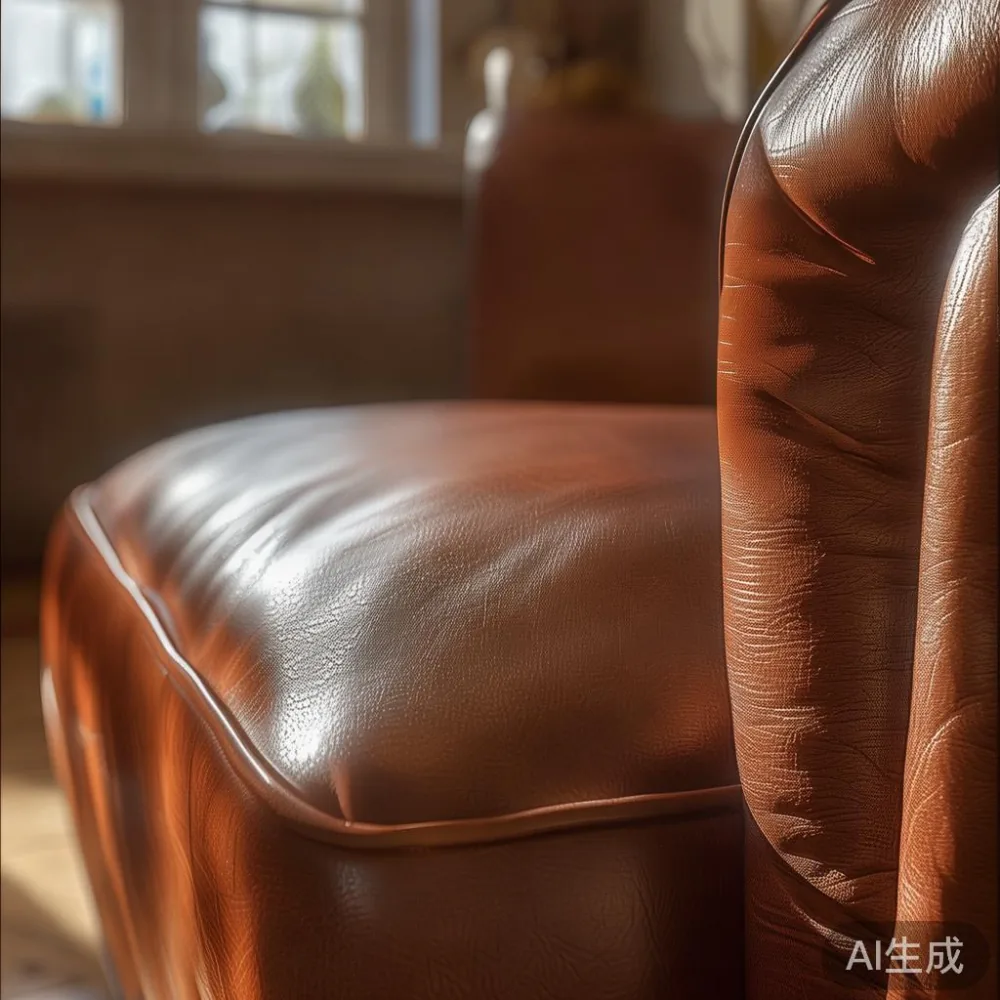
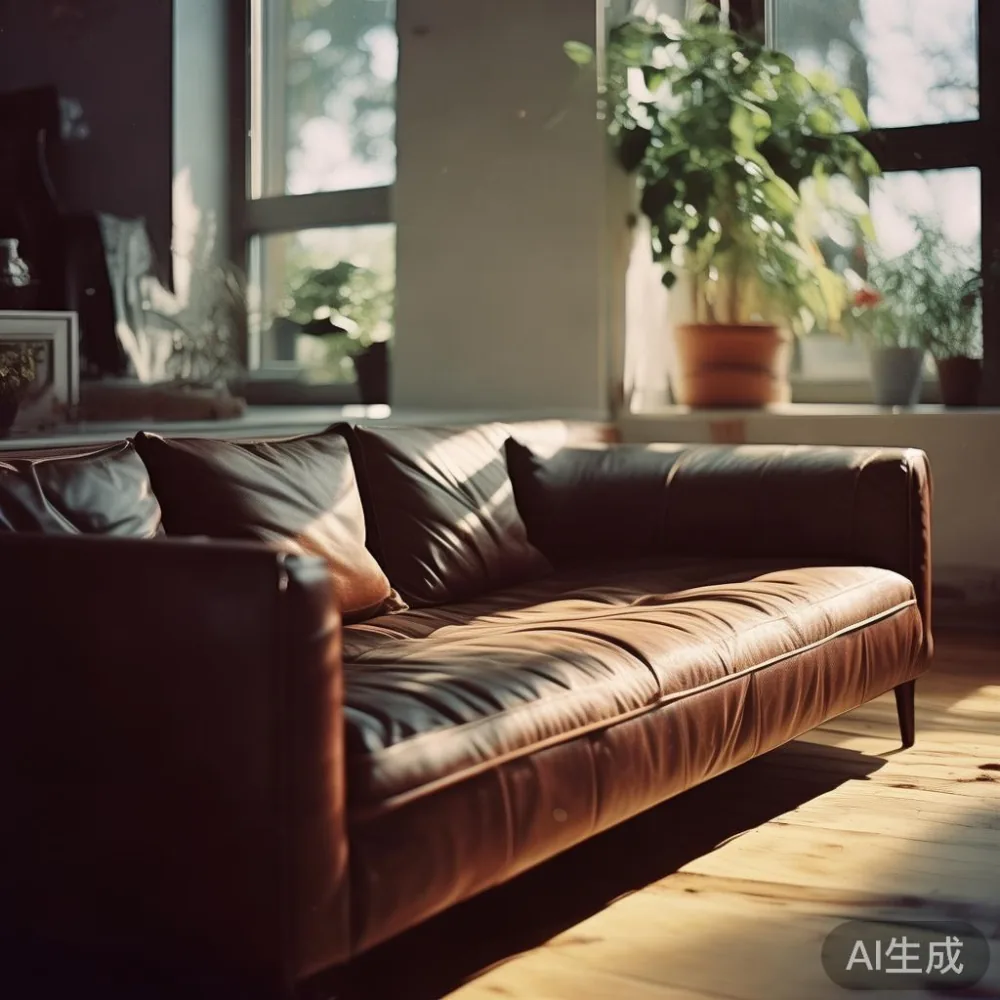
Leather follows a related pattern. Full-grain or semi-aniline leather on a leather sofa can soften or tighten as humidity changes. A lightly pigmented hide may show tiny wrinkles that disappear after the room becomes stable. Foam cushions can also compress differently in warm, humid conditions, especially when ventilation is limited.
Humidity does not automatically ruin furniture. A stable indoor environment is more important than a short spell of damp weather. The concern is repeated movement: a solid wood bed frame may expand by roughly 1–3 mm across its width during severe seasonal or storage changes, a dining table may develop small gaps along its joints, and a wardrobe door may begin to catch.
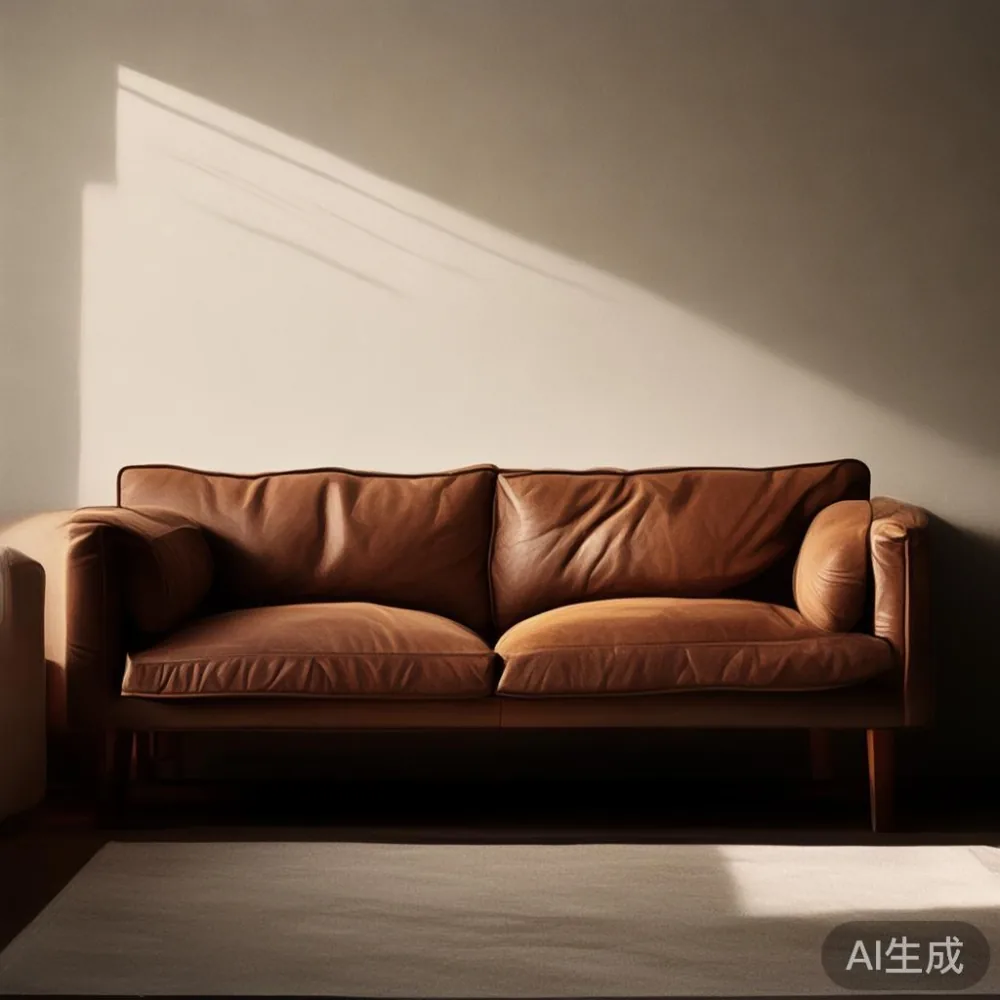
Leather follows a related pattern. Full-grain or semi-aniline leather on a leather sofa can soften or tighten as humidity changes. A lightly pigmented hide may show tiny wrinkles that disappear after the room becomes stable. Foam cushions can also compress differently in warm, humid conditions, especially when ventilation is limited.
Which parts of a Singapore home create the greatest moisture swings?
Rooms with large west-facing windows are usually the most demanding. Bedok’s coastal location can add humidity to the equation, while Tampines and Punggol homes may experience strong afternoon heat reflected from nearby blocks, parapets, and paved common areas. Air conditioning creates another variable because it lowers both temperature and humidity. Moving a solid wood nightstand from a cool, dry bedroom to a warm hallway can therefore produce a noticeable moisture change in a single day.
Kitchens and bathrooms deserve separate attention. A marble table near a kitchen entrance may be exposed to steam, cooking oil, and water. A wardrobe beside a bathroom door can absorb damp air whenever the door opens. Washing machines installed under a kitchen counter can release humidity as well, particularly in older HDB units where extraction and sealing may be less effective.
New concrete also releases moisture during the first 1–3 years after completion. Renovations completed in June may still be settling in December, so furniture installed immediately may face more fluctuation than pieces placed later. Mould-resistant finishes help, but ventilation, spacing, and measured moisture levels remain more useful than visual inspection alone.
How much humidity is comfortable for wood furniture?
A relative humidity reading between 45% and 60% is a practical target for most occupied Singapore interiors. For valuable solid wood pieces or leather upholstery, keeping readings closer to 45–55% reduces unnecessary movement. A reading of 65–75% for several weeks should prompt checks for condensation, window seals, and furniture placed against cold walls.
Buy a hygrometer that records minimum and maximum readings over 24 hours. Place one near the sofa or bed frame for 7 days, rather than taking a single reading in the morning. A digital model costing SGD 25–45 can reveal whether a room really sits at 52% or briefly reaches 73% after the afternoon shower.
Do not chase a number with aggressive dehumidifiers. Compressors add heat and can make the room feel less comfortable. Portable desiccant units or a properly sized dehumidifier are more suitable for persistent damp areas. Keep the device at least 30 cm from walls and furniture so that air can circulate. In a typical 12 m² bedroom, reducing the setting from 70% to 55% may take 6–12 hours with a suitable unit.
For furniture care, lift objects rather than pushing them. Dragging a 70 kg solid wood dining table across tile can damage the base and floor. Use felt pads under every leg, leave a 5–8 cm gap between the wardrobe and the wall, and avoid pressing furniture tightly into window alcoves.
Can a leather sofa survive Singapore humidity?
Yes, with the right leather and sensible care. A leather sofa should be kept away from direct rain, dripping air-conditioning condensate, and persistent dampness. Wipe the surface with a lightly damp cloth, then dry it with a clean cotton cloth within about 10 minutes. Condition every 6–12 months with a product approved for the leather type.
Many buyers compare shapes before considering climate, especially when researching the French sofa vs Mid-century modern sofa difference. The tapered legs of a French-inspired design need enough clearance for airflow, while a plinth-based Mid-century piece should not be trapped against a damp skirting board.
For compact HDB living rooms, learning how to style Japanese sofa in room layouts can help with airflow and visual balance. Low-profile seating leaves floor space visible, but it still needs a 10 cm service gap behind the frame. If a wall is cool, use a breathable moisture barrier rather than sealing the leather against it with plastic.
Design trends can also influence purchasing. A search for the best Post-modern sofa for 2026 should include frame stability, cushion foam density, leather grade, and humidity care—not merely silhouette. A solid wood sofa with a kiln-dried frame, rear ventilation gap, and removable cushions is easier to maintain in Singapore than a densely upholstered frame with little breathing room.
How should owners prevent mould, swelling, and finish changes?
Start by controlling the source of moisture. Repair leaking window seals, use extractor fans in bathrooms for at least 15–20 minutes after bathing, and keep laundry dry rather than leaving damp clothing on a leather sofa. Leave a wardrobe ajar by 2–3 cm after ironing or showering, then close it once the room has aired.
For routine cleaning, dust with a soft microfibre cloth and avoid ammonia or silicone-based products. On lacquered or oiled wood, test an inconspicuous area first. Use a damp—not wet—cloth, and dry the surface immediately. A nightstand near a bedside charging point may collect sticky residue and fine dust, so a weekly wipe is sensible.
Watch for early signs: musty odours, pale spotting, sticky veneer edges, or a door that resists closing. These issues should be addressed before mould develops. Professional refinishing is another option, although humid conditions make untreated wood vulnerable again after cleaning.
MIDHILL supports this kind of long-term care with a 10-year structural warranty and lifetime refinishing service for qualifying products. That support is particularly relevant to solid wood furniture, where seasonal movement is normal and owner maintenance cannot always prevent small surface changes.
What should be checked before delivery to a flat or condo?
Measure the route before ordering, not only the room. Record the lift door width, internal lift depth, corridor turns, and the narrowest doorway. Many HDB lift openings are around 90 cm, with usable internal depths near 130–140 cm, though building-specific measurements vary. A 200 cm dining table may need to enter diagonally, and its legs may need to be detached.
For a leather sofa, measure both the packed carton and the assembled dimensions. A model with a 198 cm frame may arrive in cartons below 185 cm, while a 230 cm statement piece may require the corridor to be cleared on delivery day. Condo loading bays and freight lifts should be confirmed with the building management office, including vehicle height restrictions.
Allow 7–14 delivery days for Singapore orders, subject to stock and access arrangements. Coordinate delivery for a dry period because bringing a moisture-sensitive wardrobe in immediately before a heavy storm can delay acclimatisation. Confirm whether GST is included in the quoted SGD price; Singapore’s standard GST is 9%.
Inspect the package at the door. Photograph the cartons, note any crushed corners, and check that the marble table surface, solid wood dining table top, and leather sofa upholstery are free from impact marks. Keep assembly instructions and finish-care guidance for at least 10 years.
Which furniture styles suit humid homes just as well?
Material and airflow matter more than a single style label. French light luxury often uses tapered legs, pale woods, and refined upholstery that can suit an HDB living room if the sofa is kept clear of exterior walls. American light luxury tends toward generous cushions and darker finishes, which can show less colour variation from moisture-related movement.
Post-modern light luxury brings sculptural forms and mixed materials. A marble table can work well, but the stone should be separated from splashing water by at least 30 cm. A Modern light luxury dining table needs an even indoor environment and should not sit beneath an open window where rain may reach it.
For designers and hospitality buyers, wholesale Modern light luxury furniture enquiries should include timber species, moisture expectations, finish type, and room dimensions. The broader phrase wholesale light luxury furniture may sound attractive, but production documentation and Singapore-specific care guidance matter just as much as appearance.
Foshan is one of China’s major furniture manufacturing centres, and Wuhan Lingzhan is another location associated with furniture trade and production networks. Buyers comparing suppliers should ask who actually controls joinery, finishing, packaging, and quality checks rather than relying on a factory name alone.
How did real furniture behave during a humid test?
Last month I visited a colleague’s three-room HDB flat in Tampines and checked three new pieces after 21 days of heavy humidity. The flat had been empty during the day, so the living room rose from 27°C and 52% relative humidity to 31°C and 71% before the air conditioner started.
The solid wood bed frame showed no visible distortion, but the wardrobe gap changed by about 1 mm. The dining table’s solid wood top displayed a faint movement line near one joint, which disappeared after 8 hours of air conditioning. Most noticeably, a dark leather sofa developed small temporary wrinkles along the rear cushion seam. They eased after the room returned to 28°C and 54%.
The test did not prove that humidity was harmless. It showed that measured control worked. We moved the nightstand 12 cm away from the wall, repaired a window seal that was admitting moist air, and placed the hygrometer beside the dining table. Within 4 days, the maximum reading settled below 62%.
Singapore furniture does not need to live in a museum-like room. A sensible target is a stable 45–60% relative humidity, sensible spacing, quick drying, and periodic care. With those habits, solid wood furniture can retain its character for many years, while a leather sofa, wardrobe, bed frame, dining table, nightstand, or marble table remains comfortable and visually strong in Tampines, Bedok, Punggol, and beyond.