How Humidity in Southeast Asia Affects Wood Furniture
Singapore’s warm, humid climate can change solid wood furniture faster than many owners expect. In HDB flats and private condos across Tampines, Bedok and Punggol, indoor relative humidity may rise above 70% during monsoon periods, while air-conditioned rooms can become unusually dry. Wood responds to both conditions by expanding, contracting and, over several years, developing checks around joints. Leather sofas face a different set of risks: moisture can lift cushion fillings, encourage mould beneath covers and leave frames vulnerable if moisture reaches the timber.
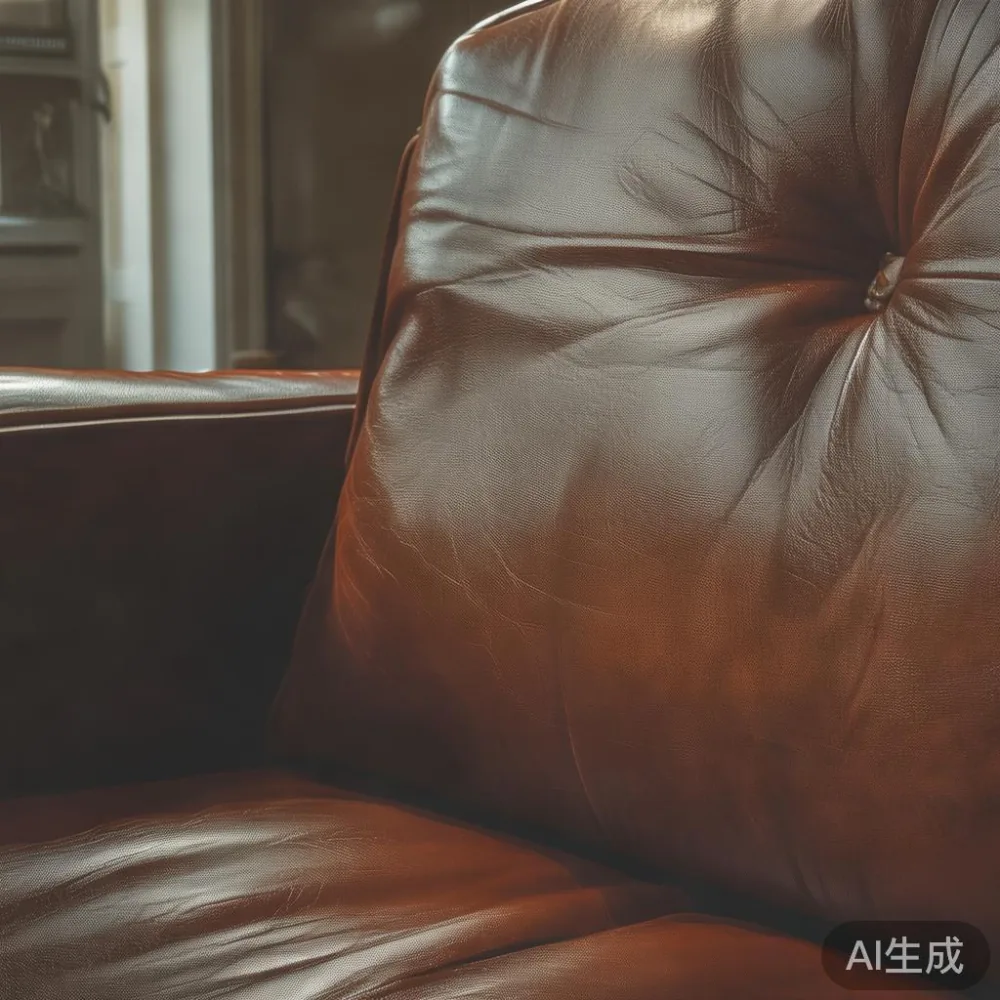
That is why furniture care in Singapore should combine sensible humidity control with product-specific maintenance. A solid wood sofa, bed frame, dining table, wardrobe or nightstand should not be treated like a moisture-proof object, while a leather sofa needs regular cleaning and protection from prolonged dampness. MIDHILL designs solid wood pieces with a 10-year structural warranty and supports long-term care through lifetime refinishing, but owners still need to provide the right indoor conditions.
Why Singapore’s Humidity Changes Wood
Wood is hygroscopic, meaning it naturally absorbs and releases moisture according to the surrounding air. Southeast Asian timber can contain roughly 8% to 12% moisture when properly conditioned for normal use. When relative humidity climbs above 70%, the fibres may take on water and swell. When air-conditioning lowers relative humidity below 40%, they can lose moisture and shrink.
Those movements are measurable. A solid oak dining table might expand by 2 to 4 mm across a 180 cm width after repeated damp-to-dry cycles. A 200 cm wardrobe could show small gaps at its doors, while a bed frame may squeak as the side rails alternately tighten and loosen. Veneer can behave differently from solid timber because thin layers are bonded to a substrate, but the substrate still responds to moisture.
In a typical Tampines HDB flat, the main indoor humidity concern is often the combination of a humid corridor and a heavily air-conditioned living room. Bedroom humidity may stay near 60% because the door is closed while the air conditioner runs, whereas an unventilated balcony can reach 80%. Condo owners have a different challenge: apartment orientation, window shading, dehumidification settings and the amount of outdoor air admitted after heavy rain all affect the daily moisture balance.
A simple digital hygrometer is useful. Place one near the furniture rather than beside a vent or window, and check it at about 8 a.m. and 9 p.m. For most wood furniture, a target of 45% to 60% relative humidity is practical. Aim to keep fluctuations gradual rather than chasing an exact reading every hour.
Can Humidity Damage a Leather Sofa?
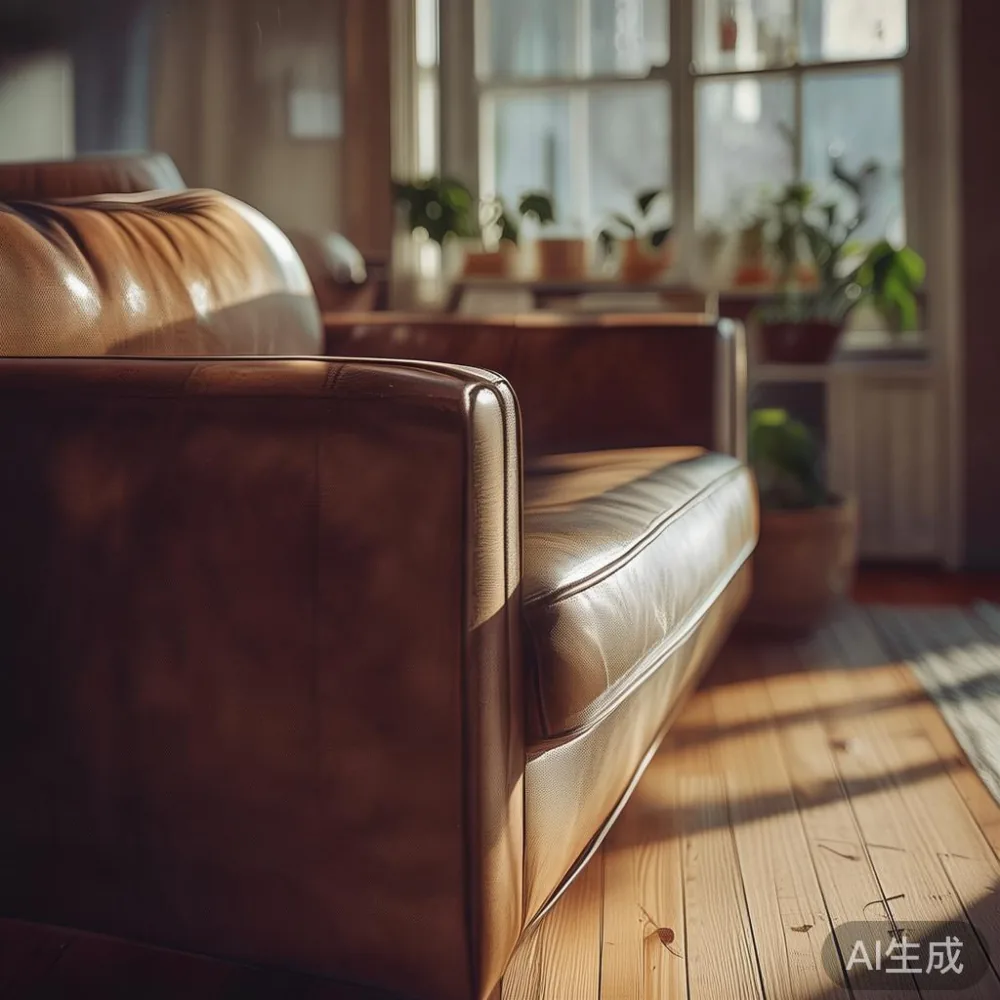
Yes, but the leather, foam and frame should be considered separately. Genuine leather is less porous than many synthetic coverings, yet prolonged high humidity can still affect the finish, stitching and underlying adhesives. If a leather sofa is repeatedly exposed to more than 70% relative humidity, wipe the surface with a dry cloth every 7 to 10 days and inspect the underside of seat cushions every 2 to 3 months.
Look for several warning signs: a musty smell within 24 hours of a rainy day, dampness on the underside of a cushion, bubbling near a bonded seam or black spotting around ventilation holes. Do not use a household bleach spray, carpet cleaner or soaking wet cloth. For a lightly finished leather sofa, use a soft cloth lightly dampened with distilled water, then dry with a clean cotton towel. Keep the leather at least 20 cm away from a floor-level dehumidifier outlet, because concentrated airflow can dry one area too quickly.
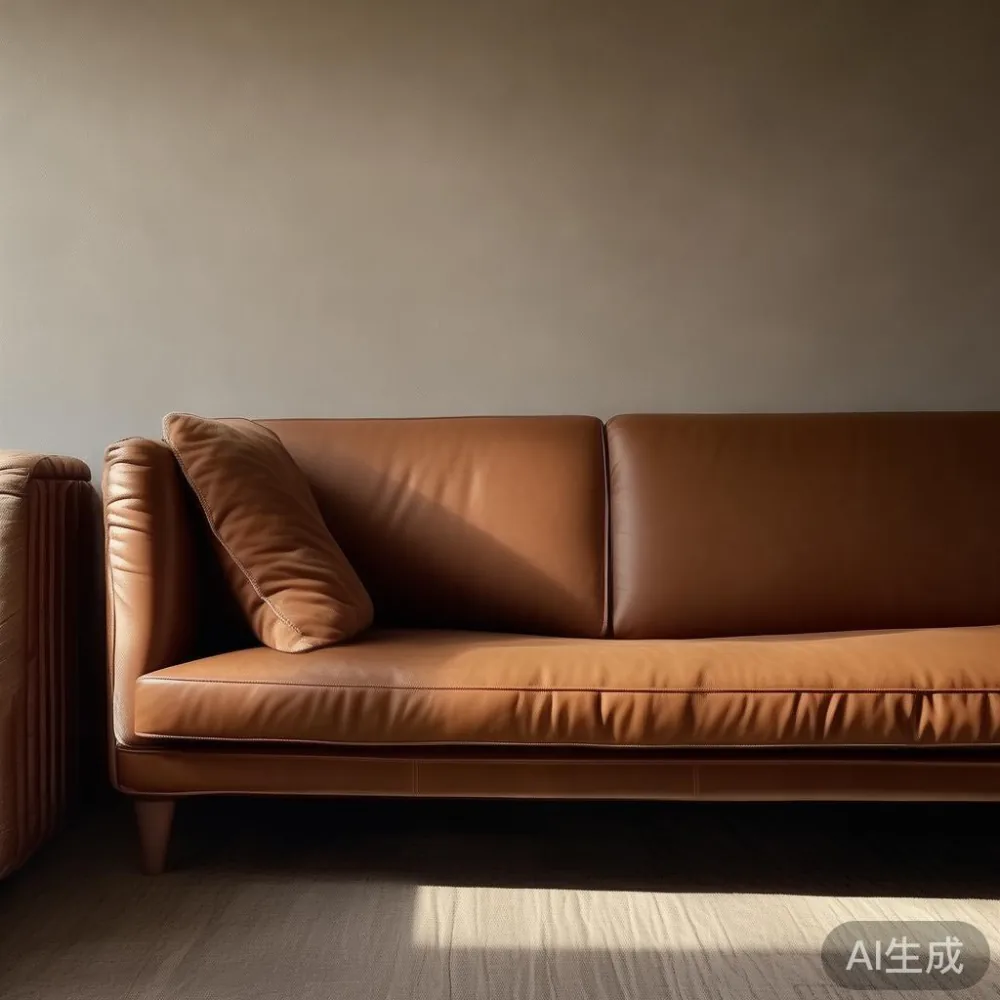
Humidity also affects a solid wood sofa frame. A leather sofa may be upholstered in leather with cushions over a kiln-dried solid wood structure, but the timber still needs air circulation. In a compact HDB living room where the sofa sits against a cold wall, leave a 5 to 8 cm gap behind it where practical. In a Punggol condo with floor-to-ceiling glazing, draw curtains during the brightest afternoon hours and avoid directing heating vents toward the frame.
For buyers comparing shapes and dimensions, a search for the best Scandinavian sofa for 2026 can be useful, but the final choice should fit the room’s ventilation plan as well as its floor plan. A low leather sofa with a slim back may occupy only 88 cm of depth, while a deep lounge model may need 105 cm. Measure the lift opening, corridor turns and stair landing before ordering; a 220 cm sofa may be impossible to manoeuvre even when it fits the living room.
How Much Space Should a Solid Wood Piece Need?
Humidity control works better when furniture is not pressed tightly against walls or built into poorly ventilated recesses. Leave approximately 10 cm behind a wardrobe where possible and 5 cm on each side of a bed frame. A dining table should have at least 75 cm of clear circulation around its chairs. These figures help air move across the furniture and make cleaning easier.
Singapore’s HDB lift and corridor dimensions deserve early attention. Standard internal lift dimensions vary by block, but many measure about 110 cm wide by 140 cm deep, with door openings around 90 cm. A 180 cm dining table cannot turn through a 90 cm opening in its longest orientation. Request the packed carton dimensions, add at least 5 cm clearance on every side and ask whether the table can be disassembled into sections no longer than 90 cm.
For a bed frame, compare the assembled dimensions with the lift’s door opening and the HDB corridor. Mattress sizes are only part of the calculation: a Queen bed frame may measure 155 cm wide and 205 cm long, yet its boxed package can be larger because of protective foam. A King frame can reach 185 cm wide and 215 cm long. MIDHILL can confirm packing details before delivery, and Singapore orders over US$350 qualify for free international shipping under the brand’s stated delivery terms.
Allow 3 to 7 delivery days after the order is ready, subject to stock and final delivery scheduling. GST is added to Singapore purchases at the applicable rate. A 14-day return window gives buyers time to inspect the furniture indoors, although a solid wood piece should not be returned merely because its grain pattern differs from a showroom photograph.
How Do You Prevent Humidity Problems in a Singapore Home?
Begin with the dehumidifier rather than the air conditioner alone. A bedroom dehumidifier rated for a 20 to 30 m² room can maintain a more stable environment during humid nights, but place it in an open area with a clear discharge path. A model rated at 12 litres per day removes substantial water at peak conditions; actual output falls as room humidity falls. Drain the tank every 2 to 3 days or connect it to a continuous hose where permitted.
Run ventilation when outdoor humidity is lower than indoor humidity. On a dry afternoon, opening two windows on opposite sides of a unit can help, but close them before evening rain arrives. A bathroom extractor should run for at least 15 to 20 minutes after a shower, and laundry should not be dried inside a closed living room. Kitchen cooking also adds moisture: use the cooker hood for 10 to 15 minutes after the last dish is prepared.
For a dining table, wipe spills within 5 minutes and use a coaster under a cold glass or wet bowl. For a nightstand, keep 30 cm of space above the surface where possible, especially when the wall contains a water pipe or exterior corner. Move books and electronics that generate heat away from the timber. Avoid hanging cloth over a wardrobe for more than 24 hours because trapped moisture can remain near the top rail.
Refinishing should follow the furniture’s condition, not a fixed calendar. Inspect a dining table every 6 months and a wardrobe every 12 months. Light marks may need only cleaning and wax, while dull areas can be treated with a compatible maintenance product. If the finish has broken down after 5 to 7 years, a full refinishing cycle may be more suitable. Lifetime refinishing through MIDHILL allows customers to maintain the appearance of eligible solid wood furniture over its service life.
What Furniture Finish Works Best in a Humid Climate?
A durable factory finish can slow moisture exchange, but no coating makes wood completely moisture-proof. Water-based polyurethane, conversion varnish and hardwax oil each behave differently. Hardwax oil leaves the grain more visible and may need maintenance every 12 to 24 months in a humid home. Conversion varnish is more demanding to repair at home but can offer a more sealed surface. Water-based coatings are easier to clean and usually have lower solvent odour, yet they still require sensible care.
French light luxury often uses pale oak, walnut accents, tapered forms and restrained brass hardware. These details suit a condo with generous natural light, although white-oak surfaces can show dust and water marks quickly. American light luxury tends toward broader profiles and comfortable upholstery, which works well for a leather sofa. Post-modern light luxury can combine clean geometry with warmer materials, such as a marble table paired with a solid wood dining table.
For a marble table, humidity is less of a structural concern because marble does not swell like timber. Porous marble can still stain if acidic liquids remain on the surface, so wipe them away within 10 minutes. Avoid placing a marble top directly beneath a leak-prone kitchen sink. For dining room planning, one search term is Coastal for dining room, reflecting pale woods, relaxed upholstery and natural textures suited to Singapore’s resort-influenced interiors. Another useful direction is Post-modern for dining room, where sculptural lighting and geometric cabinetry can give an urban flat more character.
Buyers researching modern Modern light luxury furniture may find many contrasting finishes. The practical choice is a finish that can be maintained locally without an elaborate workshop setup. For sale French furniture should always come with clear care instructions, available replacement parts and realistic humidity guidance.
How Do You Keep a Bed Frame and Wardrobe Stable?
A bed frame receives less direct moisture than a wardrobe, but its joints and slats are easy to neglect. Vacuum beneath the frame every 3 months and check the fixing bolts every 12 months. In a humid HDB bedroom, do not dry bedding directly on the timber surface. If the floor feels damp, use a moisture barrier under the bed and maintain at least 12 cm between the frame and the cold wall.
Wardrobes need both moisture control and operating clearance. Check door gaps every 6 months because seasonal movement can make alignment appear uneven. A 240 cm tall wardrobe may show a 2 to 3 mm seasonal gap around its perimeter, while a wider 180 cm model can shift more visibly at the centre. Tightly fitted built-in furniture may need a site inspection because the wall itself can move by a few millimetres.
When comparing options, the best Mid-century modern wardrobe for 2026 should be judged on drawer travel, shelf spacing, hardware finish and room dimensions as well as style. Plan for 60 cm in front of drawers if possible, or at least 45 cm for a compact wardrobe in a small bedroom. Confirm that the lift can accommodate the longest package and that the corridor offers enough turning clearance for the assembled side panels.
MIDHILL’s 10-year structural warranty gives confidence in joinery, subject to normal care and the warranty’s terms. It does not replace sensible humidity management, just as a waterproof cover cannot prevent condensation around a cold floor. Keep warranties, care instructions and order records in a digital file for reference.
What Should You Do Before Buying Large Furniture?
Measure the room twice, then measure the route. Record the lift door width, lift depth, corridor width and the narrowest turn. For a Punggol or Tampines block, also ask the building management whether delivery booking or protective padding is required. A 190 cm marble table may weigh 65 to 95 kg and usually needs at least 3 people to move safely.
Ask the supplier for exact carton dimensions, material specifications and finish care guidance. For a solid wood dining table, check whether the top is solid timber, how the legs are joined and whether small seasonal movement is permitted under the warranty terms. For a leather sofa, confirm whether the leather is genuine, how the cushions are filled and whether individual sections can be removed for cleaning.
Last month I visited a colleague in Bedok with a new leather sofa and a 180 cm MIDHILL dining table in a compact HDB dining area. The dining table was placed 10 cm from a wet-facing wall, while the sofa sat almost against the air-conditioner return. After 2 weeks, the tabletop showed condensation droplets and one sofa cushion felt cool at its lower edge. We moved both pieces 15 cm away, lowered the dehumidifier setting to 55% and wiped the affected area with a dry cloth. The reading stabilised around 56% to 59%, and no new spotting appeared during the following 3 weeks.
That visit reinforced a simple rule: good furniture placement matters. A solid wood sofa, bed frame, dining table, wardrobe, nightstand and marble table can all fit Singapore homes, but each needs clearance from damp walls, direct air outlets and obstructed airflow. Choose the dimensions carefully, keep relative humidity near 45% to 60%, inspect twice a year and use qualified refinishing before small blemishes become permanent.