Preserving the Shine: A Guide to Lacquered Leather Sofa Care in Singapore's Tropical Climate
Living in Singapore, with its year-round high humidity and intense afternoon sun, presents a unique set of challenges for maintaining the pristine condition of fine furniture. For owners of a sophisticated leather sofa, the tropical climate can feel like a constant test of durability. The gleaming lacquered finish that gives a piece its signature look is beautiful but requires specific attention to prevent it from fading, cracking, or losing its lustre. This guide provides practical, actionable advice for preserving your investment, whether you've just brought home a new piece or have enjoyed it for years. We will explore the science behind the damage and walk through a simple, effective care routine.
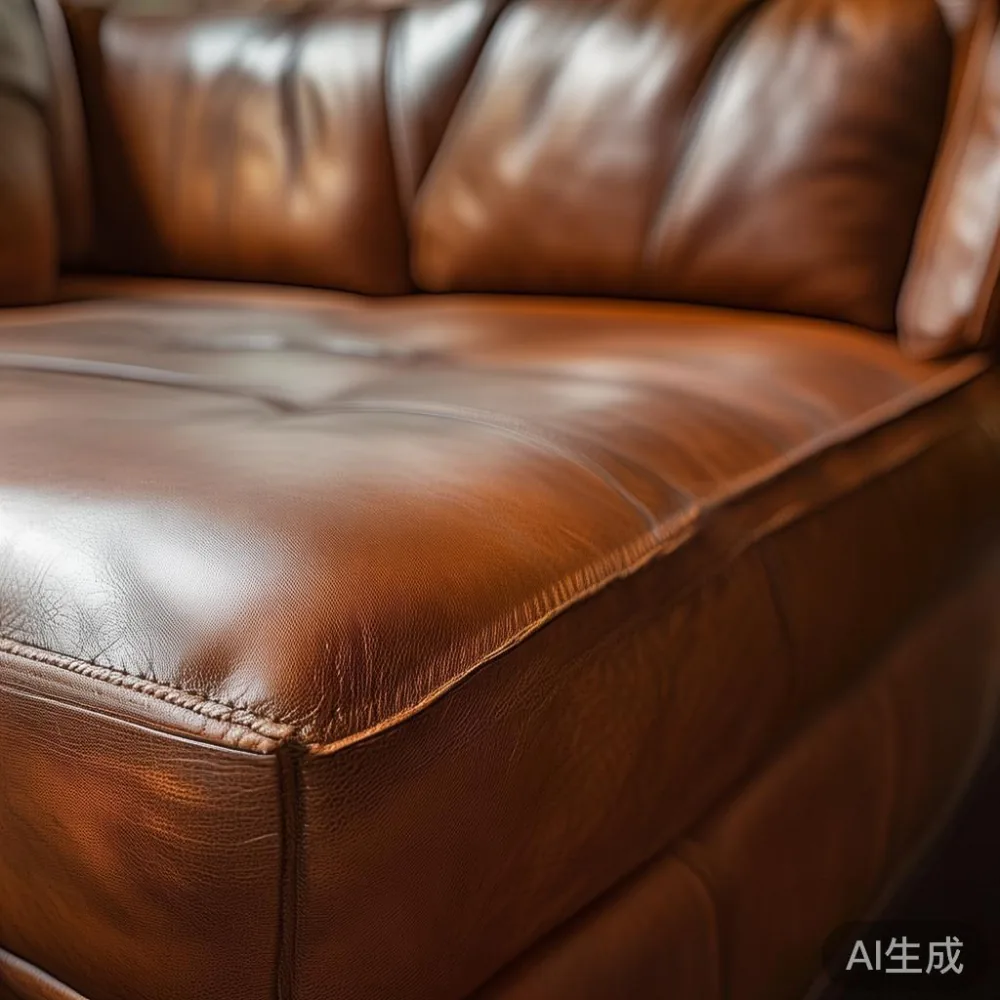
Why Does Singapore's Climate Affect Your Lacquered Leather Sofa?
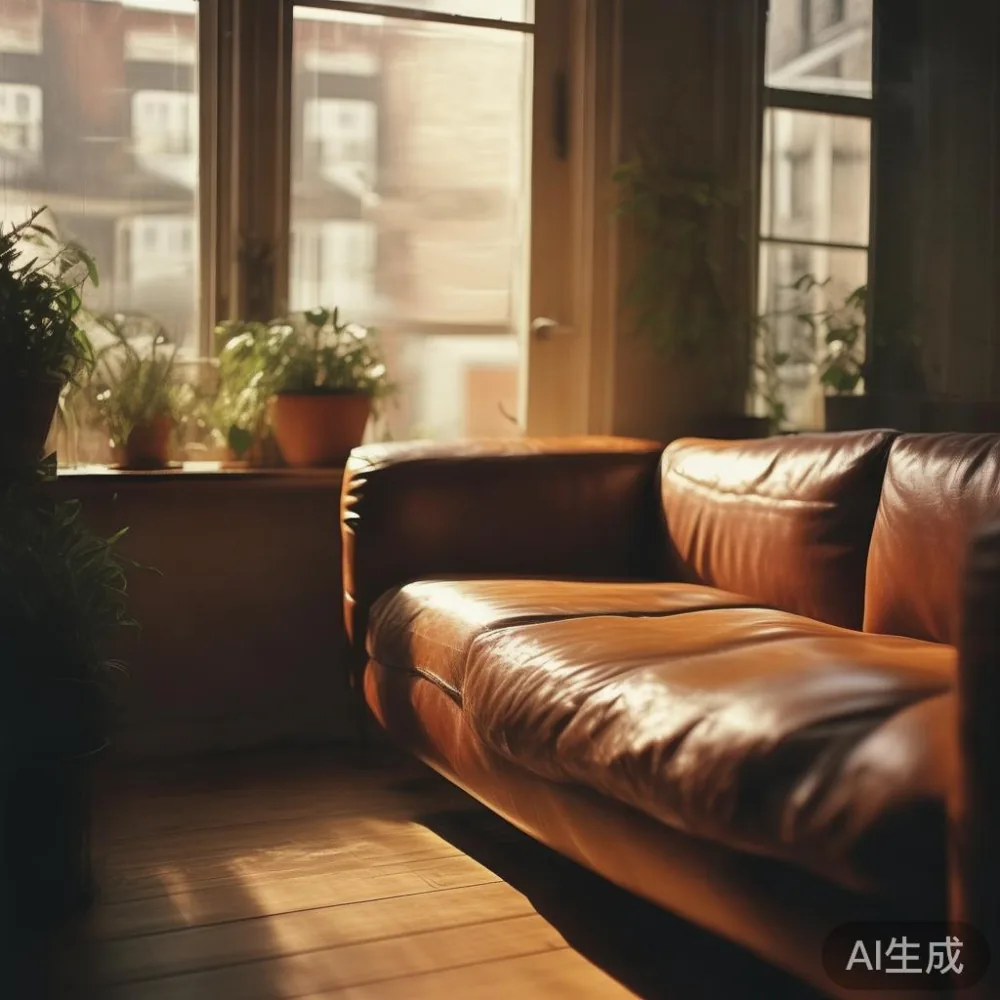
Understanding the enemy is the first step to victory. The primary threats to your leather sofa in a Singaporean HDB flat or condo come from two environmental factors: ultraviolet (UV) radiation from the sun and moisture from the air. Singapore's proximity to the equator means the sun is strong. UV rays are particularly damaging to the organic materials in leather and the lacquer coating that seals it. Over time, exposure to direct sunlight, even through a window, can cause the rich, dark colour of the leather to fade to a lighter, washed-out tan. The lacquer itself can become brittle and yellow, losing its clear, reflective shine. The second factor is humidity. Singapore's average relative humidity hovers around 80%. This constant moisture can seep into the leather, causing it to swell and soften. When the humidity drops, the leather can shrink and tighten, leading to cracking, especially in areas with frequent movement like the arms and headrests. For those living in high-rise apartments in areas like Tampines or Bedok, the large windows that offer fantastic views also expose furniture to these elements, making proactive care a necessity.
What Exactly is a Lacquered Surface and How Does It Differ from Other Finishes?
A lacquered surface is not the same as an aniline or semi-aniline leather finish. To put it simply, think of it as a clear, hard-shell coating applied over the leather. This lacquer is typically a polymer-based varnish that is baked onto the hide at high temperatures. The result is a surface that is exceptionally smooth, non-porous, and highly resistant to stains. It offers a high-gloss, mirror-like finish that is a hallmark of certain French light luxury styles, creating a dramatic and formal look in a living room. This finish is prized for its ability to make colours appear deeper and more vibrant. However, this very strength is also its weakness. The hard, non-porous nature of the lacquer means it does not breathe like untreated leather. Any moisture trapped underneath or the stress from expansion and contraction can cause the finish to crack or peel. Unlike a more porous finish that might show a water stain, a lacquered surface can be permanently damaged by a single, prolonged exposure to a damp cloth if not dried immediately. This makes the cleaning process a delicate balance between removing dirt and avoiding introducing excess moisture.
How Often Should I Actually Clean My Leather Sofa?
This is a question I get asked frequently, and the answer is not a single number. The ideal cleaning frequency depends entirely on your lifestyle and environment. As a general rule, a light dusting with a soft, dry microfiber cloth should be done once a week. This prevents a fine layer of dust from accumulating, which can act like a mild abrasive and dull the lacquer's shine over time. A more thorough cleaning, involving a specialized leather cleaner, should be performed every 3 to 6 months. However, if you have children, pets, or if you live in a ground-floor unit where more dust is tracked in, you might need to increase this to once a month. The key is to be observant. If you see visible dust, smudges, or a slight loss of lustre, it's time for a clean. Remember, preventative maintenance is far easier and less damaging than attempting to restore a neglected finish. For a solid wood sofa or a marble table, dusting frequency is similar, but the cleaning agents used are different and must not be transferred to your leather upholstery.
Step-by-Step Cleaning for Your Lacquered Leather Sofa
Cleaning a lacquered leather sofa is a process of gentle removal, not aggressive scrubbing. Follow these steps carefully to ensure you do more good than harm. First, gather your materials. You will need two soft, clean microfiber cloths—one for cleaning and one for drying. You will also need a pH-neutral leather cleaner specifically formulated for protected or lacquered leather. Avoid any cleaner that contains oils, waxes, or silicone, as these can build up on the surface and create a sticky, cloudy residue. A small, inconspicuous area, such as the underside of a cushion or the back of the sofa, should always be tested first. Apply a tiny amount of the cleaner to this spot and wait for 24 hours to check for any adverse reaction like discolouration or texture change. Assuming the test is successful, proceed.
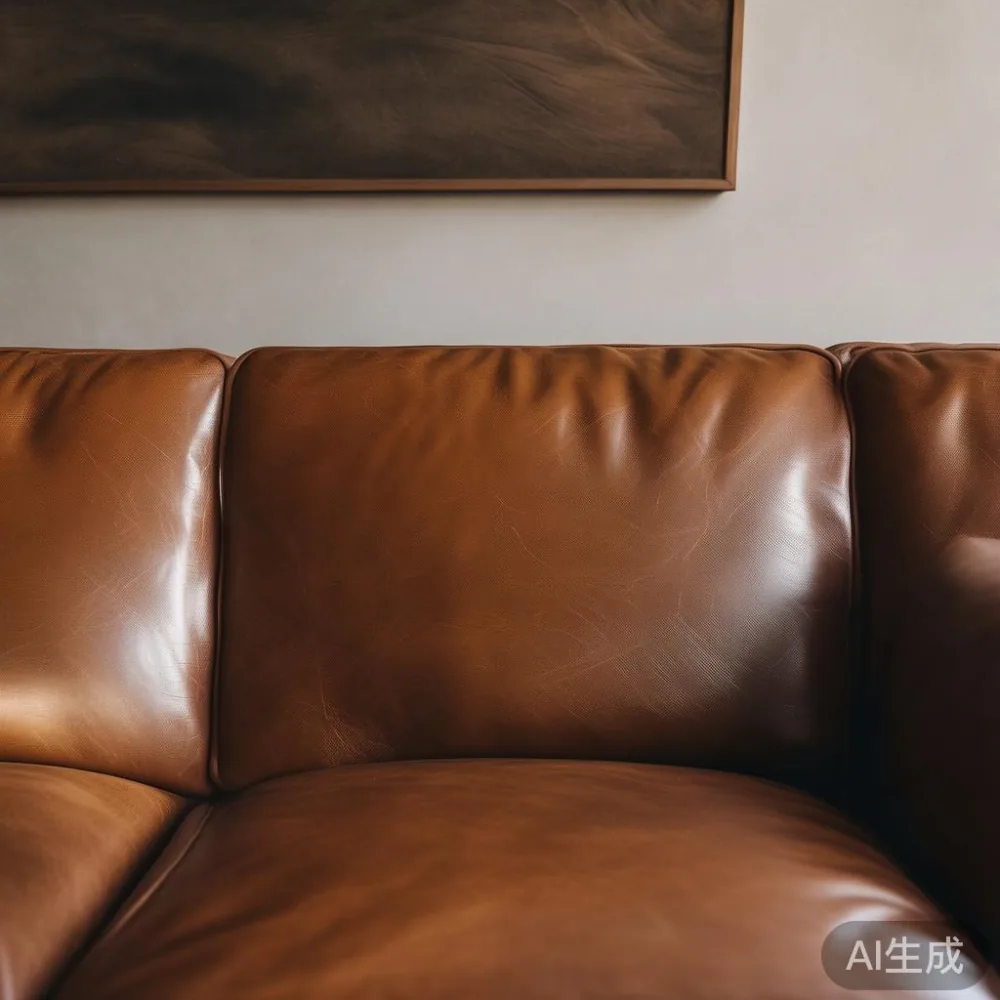
Begin by dusting the entire sofa with your dry microfiber cloth to remove surface dirt. Then, pour a small amount of the cleaner—about the size of a 50-cent coin—onto your cleaning cloth. Never spray the cleaner directly onto the sofa, as this can lead to liquid pooling in the seams. Using a gentle, circular motion, work the cleaner into a small section at a time, perhaps one cushion or one armrest. The goal is to lift the dirt without saturating the leather. Once you have cleaned the entire sofa, take your second, dry microfiber cloth and buff the surface thoroughly. This final step is critical as it removes any residual cleaner and helps restore the high-gloss shine of the lacquer. The process should take no more than 30 minutes for a standard 3-seater sofa and costs less than SGD 30 for a quality cleaner that will last for a year.
Can I Use Household Products to Clean My Leather Sofa?
The short and emphatic answer is no. While the internet is full of DIY cleaning hacks, using common household products on a lacquered leather sofa is one of the fastest ways to ruin it. Products like vinegar, soap, or ammonia-based window cleaners are far too acidic or alkaline for the delicate leather and lacquer finish. They can strip away the protective coating, leaving the raw leather underneath exposed to damage. Windex, for instance, might seem like a good idea for cutting through grease, but its ammonia content will cause the lacquer to become brittle and discolour over time. Similarly, olive oil or other oils are sometimes recommended for feeding the leather, but on a lacquered surface, they will simply create a greasy film that attracts more dust and ruins the beautiful sheen. A colleague of mine learned this the hard way last month when she used a soapy water solution on her new sofa. The result was a permanent dull patch that required professional repair, costing her over SGD 200. Stick to products designed specifically for leather furniture. It is a small investment that protects a much larger one. The same principle applies to a light luxury sofa for the office; the wrong cleaner can damage the professional finish.
Protecting Your Sofa from Sun and Humidity
Cleaning is reactive; protection is proactive. The most effective way to care for your leather sofa in Singapore's climate is to shield it from the elements. Positioning is everything. Avoid placing your sofa directly in front of a window that gets direct sun for a significant part of the day. If your living room layout in your Punggol condo makes this unavoidable, invest in high-quality UV-protective window film. This film can block up to 99% of harmful UV rays without significantly darkening the room, protecting both your leather sofa and your wooden furniture. For humidity control, if you live in a very humid area or ground-floor unit, consider using a dehumidifier. Running a dehumidifier for a few hours in the evening can help maintain a more stable humidity level around 50-60%, which is ideal for leather. This is also good practice for protecting a solid wood bed frame or a light luxury dining table, as wood is also sensitive to moisture fluctuations. Using coasters on any surface, including a MIDHILL coffee table, is another simple habit that prevents moisture rings from forming on both the wood and the lacquer finish of nearby furniture.
What Should I Do About Scratches or Minor Damage?
Even with the best care, accidents can happen. A key scratch, a scuff from a pet's nail, or a small nick can appear. For a lacquered surface, minor scratches can sometimes be buffed out. Start with the least abrasive method. Take a clean, soft cloth and a tiny amount of leather polish designed for lacquered finishes. Gently rub the scratch in a circular motion. The heat and the polish may help fill the micro-abrasions and restore the shine. If this doesn't work, you can try a specialized leather repair kit. These kits often contain a coloured wax or filler that you can apply to the scratch to make it less noticeable. For deeper damage, it is always best to call a professional furniture repair service. Attempting to fix a significant crack or peeling lacquer yourself often leads to a worse result. A professional can assess the damage and use specialized tools and materials to refinish the affected area, blending it smoothly with the surrounding surface. This level of repair is a proof of the skill of a craftsman and is far superior to a DIY fix. Remember, a well-maintained leather sofa is a long-term investment, and professional care is part of preserving its value.
Is Professional Restoration Worth the Cost for an Older Leather Sofa?
For those who own an older, high-quality leather sofa, professional restoration can be a worthwhile consideration. As a furniture specialist, I have seen many pieces brought back to life through expert refinishing. The process involves stripping the old, worn lacquer, repairing any damage to the leather underneath, and applying a new, high-quality lacquer finish. This service is not inexpensive; a full restoration for a large 3-seater sofa can cost anywhere from SGD 800 to SGD 2,000, depending on the extent of the damage and the company you hire. However, when you compare this cost to the price of a new, comparable leather sofa—which can easily exceed SGD 5,000 for a well-crafted piece—restoration becomes a very economical option. It also has the added benefit of sentimental value; restoring a piece that has been in the family for years is something that money cannot buy. If you are considering a new piece, perhaps a designer Mid-century modern furniture set for your new home, restoring an older sofa to complement it can create a stunning, eclectic look. The key is to have the piece assessed by a reputable restorer to ensure it is worth the investment.
Ultimately, caring for a lacquered leather sofa in a tropical climate is about consistent, gentle care and smart environmental management. By understanding the specific challenges posed by Singapore's humidity and sun, you can take the necessary steps to protect your furniture. Regular dusting, periodic cleaning with the right products, and strategic placement in your home will go a long way in preserving the sofa's beauty for years to come. Whether you are furnishing a new HDB flat in Bedok or a luxurious condo in Tampines, a well-cared-for leather sofa remains a timeless and elegant centrepiece for any living space.