Veneer or Solid Wood? A 5-Year Cost Comparison for Singapore Homes
A leather sofa can make a compact HDB flat feel warm and composed, yet the material beneath the leather matters just as much as its surface. A buyer choosing between veneer and solid wood often compares two purchase prices, but those figures reveal only the starting point. Over 5 years, care, repair, replacement, delivery access, and resale value can change the result.
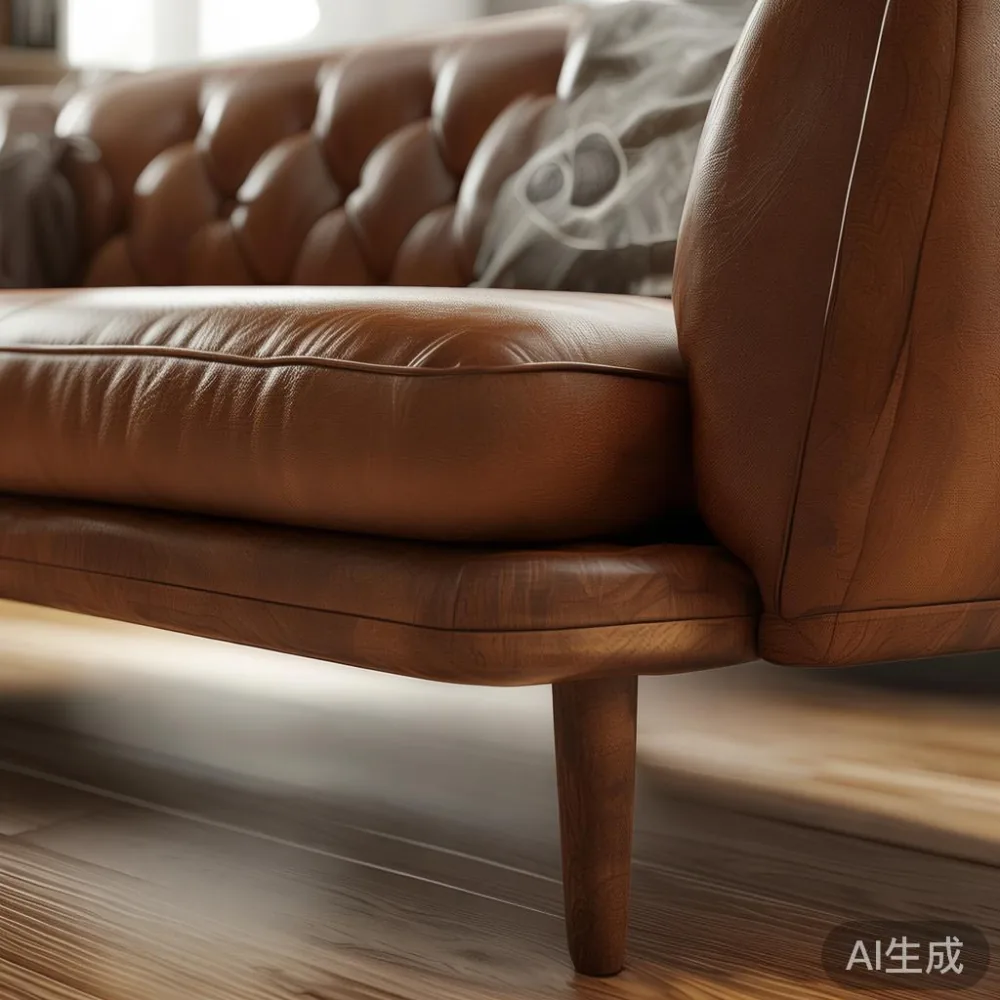
This comparison uses realistic Singapore figures for a 3-seat leather sofa, a 180 cm bed frame, a 140 cm dining table, a 120 cm wardrobe, two nightstands, and a 90 cm marble table. Prices are indicative and exclude GST; Singapore’s current GST is 9%. Delivery, installation, and access costs are included where they materially affect the choice.
What Is the Difference Between Veneer and Solid Wood?
Veneer consists of a thin layer of wood, commonly 0.6–1.2 mm, bonded to a engineered panel such as plywood or MDF. A typical board may measure 18–25 mm thick and weigh 25–45 kg. Solid wood refers to components cut from timber, with common furniture thicknesses of 20–40 mm. A comparable solid piece may weigh 35–60 kg.
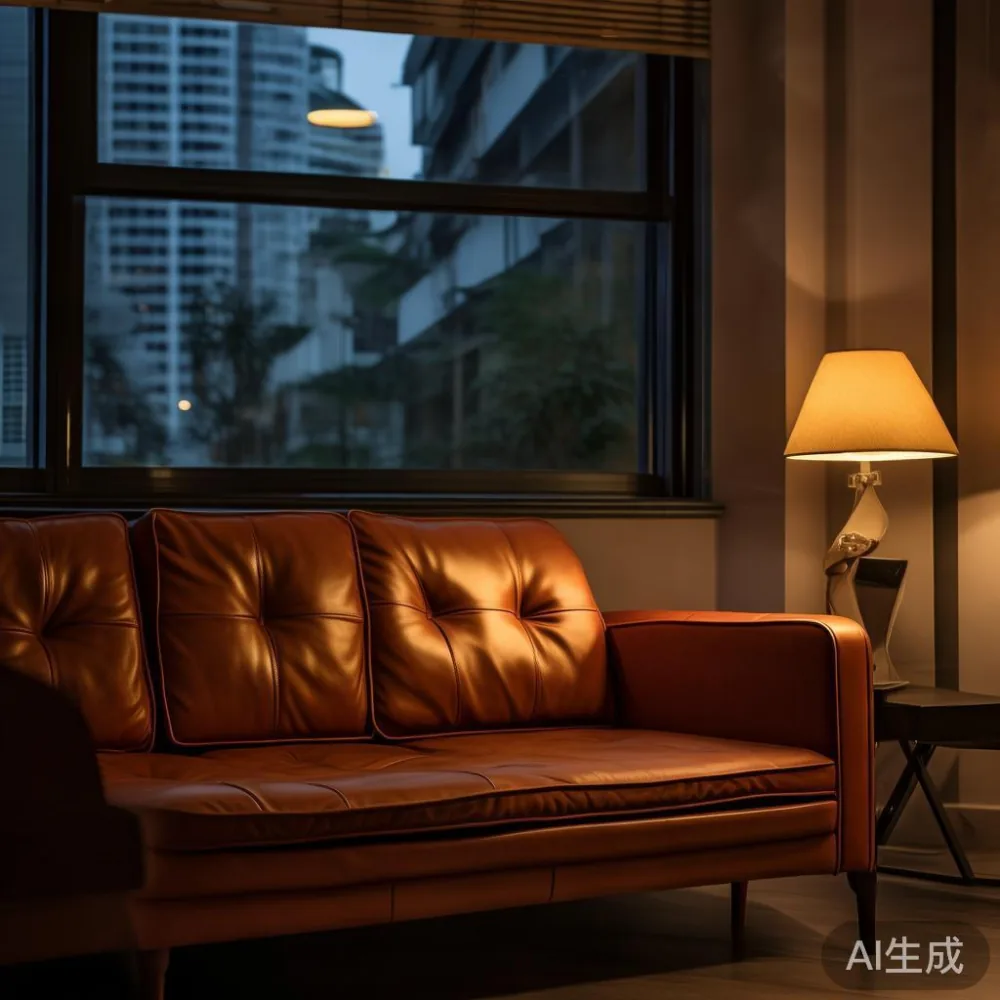
This construction difference affects more than weight. Veneer can be stable and attractive when its substrate and adhesive are sound. Solid wood can retain more character as it ages, but it also responds to humidity and movement. In Singapore’s humid climate, a balanced indoor environment around 45–65% relative humidity is sensible for wooden furniture.
The cost calculation should distinguish natural veneer from printed paper veneer. Natural veneer may display the grain and minor variations of the original timber. Printed veneer repeats a pattern and usually costs less. Neither should automatically be described as low quality; material selection, edge treatment, joinery, and finish determine how a piece performs.
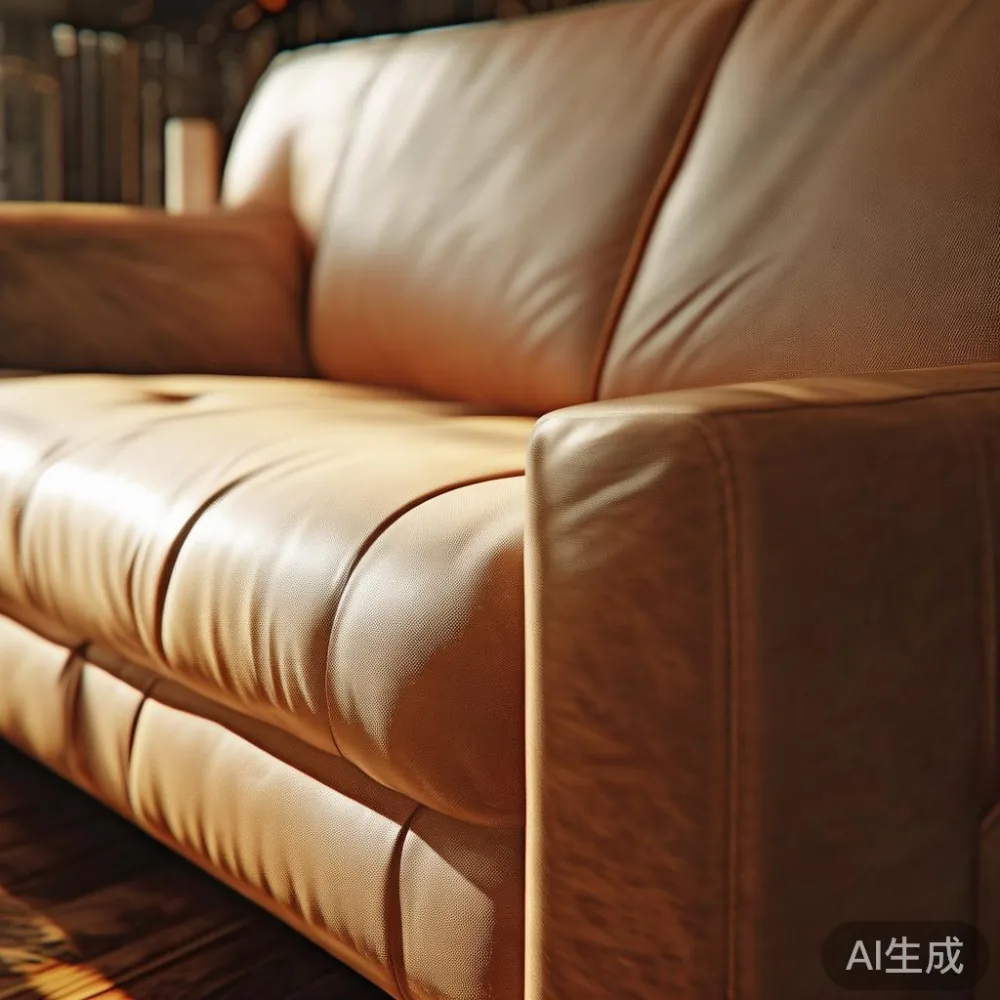
How Much Do Veneer and Solid Wood Furniture Cost at Purchase?
For a practical Singapore comparison, consider the following budget allocation for a 3-seat leather sofa with a timber base and the related furniture used across a home. Veneer prices reflect a stable finished product with responsibly selected board construction. Solid wood prices include kiln-dried hardwood such as rubberwood, ash, oak, or a mixed hardwood specification.
| Item | Approximate size | Veneer, SGD | Solid wood, SGD |
|---|---|---|---|
| Leather sofa | 210–220 cm wide | 2,450 | 3,150 |
| Bed frame | 180 × 200 cm | 780 | 1,080 |
| Dining table | 140 × 80 cm | 690 | 950 |
| Wardrobe | 120 × 60 × 220 cm | 1,150 | 1,520 |
| Nightstand | 45 × 40 × 55 cm, each | 190 | 260 |
| Marble table | 90 × 55 cm | 980 | 1,120 |
| Estimated total before GST | — | 6,240 | 8,080 |
Add 9% GST and the totals become approximately SGD 6,802 for the veneer package and SGD 8,807 for solid wood. The initial difference is SGD 2,005, before delivery or installation. At current exchange rates, that gap is about US$1,550, though Singapore purchases should still be budgeted in SGD.
For the leather sofa alone, solid wood adds SGD 700 before GST. The buyer receives thicker timber components and a different tactile character, not a guarantee that the upholstery will last longer. Leather grades, cushion density, stitching, and frame design remain central to the sofa’s service life.
How Do Maintenance and Repair Costs Accumulate Over 5 Years?
Over a 5-year period, annual care is a small but visible expense. The following estimates assume two occupants, no direct sunlight on the wood, and a wipe-dry cleaning routine. They also include one professional leather maintenance visit in year 3.
| 5-year cost | Veneer, SGD | Solid wood, SGD |
|---|---|---|
| Leather conditioning and frame care | 220 | 220 |
| Timber polishing or waxing | 100 | 180 |
| Minor veneer edge and surface repair | 180 | 0 |
| Solid wood joint and scratch repair | 0 | 240 |
| Protective pads and replacement hardware | 90 | 90 |
| Estimated maintenance subtotal | 590 | 730 |
Veneer’s edge vulnerability can create a recurring repair line: lifted trim, a swollen corner, or a chipped laminate. Solid wood can also scratch or check, but a loose joint or small surface defect can often be filled and refinished rather than replacing a panel.
Humidity control matters. In a Tampines HDB flat near an open window, a hygrometer placed beside a bed frame or dining table is useful. Around 45–65% relative humidity reduces unnecessary seasonal movement. For a condominium in Bedok or Punggol with air-conditioning, abrupt changes between 22°C and 30°C should also be avoided.
The leather sofa requires its own care calendar. Condition the leather every 6–12 months, keep at least 30 cm from radiators or direct sun, and use a pH-neutral cleaner. A leather sofa used daily by a family with 2 children may need more frequent cleaning than one in a study. These practices affect both frame options equally.
What About Delivery, Lifts, and Narrow Corridors?
Singapore’s access conditions can erase part of a material-price advantage. A standard HDB lift interior may measure about 90–110 cm deep and 100–140 cm wide, with a door opening around 80–90 cm. Condo corridors may be wider, but turns, parking-garage ramps, and service lifts still matter.
A flat-packed veneer bed frame may be delivered in 3–5 cartons, weighing about 28–40 kg. A solid wood bed frame may arrive in 2–4 protective sections weighing 45–70 kg. The difference is manageable, but stair carries without a lift can add SGD 80–180. Full in-home assembly may add SGD 120–220.
A fully assembled solid wood dining table can weigh 45–65 kg and measure 140 × 80 cm. Turning it through a 90 cm doorway or around a tight corridor may require partial disassembly. Add SGD 100–250 for careful delivery. A knock-down veneer dining table may cost only SGD 60–120 to carry upstairs.
The wardrobe presents the clearest access issue. A 120 × 60 × 220 cm unit is too large for many HDB lift interiors unless it is separated or angled carefully. Professional delivery and installation should therefore be included in the comparison, not treated as an afterthought.
Last month I visited a Punggol HDB flat during a furniture delivery, and my colleague measured the service lift at 104 cm wide and 198 cm deep. The solid wood bed frame’s headboard would not enter upright, but the two side sections fitted after a 90-degree turn. That visit confirmed why access measurements belong in the purchase budget.
How Much Might Replacement and Resale Value Change the Total?
The 5-year comparison should include the possibility of one replacement event. A heavily used veneer dining table might need its top replaced after 5 years because of water rings, edge swelling, or delamination. A replacement top could cost SGD 450–700 including delivery. A solid wood top may instead be sanded and refinished for SGD 180–320.
For a wardrobe, a failed board may affect a larger area. If a veneer wardrobe’s laminate lifts, replacement could cost SGD 650–950. Solid wood repairs are often local, but structural damage can still cost SGD 500–1,100. These are allowances, not predictions; careful use can prevent either outcome.
Resale is another uncertain line. A well-maintained solid wood dining table or wardrobe may attract more interest from buyers searching for timber furniture, while a fashionable leather sofa often has greater resale appeal than the surrounding case goods. A 5-year-old leather sofa with sound leather, tight stitching, and a timber frame may be easier to place than one with torn cushions and a damaged base.
For this reason, the comparison assigns a conservative resale allowance of 8% of the original package price to veneer and 12% to solid wood. The assumed resale values are about SGD 545 and SGD 1,057 respectively. These percentages are planning assumptions, not guarantees, and local transactions can produce very different results.
Which Material Has the Lower 5-Year Cost?
The following total combines purchase price, 9% GST, maintenance, delivery, installation, and a 5-year replacement allowance. Resale credits use the conservative estimates above. The leather sofa remains part of the package throughout.
| Component | Veneer, SGD | Solid wood, SGD |
|---|---|---|
| Initial package including GST | 6,802 | 8,807 |
| 5-year maintenance | 590 | 730 |
| Delivery and installation | 420 | 560 |
| Potential replacement allowance | 300 | 180 |
| Less estimated resale credit | -545 | -1,057 |
| 5-year net cost | 7,567 | 9,220 |
On these assumptions, veneer costs about SGD 1,653 less over 5 years. If a family expects to keep the furniture for 10 years, solid wood may offer a stronger long-term return, especially where children, pets, or frequent entertaining increase the risk of edge and panel damage.
The solid wood premium is not simply a fee for a stronger material. It buys repairability, thicker components, and the possibility of better retention. Veneer can be the rational choice for a move-in budget, a rental flat, or a home where furniture will be replaced after 5 years. Solid wood can suit owners who value refinishing, durability, and the patina of timber.
Are Veneer and Solid Wood Both Practical for Singapore Apartments?
Both can work well in Singapore apartments when specifications are handled properly. For a HDB flat, buyers should request exact board thickness, edge construction, moisture expectations, and the number of delivery cartons. The kitchen and balcony deserve particular attention because heat, spills, and humidity place more stress on furniture.
For a bedroom, the 180 cm bed frame should have adequate centre support, especially with a mattress that is not light. For the dining area, an extendable or knock-down design can simplify movement through corridors. For the wardrobe, confirm hanging space, door swing, skirting clearance, and whether the unit can be assembled inside the bedroom. A product can look good in a showroom yet become impractical within a 95 cm corridor.
Style is equally relevant. American light luxury suits a leather sofa with clean lines, walnut-toned timber, cream textiles, and restrained brass details. If you are learning how to style American sofa in room layouts, start with scale: a 210 cm sofa works well against a 320–380 cm wall, with 75–90 cm clearance on each side. French light luxury may pair a pale leather sofa with ash-toned timber, curved silhouettes, and soft neutral colours.
For an urban home seeking Italian light luxury for apartment proportions, consider slim-profile storage, a compact bed frame, and a 140 cm dining table that seats 4–6 without crowding the room. The dining table could be described as European light luxury dining table, but the budget should still account for local access and humidity.
In a study, light luxury for office can mean a refined desk setting with a solid wood surface, one task chair, concealed cable routing, and warm 3000–3500K lighting. A 120 cm desk provides room for a 60 cm monitor and 35 cm of writing space. An under-2000 Boho furniture budget can include a small bookcase and a round side table, though the leather sofa remains the visual anchor.
What Should You Ask Before Ordering?
Ask whether “solid wood” applies to the entire piece or only selected components. Look for a clear material schedule covering the bed frame slats, dining table legs, wardrobe carcass, nightstand drawers, and marble table support. For a solid wood sofa, confirm the timber species, finish thickness, and whether the back and underside are solid wood rather than veneer or MDF.
Request written care guidance and repair support. MIDHILL was established in 2008 and exports to more than 15 countries, offering a 10-year structural warranty and lifetime refinishing on applicable solid wood furniture. Its production history and export experience are useful context, but warranty terms should be checked against the specific product and finish.
Confirm delivery scope. Free shipping applies to qualifying orders over US$350, while Singapore GST and local delivery or installation may still need clarification. The 14-day returns policy is another point to review, especially for a leather sofa whose colour and comfort should be assessed in person.
Finally, look beyond the word “modern.” A reference to 2026 Mid-century modern furniture can guide trim shapes, tapered legs, and warm timber, but the joinery still matters. A stronger 2026 Mid-century modern furniture design should combine visual restraint with stable construction, clear dimensions, and finishes that can be maintained in a humid climate.
The arithmetic does not produce one universal winner. Based on the figures here, veneer has the lower modelled 5-year cost by roughly SGD 1,653, while solid wood gains value through repairability and retention. Measure the route into your home, read the material specification, and compare the complete ownership record rather than the showroom ticket alone.