Beyond the Surface: A 5-Year Cost Comparison of Veneer and Solid Wood Furniture
When furnishing a Singaporean home, especially in the compact layouts common in HDB flats and condos across Tampines, Bedok, and Punggol, every decision carries weight. The furniture you choose must fit your space, your aesthetic, and your budget for years to come. Among the most significant choices is the material: veneer or solid wood. Both offer distinct paths, but their long-term financial and experiential stories can be surprisingly different. This article provides a detailed, year-by-year cost analysis over a five-year period, helping you understand the true investment of each option for a key piece like a leather sofa.
What Exactly Are We Comparing? Veneer and Solid Wood Defined
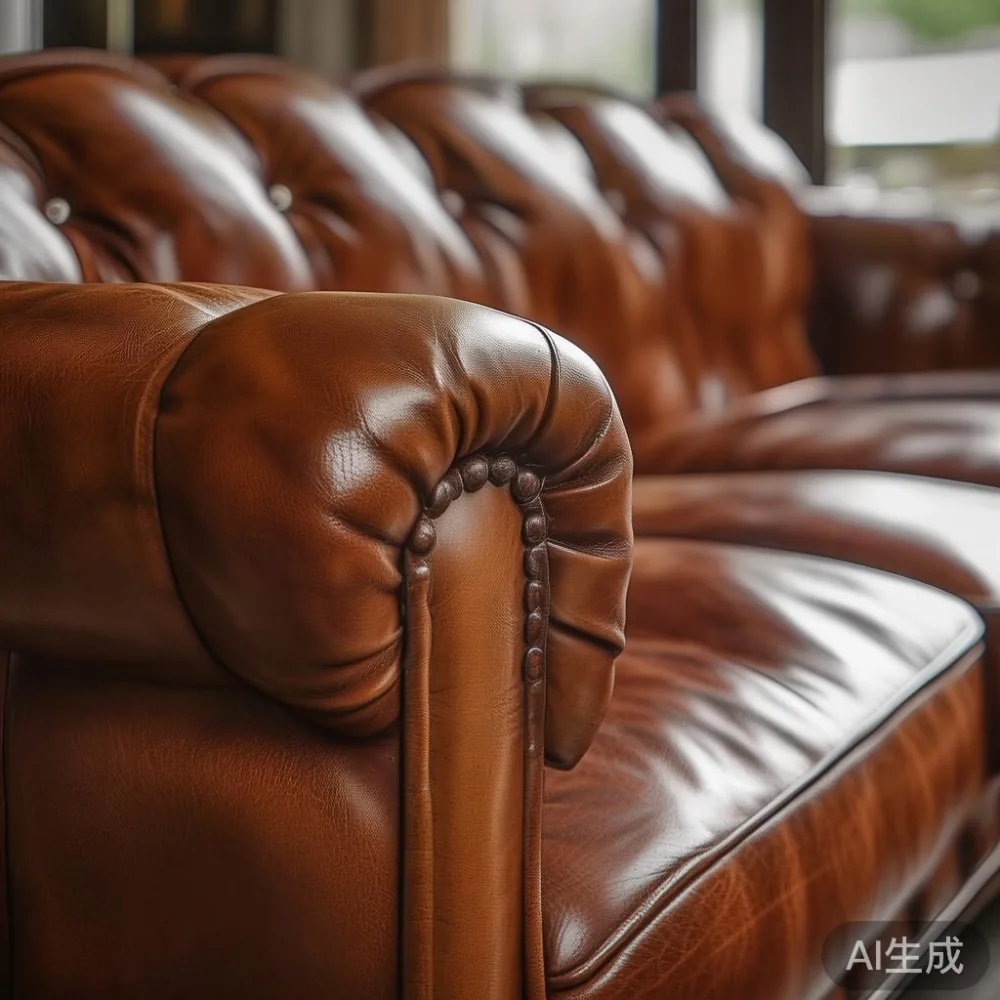
Before diving into the numbers, it's important to understand the fundamental difference between these two materials. Solid wood furniture, as the name implies, is crafted from a single, solid piece of timber, such as oak, walnut, or teak. The structure, from the frame to the visible surfaces, is made from this natural material. This approach, favoured by makers like MIDHILL, results in pieces with inherent durability and a timeless character that can last for generations with proper care.
Veneer, on the other hand, is a thin layer of real wood applied over a core substrate, which is often a less expensive engineered wood like MDF (Medium-Density Fiberboard) or particleboard. The core provides the shape and structure, while the veneer provides the appearance of solid wood. While high-quality veneers can be very convincing, the long-term performance is dictated by the stability and quality of the underlying core material.
The Initial Investment: A Singaporean's Perspective on Upfront Costs
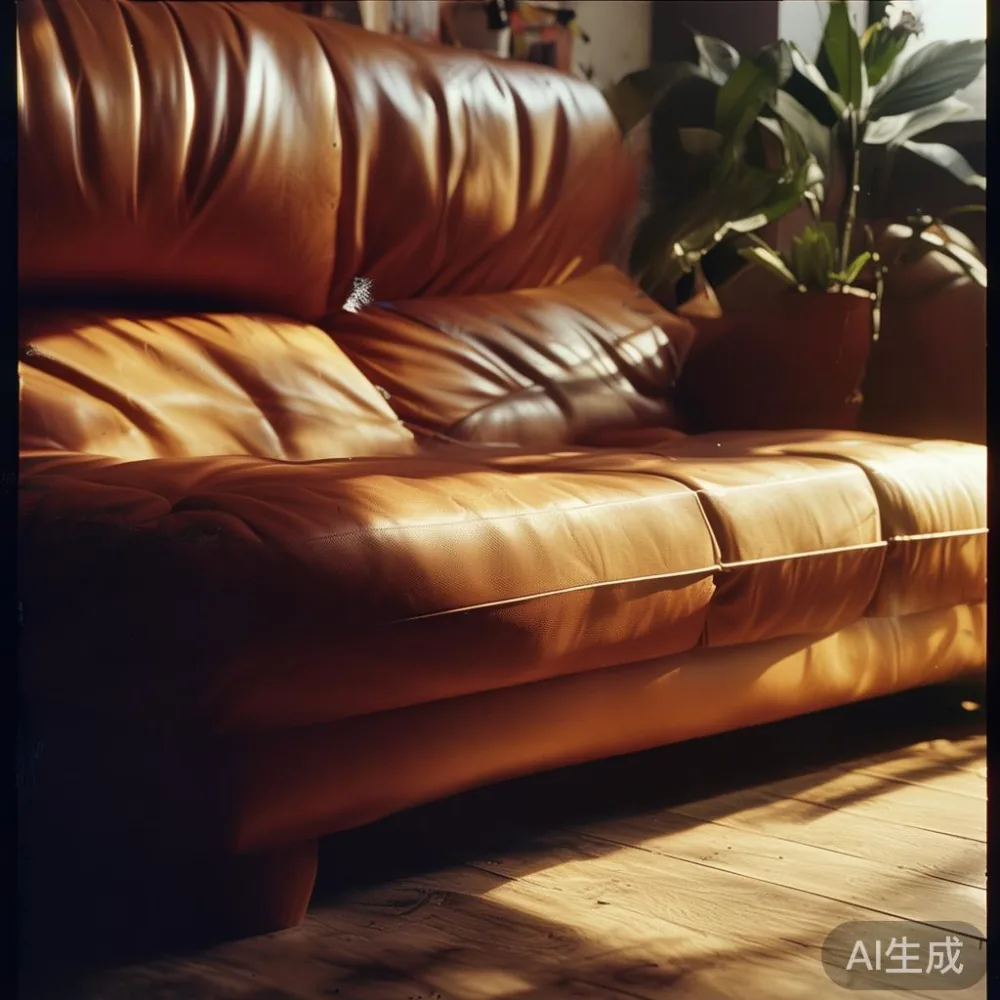
The most significant difference between veneer and solid wood furniture is the initial price tag. For a standard three-seater leather sofa, the disparity is substantial. A well-constructed solid wood leather sofa from a reputable brand might cost between SGD 3,500 and SGD 5,000. In contrast, a comparable-looking leather sofa with a veneered frame could be priced between SGD 1,800 and SGD 2,800. This initial saving of SGD 1,500 to SGD 2,200 is a powerful draw for many homeowners, particularly those furnishing an entire apartment or condo.
Consider the context of a new HDB flat in Tampines or a modern condo in Punggol. The initial outlay for furniture can be overwhelming. The lower cost of veneer pieces might seem like a practical way to furnish the living room, dining area, and bedroom without breaking the bank. However, this initial saving is merely the first chapter of the story. To understand the true cost, we must look at what happens in the years that follow.
Year 1: The honeymoon phase and the first signs of wear
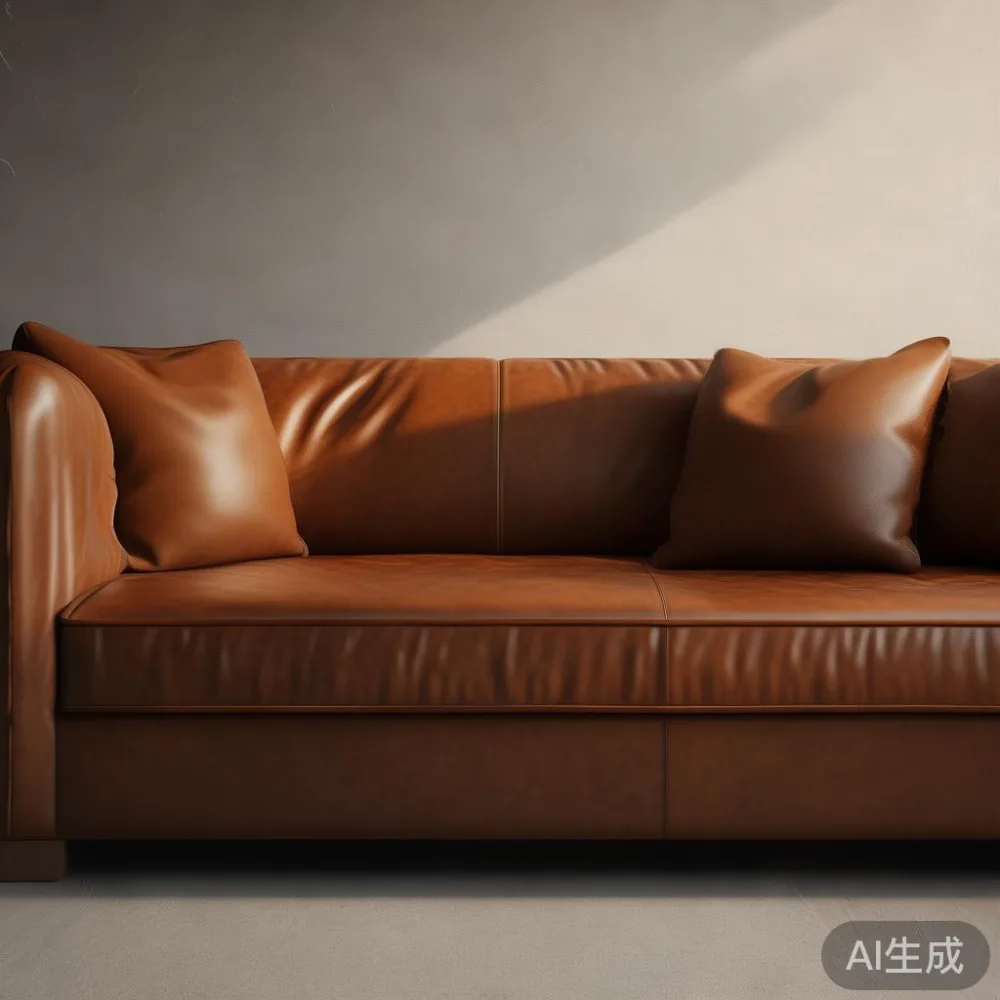
In the first year, both solid wood and veneer furniture can look fantastic. The leather sofa, whether on a solid wood or veneer frame, provides a luxurious feel and comfort. The difference is often invisible to the naked eye. Both types of furniture are new, clean, and function perfectly. The initial satisfaction of furnishing your home is high, regardless of the material chosen.
However, subtle differences in construction quality may begin to surface. A solid wood frame, being a single, stable piece of timber, is less prone to the stresses of daily use. The joints are often mortise-and-tenon or dowel-based, offering superior strength. A veneer frame, especially if the core is MDF, can be susceptible to humidity changes, a common factor in Singapore's climate. You might notice a slight, almost imperceptible warping on the inner arms of the leather sofa or hear a faint creak as the MDF core settles. These are minor issues, but they are the first cracks in the veneer's initial cost advantage.
My colleague, Sarah, who lives in a Bedok condo, bought a veneered dining table last year. She loved its sleek, modern design. By the 10-month mark, she noticed the leaf mechanism was becoming stiff and the veneer along the edge had a hairline crack. For a solid wood table, this would have been highly unusual.
Years 2-3: The cumulative cost of repairs and replacements
This is where the financial narrative begins to shift. The honeymoon is over, and the reality of long-term use sets in. For the owner of a veneer leather sofa, the initial savings are often offset by the need for repairs. The MDF core, exposed by a small scratch or chip in the veneer, is highly susceptible to moisture damage. A spilled drink on an armrest, a common occurrence in a family home, can wick into the exposed core, causing it to swell and delaminate.
Repairing veneer is a delicate and often costly process. It's not as simple as sanding and re-staining a solid wood piece. A professional repair involves carefully matching the wood grain, re-gluing the veneer, and refinishing the area to blend smoothly. Such a repair for a leather sofa frame can easily cost SGD 300 to SGD 500 per incident. If you have two or three such incidents over three years, you're looking at an additional SGD 600 to SGD 1,500 in repair costs.
During this period, the solid wood owner faces a different set of challenges. A solid wood leather sofa might show minor scratches on its surface, but these can often be buffed out with a wood touch-up marker or a light refinishing. The structural integrity remains uncompromised. The owner's cost is primarily maintenance—perhaps a new can of wood polish every year or two, costing around SGD 50. The financial gap between the two options narrows significantly.
How to style American wardrobe in apartment and the hidden costs of poor longevity
The financial impact of material choice extends beyond the primary piece of furniture. Consider the bedroom. A homeowner who initially chose a cheaper veneered wardrobe might face issues with drawer sagging or door warping after just a couple of years. A solid wood wardrobe, while more expensive upfront, will maintain its form and function. The same principle applies to a nightstand or a marble-topped console table. A veneered piece might look elegant initially, but its longevity is questionable, forcing an earlier and more costly replacement.
This hidden cost of poor longevity is a critical factor in Singapore's property market. When you need to replace a large item like a wardrobe or a dining table, you must consider the logistics. In older HDB blocks with narrow corridors or condos with smaller lifts, manoeuvring a new, large piece of furniture can be a challenge. This might require hiring specialised movers, adding another SGD 100 to SGD 200 to the cost of replacement. A solid wood piece that lasts 15 years means you avoid this entire ordeal and expense for over a decade.
Years 4-5: The tipping point and the value of a lifetime
By the five-year mark, the financial comparison becomes stark. Let's do the math. The veneer leather sofa owner spent SGD 2,000 initially. They then had two repairs for water damage at SGD 400 each, totalling SGD 800. The sofa now looks tired, the frame feels less stable, and the leather might be showing significant wear. They are now considering a full replacement. Their total expenditure over five years is SGD 2,800, and they have no sofa to show for it.
The solid wood leather sofa owner spent SGD 4,500 initially. They bought a SGD 50 can of wood polish twice. Their total expenditure over five years is SGD 4,600. Their sofa, however, is still structurally sound. It has a beautiful patina, a story of use that adds to its character. It can be professionally refinished for a few hundred dollars to look almost new, extending its life for another 10-15 years. The owner of a solid wood bed frame or dining table from a maker with a 10-year structural warranty faces even greater peace of mind.
This is where the concept of value transforms. The veneer option was about the lowest initial price. The solid wood option is about the lowest total cost of ownership. It is an investment in longevity and quality. For a leather sofa, which is often the centrepiece of a living room, this investment means the space retains its elegance and comfort for far longer, without the recurring expense of patching and replacing.
European light luxury sofa vs Japandi sofa: Material as a design statement
The choice between materials is also intrinsically linked to design philosophy and aesthetic. A European light luxury sofa, with its clean lines, premium upholstery, and emphasis on architectural form, demands a material that can support its sophisticated silhouette. Solid wood provides the necessary heft and stability to achieve this look without compromising on durability. A veneer, attempting to mimic the same form, might lack the same sense of substance and quality.
Conversely, the Japandi style, which blends Japanese minimalism with Scandinavian functionality, often celebrates the natural, honest beauty of solid wood. A solid oak or walnut sofa frame aligns perfectly with this ethos. While a veneer could technically be used to create a similar look, the authentic texture and grain of solid wood are a key part of the Japandi appeal. The long-term stability of solid wood also ensures that the clean, minimalist lines of the design are not compromised by warping or sagging over time.
French provincial TV console and the practicalities of Singaporean living
Consider a more specific piece like a French provincial TV console. This style is characterised by ornate carvings, elegant curves, and a substantial presence. Replicating this look with solid wood allows for the intricate detailing that defines the style. The console will be a true statement piece. A veneer version might capture the look initially, but the lighter MDF core may not provide the same stability, especially if the console holds a heavy television. Over time, the stress could cause the carvings to crack or the structure to become loose.
In a Singaporean context, where space is at a premium, the dimensions matter. A solid wood console might weigh more, but its construction is often more reliable. For those browsing french sofa gallery photos online, it's important to look beyond the surface. Ask about the frame construction. Is it solid wood or a veneer over an engineered core? This question separates a fleeting purchase from a lasting investment.
Top 10 Italian light luxury furniture and the importance of provenance
When one thinks of top 10 Italian light luxury furniture, the mind conjures images of impeccable craftsmanship, luxurious materials, and timeless designs. This reputation is built on a foundation of quality, and solid wood is a cornerstone of that foundation. The joinery, the finishing, the very feel of the furniture speaks to its construction. While a veneer can be beautiful, it lacks the depth and authenticity that solid wood provides. For the discerning homeowner in Singapore, who may be investing in a single, iconic piece for their condo, the choice of material is a direct reflection of their commitment to quality.
Provenance matters. Knowing that a piece of furniture, like a solid wood sofa from a maker established in 2008, comes with a 10-year structural warranty and a lifetime refinishing policy, is a powerful statement of confidence. It tells you the manufacturer stands behind their product. This assurance is often absent with cheaper, mass-produced veneer furniture, where the expectation is that it will need replacing in a few years.
Top 10 Scandinavian furniture and the philosophy of sustainability
The philosophy behind top 10 Scandinavian furniture is one of simplicity, functionality, and sustainability. It's about creating beautiful, useful objects that are meant to be lived with for a long time. This ethos aligns perfectly with the use of solid wood. Scandinavian designers favour woods like birch, pine, and oak for their durability and natural beauty. A well-made Scandinavian-style solid wood sofa is not just an object of beauty; it's a practical solution designed to withstand the rigours of daily life in a home.
Choosing a solid wood piece is a more sustainable choice in the long run. It avoids the cycle of buying cheap furniture, using it for a few years, and then sending it to a landfill. A solid wood leather sofa that lasts 20 or 30 years has a far lower environmental footprint than three or four veneer sofas that need to be replaced over the same period. This long-term perspective is increasingly important to homeowners in Singapore.
Final Thoughts: Viewing Furniture as a Long-Term Asset
After five years, the financial and experiential difference between veneer and solid wood is clear. The veneer option, while cheaper at the start, often leads to a cycle of repair and replacement that erodes its initial advantage. The solid wood option, with its higher upfront cost, proves to be the more economical and satisfying choice over the long term. It becomes an asset to your home, not just an expense.
For a leather sofa, which anchors your living space, this is particularly important. It’s a piece you interact with daily. Its comfort, its appearance, and its structural integrity contribute significantly to your quality of life. Investing in a solid wood frame is investing in that daily comfort for years to come. It’s an investment that pays dividends in durability, aesthetic value, and peace of mind. For those in Singapore looking to furnish their homes thoughtfully, the choice is less about initial cost and more about creating a living environment that is as enduring as it is beautiful.