What Actually Drives the Price of Solid Wood Furniture
Walking through the showrooms of Singapore's furniture hubs, like the sprawling complexes in Tampines or the curated spaces in Bedok, one question consistently surfaces from homeowners: 'Why does this solid wood sofa cost so much more than that one over there?' The answer is rarely simple. It's a question of material, craft, and context, with each factor adding a tangible layer to the final price tag. For a resident of a Punggol HDB flat working through a narrow lift, or a condo owner in Tampines with a wide corridor, the choice in furniture is not just aesthetic; it's a practical investment. Understanding the components of a piece's value, from the type of wood to the finish and the logistics of delivery, demystifies the cost and reveals the true worth of a well-made piece.
Why is a Solid Wood Sofa More Expensive Than a Veneered One?
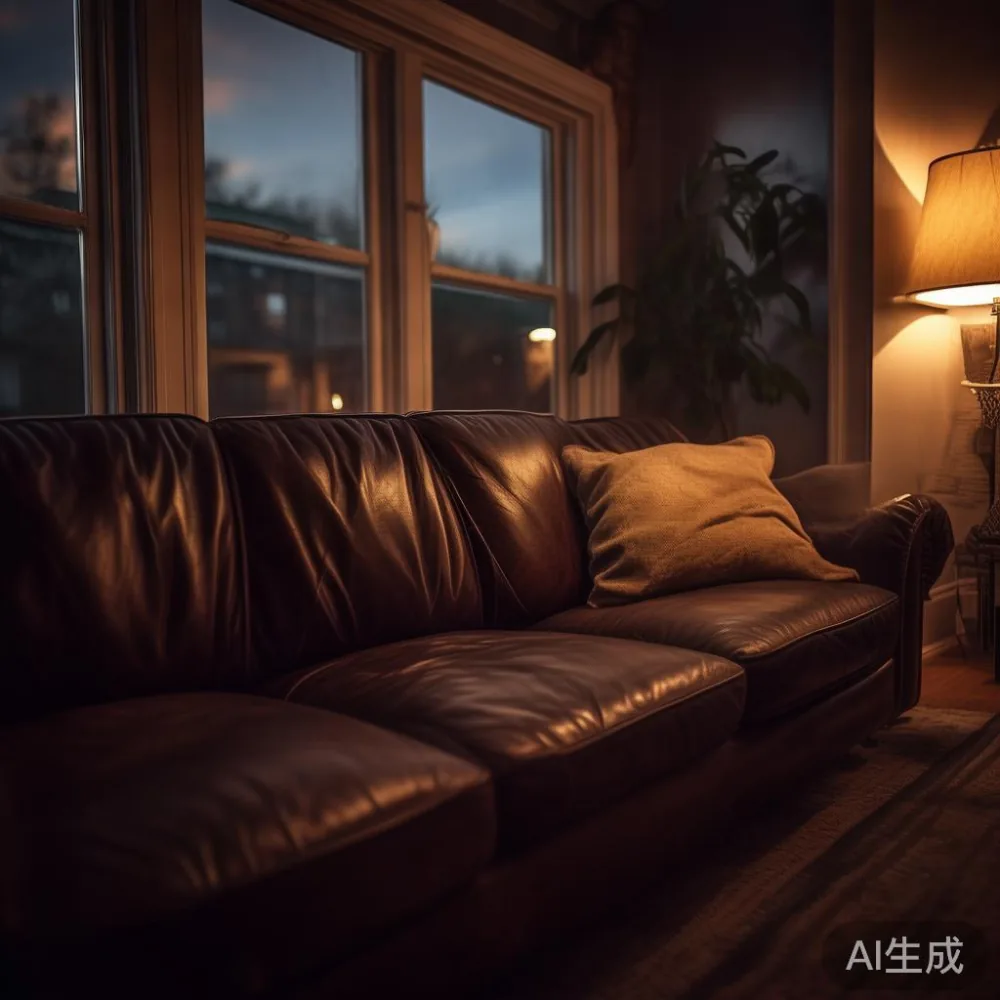
The most fundamental difference, and the primary driver of cost, lies in the material itself. A solid wood sofa is constructed from a single, continuous piece of lumber for its primary structural components—the frame, the legs, and the armrests. This frame, typically made from hardwoods like oak, ash, or rubberwood, forms the skeleton of the sofa. A high-quality frame for a standard 3-seater leather sofa might weigh between 25 to 35 kg and require approximately 15 to 20 board feet of solid wood. The process of milling this wood, ensuring it is straight and free of major knots, is resource-intensive. In contrast, a veneered or particleboard sofa uses a thin layer of decorative wood glued over a cheaper base material like MDF (Medium-Density Fiberboard) or plywood. This base material is significantly less expensive—MDF panels can cost under SGD 30 per sheet compared to solid oak planks that might exceed SGD 200 per board foot. The structural integrity of a veneered piece is also lower; MDF can sag or warp under prolonged weight, whereas a solid wood frame, when properly joined, can last for decades, which is why reputable brands like MIDHILL offer a 10-year structural warranty on their pieces.
What is the Impact of Wood Species and Origin on the Price?
Not all solid wood is created equal. The species of wood chosen for a leather sofa or a dining table dramatically influences the final price. Domestic woods like rubberwood or pine are more affordable. A solid rubberwood dining table for 6 might be priced around SGD 2,500 to SGD 3,500. These woods are plentiful and workable, making them a practical choice for everyday furniture. However, they are softer and more susceptible to dents and scratches. Exotic hardwoods, on the other hand, command a premium. Teak, known for its natural oils that make it highly resistant to moisture and pests, can cost two to three times more than rubberwood. A solid teak bed frame might start from SGD 4,000. The origin also plays a role. European oak, prized for its tight grain and durability, is often more expensive than American ash, even though both are excellent furniture woods. The cost also includes the ethical and sustainable sourcing of the timber. Reputable manufacturers invest in certified sustainable forests, which adds to the material cost but ensures the longevity and ethical production of the furniture. This is a key consideration for the discerning buyer who understands that the price reflects more than just the material; it reflects a commitment to responsible forestry.
How Does Craftsmanship and Joinery Affect the Price?
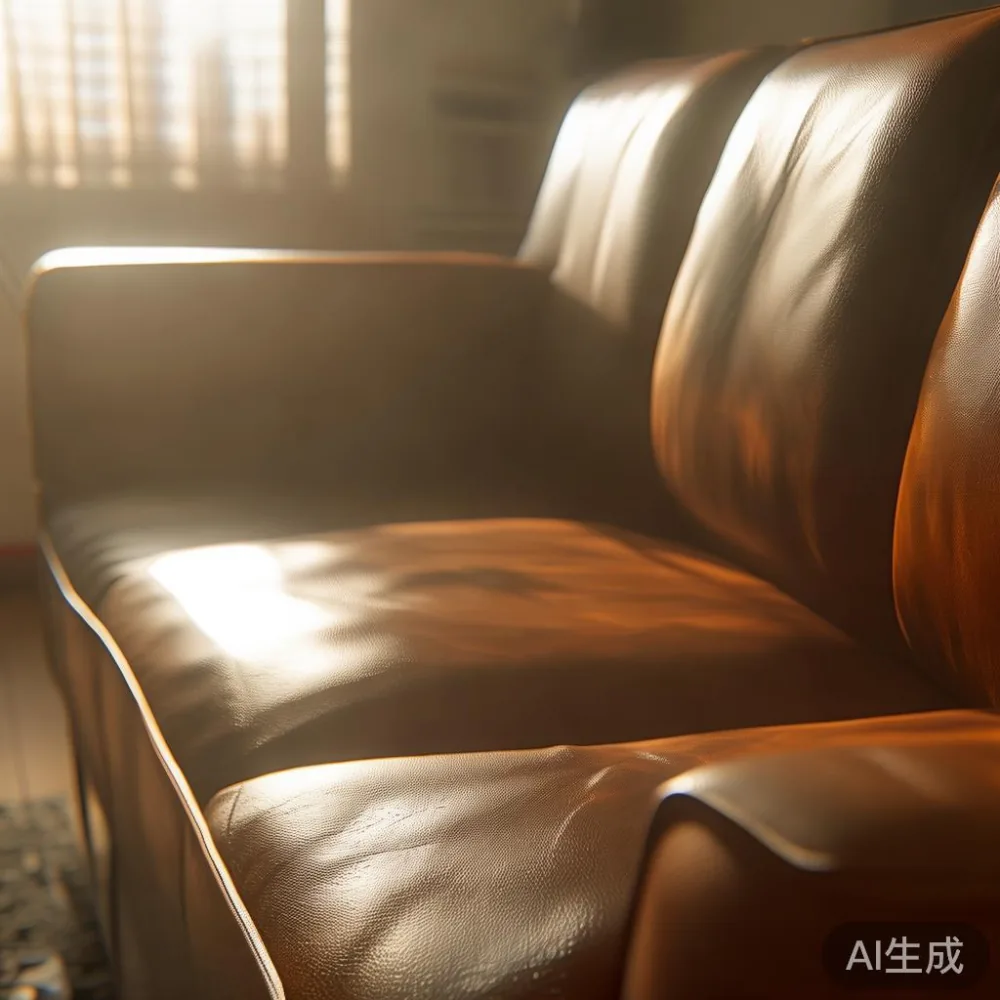
The difference between a mass-produced sofa and a handcrafted one is evident in the details. The joints are where a piece's true quality is revealed. A leather sofa from a high-end manufacturer will feature traditional joinery techniques like mortise and tenon, dovetail, or dowel joints. These methods create a strong, interlocking connection that can withstand stress without the need for excessive metal hardware or glue. A mortise and tenon joint, for instance, involves a square hole (mortise) cut into one piece of wood that fits a corresponding projection (tenon) from another. This requires skilled hands and precise measurements, taking a craftsman several minutes to execute correctly. In contrast, a cheaper sofa might rely on simple butt joints held together with staples or nails, which are far less durable and can loosen over time. The time and skill involved in this craftsmanship are a significant cost factor. A master carpenter in a workshop might take 30 to 40 hours to build the frame for a single solid wood sofa. This labour cost is a direct contributor to the price, but it ensures the piece is not just assembled, but crafted to be an enduring part of your home.
Why is a French Provincial TV Console So Much More Than a Simple Wooden Box?
When you look at a designer French provincial TV console, you're not just looking at a piece of wood; you're looking at a design legacy. The price is driven by the complexity of the design, the intricacy of the details, and the skill required to execute them. A simple console might have flat, straight sides and basic handles. A French provincial piece, however, features elegant, curved legs, intricate mouldings along the top and bottom, and often a scalloped apron. Creating these curves requires not just cutting, but steam-bending or carving solid wood, a process that is both time-consuming and wasteful of material. The finish is also a major component. A high-quality French provincial console will feature a multi-step finishing process: a sand-sealer, a base coat of stain, several layers of lacquer or varnish for depth and protection, and finally, a hand-rubbed polish to achieve a soft, lustrous sheen. This finishing work can take up to a week for a single piece. The value lies in the artistry—a piece that can anchor a living room and evoke a sense of classic European elegance is priced accordingly. It's the difference between a functional item and a piece of art that enhances your living space.
How Does Singapore's Context Influence Furniture Pricing?
The local environment in Singapore adds several layers to the cost of furniture. The Goods and Services Tax (GST) of 9% is applied to the final price, adding a significant, unavoidable cost to every purchase. For a leather sofa costing SGD 5,000, the GST adds another SGD 450. Delivery is another major factor. Singapore's urban landscape presents unique challenges. A delivery to a Punggol HDB flat might involve working through a narrow lift that can only accommodate a sofa box of 90 cm in width. A larger piece, like a 180 cm solid wood dining table, requires careful planning and a specialised delivery team. Free shipping, as offered by some brands for orders over SGD 350, is a substantial value proposition, as a standard delivery can cost between SGD 80 to SGD 150. Also, the limited living space in many Singaporean homes means that furniture must be multi-functional and durable. A solid wood bed frame with integrated storage or a marble-top dining table that can withstand daily use is a practical choice. The price reflects this practicality; it's an investment in a piece that will fit your space and serve you well for a long time, without needing frequent replacement.
Is Italian Light Luxury Accent Chair Just a Brand Name?
The term 'light luxury' refers to a design philosophy that prioritises high-quality materials, sophisticated simplicity, and comfort over ostentatious ornamentation. An Italian light luxury accent chair embodies this principle. The price isn't just for the name; it's for the design, the comfort, and the materials. The design might be minimalist, with clean lines and a focus on form, but the execution is paramount. The chair might feature a solid wood base with a hand-stitched leather seat. The leather itself would be a top-grain, full-anhide leather, chosen for its durability and natural beauty. The padding would be high-density foam, offering support that lasts for years, unlike cheaper foam that compresses and sags. The construction ensures the chair is not just beautiful, but exceptionally comfortable. This focus on quality in every component—from the wood to the stitching—is what defines the price. It's a piece designed to be a focal point in a room, offering both aesthetic pleasure and daily comfort, justifying its premium position in the market.
What About the Long-Term Value and Warranty?
The initial price of a solid wood piece is only one part of the equation. The long-term value is where the investment truly pays off. A cheap sofa might need to be replaced in 5 to 7 years. A well-made solid wood leather sofa can last 20 years or more with proper care. This longevity is a form of value that isn't reflected on the price tag. This is where warranties become important. A 10-year structural warranty, such as the one offered by established makers, provides peace of mind. It covers the frame, the most critical component of the sofa. This warranty is a promise of quality; the manufacturer is confident enough in their construction to stand behind it for a decade. Also, many brands offer a lifetime refinishing service. Solid wood can be sanded down and refinished if it gets scratched or its colour fades, effectively restoring it to its original condition. This service extends the life of the furniture indefinitely. A particleboard sofa, once damaged, is typically irreparable. The price of a solid wood piece, therefore, includes not just the initial product but also decades of potential use and the ability to be renewed, making it a more economical choice over the long run.
How Do You Know if You're Paying for Quality?
As a consumer, it can be difficult to distinguish a genuinely high-quality piece from one that is simply overpriced. There are practical steps you can take. First, ask to see the frame. A reputable seller will show you the internal structure of a leather sofa. Look for corner blocks, which are triangular blocks of wood glued and screwed into the joints, adding immense strength. Second, lift the piece. A solid wood sofa will feel substantial and heavy. A veneered one will feel lighter and less solid. Third, examine the finish. Run your hand over the surface. A high-quality finish is smooth and even, with no drips or bubbles. Finally, ask about the wood. A transparent seller will tell you exactly what species of wood is used. My colleague last month visited a workshop and saw firsthand how a solid wood bed frame was assembled. He noted the precision of the dovetail joints on the drawers and the heft of the solid oak slats, which convinced him of the value, even though the price was higher than a flat-pack alternative. This kind of due diligence helps ensure that the price you're paying is for genuine quality, not just marketing.
Is Japanese Wardrobe Worth It for a Singaporean Home?
This is a question many Singaporean homeowners ask when considering storage solutions. A Japanese wardrobe, often characterised by its minimalist design, clean lines, and sliding doors, can be more expensive than a conventional wardrobe. The price is justified by its design and functionality. The sliding doors are a major advantage in Singapore's compact HDB and condo layouts, as they require no clearance for swing, saving precious floor space in a bedroom. The construction is typically solid wood, with a focus on precision joinery and smooth-running mechanisms. The internal layout is also often more thoughtfully designed, with customisable shelves and hanging rods. For a homeowner in a Bedok flat where every square centimetre counts, the space-saving design and high-quality construction of a Japanese wardrobe can make it a worthwhile investment. It solves a specific spatial problem while offering a piece of furniture that is both beautiful and functional, proving that sometimes, a higher price tag is a direct result of superior design tailored to a specific need.
What About the Cost of Upholstery on a Leather Sofa?
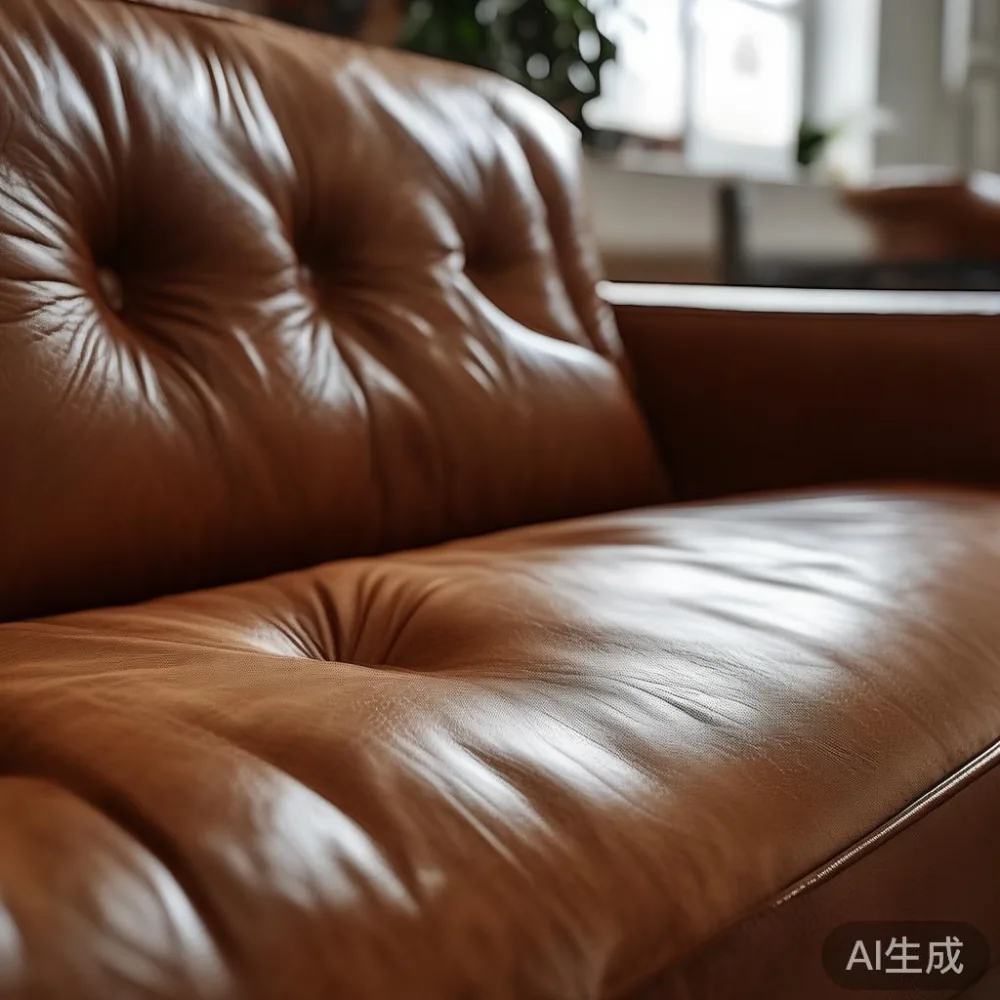
When you buy a leather sofa, you're paying for both the frame and the upholstery. The type of leather used is a significant cost driver. Top-grain leather is the highest quality. It is the outer layer of the hide, with the grain intact, making it the most durable and breathable. A full-grain leather sofa can cost 30% to 50% more than one made with bonded leather or split leather. Bonded leather is made from leather scraps bonded together with polyurethane, and it has a much shorter lifespan. The colour and finish also matter. Aniline-dyed leather, which absorbs dye all the way through, is the most natural and expensive, while pigmented leather has a protective coating that makes it more stain-resistant but less supple. The labour of upholstering the sofa is another cost. Skilled artisans must stretch the leather over the frame, ensuring it is tight and free of wrinkles. This requires precision and time, adding to the final price. The combination of premium materials and skilled labour is what makes a high-quality leather sofa a significant investment, but it's an investment in a material that ages beautifully and becomes more characterful over time.
How Do Shipping and Returns Factor into the Final Price?
The logistics of delivering furniture to a customer's door are a hidden but significant part of the cost. Large, heavy items like a solid wood dining table or a leather sofa require specialised vehicles and a team of movers. For a delivery to a Tampines condo, the logistics company must work through the building's service lift, which has specific weight and size restrictions. The cost of fuel, insurance, and labour for this delivery service is factored into the product's price. This is why offers like free shipping over a certain amount (e.g., SGD 350) are so valuable for the consumer. They remove a significant variable cost. Returns are another logistical consideration. A 14-day return policy is a customer-friendly feature, but it comes with a cost for the company. If a piece is returned, it often cannot be resold as 'new' and may need to be refurbished or sold at a discount. The price of the furniture includes a buffer to cover the potential costs of such returns, ensuring the business remains sustainable. These logistical considerations are part of the value chain, and while they don't add to the intrinsic quality of the furniture, they are a necessary component of the price you pay for convenience and peace of mind.
What is the Best Modern Bed for 2026 in Terms of Value?
Predicting the 'best' is difficult, but we can look at the trends in value. The best modern bed for 2026 will likely be one that balances contemporary design with timeless quality. This means a solid wood frame, perhaps in a lighter ash or oak finish to suit modern Singaporean interiors. The design might incorporate elements of post-modern light luxury—clean lines with subtle curves, a focus on natural materials, and an emphasis on comfort. It would feature a sturdy slat system for mattress support and perhaps integrated USB ports or hidden storage for modern living needs. The price would reflect this balance. It wouldn't be the cheapest option on the market, but it would offer the best long-term value. It would be a piece that is stylish today and will still be relevant and functional in 10 years. This is the kind of forward-thinking purchase that defines a smart investment in furniture—buying for the future, not just for the moment.
Ultimately, the price of a leather sofa or any solid wood furniture is a composite of many factors. It is the sum of the quality of the raw material, the skill of the craftsman, the complexity of the design, the cost of ethical production, and the logistics of delivery. For the homeowner in Singapore, it's an investment in a piece that will fit their space, withstand the test of time, and provide daily comfort. Understanding these drivers allows you to see beyond the price tag and appreciate the true value of a well-made piece of furniture. It's about making a choice that is both practical and personal, a piece that will become a part of your home's story for years to come.