Lacquered Leather Sofa Care in Singapore’s Climate
A lacquered leather sofa can look beautifully restrained in a Singapore home: soft sheen, clear contours and enough formality for both an HDB flat and a condominium. The challenge is humidity. Singapore’s year-round climate often combines air temperatures of about 26–32°C with daily readings above 80% relative humidity, while afternoon showers can introduce moisture through open windows, corridor air and damp cleaning cloths.
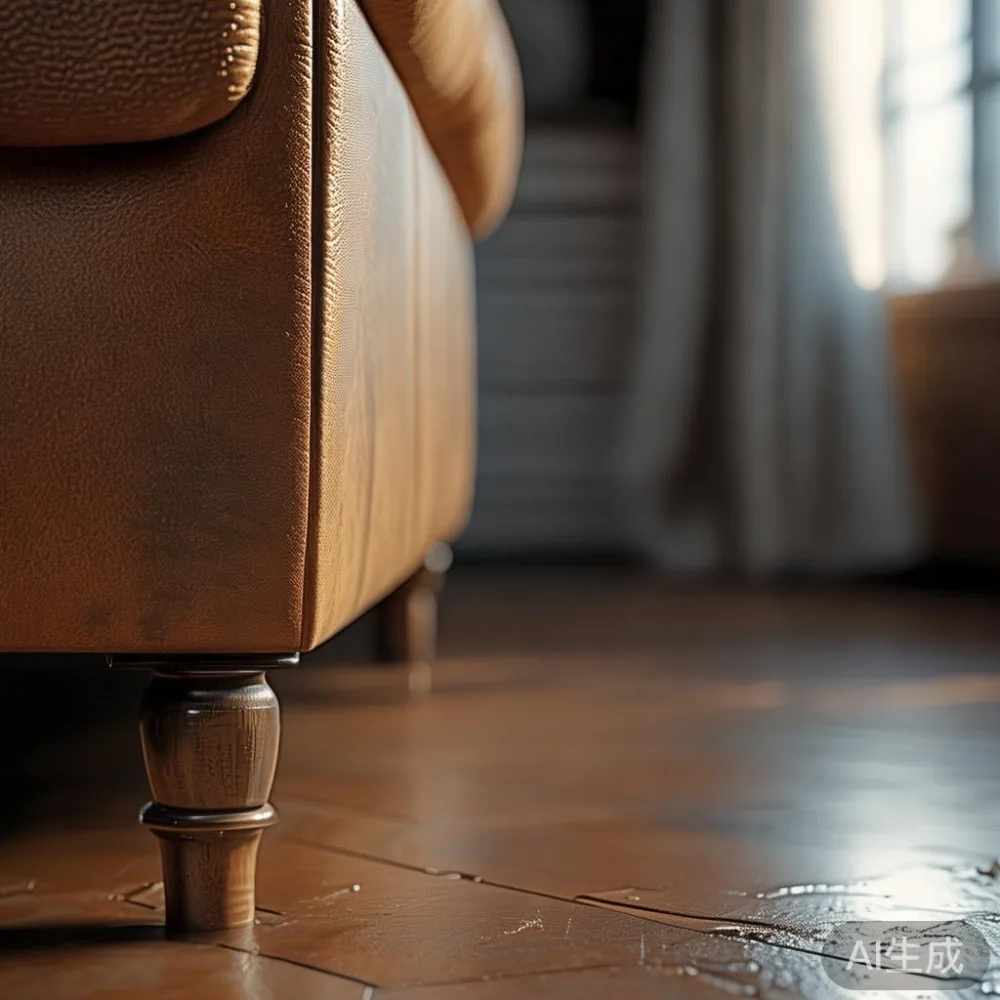
Lacquer does not make a leather sofa maintenance-free. It protects the leather differently from an untreated surface, but heat, ultraviolet exposure, trapped moisture and abrasive grit can still cause dulling, hazing, lifting or discoloration. A practical care routine takes about 20 minutes each week, with a deeper inspection every 2–3 months. This guide explains how to protect the finish, what to do after spills, and how to coordinate the sofa with solid wood furniture without losing the calm character of French provincial or American light luxury interiors.
MIDHILL designs lacquered seating and complementary pieces for demanding interiors, with a 10-year structural warranty and lifetime refinishing support. The care methods below are designed for careful ownership, not for restoring a finish that has already split or lifted.
What does lacquer do to a leather sofa?
Lacquer is a clear or lightly tinted coating applied over the leather. Depending on the production method, it may be sprayed, brushed or layered in several passes. It can slow the transfer of oils and moisture because the leather does not absorb them as readily, yet the coating remains sensitive to physical damage. Fine scratches on leather may catch the light as pale lines; deeper scores can cut through the lacquer and expose the hide below.
For a lacquered leather sofa, distinguish between three maintenance needs:
Surface cleaning: removes dust and skin oils without stripping the coating. Use a soft microfibre cloth, barely damp, and test an unseen 10 cm × 10 cm area for 24 hours.
Coating care: reduces haze and helps the finish remain even. Apply only a product specifically labelled compatible with lacquered leather. Many conventional leather conditioners are unsuitable because they leave an oily film or soften a hard finish.
Structural care: protects the frame, joints and suspension. A lacquer repair cannot resolve a sagging seat rail, so inspect the solid wood sofa frame at the same time as the upholstery.
Do not assume that thicker leather or a higher sheen means greater resistance to heat. A dark leather sofa may absorb more solar energy, and a glossy finish can reflect glare without preventing ultraviolet damage. The finish needs both shade and controlled cleaning.
How should I clean a lacquered leather sofa in Singapore?
Begin by vacuuming with a soft upholstery attachment at low suction. Keep the rotating brush above the leather and remove the head from the sofa before cleaning under cushions. Vacuuming every 1–2 weeks prevents grit from becoming embedded when someone sits down.
For the main surface, mix a small amount of mild, pH-balanced leather cleaner with distilled water. The usual dilution is about 5 ml of cleaner per 500 ml of water, although the product instructions take priority. Dip a white microfibre cloth into the mixture and wring it until it is almost dry. Wipe in sections approximately 30 cm wide. The cloth should leave no standing moisture behind.
Follow with a second, dry microfibre cloth. Buffing in the direction of the leather grain reduces visible streaks. Allow the sofa to air for at least 60 minutes before sitting on it. Do not use a hairdryer, steam cleaner or fan heater at close range; direct heat above approximately 35°C can haze the lacquer or drive moisture into the seams.
Keep ordinary household products away from the finish. Avoid alcohol-based glass cleaner, vinegar, bleach, ammonia, dishwashing liquid, furniture polish, silicone spray and wet wipes labelled for coated or finished surfaces unless the manufacturer explicitly approves them. Their pH or solvent content may cause patchy gloss, blistering or a sticky hand-feel.
Test every product for 24 hours rather than trying it across the full sofa. Place a treated paper towel on an inconspicuous cushion edge, then compare it with an untreated area under daylight. If the patch appears darker, shows a sticky film or loses its sheen, discontinue use.
How often should a lacquered leather sofa be conditioned?
For a household in Tampines, Bedok or Punggol, inspect the lacquer every 2–3 months and clean it every 4–6 weeks, adjusting to use and exposure. A coastal unit with windows facing the sea may need a closer check every 6 weeks. An interior-facing family room may need only a quarterly inspection.
Do not apply conditioner automatically every month. Over-application can create a cloudy film, especially on a dark brown or black finish. If the leather feels dry but the lacquer still looks clear, use a lacquer-compatible conditioner sparingly. If the surface feels tacky or looks hazy, more conditioner is unlikely to help; excessive residue may need careful removal or professional refinishing.
Use roughly 15–20 ml of any approved maintenance product per 1 m² of leather. Work one cushion at a time, and never pour liquid directly onto the sofa. Check the product’s stated cure time, which commonly ranges from 30 minutes to 24 hours. Keep pets and children off the treated section while it cures.
After 12 months of regular care, compare the sofa with a photograph taken under the same lighting. Lacquer may develop a faint, even polish that is perfectly acceptable. Sudden cloudiness, a 2 mm blister, lifting at a seam or a scratch exposing coloured material should be referred for assessment rather than treated with household chemicals.
What should I do if water, tea or oil spills on the leather?
Act within 5 minutes for most spills. Lift blotting paper or a clean cotton cloth and press gently. Do not rub, because rubbing pushes the liquid deeper and spreads the stain across the lacquer.
Water with no pigment needs little more than blotting. For tea, coffee or juice, blot the liquid, then apply a small amount of mild, pH-balanced cleaner to a barely damp cloth. Wipe outward from the mark rather than over a large area. Repeat no more than 3 times, checking the cloth between passes.
Oil requires a different sequence. Blot first, then place an absorbent pad over the spot for 15 minutes. Replace it if it becomes saturated. Do not use kitchen paper with printed patterns, coloured tissues or talcum powder, which can leave residue in the lacquer. If the mark remains after 2 careful attempts, seek specialist help before trying a solvent.
Never place a wet towel over the entire sofa overnight. A damp textile held against the upholstery can slow drying and encourage mould. After cleaning, leave the section ventilated and keep it away from direct airflow. If a musty smell appears within 24 hours, stop using the area and have it inspected.
For spill protection, use coasters and trays with a raised rim. The rim should be at least 8 mm high, and the base should measure about 5 mm wider than the drink’s base. Keep sauces in sealed containers when children or older relatives use the sofa.
Can humidity and heat damage a lacquered leather sofa?
Yes, even though the lacquer slows moisture absorption. Singapore’s relative humidity regularly exceeds 80%, and a sofa near an open balcony or frequently opened window may collect condensation. The risk is not only staining; repeated dampness can encourage mildew at seams and around the underside of cushions.
Maintain sensible indoor conditions. A hygrometer positioned beside the sofa should generally read below about 65% relative humidity; aim for 50–65% where possible. Air-conditioning or dehumidification helps during humid nights, but direct cold air striking the leather for hours at a time can cause condensation and temperature-related finish changes.
Keep the sofa at least 60 cm from a window if daylight falls directly across it, or install a solar-control film with a visible light transmittance of roughly 20–40%. Curtains should not touch the upholstery. UV exposure is cumulative, so a sofa placed 30 cm from a west-facing window in Bedok will receive more damage than one in a shaded room.
In a typical Tampines HDB living room, keep the sofa clear of the main walkway and at least 20 cm from a wall where possible. This improves airflow and makes inspection easier. In a condominium corridor, reserve a clear route of at least 90 cm for movement and delivery access. Lift and corridor measurements should be checked before furniture delivery, especially for a large sectional or a sofa with a wide arm.
MIDHILL can quote delivery timing and logistics after confirming the building, access route and item dimensions. Local delivery commonly takes 3–7 working days, while international shipments vary by destination and customs clearance. Orders above US$350 qualify for free shipping under MIDHILL’s stated delivery terms.
How do I prevent scratches and damage from daily use?
Place the leather sofa away from areas where bags, toys and shoes are removed. A slim console near the entrance can keep these items off the upholstery. For a French provincial TV console, position it 15–20 cm behind the sofa where space permits, but keep ventilation openings unobstructed and do not let its rear edge touch the leather.
Use protective throws in areas of heavy contact, but choose breathable cotton or linen rather than thick rubber-backed mats. Rubber can trap heat and moisture. Rotate loose cushions every 2–3 months so pressure and sunlight affect each side evenly. Check underneath at the same time for grit, dampness or a warped support.
Trim pet claws regularly and provide a designated scratching surface. Keep water-based markers and coloured pens away from the leather sofa. Teach children not to drag toys across the surface; even a small plastic wheel can leave a line in lacquer.
Do not place hot pans, candles or humidifiers directly on the arms. Maintain at least 15 cm between a warm lamp and the upholstery. For a dining table or solid wood dining table nearby, use a stable side surface for hot service rather than balancing a tray on the sofa arm.
What leather sofa and bedroom pieces suit Singapore’s climate?
A balanced room works better than treating every item as a separate design decision. A leather sofa with a lightly grained lacquer finish can sit comfortably beside pale solid wood, a marble table and restrained American light luxury details. Keep the palette warm but not heavy: off-white walls, light oak, muted beige and one darker leather tone create visual depth without making a compact flat feel crowded.
For a 90 cm-wide HDB study, a compact solid wood sofa or upholstered seat may be more practical than a deep European lounge model. In a 110–140 cm condominium living room, check that the sofa leaves a walking route of at least 75 cm, a common clearance target for main furniture in narrow rooms.
For bedrooms, anyone searching for how to choose European light luxury bed should compare external dimensions with the HDB room before focusing on the headboard. Allow 60 cm beside the bed where possible and 90 cm along the main side in a master bedroom. A low platform bed suits a compact Punggol room better than an oversized frame with projecting posts.
If the subject is how to style European light luxury bed in room, use one upholstered textile, pale timber tones and controlled lighting rather than adding several competing materials. A small nightstand measuring 35–45 cm wide provides space for a lamp and phone without crowding the wall.
Wardrobe planning follows the same measured approach. A Modern light luxury wardrobe can suit a bedroom with an uninterrupted wall of 180–240 cm, but sliding doors may be easier than hinged doors in a narrow HDB bedroom. If the question is how to style light luxury wardrobe in apartment, keep handles, bedside tables and lighting in related finishes rather than filling every available gap.
For buyers comparing the international trade, wholesale European light luxury furniture is a useful way to understand finish consistency, material disclosure and packaging standards. The same attention applies locally: request the leather specification, lacquer type, care instructions and actual frame dimensions. Foshan furniture production is associated with dense manufacturing clusters and export logistics, but factory location alone does not establish quality. Ask for written warranty terms and maintenance guidance.
What questions should I ask before buying a lacquered leather sofa?
Ask whether the lacquer is clear, tinted, matte or gloss, and whether the maker permits a specific cleaner or conditioner. Request the leather type, coating composition, expected finish life and repair method. A 10-year structural warranty should be distinguished from coating coverage, which may have a different period.
Also check the dimensions in centimetres, the packed weight in kilograms and the sofa’s assembled weight limit. For a lift move, provide the lift door width, internal cabin width and depth, plus turning space at the landing. Typical HDB lift openings are narrower than broad sofas, and a product that fits the corridor can still fail to turn inside the lift.
Confirm GST-inclusive pricing in SGD. A showroom sample may have a different lacquer tone from a production batch, so ask for a finish sample and natural-light photographs. Review the return window: MIDHILL allows returns within 14 days, subject to the stated conditions. Keep the item unused and retain the packaging so transport does not damage the lacquer.
Ask where refinishing can be performed and whether the service is available for the lifetime of the piece. MIDHILL’s lifetime refinishing commitment provides a clear point of contact, although transport and site conditions may affect the arrangement.
Delivery to a Singapore address commonly requires 3–7 working days after dispatch or confirmation, depending on stock and access. Building management may impose delivery windows, loading-bay reservations or protective floor covering requirements. Photograph the corridor and lift before delivery, especially around the sofa’s corners and lacquered panels.
What is a practical 20-minute care routine?
Start with 5 minutes of vacuuming and 5 minutes of checking visible seams. Use 5 minutes to wipe the most-used arm and seat sections with a barely damp approved cloth. Spend 3 minutes on the underside of the cushions and another 2 minutes around the base, where moisture collects more easily.
Follow this routine every 1–2 weeks in a busy family room and every 2–4 weeks in a quieter condominium. Every 3 months, check window exposure, humidity, scratches and cushion movement. Every 6–12 months, consider a lacquer-compatible treatment if the manufacturer recommends it.
Keep a care log with 4 details: the product used, the affected area, the date and the result. This prevents repeated experiments on a finish that has already become patchy. It also helps MIDHILL or a repair specialist understand whether the issue came from household products, heat, spills or mechanical damage.
For a Singapore home, the most effective protection is controlled: shade the sofa, keep liquids in lidded containers, maintain moderate humidity, clean gently and address spills early. A lacquered leather sofa can remain an elegant centrepiece for many years when its finish is treated as a maintained surface rather than an indestructible one.