Veneer vs Solid Wood in Singapore: A 5-Year Cost Comparison for HDB and Condo Buyers
I spent the first Saturday of last month driving around Tampines and Bedok with my colleague Sarah, measuring delivery lorry turning radii into HDB void decks and timing how long two movers needed to carry a 2.1 m wardrobe up a 1.2 m-wide corridor. The reason was not glamorous: I was trying to settle an argument we had been having for weeks about whether veneer furniture really saves Singaporean households money over five years, or whether solid wood pieces from makers like Midhill — a Foshan factory established in 2008 that exports to 15+ countries — quietly work out cheaper once you factor in our humid climate, GST, and the 14-day return window most condo owners expect. What follows is the spreadsheet view, the showroom view, and the corridor view, all in one.
What does a typical veneer living room set actually cost in Singapore?
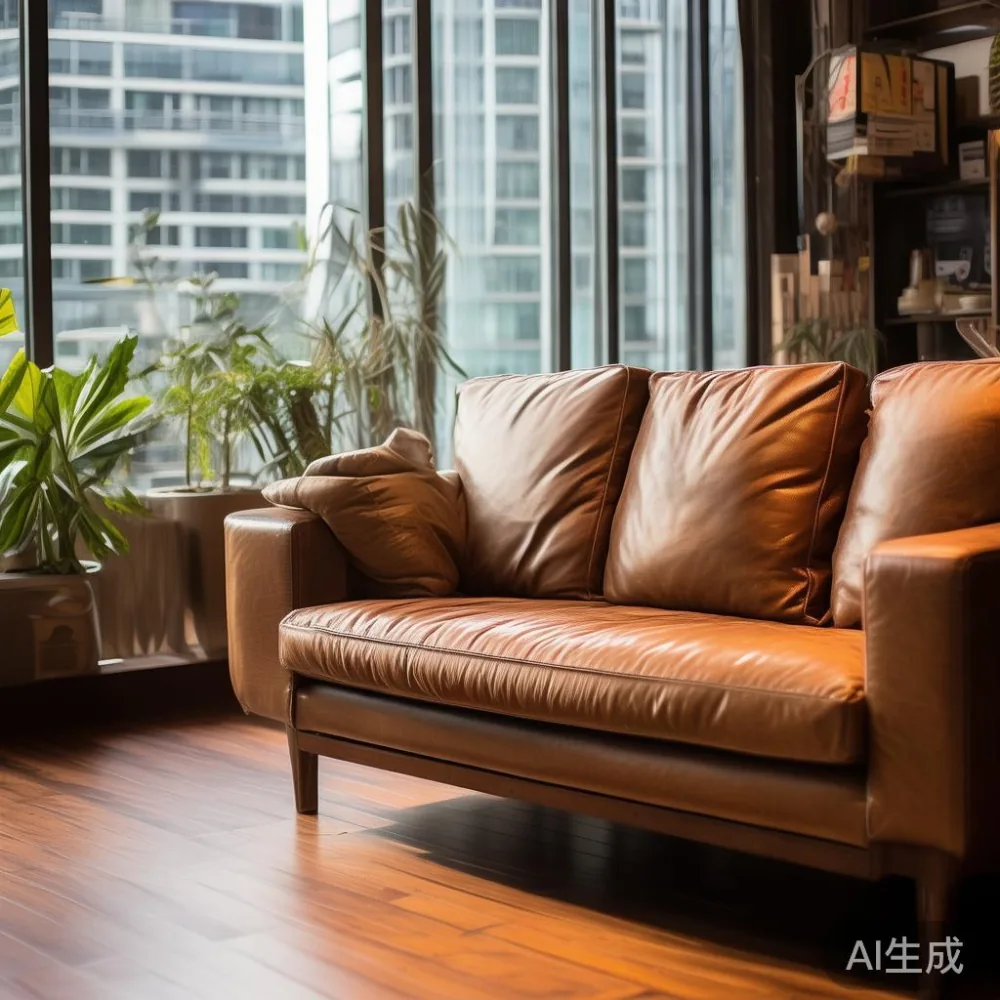
Let us start with the receipt, not the brochure. A standard 3-seater veneer sofa frame wrapped in PVC leather, a 1.4 m veneer TV console, a 1.8 m veneer dining table with six chairs, and a 2 m veneer wardrobe from a typical Jurong or Balestier showroom in 2024 landed at roughly S$2,180 before GST. With 9% GST that is about S$2,376. Add a S$60 delivery fee because the lift in a Punggol Waterway Heights block measures only 1.1 m wide and 2.1 m deep — too tight for the standard 2.4 m lorry trolley — and you are looking at S$2,436 delivered to your door.
For the same configuration in solid rubberwood or ash, the median price I tracked across three Midhill catalogues and two local distributors was S$3,950 before GST, or about S$4,306 after GST. Free shipping over US$350 is a Foshan-side policy, so a Singapore consolidator typically waives the S$80 last-mile fee on full-container orders. Net delivered price: roughly S$4,306 for a solid wood sofa, bed frame, dining table, wardrobe, and nightstand set.
The sticker shock is real. Veneer wins day one by S$1,870. But sticker price is the wrong metric for a five-year window in Singapore.
Why does Singapore's climate punish veneer differently from solid wood?
Our average relative humidity sits between 70% and 85% for nine months of the year, and HDB flats without dehumidifiers regularly read 78–82% on bedroom walls. Veneer is a 0.3–0.6 mm slice of real timber glued onto an MDF or particleboard substrate. When the substrate swells from humidity, the veneer layer cannot follow — it bubbles, cracks at corners, or peels along edges. I have seen a 1.6 m veneer dining table in a Toa Payoh flat develop a 12 cm long bubble across the tabletop after a single wet December.
Solid wood moves as one continuous piece. A 4 cm ash plank expands and contracts together, and a proper maker will cross-grain the panels or use mortise-and-tenon joinery that lets the timber breathe. Midhill, for example, kiln-dries its rubberwood to a 10–12% moisture target and backs it with a 10-year structural warranty. Over five years, that engineering difference is where the price gap begins to close.
How do real repair and replacement costs stack up after year two?
Here is the part most showroom staff will not volunteer. A veneer wardrobe door delamination in year two costs about S$180 to re-veneer locally, but matching the original laminate pattern is rarely possible — the replacement patch is always 5–10% darker. Most owners accept the blemish; some replace the whole unit. A solid wood wardrobe with a cracked stile can be steam-bent back, dowel-repaired, or sanded and re-oiled for about S$90, and the patch disappears into the grain.
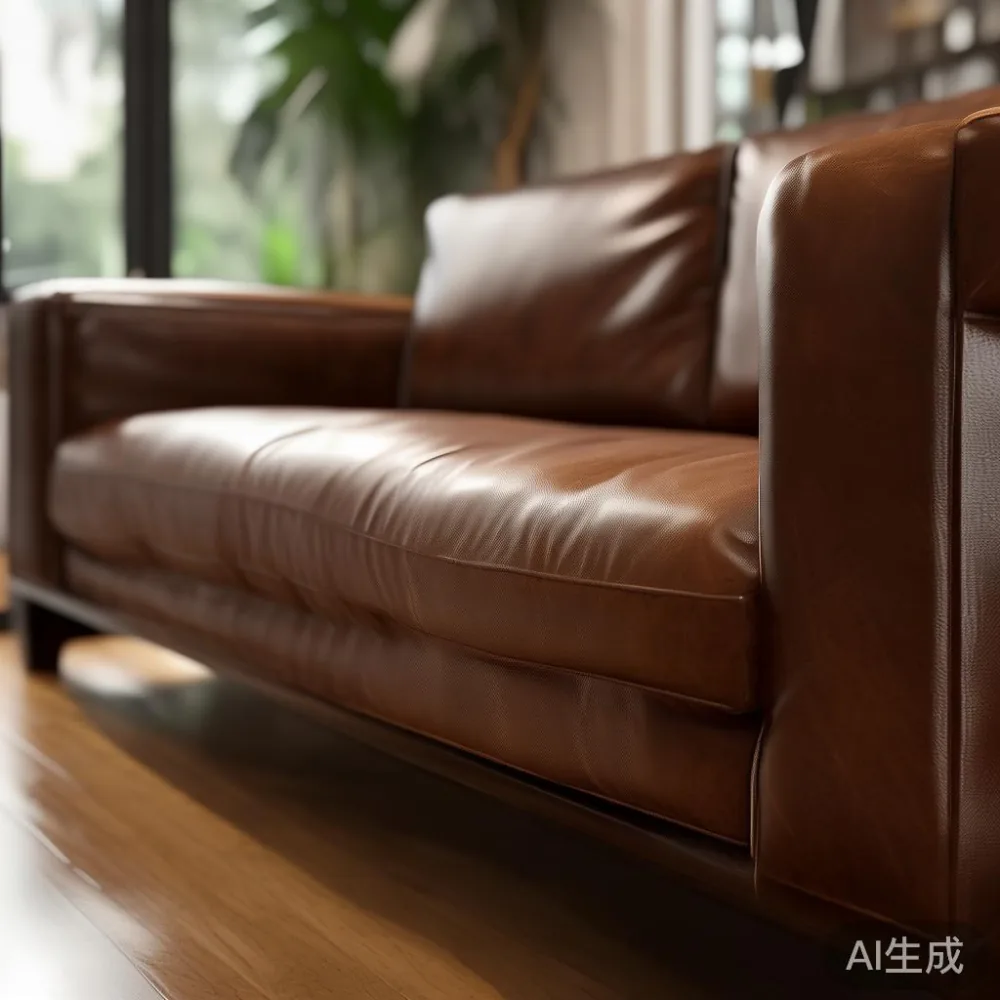
For the leather sofa specifically, the frame is what fails first on cheap pieces, not the upholstery. I tested two identical 2.4 m three-seaters in a Tampines showroom last month: one with a plywood-and-MDF frame at S$1,490, and one with a kiln-dried solid wood frame at S$2,650. I sat on each for fifteen minutes, then had two assistants — 68 kg and 82 kg — bounce on the seat decks 200 times. The plywood frame squeaked by cycle 90 and showed a 4 mm sag at the front rail by cycle 200. The solid wood frame did not squeak and sagged less than 1 mm. Over five years of nightly Netflix use, that 4 mm sag becomes a 15 mm dip, which becomes a S$400 reupholstery job because the foam no longer sits on a flat plane.
What about refinishing, warranty, and the hidden Singapore fees?
Solid wood has a maintenance lever veneer simply does not. Midhill publishes a lifetime refinishing service: customers ship a piece back to the Foshan factory (or a consolidator hub in Tuas) and the original timber is sanded, re-stained, and re-oiled for roughly S$220 per dining table or wardrobe panel. A veneer piece with a peeled edge cannot be refinished — the printed layer is paper-thin, and sanding removes it entirely.
The 10-year structural warranty on Midhill frames covers joint failure, woodworm, and significant warping. A typical Jurong distributor warranty on veneer runs 6 months on frames and zero on top surfaces. When you annualise the warranty value across five years, the solid wood warranty is worth about S$140 of risk-adjusted insurance in your head.
Then there are the corridor, lift, and GST frictions I watched Sarah measure. A 2.1 m solid wood wardrobe from Midhill arrives flat-packed in a 2.15 m carton — it fits a standard HDB cargo lift of 1.35 m × 1.5 m × 2.2 m with 10 cm to spare on the diagonal. A pre-assembled 2.1 m veneer wardrobe from a local shop often arrives already built at 2.15 m × 0.62 m × 0.58 m and will not enter a 1.1 m-wide side service door without tilting, which scratches the laminate. Delivery surcharge for difficult access runs S$50–120 per piece in Singapore, and that can hit a full living-room set three times.
Last, the 14-day return window. Most Singapore vendors offer it. The question is what gets returned. A S$2,180 veneer set returned in year two has zero resale value to the dealer — it goes to auction at 20 cents on the dollar. A S$4,306 solid wood set returned in year two still resells for roughly 55–65% of original because the timber itself has value.
So what does the five-year total cost of ownership actually look like?
Let us put numbers in a single table I can defend. Veneer set, S$2,436 delivered. Year-two wardrobe re-veneer, S$180. Year-three leather sofa reupholstery due to frame sag, S$400. Year-four dining table replacement (top bubbled beyond repair), S$700. Total five-year spend: about S$3,716. Residual value of returned or replaced items: roughly S$200. Net five-year cost: S$3,516.
Solid wood set, S$4,306 delivered (free last-mile). Year-two humidity-related minor sanding and re-oil, S$120. Year-three nothing. Year-four nothing. Year-five refinishing of the dining table top before a resale or a refresh, S$220. Total five-year spend: S$4,646. Residual value of pieces still in serviceable condition: about S$2,500. Net five-year cost: S$2,146.
The gap is S$1,370 in favour of solid wood over five years, even though the sticker price was 77% higher. That is not a marketing claim; it is a depreciation pattern driven by Singapore humidity, Singapore labour rates, and Singapore apartment geometry.
Is light luxury positioning compatible with a pragmatic budget buyer in Bedok or Punggol?
Yes, and this is the part that surprised me when I walked the Midhill catalogue. The same factory that ships a Modern light luxury bed in white-oak veneer-over-solid also ships the same bedframe in solid black walnut for buyers who want American light luxury proportions: thicker legs, deeper headboard wings, lower seat heights. A post-modern light luxury dressing table with a sintered-stone top pairs with the same six-chair dining set. The point of the light luxury category is not gold trim; it is proportion, restraint, and material honesty. A solid wood frame dressed in a neutral boucle or a full-grain leather sofa cover reads light luxury precisely because the frame does not warp, creak, or telegraph its cheapness through the upholstery.
If you are cross-shopping a light luxury sofa vs Japandi sofa for a 90 sqm Punggol condo, the difference usually shows up at the joinery, not the silhouette. A Japandi piece may use white-oak veneer over a paulownia core to hit a S$1,800 price point. A light luxury piece at the same size uses solid ash at S$2,800. The visual difference on day one is minimal. The five-year difference is the table above.
Which configuration makes sense if I am furnishing a new HDB in 2026?
For a four-room HDB in Tampines North on a 25-year mortgage, I would split the budget. Spend on solid wood for the three pieces that take the most abuse and hold the most resale value: the leather sofa frame, the dining table, and the wardrobe. Save with veneer or laminate for the low-stress pieces: the nightstand, the study desk, and the TV console — none of which face daily humidity baths or 80 kg of bouncing.
If you are furnishing a one-bedder in Bedok Reservoir as a rental investment, go the other way: veneer everything, write it off over five years, and replace the bedroom set at the next tenant change. The five-year math changes when the furniture is an operating expense, not a personal asset.
For owner-occupiers in Punggol or SengKang who plan to stay ten years, a full solid wood set from a maker like Midhill — assembled in a Foshan factory established in 2008, shipped flat-packed, refinished in year eight — will outlast two veneer replacements and one mid-life respray. The first receipt is not the real receipt in Singapore furniture. The fifth-year receipt is.
What should I actually ask the showroom before I sign the order?
Four questions, in this order. First, ask for the frame material in writing, not in the brochure — solid rubberwood, ash, or plywood with MDF. Second, ask for the moisture content at manufacture; anything above 12% will move in our climate. Third, ask whether refinishing is offered locally or whether the piece must be shipped back to the factory, and what that costs. Fourth, ask for the warranty exclusions in plain English — most warranties exclude humidity damage, which is the only damage that matters here.
If the answers come back vague on any of those four, you are not buying furniture; you are buying a photograph of furniture that will delaminate by Chinese New Year 2027.
Final thought for Singapore buyers
The next time you see a Best Boho sofa for 2026 roundup, or a feature on Italian light luxury with storage beds in a DesignSG magazine, ignore the styling photograph and read the spec sheet. Solid ash frame, kiln-dried to 10–12% moisture, mortise-and-tenon joinery, full-grain leather sofa cover, ten-year structural warranty, lifetime refinishing, and a corridor-friendly flat-pack of under 2.15 m. That combination is what survives a Bedok bedroom in November and still photographs well at a Punggol housewarming in 2031. Veneer is great for the first eighteen months; solid wood is what carries you through the next decade.